Healthcare Pharma & Life Sciences Other Industries
All Services Performance Marketing ChatGPT Ads India · NEW Social Media Marketing SEO & AEO / LLM YouTube Marketing LLM Optimization Brand & Growth Consulting AI Solutions Industries We Serve
Enterprise Hub · All Solutions + Services Growth Transformation AI Transformation Revenue Operations Fractional CGO Growth Operating System Executive Growth Advisory
Clinic Launch Programme (Hub) NABH Consulting India Healthcare Brand Launch Clinic SOP Creation Logo Design (Healthcare) Brand Book Creation Clinic Launch Marketing D2C Brand Launch Clinic Interior Design
Workforce Hub For Employers — post a requirement For Professionals — register Public Openings Training Academy AI Training Flagship
Hawk · CRM Intelligence (NEW) YODA · YouTube Intelligence Angryturtle · GBP Intelligence (NEW) Prism Pulse · Instagram Analytics (NEW) Beacon · Attribution Agency OS · Dashboards Phoenix · Clinic Revenue HealthPro 360 · PMS/HMS AI Patient Lifecycle Bots AI Lead Management System Smart Appointment System Healthcare CRM Patient Feedback System AI, Analytics & Automation Digital Transformation Calculators Free Digital Health Audit →
All 13 calculators → 🎯 Business Exploration Matrix (New) Dental Clinic Setup IVF Clinic + Lab Setup Multi-Specialty Hospital Setup Aesthetic / Cosmetology Clinic Dermatology Clinic Setup Generic Clinic Setup Physiotherapy Clinic Setup Diagnostic Centre Setup CAC Calculator CPQL Calculator Franchise ROI Calculator Revenue Leakage Calculator CRM ROI Calculator
All Events Workshop 1 · Jun 13 · AI in Clinical Practice Workshop 2 · Jun 27–28 · AI in Growth & Governance Hospital Ops Workshop · Jul 12 Pre-Summit Seminar · Aug 16 Grand Summit 2.0 · Oct 10–11 Bihar AI Summit · Recap AI Innovation Awards · Aug 22 Grand Summit 2.0 · Oct 2026 Aarambh 2026 Recap
Case Studies Insights & Blog Research Reports Calculators AI in Healthcare Digest
Our Story Leaders @ Ichelon · IN · US · AU Ichelon India · Gurgaon Ichelon Consulting US · Dallas, TX Ichelon Australia · Sydney Speakers & Panelists Client Elevation Programme 🤝 Partner Connect 🇦🇪 ICG UAE Careers
Book a Growth Diagnostic →
We Do It Right. The right diagnosis. The right strategy. The right systems. Giving healthcare leaders the confidence to make better decisions, build stronger operations, and achieve sustainable growth. — Team Ichelon
State medical board series · North Carolina · 2026

North Carolina Medical Board advertising rules — the marketing compliance guide

A working guide to healthcare advertising rules for licensed practitioners in North Carolina — the North Carolina Medical Board (NCMB), the NC State Board of Dental Examiners, N.C. General Statutes Chapter 90 Section 90-14, 21 NCAC 32, and the parallel civil exposure under the North Carolina Unfair and Deceptive Trade Practices Act (G.S. Chapter 75). Written for North Carolina practice owners, in-house marketing leads and agencies delivering paid, organic, review and content programs to NC-licensed physicians and dentists. Prepared by Ichelon Consulting US HQ Dallas.

§ 90-14
N.C. General Statutes — disciplinary grounds including unprofessional conduct
21 NCAC 32
Board of Medical Examiners rules — the operating rule set
G.S. Chap. 75
Unfair and Deceptive Trade Practices Act — parallel civil exposure with treble damages
Direct answer
  • The controlling regulator for physician advertising in North Carolina is the North Carolina Medical Board (NCMB), working from its own Position Statement on Advertising and Publicity, its administrative rules at 21 NCAC 32, and the statutory grounds for discipline in N.C. Gen. Stat. § 90-14.
  • The NCMB Position Statement is short, but it is enforced strictly. Truthfulness, substantiation, non-deception, disclosure of material connections, and physician responsibility for advertising placed on their behalf are the five load-bearing themes.
  • Dentists are separately regulated by the North Carolina State Board of Dental Examiners under G.S. Chapter 90 Article 2 and its own administrative rules. Specialty claims must align with ADA-recognised specialties.
  • North Carolina layers a materially different civil-side exposure on top through G.S. Chapter 75 (Unfair and Deceptive Trade Practices Act, or UDTPA). A misleading advertising claim can attract a private-plaintiff suit with treble damages and attorneys fees, independent of any board action.
  • Enforcement is complaint-driven. The typical investigation cycle begins with an NCMB inquiry letter, proceeds through licensee response and substantiation review, and escalates only where the file cannot support the claim. A defensible substantiation file is the single most important control an NC practice can build.
Not legal advice. This is marketing guidance reviewed against the current NCMB Position Statement on Advertising and Publicity, N.C. Gen. Stat. § 90-14, 21 NCAC 32, and the NC Board of Dental Examiners rules. Consult a healthcare-marketing attorney licensed in North Carolina and confirm any specific claim with the relevant board before publication. Direct line to our Dallas HQ: +1-724-612-3694.
The ICG engagement model
Every practice welcome — retainers starting from $499/mo.
Goals-Driven engagements · Performance-Linked Payout Models available. Read the full engagement model →
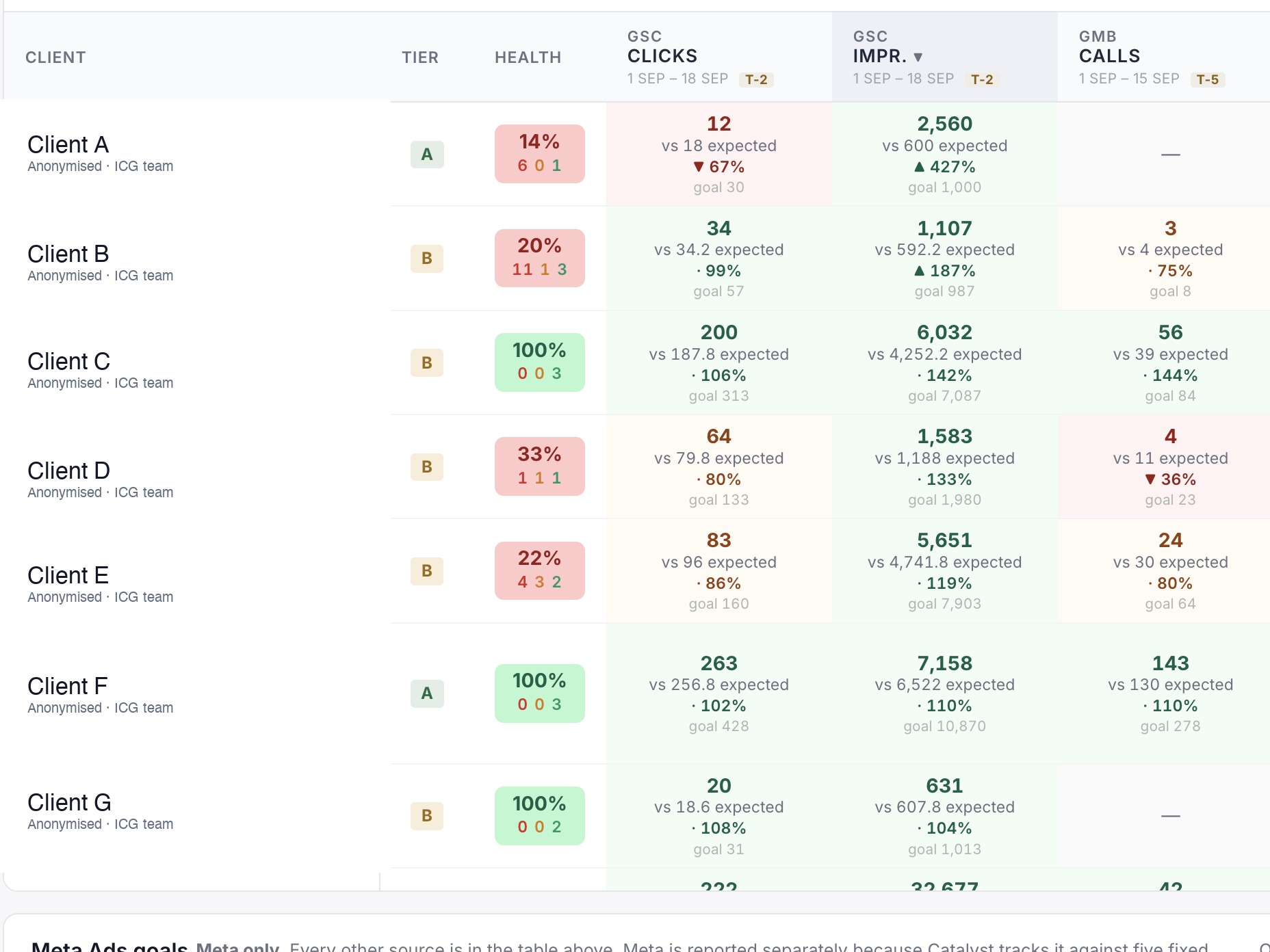
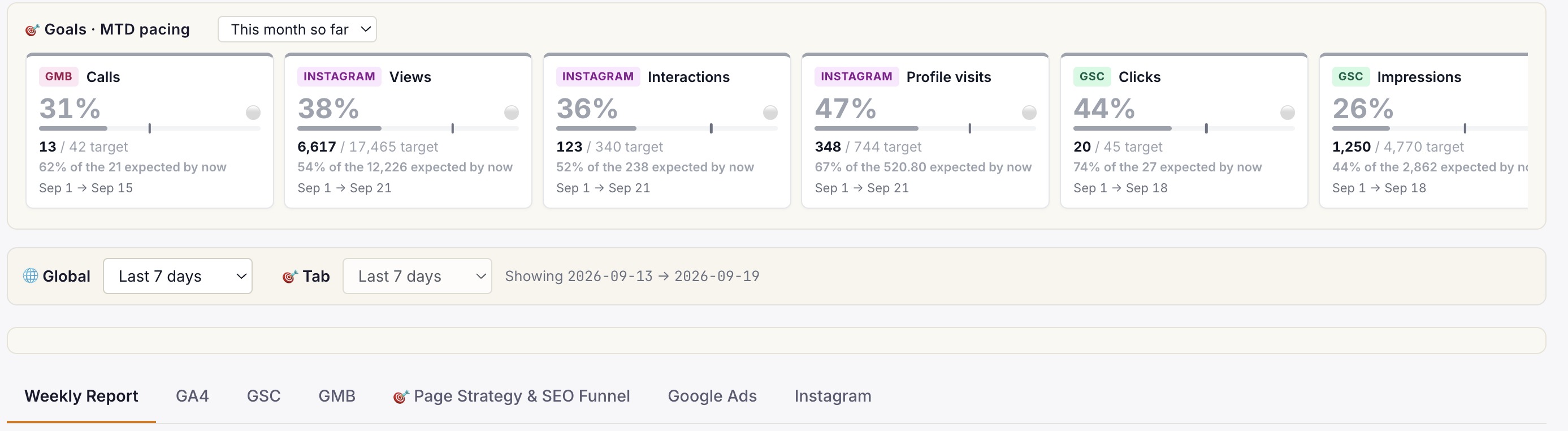
🎯 Ichelon Agency OS See your goals live · client-facing dashboard, updated in real time. Click any screenshot to zoom. Open the full engagement model →
Trusted by US practices · case studies → 8 live practices · TX · CA · VA · nationwide telehealth
Dr. Rajan Kohli
Owner, Lakewood Primary Care & Wellness · North Dallas, TX
Client video · Practice website build
“They were able to get all my ideas and work with me over a period of three to four months and create this amazing website. It's super customized, very modern, and it incorporates all the elements that I had wanted — the patient portal, nice pictures, a very interactive website, patient reviews. I would highly recommend their company to anyone who wants to make an excellent website.”
Dr. Rajan Kohli Owner, Lakewood Primary Care & Wellness · North Dallas, TX
Regulator map

Which boards actually regulate North Carolina advertising

North Carolina distributes healthcare advertising regulation across a set of profession-specific boards, each drawing its authority from a different chapter of the North Carolina General Statutes but converging on the same underlying discipline — advertising must be truthful, substantiated, and non-deceptive. The North Carolina Medical Board holds jurisdiction over physicians and physician assistants under G.S. Chapter 90 Article 1 and the rules at 21 NCAC 32. The North Carolina State Board of Dental Examiners regulates dentists under G.S. Chapter 90 Article 2. The North Carolina Board of Nursing regulates nursing scope-of-practice questions that surface in advertising. The North Carolina Board of Chiropractic Examiners, the NC Board of Podiatry Examiners, and the NC Board of Examiners for Speech and Language Pathologists and Audiologists each carry their own advertising overlay.

For physicians, the operating documents are three-layered. The statute — N.C. Gen. Stat. § 90-14 — enumerates the grounds on which the NCMB may take disciplinary action, and unprofessional conduct is one of those grounds. The administrative rules — 21 NCAC 32 — codify licensure, discipline procedure, and the standards a licensee must meet. The Position Statements — including the specific Position Statement on Advertising and Publicity — set out how the board interprets the statute and rules in day-to-day marketing practice. A North Carolina physician advertising review reads all three.

The federal baseline still applies to every North Carolina practice: HIPAA for Protected Health Information under 45 CFR Parts 160 and 164, the FTC Act for truthful advertising, the FTC endorsement guides at 16 CFR Part 255 for testimonials, TCPA for outbound calls and SMS, CAN-SPAM for commercial email, and ADA / Section 508 for website accessibility. North Carolina layers one materially different addition on top.

  • Parallel civil exposure under the Unfair and Deceptive Trade Practices Act (G.S. Chapter 75). The UDTPA creates a private cause of action for unfair or deceptive acts in or affecting commerce, and a successful plaintiff may recover treble damages and attorneys fees. A misleading healthcare advertisement in North Carolina therefore carries board risk on one axis and civil risk on a completely separate axis. Both can run in parallel.
  • The NCMB Position Statements as interpretive law. Position Statements are not statutes and are not administrative rules, but they carry substantial weight in an NCMB investigation and set the practical standard the board expects licensees to meet. Any campaign that would fail the plain text of a current Position Statement should be re-scoped before publication.
  • Physician responsibility for third-party advertising. The Position Statement makes clear that a physician is responsible for advertising placed on their behalf, whether by a marketing agency, a hospital marketing department, a lead-generation vendor, or a franchise or brand licensor. Contracting the work out does not contract the accountability out.

Complaint-driven enforcement is the operating model. The NCMB does not pre-approve advertising. Complaints are docketed, investigated, and resolved with a closure, a private letter, a public letter of concern, a consent order, or a formal charge. Every disciplinary outcome above the private-letter level becomes part of the licensee's public record and is discoverable by any plaintiff, payer, hospital credentialing office or health system in future.

Citation: N.C. Gen. Stat. § 90-14; 21 NCAC 32; NCMB Position Statement on Advertising and Publicity; NC State Board of Dental Examiners rules; G.S. Chapter 75 UDTPA.
The core statute

§ 90-14, 21 NCAC 32 and the NCMB Position Statement on Advertising

North Carolina does not have a single enumerated advertising statute for physicians in the style of California's Business and Professions Code Section 651. The rule set is instead built out of the intersection between § 90-14 (the discipline hook), 21 NCAC 32 (the rules), and the NCMB Position Statements (the board's stated interpretation). A marketing team working in North Carolina should be able to cite each layer.

N.C. Gen. Stat. § 90-14 — the discipline hook

Section 90-14 authorises the North Carolina Medical Board to deny, annul, suspend or revoke a licence for a set of enumerated grounds, including unprofessional conduct, immoral conduct, conduct that could defraud or harm the public, and conviction of certain offences. False, misleading or deceptive advertising has been consistently treated as falling within the unprofessional conduct ground. That treatment gives the board a direct route from an advertising complaint to a formal disciplinary sanction without needing a separate advertising-specific statute.

21 NCAC 32 — the administrative rules

Title 21, Chapter 32 of the North Carolina Administrative Code contains the NCMB rules on licensure, licensure renewal, delegation and supervision, and disciplinary procedure. For advertising review, the delegation and supervision rules matter most directly. A physician who allows a non-physician delegate to be advertised in a way that overstates the delegate's scope is at risk under the supervision rules independently of the truth of the underlying claim.

The NCMB Position Statement on Advertising and Publicity — the operating standard

The Position Statement is compact but load-bearing. It expects that physician advertising is truthful, non-deceptive, and substantiated at the time of publication. It addresses specialty designation, testimonials, comparative superiority claims, guarantee language, and the physician's own responsibility for advertising placed on their behalf by an agency, a hospital, a health system, or a marketing vendor. In an NCMB investigation, the Position Statement is the yardstick the board uses to measure the licensee's advertising.

The prohibited-practice landscape in practice

  • Misrepresentation of credentials. Board certification, hospital privileges, fellowship training, procedure counts, and outcome rates must be accurate on the day the ad is served and must be readily substantiable from the practice's own records.
  • Undisclosed atypical results and paid endorsements. A testimonial that portrays an atypical outcome without a clear-and-conspicuous typicality disclosure, or a paid endorsement without a material-connection disclosure, is treated as deceptive.
  • Guarantees of professional service. A guarantee of a specific outcome — cosmetic, fertility, weight-loss, pain-relief — is treated as inherently misleading and is captured by the Position Statement's non-deception standard.
  • Unsubstantiated superiority claims. Words like best, top-rated, leading and most experienced applied to a North Carolina-licensed practice require documentary substantiation. In practice such claims fail because the comparison set is not defined.
  • Material omissions. An advertised price without the qualifying conditions, an offer without the expiry, a promotion without the terms — treated the same as an affirmative false statement.
Typical enforcement pattern in North Carolina. A cosmetic or aesthetic practice runs a paid social campaign with before-and-after imagery, patient testimonials suggesting dramatic outcomes, and a guarantee tagline. A competitor complaint reaches the NCMB. The board issues an inquiry letter requesting the practice's substantiation file. The absence of a per-image HIPAA marketing authorisation, a typicality disclosure, and a materially connected endorser disclosure produces a public letter of concern that then sits on the licensee's permanent record.

Delta vs federal

What's different from the federal HIPAA / FTC baseline

The mental model for a North Carolina practice is that federal rules set a national floor and North Carolina adds a defined-shape layer on top. Three specific deltas repay attention.

  • Parallel civil action under the UDTPA. The federal FTC Act does not create a private cause of action. North Carolina's Unfair and Deceptive Trade Practices Act does. That means a misleading advertising claim can be litigated by a competitor, by a former patient, or by a class of consumers in state court, with treble damages and attorneys fees available. The UDTPA cause of action does not require an NCMB finding first and does not wait for one.
  • Position Statement as interpretive weight. The federal baseline does not carry a document quite like the NCMB Position Statement. It reads short but its practical enforcement weight is significant. Any advertising that would fail the plain reading of the Position Statement is at risk regardless of whether the same advertising would clear an FTC review.
  • Physician-of-record accountability. The federal endorsement guides speak to the advertiser generally. The NCMB Position Statement is explicit that the individual physician bears personal responsibility for advertising placed on their behalf. Practices that outsource marketing to an agency or that operate under a franchise brand must have an internal review pathway that puts a named physician's signoff on every campaign before publication.

A North Carolina-specific review therefore checks three things a purely federal review does not: does the ad meet the NCMB Position Statement standard, would it survive a UDTPA fair-trade test in front of a state court, and is there a documented physician-of-record signoff on file. The last of those three is easy to build and, in practice, the single biggest reduction in NC-specific exposure.

Cross-reference: 45 CFR 164.501; 16 CFR Part 255; N.C. Gen. Stat. § 90-14; 21 NCAC 32; NCMB Position Statement on Advertising and Publicity; G.S. Chapter 75.
Testimonials

North Carolina-specific patient testimonial rules

Testimonials sit at the intersection of the NCMB Position Statement, the FTC endorsement guides, HIPAA, and — because a testimonial is a communication in commerce — the UDTPA. A North Carolina-compliant testimonial pipeline has five components.

  • Genuine. The person quoted must actually have said the words attributed to them and must actually be an existing or former patient of the practice. Composite or synthesised testimonials are treated as inherently deceptive.
  • Substantiated. The outcome described must be one the practice can substantiate from patient records, dated photography where relevant, and a substantiation register that references the underlying clinical documentation. Substantiation should be gathered at the time the testimonial is captured, not later.
  • Disclosed for typicality. If the outcome shown is atypical for the practice's own case mix, a clear-and-conspicuous typicality disclosure must appear on the same face of the ad, in the same medium, at a font and contrast a reasonable consumer would perceive.
  • Disclosed for material connection. Any material connection between the endorser and the practice must be disclosed. That includes cash payment, free or discounted treatment, staff or referring-provider status, and family relationships. The FTC standard is the practical floor; the NCMB standard is the practical ceiling.
  • Authorised under HIPAA. A signed HIPAA marketing authorisation under 45 CFR 164.508 must be on file, covering the specific quote, the specific image, and the specific media in which the testimonial will appear. The authorisation must be revocable and the revocation process must actually be tested.
North Carolina-safe testimonial anatomy. Genuine patient with signed HIPAA authorisation on file · dated substantiation for the underlying clinical outcome · typicality disclosure in the same visual field where the outcome is atypical · material-connection disclosure if the endorser has any · physician-of-record signoff on the campaign · retained for six years alongside the ad file.

Public reviews on Google, ratings platforms and social media

Public patient reviews sit under the same rule the moment the practice engages with them. A response that acknowledges the reviewer is a patient, references a procedure, or discusses an outcome is a HIPAA disclosure and is advertising under the NCMB Position Statement. The sanctioned pattern is a thank-you response that does not confirm the treatment relationship and directs private concerns offline through a named channel.

Aesthetic and medspa

Aesthetic, medspa and cosmetic surgery specifics

North Carolina's aesthetic segment has grown quickly, and NCMB scrutiny has moved with it. The Position Statement applies fully to aesthetic advertising, and the delegation and supervision rules at 21 NCAC 32 apply on top. The recurring exposure points cluster in three areas.

Physician direction and delegation

An NC aesthetic practice performing procedures within the practice of medicine — injectables, laser treatments in prescription categories, energy-based devices that require physician oversight — must operate under the direction of a physician. Advertising that omits or obscures the physician's role, or that suggests a medspa itself is the licensee, invites board investigation. The safer construction names the physician medical director in a discoverable way on the site and describes delegate roles accurately in the copy that touches the specific procedure.

Before-and-after imagery

Before-and-after photography in North Carolina should be unretouched other than for lighting normalisation, should depict the practice's own patient, should carry a typicality disclosure where the shown outcome is atypical, and should be supported by a signed HIPAA authorisation referencing the specific image and the specific media. Stock imagery presented as patient outcomes is a recurring source of disciplinary letters in aesthetic settings.

Ownership structure and management-company branding

Non-physician-owned aesthetic brands operating through management service organisations must be careful that advertising describes the professional entity providing medical care, not just the management brand. Multi-location aesthetic brands in North Carolina frequently trip on this by advertising under a marketing name that does not correspond to the professional entity registered with the NCMB.

Recurring aesthetic violation pattern in North Carolina. Non-physician-owned aesthetic brand advertises injectables under a marketing name that does not name a physician, alongside stock before-and-after imagery, unsubstantiated superiority language and a guarantee tagline. Three or four independent Position Statement findings sitting inside a single ad.
Dental Board

Dental advertising under the NC Board of Dental Examiners

The North Carolina State Board of Dental Examiners regulates dental advertising under G.S. Chapter 90 Article 2 and the board's own administrative rules. Specialty designation is the highest-friction area: a North Carolina dentist may advertise as a specialist only in an ADA-recognised specialty, and the board's enforcement pattern on cosmetic dentistry specialist and similar formulations is well documented.

Fee advertising is permitted with clear disclosure of qualifying conditions on the same face of the ad. Bait-and-switch — an advertised fee that becomes something else on arrival — is treated seriously and can also generate a UDTPA claim. Dental testimonials sit under the same truthfulness-and-disclosure discipline as physician testimonials, with the same HIPAA authorisation and material-connection disclosure obligations.

Corporate structure in North Carolina dentistry runs through professional corporations, and dental support organisations (DSOs) provide management services under services agreements. Advertising must correctly identify the professional entity providing dental care rather than the DSO brand alone. Multi-location dental practices should reconcile every location's advertised brand against the professional entity of record at least quarterly.

Citation: G.S. Chapter 90 Article 2 (Dentistry); NC State Board of Dental Examiners advertising rules; ADA Council on Dental Education and Licensure specialties.
Primary care and multi-specialty

Primary care and multi-specialty groups

North Carolina primary care and multi-specialty groups run cleaner from an advertising-rule standpoint than aesthetic practices, but the exposure clusters into three predictable areas.

  • Provider directory accuracy. Every physician profile page on the practice site must match the current NCMB licence, active ABMS or equivalent certifications, and scope of practice on the day the page is served. Directory pages age faster than any other page type on a healthcare site and are the single largest source of stale-credential findings during an NCMB inquiry.
  • Service-line claims. A service line advertised as available at a specific North Carolina location must actually be available at that location, with the personnel, the equipment, and the licensure on site. Capacity claims that outrun operational reality are treated as misleading omissions under the Position Statement.
  • Enterprise brand claims. Multi-location brands that run trusted-choice, top-rated, or long-serving claims must be able to substantiate each element. A running substantiation register — updated when the underlying facts move — is the practical control.

The internal routine that keeps a multi-specialty group inside the NCMB Position Statement is a monthly reconciliation between the credentialing office, the marketing team, and the compliance officer. The reconciliation confirms directory accuracy, service-line staffing, and the currency of every substantiated claim. That single meeting, run on time and documented, is the largest reduction in ongoing exposure a multi-location NC practice can build.

Operating model

What an NC-licensed practice should build in-house

Position Statement checklist

A named pre-publication reviewer walks every campaign through the NCMB Position Statement — truthfulness, substantiation, non-deception, disclosure, and physician responsibility for advertising placed on the practice's behalf.

Testimonial dossier

Signed HIPAA marketing authorisations filed with the specific quote, image and media. Substantiation for the underlying clinical outcome. Typicality and material-connection disclosures locked to the visual asset before it publishes.

UDTPA risk register

Track any claim that could attract a private-plaintiff UDTPA action separately from board-facing risks. Competitive superiority claims, offer-terms omissions and comparative pricing sit high on this register in North Carolina.

Physician-of-record signoff

A named physician signs off on every campaign before publication and every substantive edit after publication. The signoff is dated, retained, and retrievable inside 48 hours of an NCMB inquiry letter.

Delegate scope roster

For aesthetic and medspa practices, a roster of which delegate performs which procedure, cross-referenced to physician direction and scope of practice. Advertising matches the roster; the roster is audited quarterly.

Retention and archive

Six-year retention on advertising materials, substantiation files, marketing authorisations, and consent signals. Retrievable inside 48 hours if the NCMB, the NC Board of Dental Examiners or a UDTPA plaintiff serves a request.

Compliance stack

Where North Carolina rules sit in the wider compliance stack

Every North Carolina-licensed practice clears an overlapping set of rules on every campaign — HIPAA, TCPA, CAN-SPAM, FTC endorsement rules, ADA accessibility, platform policies, plus the North Carolina-specific NCMB Position Statement, § 90-14, 21 NCAC 32, and the UDTPA. Any one of them can carry a campaign into an investigation on its own.

§ 90-14 21 NCAC 32 NCMB Position Statement UDTPA (G.S. 75) HIPAA TCPA CAN-SPAM FTC endorsements ADA WCAG 2.2 AA Platform policies
Marketing guidance, not legal advice. The material on this page reflects Ichelon Consulting US's operating standard for North Carolina-licensed healthcare marketing engagements. It does not constitute legal advice. Consult a healthcare-marketing attorney licensed in North Carolina and confirm any specific claim with the North Carolina Medical Board or the North Carolina State Board of Dental Examiners before publication.
FAQ

North Carolina Medical Board advertising — common questions

What does the NCMB Position Statement on Advertising and Publicity actually cover?

The North Carolina Medical Board Position Statement on Advertising and Publicity restates the board's expectation that all physician advertising is truthful, non-deceptive, and substantiated. It addresses specialty designation, testimonials, comparative superiority claims, guarantee language, and the physician's ongoing responsibility for advertising placed on their behalf. It is read alongside § 90-14 and 21 NCAC 32.

What is N.C. Gen. Stat. § 90-14 and how does it apply to advertising?

Section 90-14 enumerates the grounds on which the NCMB may take disciplinary action against a licensee, including unprofessional conduct. False, misleading or deceptive advertising has been treated as unprofessional conduct within § 90-14, exposing the licensee to sanctions from public letters of concern up to licence suspension or revocation.

Does North Carolina require a disclaimer on patient testimonials?

The NCMB Position Statement treats a testimonial as misleading when it portrays an outcome atypical of the practice without a clear disclosure, or when a materially connected endorser is not disclosed. In practical effect North Carolina applies the FTC endorsement standard with board-level enforcement teeth on top.

Can a North Carolina physician advertise as a specialist?

An NC licensee may advertise as a specialist only in a specialty for which they are board-certified by an ABMS member board, the AOA Bureau of Osteopathic Specialists, or an equivalent recognised board. Practice-focus and interest language is permitted with care; the word specialist itself is regulated.

How does the NC UDTPA add exposure beyond the medical board?

The North Carolina Unfair and Deceptive Trade Practices Act in G.S. Chapter 75 creates a private cause of action for unfair or deceptive acts in commerce. A misleading healthcare ad in North Carolina can attract a UDTPA suit independently of the NCMB investigation, with treble damages and attorneys fees available. This is a materially different civil-side risk than most states carry.

Who regulates dental advertising in North Carolina?

The North Carolina State Board of Dental Examiners regulates dental advertising under G.S. Chapter 90 Article 2 and its own administrative rules. Specialty claims must align with ADA-recognised specialties; testimonials, substantiation, and material-connection disclosure follow the same discipline as physician advertising.

What is the typical NCMB enforcement pattern for advertising?

The typical pattern is complaint-driven investigation initiated by a competitor, a former patient, or an insurance carrier. The board issues an inquiry letter, reviews the licensee's response and substantiation file, and either closes the matter, issues a private or public letter of concern, or advances to a formal charge. Sanctions escalate from letters to fines, probation, suspension, or revocation.

Do medspa and aesthetic practices in NC have different rules?

Aesthetic practices are held to the same Position Statement, but the delegation and supervision rules at 21 NCAC 32 apply on top. Advertising must accurately reflect who performs which procedure, must correctly name the professional entity providing medical care, and must not obscure the physician's role in a way that suggests a medspa is itself the licensee.

Is this legal advice for our North Carolina practice?

No. This is marketing guidance reviewed against the current NCMB Position Statement on Advertising and Publicity, § 90-14, 21 NCAC 32, and NC Board of Dental Examiners rules. Consult a healthcare-marketing attorney licensed in North Carolina and confirm any specific claim with the relevant board before publication.

Scope a North Carolina-specific marketing compliance review

Book a 30-minute call with the ICG Global leadership, email the US practice lead, or WhatsApp us in Eastern Time. Direct line to our Dallas HQ: +1-724-612-3694. Retainers are custom-scoped per engagement · from USD ~$250/month equivalent (approx Rs 20,000).

Chat with Sr. Leadership
🎯 Goals-Driven engagements · Performance-Linked Payout Models
Chat with Sr. Leadership