Healthcare Pharma & Life Sciences Other Industries
All Services Performance Marketing ChatGPT Ads India · NEW Social Media Marketing SEO & AEO / LLM YouTube Marketing LLM Optimization Brand & Growth Consulting AI Solutions Industries We Serve
Enterprise Hub · All Solutions + Services Growth Transformation AI Transformation Revenue Operations Fractional CGO Growth Operating System Executive Growth Advisory
Clinic Launch Programme (Hub) NABH Consulting India Healthcare Brand Launch Clinic SOP Creation Logo Design (Healthcare) Brand Book Creation Clinic Launch Marketing D2C Brand Launch Clinic Interior Design
Workforce Hub For Employers — post a requirement For Professionals — register Public Openings Training Academy AI Training Flagship
Hawk · CRM Intelligence (NEW) YODA · YouTube Intelligence Angryturtle · GBP Intelligence (NEW) Prism Pulse · Instagram Analytics (NEW) Beacon · Attribution Agency OS · Dashboards Phoenix · Clinic Revenue HealthPro 360 · PMS/HMS AI Patient Lifecycle Bots AI Lead Management System Smart Appointment System Healthcare CRM Patient Feedback System AI, Analytics & Automation Digital Transformation Calculators Free Digital Health Audit →
All 13 calculators → 🎯 Business Exploration Matrix (New) Dental Clinic Setup IVF Clinic + Lab Setup Multi-Specialty Hospital Setup Aesthetic / Cosmetology Clinic Dermatology Clinic Setup Generic Clinic Setup Physiotherapy Clinic Setup Diagnostic Centre Setup CAC Calculator CPQL Calculator Franchise ROI Calculator Revenue Leakage Calculator CRM ROI Calculator
All Events Workshop 1 · Jun 13 · AI in Clinical Practice Workshop 2 · Jun 27–28 · AI in Growth & Governance Hospital Ops Workshop · Jul 12 Pre-Summit Seminar · Aug 16 Grand Summit 2.0 · Oct 10–11 Bihar AI Summit · Recap AI Innovation Awards · Aug 22 Grand Summit 2.0 · Oct 2026 Aarambh 2026 Recap
Case Studies Insights & Blog Research Reports Calculators AI in Healthcare Digest
Our Story Leaders @ Ichelon · IN · US · AU Ichelon India · Gurgaon Ichelon Consulting US · Dallas, TX Ichelon Australia · Sydney Speakers & Panelists Client Elevation Programme 🤝 Partner Connect 🇦🇪 ICG UAE Careers
Book a Growth Diagnostic →
We Do It Right. The right diagnosis. The right strategy. The right systems. Giving healthcare leaders the confidence to make better decisions, build stronger operations, and achieve sustainable growth. — Team Ichelon
State medical board series · California · 2026

California Medical Board advertising rules — the marketing compliance guide

A working guide to advertising rules for licensed healers in California — the Medical Board of California (MBC), the Dental Board of California, and California Business & Professions Code Section 651. Written for California practice owners, in-house marketing leads and agencies delivering paid, organic, review and content programs to California-licensed physicians and dentists.

B&P 651
Business & Professions Code — false/misleading advertising by healers
17200 UCL
Unfair Competition Law — parallel civil exposure
Testimonial disclosure
Strictest state-level standard on atypical-results and paid endorsers
Direct answer
  • The controlling advertising statute for California healers is Business & Professions Code Section 651. It covers physicians, dentists, chiropractors, optometrists, psychologists, physical therapists, and every other healing-arts licensee — not just physicians. That single statute is where a California advertising review starts.
  • The Medical Board of California and the Dental Board of California layer on their own specialty-designation, delegation and disclosure rules. Both boards enforce primarily through complaint-driven investigations, with formal accusations prosecuted by the California Attorney General.
  • California has the country's most developed testimonial and endorsement disclosure standard in state law. Atypical results require a clear-and-conspicuous "results not typical" disclosure; paid endorsement requires disclosure of the compensation; deceptive omission of either is a Section 651 violation.
  • Section 651 violations create parallel civil exposure under California's Unfair Competition Law (B&P 17200). That is a materially different risk profile than most states — a private plaintiff, a public prosecutor, or the Attorney General can each bring an action.
  • Corporate practice of medicine is strong in California. Non-physician-owned entities operating through management service organisations must be careful in advertising that they do not imply the MSO is providing medical care.
Not legal advice. This is marketing guidance reviewed against current Medical Board of California and Dental Board of California rules and Section 651. Consult a healthcare-marketing attorney licensed in California and confirm any specific claim with the relevant board before publication.
The ICG engagement model
Every practice welcome — retainers starting from $499/mo.
Goals-Driven engagements · Performance-Linked Payout Models available. Read the full engagement model →
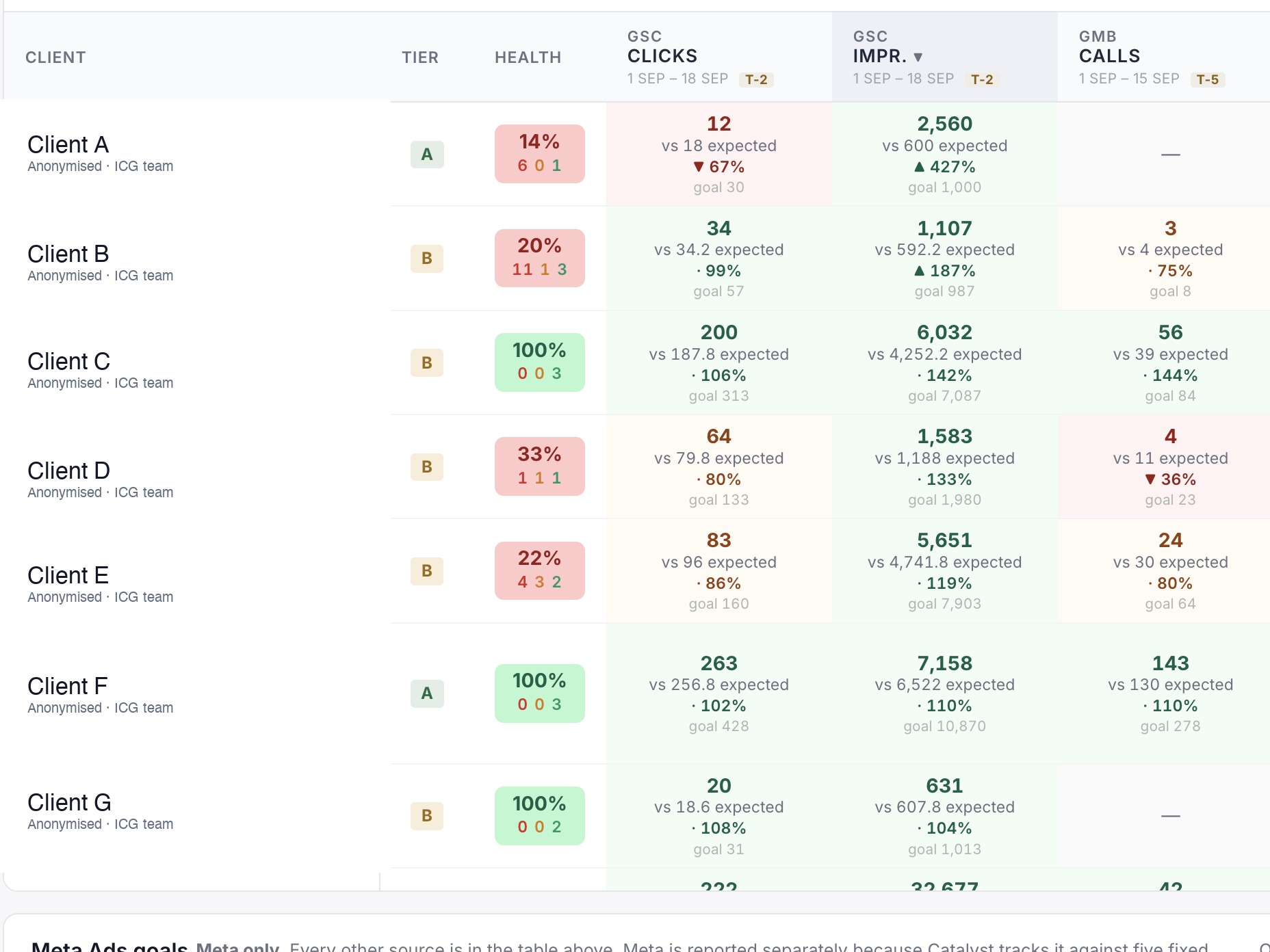
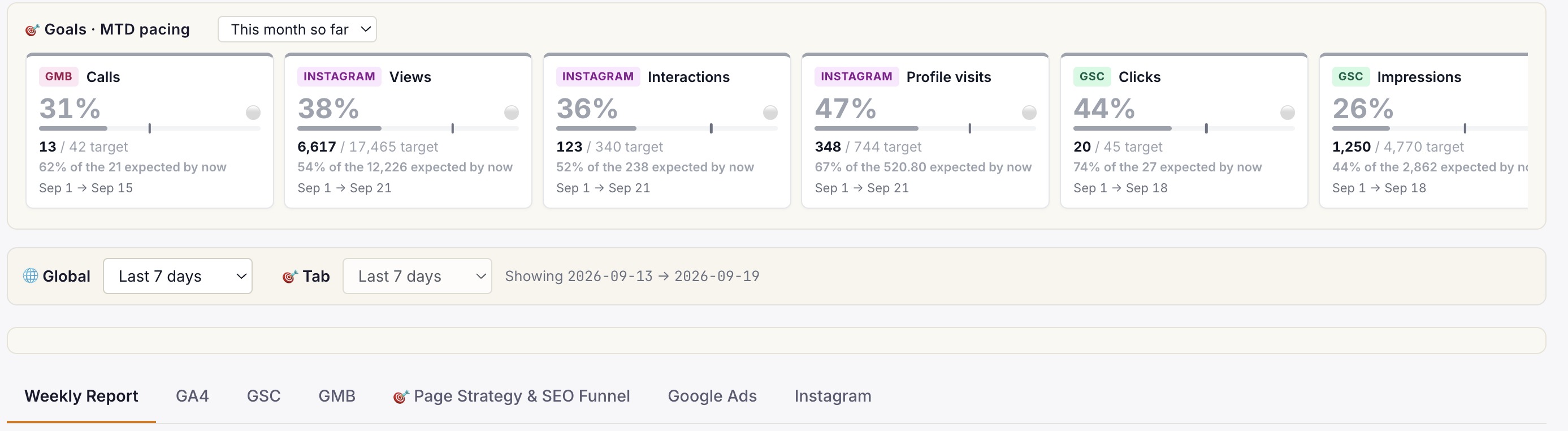
🎯 Ichelon Agency OS See your goals live · client-facing dashboard, updated in real time. Click any screenshot to zoom. Open the full engagement model →
Trusted by US practices · case studies → 8 live practices · TX · CA · VA · nationwide telehealth
Dr. Rajan Kohli
Owner, Lakewood Primary Care & Wellness · North Dallas, TX
Client video · Practice website build
“They were able to get all my ideas and work with me over a period of three to four months and create this amazing website. It's super customized, very modern, and it incorporates all the elements that I had wanted — the patient portal, nice pictures, a very interactive website, patient reviews. I would highly recommend their company to anyone who wants to make an excellent website.”
Dr. Rajan Kohli Owner, Lakewood Primary Care & Wellness · North Dallas, TX
Regulator map

Which boards actually regulate California advertising

California takes a broader view than most states of who counts as a "healer" for the purposes of advertising regulation. Business & Professions Code Section 651 does not sit under one board — it sits under the umbrella of the California Department of Consumer Affairs and applies to every licensee of every healing-arts board. A physician under the Medical Board of California, a dentist under the Dental Board of California, an optometrist under the California State Board of Optometry, a chiropractor under the Board of Chiropractic Examiners, a psychologist under the California Board of Psychology, a physical therapist under the Physical Therapy Board of California — all sit under Section 651 in addition to their own board's specific rules.

The Medical Board of California enforces the physician-specific overlay. Its focus areas are specialty designation, delegation to non-physicians, telemedicine advertising, and the interaction between the MBC rule set and the corporate practice of medicine doctrine. The Dental Board of California enforces the dentist-specific overlay and shares an ADA-alignment standard for specialty claims with most other US states.

The federal baseline still applies to every California practice: HIPAA for Protected Health Information, the FTC Act for truthful advertising, TCPA for outbound calls and SMS, CAN-SPAM for commercial email, and ADA / Section 508 for website accessibility. California layers three things on top that materially change the risk profile.

  • Parallel civil exposure under the Unfair Competition Law (B&P 17200). A Section 651 violation is often also a UCL violation, and a UCL action can be brought by a private plaintiff, a public prosecutor or the Attorney General. The remedy set includes injunction, restitution, and civil penalties.
  • Stricter testimonial and endorsement disclosure than the FTC. California's disclosure standard for atypical results and paid endorsement predates the FTC's 2023 revisions and remains, in practical effect, stricter.
  • Consumer Privacy Rights Act (CPRA) overlay on marketing data. California's privacy regime interacts with health-related advertising data in ways federal HIPAA does not. Non-PHI health-adjacent data (interest signals, condition-page visits without an authenticated identifier) still triggers CPRA obligations if the visitor is a California resident.

Complaint-driven enforcement is the operating model, as in most states. The board does not pre-approve advertising. Complaints are docketed, investigated, and — where appropriate — resolved with a citation, a formal accusation, or a settlement stipulation. Every disciplinary outcome becomes part of the licensee's public record on the Department of Consumer Affairs website.

Citation: California B&P Code Section 651; California B&P Code Section 17200; MBC Enforcement Program; Dental Board of California advertising standard.

The core statute

Business & Professions Code Section 651, section by section

Section 651 is unusual among state healthcare advertising statutes in that it enumerates specific prohibited practices rather than leaving the rule at a general "false and misleading" prohibition. Every marketing decision for a California-licensed practice should be checked against the enumerated categories.

Section 651(b) — the prohibited practices list

  • Misrepresentation of any material fact. Credentials, board certifications, hospital affiliations, procedure counts, outcome rates — anything that would influence a reasonable consumer's decision must be accurate on the day the ad is served.
  • Use of testimonials and endorsements without disclosure. A testimonial that portrays an atypical result triggers a "results not typical" disclosure obligation, and a paid endorsement triggers a compensation disclosure obligation. Both must be clear and conspicuous.
  • Guarantees of professional service. A guarantee of a specific outcome is per se prohibited. The prohibition is broad — it captures cosmetic outcome guarantees, fertility outcome guarantees, weight-loss guarantees, and pain-relief guarantees.
  • Communications intended or likely to create false or unjustified expectations. This is the omnibus provision that catches implied claims — imagery, contextual framing, and juxtaposition that suggest something the ad does not explicitly state.
  • Unsubstantiated claims of superiority. Words like "best", "leading" and "most experienced" applied to a California-licensed practice require documentary substantiation. In practice, substantiation is difficult to produce because comparison sets are hard to define.
  • Failure to disclose material terms of an offer. A price advertised without the qualifying conditions, a promotion advertised without the expiry, an offer advertised without the availability window — all fail.

Section 651(h) — remedies and penalties

Section 651(h) authorises administrative discipline by the appropriate California board and civil penalties enforceable by public prosecutors. Civil penalties may reach up to USD 10,000 per violation, and each publication or transmission of a false or misleading communication may be treated as a separate violation. The Attorney General may bring a civil action under Section 651(i), and Section 17200 remedies (restitution, injunction, additional civil penalties) may run in parallel.

Common California enforcement pattern. A cosmetic practice runs a paid social campaign with before-and-after imagery, patient testimonials, and a "guaranteed lifetime results" tagline. A single competitor complaint triggers MBC review; the board issues a citation; parallel UCL exposure sits unresolved for months. Each element — the guarantee, the missing disclosure, the unsubstantiated comparative — was independently curable at the pre-publication review stage.
Delta vs federal

What's different from the federal HIPAA / FTC baseline

The mental model for a California practice is that federal rules set a national floor, and California layers on a stricter state ceiling. Four specific deltas are worth internalising.

  • Testimonial disclosure standard. Federal FTC endorsement rules (16 CFR Part 255) require clear disclosure of material connections and typical-vs-atypical distinctions. California's Section 651 disclosure standard is functionally equivalent and, in enforcement, tends to be applied more strictly at the local level.
  • Unfair Competition Law overlay. The federal FTC Act does not create a private right of action. California's UCL does. That means a California healthcare advertising claim can be litigated by a private plaintiff — a competitor, a former patient, a class of consumers — in a way that the federal FTC Act cannot.
  • Consumer privacy overlay. California's CPRA has data-minimisation, transparency, and opt-out obligations that attach to health-adjacent marketing data even when the data is not PHI under HIPAA. A California resident's interest signal on a condition page, captured for retargeting, may be subject to CPRA even if it is outside HIPAA.
  • Corporate practice of medicine. California's CPOM doctrine is strong. Non-physician-owned entities may not employ physicians directly and must operate through the MSO / professional entity structure. Advertising that blurs the line — "our doctors" spoken by an MSO, "we treat patients" spoken by a management entity — draws board attention.

A California-specific review therefore checks four things federal review does not: does the ad meet the Section 651 disclosure standard, does it survive a UCL fair-competition test, does the data collection behind it meet CPRA, and does the entity structure permit the entity in the ad to make the claim it is making.

Cross-reference: 45 CFR 164.501; 16 CFR Part 255; California B&P 651, 17200; California Civil Code 1798.100 et seq. (CCPA/CPRA).
Testimonials

California-specific patient testimonial rules

Testimonials are where California advertising rules bite hardest, because Section 651 explicitly addresses the practice and because the underlying content interacts with HIPAA on the privacy side and FTC on the endorsement side. A California-compliant testimonial pipeline has five components.

  • Genuine. The person quoted must actually have said the words attributed to them and must actually be an existing or former patient of the practice. Composite testimonials — synthesising quotes from multiple patients into a single fictional testimonial — are per se prohibited.
  • Substantiated. The outcome described in the testimonial must be one the practice can substantiate: patient records, dated photos, and a substantiation row referencing the underlying clinical documentation.
  • Disclosed for typicality. If the outcome shown is atypical, a clear-and-conspicuous "results not typical" disclosure must appear on the same face of the ad, in the same medium, at a font and contrast that a reasonable consumer would perceive.
  • Disclosed for compensation. Any material connection between the endorser and the practice must be disclosed. That includes cash payment, free or discounted treatment, staff or referring-provider status, and family relationships.
  • Authorised under HIPAA. A signed HIPAA marketing authorisation under 45 CFR 164.508 must be on file, covering the specific quote, the specific image, and the specific media in which the testimonial will appear. The authorisation must be revocable and the revocation process must be tested.
California-safe testimonial anatomy. Genuine patient with signed authorisation on file · dated substantiation for the underlying clinical outcome · "individual results vary" or "results not typical" disclosure in the same visual field · material-connection disclosure if any · retained for six years alongside the ad file.

Google reviews, Yelp reviews, and other public platforms

Public reviews sit under the same California rule the moment the practice engages with them. A response that acknowledges the reviewer is a patient, references a procedure, or discusses an outcome is (a) a HIPAA disclosure and (b) advertising under Section 651. The sanctioned pattern is a thank-you response that does not confirm the treatment relationship and directs private concerns offline.

Aesthetic and medspa

Aesthetic, medspa and cosmetic surgery specifics

California's medspa segment is large and heavily scrutinised. Section 651 applies fully to aesthetic advertising, and the Medical Board has focused enforcement attention on delegation, physician direction, and unlicensed practice-of-medicine issues that surface most often in aesthetic settings.

Physician direction and delegation

A California medspa performing procedures within the practice of medicine — injectables, laser treatments beyond permitted delegable procedures, energy-based devices in prescription categories — must be under the direction of a physician. Advertising that omits or obscures the physician's role, or that suggests the medspa itself is the licensee, invites board investigation. The safer construction names the physician medical director where relevant and describes delegate roles accurately.

Before-and-after imagery

Before-and-after photography in California should be unretouched other than for lighting normalisation, should depict the practice's own patient, should carry a "results not typical" disclosure where the shown outcome is atypical, and should be supported by a signed HIPAA authorisation referencing the specific image and the specific media. Stock imagery passed off as patient outcomes is a recurring source of California disciplinary actions.

Ownership structure and MSO branding

Non-physician-owned medspa brands operating through management service organisations must be careful that advertising describes the professional entity providing care, not just the MSO brand. Multi-location brands frequently trip on this by advertising under a marketing name that does not correspond to the professional entity registered with the state.

Recurring aesthetic violation pattern in California. Non-physician-owned medspa advertises injectables under a brand that does not name a physician, alongside stock before-and-after imagery and a "signature guarantee" tagline. Three independent Section 651 findings in a single ad.
Dental Board

Dental advertising under the Dental Board of California

The Dental Board of California enforces its own advertising standard alongside Section 651. Specialty designation is the highest-friction area: a California dentist may advertise as a specialist only in an ADA-recognised specialty, and the board's enforcement pattern on "cosmetic dentistry specialist" and similar formulations is well documented.

Fee advertising is permitted with clear disclosure of qualifying conditions on the same face of the ad. Bait-and-switch — the advertised fee that becomes something else on arrival — is treated seriously. Dental testimonials sit under the same truthfulness-and-disclosure discipline as physician testimonials, and the same HIPAA authorisation and material-connection disclosure standards apply.

Corporate structure in California dentistry runs through Dental Professional Corporations, and DSOs (dental service organisations) manage practices under professional services agreements. Advertising must correctly identify the professional entity providing dental care rather than the DSO brand.

Citation: California B&P Code Chapter 4 (Dentistry); Dental Board of California advertising standard; ADA Council on Dental Education and Licensure specialties.
Primary care and multi-specialty

Primary care, GP and multi-specialty groups

California primary care and multi-specialty groups usually run cleaner from an advertising-rule perspective than aesthetic practices, but the exposure clusters into three predictable areas.

  • Provider directory accuracy. Every physician profile page on the practice site should match the current Medical Board of California licence, active ABMS or equivalent certifications, and scope of practice on the day the page is served. Directory pages age quickly and are the largest source of stale-credential findings.
  • Service-line claims. A service line advertised as available at a specific California location must actually be available at that location, with the personnel, the equipment, and the licensure on site. Capacity claims that outrun operational reality are misleading omissions.
  • Enterprise brand claims. Multi-location brands running "the trusted choice of California families" or "serving California since 19XX" claims need substantiation for each element. A running substantiation register is the practical control.

The internal routine that keeps a multi-specialty group inside Section 651 is a monthly reconciliation between the credentialing office, the marketing team, and the compliance officer. The reconciliation confirms directory accuracy, service-line staffing, and the currency of every substantiated claim.

Operating model

What a California-licensed practice should build in-house

Section 651 checklist

A named pre-publication reviewer walks every campaign through the Section 651(b) prohibited-practices list — misrepresentation, testimonials, guarantees, unjustified expectations, superiority, material-term omissions.

Testimonial dossier

Signed HIPAA marketing authorisations filed with the specific quote, image and media. Substantiation for the underlying clinical outcome. Typicality and material-connection disclosures locked to the visual asset.

CPRA compliance overlay

Data-minimisation, transparency, and opt-out obligations for California residents on marketing-attribution data. Consent Mode signalling downstream to every ad and analytics vendor.

UCL risk register

Track any claim that could attract a private-plaintiff UCL action separately from board-facing risks. Competitive superiority claims, offer-terms omissions and comparative pricing sit high on this register.

Delegate scope roster

For aesthetic and medspa practices, a roster of which delegate performs which procedure, cross-referenced to the physician direction and scope. Advertising is matched to the roster; the roster is audited quarterly.

Retention and archive

Six-year retention on advertising materials, substantiation files, marketing authorisations, and consent signals. Retrievable in under 48 hours if MBC, DBC or a UCL plaintiff serves a request.

Compliance stack

Where California rules sit in the wider compliance stack

Every California-licensed practice clears an overlapping set of rules on every campaign — HIPAA, TCPA, CAN-SPAM, FTC endorsement rules, ADA accessibility, platform policies, plus the California-specific Section 651 and CPRA overlays. Any one of them can carry a campaign into an investigation on its own.

B&P 651 B&P 17200 UCL CPRA HIPAA TCPA CAN-SPAM FTC endorsements ADA WCAG 2.2 AA Platform policies
Marketing guidance, not legal advice. The material on this page reflects Ichelon Consulting US's operating standard for California-licensed healthcare marketing engagements. It does not constitute legal advice. Consult a healthcare-marketing attorney licensed in California and confirm any specific claim with the Medical Board of California or the Dental Board of California before publication.
FAQ

California Medical Board advertising — common questions

What does California B&P Code Section 651 actually prohibit?

Section 651 prohibits false, fraudulent, misleading or deceptive advertising by licensed California healers. It enumerates specific prohibited practices — misrepresenting credentials, using unsubstantiated superlatives, guaranteeing outcomes, and failing to disclose material terms of an offer.

Does California require a disclaimer on patient testimonials?

Yes, in practical effect. Section 651(b)(2) treats an advertisement as misleading if it uses a testimonial that suggests atypical results without a clear-and-conspicuous disclosure that the results are not typical, or when compensation is not disclosed.

Can a California physician advertise as a specialist?

A California physician may advertise as a specialist only in a specialty recognised by ABMS, the American Osteopathic Association Bureau of Osteopathic Specialists, or a board meeting the equivalency standard. Practice-focus language is permitted; the word "specialist" is regulated.

How does the Medical Board of California enforce advertising rules?

The MBC enforces primarily through complaint-driven investigations, with the Attorney General prosecuting formal accusations. Sanctions range from a citation and fine to licence probation, suspension, and revocation. Section 651 violations may also expose the practice to a UCL civil action.

Are there separate California rules for medspa and aesthetic advertising?

Yes. Medspa advertising in California must be clear that a physician is the responsible provider, and non-physician delegates may be advertised only as performing services within their scope. Ownership structure and medical direction must be represented accurately.

What is the difference between MBC review and a Board citation?

A citation is a formal administrative action against a licensee, published on the Board's public website and part of the licensee's permanent record. An MBC investigation may resolve without a citation if corrective action is prompt and documented.

Is this legal advice for our California practice?

No. This is marketing guidance reviewed against current Medical Board of California and Dental Board of California rules. Consult a healthcare-marketing attorney licensed in California and confirm any specific claim with the relevant board before publication.

Scope a California-specific marketing compliance review

Book a 30-minute call with the ICG Global leadership, email the US practice lead, or WhatsApp us in Pacific Time. Retainers are custom-scoped per engagement · from USD ~$250/month equivalent (approx Rs 20,000).

Chat with Sr. Leadership
🎯 Goals-Driven engagements · Performance-Linked Payout Models
Chat with Sr. Leadership