


Dental Clinic Marketing Guide India 2026: Channels, CPQL and the DCI Code
Dental clinic marketing in India, in brief: five sub-categories, the channels that suit each, CPQL benchmarks, and compliance. Dentists follow the Dental Council of India's code; the NMC's October 2026 guidelines reach hospital dental departments.
No pitch. Written root-cause diagnosis. AI-powered, healthcare only.
Direct answer
Dental clinic marketing in India, in brief: five sub-categories, the channels that suit each, CPQL benchmarks, and compliance. Dentists follow the Dental Council of India's code; the NMC's October 2026 guidelines reach hospital dental departments.
TL;DR
This is a short overview of how dental clinics in India market themselves in 2026: the five sub-categories, the channels that suit each, cost-per-lead benchmarks, and the compliance frame. One point to settle first: dentists are regulated by the Dental Council of India (DCI) under its code of ethics for dentists, not by the National Medical Commission Act. For the full compliance picture, including where the NMC's October 2026 advertising guidelines still reach dental care, read our main guide to dental clinic advertising under the DCI code and the NMC guidelines.
Updated 8 October 2026 to the National Medical Commission's Guidelines on Ethical Advertising and Public Communication by Hospitals/Medical Institutions and Registered Medical Practitioners (public notice No. R-13014/01/2024-Ethics, dated 6 October 2026, in force immediately). Paragraph numbers in this article refer to those guidelines. General information, not legal advice.
The five dental sub-categories and their funnels
A dental clinic is really several businesses under one roof. Each sub-category has its own decision cycle and its own best channel.
- Cosmetic (veneers, whitening, smile design): roughly a 14-30 day decision cycle, researched mostly on Instagram. This is the sub-category most exposed to compliance mistakes, because the instinct is to post smile "transformations".
- Clear aligners: roughly 30-60 days. Direct-to-consumer aligner brands have shaped awareness and price expectations, so clinics compete by explaining what in-clinic assessment and supervision involve.
- Implants: roughly 45-90 days, high treatment value and rarely covered by insurance. Patients read and watch a lot before they enquire.
- General and preventive: proximity-driven. Local search and Google Business Profile do most of the work, and medical practitioners refer complex cases.
- Paediatric: the parent decides. Proximity, school health-awareness programmes and clear information about the first visit matter most.
The compliance frame: DCI first, NMC principles alongside
The DCI's code of ethics for dentists restricts advertising and solicitation by dentists and governs how a dentist presents their qualifications. Describe each dentist by the qualification they actually hold (for example, an MDS in orthodontics) and do not imply specialisations the team does not have. We do not cite DCI clause numbers here; check the current DCI regulations and your State Dental Council before relying on a specific rule.
The NMC's guidelines of 6 October 2026 bind NMC-registered medical practitioners and hospitals or medical institutions, not dentists as such. They apply when a dental department sits inside a hospital (paras 8.3 and 9.1, with the Clinical Establishments Act or State Act under para 4.3) and to any NMC-registered doctor a clinic names. For everyone else they are a sound benchmark, and ICG applies their principles to dental work as a matter of practice:
- No patient testimonials or "patient speaks" videos as promotion (para 3.2, Explanation V; para 8.1(xi))
- No promotional before-and-after photos or success stories; consent does not make them acceptable (paras 8.1(v) and 6.2)
- No "best", "No.1", "painless" or "100% success" claims (paras 8.1(iii) and 8.1(ix))
- No discounts, free check-ups or other offers used as inducements; factual price information only (para 8.1(x))
- No bought reviews or engagement, and no identifiable patient data (paras 8.1(xii) and 7.4)
The DPDP Act 2023 applies to enquiry forms, WhatsApp chats and CRM data in every case.
Responding to direct-to-consumer aligners
Clinics do not need to attack aligner brands, and should not: comparative and superiority claims are exactly what the codes restrict. What works is education. Explain which bite and alignment problems usually need in-person assessment (extractions, significant rotations, bite correction), what supervised aligner treatment involves from first scan to retainer, and what questions a patient should ask before starting any aligner programme. A factual service page and a short video series cover this well.
CPQL benchmarks
From ICG's public CPQL benchmark dataset (cost per qualified lead = media spend ÷ attended first consultations):
| Category | ICG median CPQL | Market median CPQL |
|---|---|---|
| Dental (general) | ₹780 | ₹1,100 |
| Dental (cosmetic) | ₹710 | ₹1,200 |
The dataset does not split out aligners, implants or paediatric dentistry, so we do not quote figures for them.
Channel architecture
- Google Maps and local SEO: primary for general and preventive dentistry. Keep the Google Business Profile factual, post oral-health education weekly, and ask all patients for genuine feedback in the same neutral words, with no incentives and no selective asking. Our guide to Google reviews under the NMC guidelines explains the approach.
- Instagram education: primary for cosmetic dentistry. Procedure explainers, dentist-led education and clinic-process content instead of transformations.
- Google Ads: procedure-specific campaigns for implants and aligners, landing on factual service pages with "Learn more" rather than urgency-driven booking prompts.
- WhatsApp: the follow-up layer for enquiries across all sub-categories, with consent captured at the first message.
- YouTube: patient-education videos for implants and aligners, where the questions are longest. See YODA for how ICG plans these.
For the wider NMC framework behind these choices, see our complete guide to the NMC advertising guidelines 2026.
How ICG works within these guidelines
ICG is a healthcare marketing agency. Our clients are hospitals, clinics and medical institutions, which may publish factual, objective and verifiable information about themselves (paras 8.3 and 9.1). For individual doctors, ICG supports only genuinely educational content in the doctor's own name and designation (para 8.2(iii)). For doctors and their practices, we run patient-education-driven campaigns: awareness content that helps patients understand their condition and their options, published in the doctor's own name and designation (para 8.2(iii)) and kept free of the self-promotion that para 8.1(ii) bars.
The work is education-first and runs across six channels:
- Awareness content on YouTube. Doctor-led educational videos on public health and disease awareness, in the doctor's own name and designation, without promoting the employer organisation (para 8.2(iii)). See YODA and YouTube marketing for healthcare.
- Research articles and blogs that help patients understand their options: information shared in the normal course, not promotion (para 3.2, Explanation I). See healthcare content marketing, ICG research reports and healthcare SEO.
- Expert answers on Reddit and Quora from named, disclosed accounts. No anonymous or fake posts, no undisclosed commercial relationships and no manufactured engagement (paras 8.1(xi) and 8.1(xii)). See Reddit and Quora programmes.
- Awareness campaigns on Meta, run from the hospital's or clinic's own page, with no discounts, offers, free procedures or other inducements (paras 8.1(x) and 8.3). See Meta advertising for hospitals and clinics.
- NMC-compliant Google Ads landing pages: factual departments, services and facilities, with no "best", "No.1", "100% success", "painless" or "guaranteed" claims (paras 8.1(iii) and 8.1(ix)). See Google Ads for hospitals and clinics.
- "Learn More" instead of "Book Now" on patient-facing pages, so that a page informs rather than solicits (paras 8.1(ii) and 8.3(ii)).
All six rest on three kinds of content: scientific (evidence-based, checked by a qualified clinician), persona-based (written for the questions a specific patient group asks) and consumer-based (built from how people search, compare and decide). AI-assisted drafts go through human medical review, and AI-generated content that is published carries an AI source mark (para 7.2). We do not publish patient testimonials, before-and-after images or superiority claims, and we never buy, incentivise or gate reviews.
Free NMC compliance check. We review a hospital's or clinic's website, Google Business Profile and social channels against the October 2026 guidelines and send back a written list of fixes.
See what the check covers · Request the check · Book a 30-minute call
General information, not legal advice. Source: NMC public notice No. R-13014/01/2024-Ethics, 6 October 2026.
Book a free 30-minute Brand & Growth Diagnostic.
It's a working session, not a sales pitch — you leave with a written root-cause analysis you can act on, whether or not you engage ICG.
Questions readers ask
about this topic.
The three platforms
behind every ICG engagement.
Beacon
CAPI middleware that fixes Event Match Quality, translates CRM statuses to Meta-standard events, dedups across channels.
Agency OS
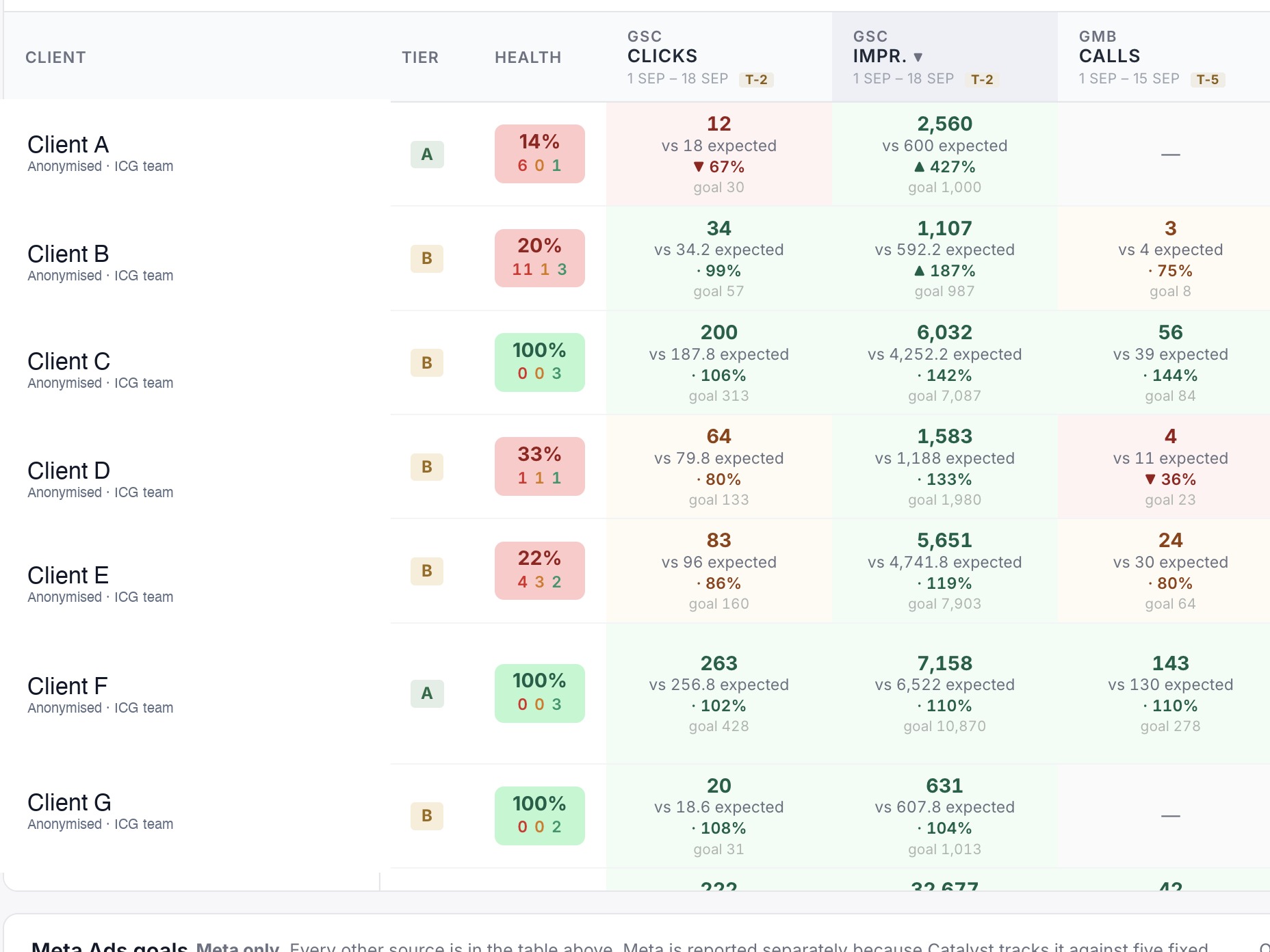
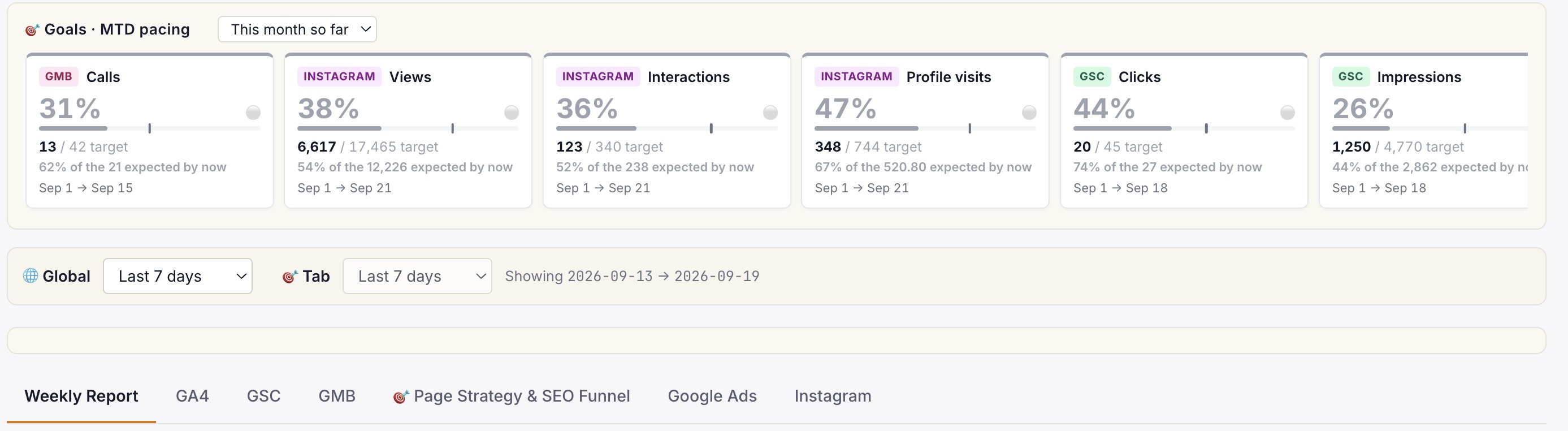
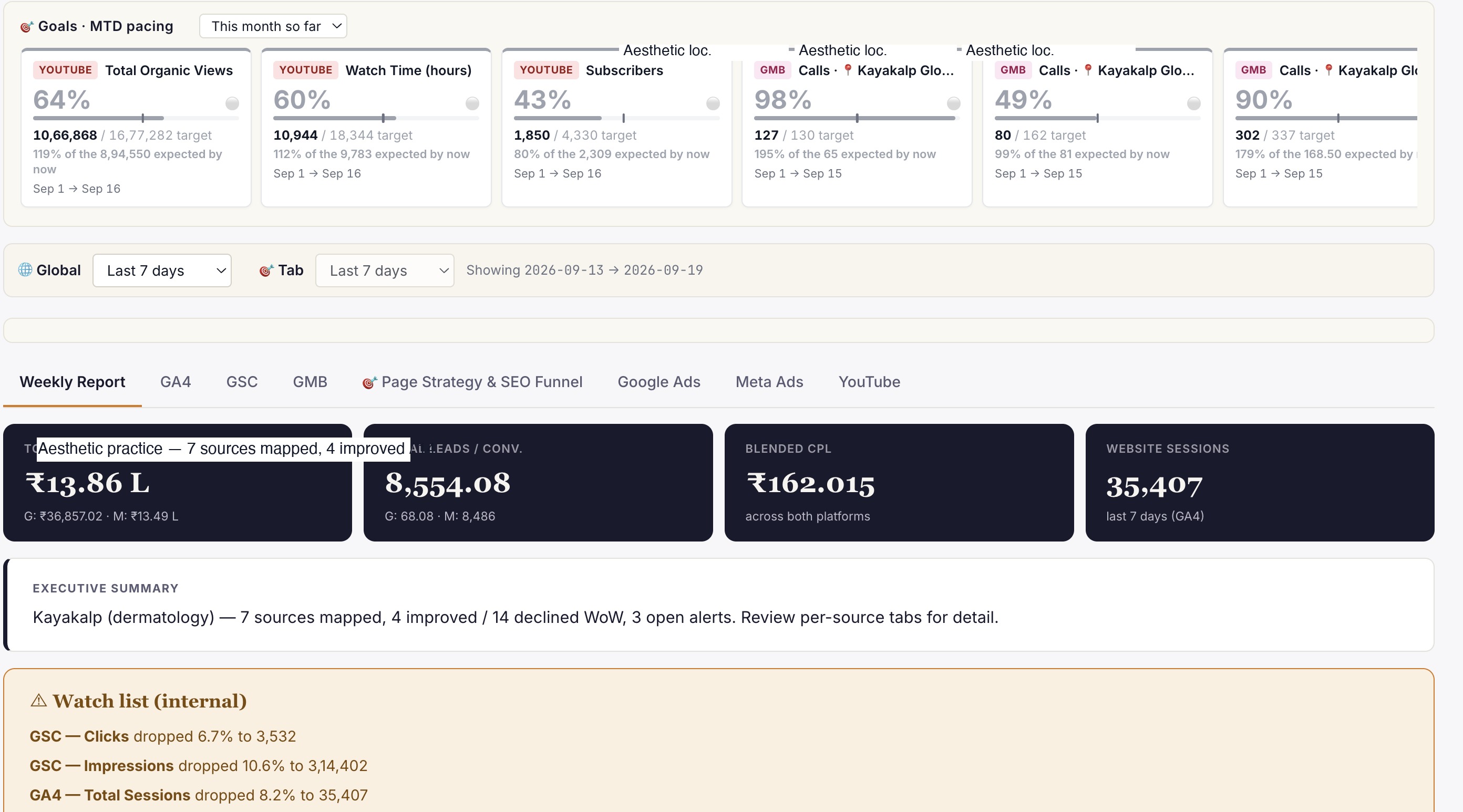
Live client dashboard. GSC, GA4, Google Ads, Meta Ads, IVR calls in one view. Login anytime, not monthly.
Phoenix
Clinic revenue intelligence over your PMS. Daily action queue: Prevent Loss, Maintain & Engage, Grow Revenue. Multi-centre rollout.
Or book a free 30-min audit to see all three in action on your account.
Healthcare brands
that already run on ICG.
A representative slice of the 150+ healthcare brands ICG has delivered for across India. Most engagements remain under NDA.


What ICG clients say · on video.
"Dental marketing in Delhi is brutally competitive. ICG's local SEO + Google Ads stack moved the needle steadily."
"Scale up of organic channels and business consulting. ICG has absolute domain authority in their field."
Need help operationalising this?
Every ICG service is healthcare-only, NMC + DPDP-aware, and built around the patient-research patterns that drive Indian healthcare growth in 2026.
Every practice welcome — packages from ₹20,000/mo.
Goals-Driven engagements · Performance-Linked Payout Models available
More from
ICG.
Five trends shaping Indian healthcare marketing through 2027: AI-first patient research, Conversions API adoption, ABDM discovery, the AEO w...
Healthcare AIO is the discipline of getting your clinic or hospital cited inside Google AI Overviews, ChatGPT and Perplexity answers — not j...
Conversational-search advertising places brand messages inside AI chat answers — ChatGPT, Perplexity, Copilot — rather than beside a results...
Stop guessing.
Book a Diagnostic.
30 minutes. Free. With the AI-powered healthcare-only marketing agency 150+ brands already run on. No slides, no pitch, no hard close.


