


How IVF clinics build gynaecologist referral networks with digital tools
IVF clinics build gynaecologist referral networks by being genuinely useful to referring doctors: clinical education, quick case feedback, easy referral channels and respectful relationship management. Digital tools make this scalable. Commissions and fee-splitting are not part of it; they breach medical ethics rules. This playbook shows the tools, content and measures that work.
No pitch. Written root-cause diagnosis. AI-powered, healthcare only.
Direct answer
IVF clinics build gynaecologist referral networks by being genuinely useful to referring doctors: clinical education, quick case feedback, easy referral channels and respectful relationship management. Digital tools make this scalable. Commissions and fee-splitting are not part o...
TL;DR
IVF clinics build gynaecologist referral networks by being consistently useful to the doctors who refer: sharing clinical education, sending fast feedback on referred cases, making referral simple, and staying in touch without pressure. Digital tools turn that from a few personal relationships into a system the whole clinic can run. What does not belong in it is money for referrals. Commissions and fee-splitting breach the professional conduct rules for doctors, and they damage trust once discovered.
This guide is for IVF clinic owners, fertility chain business heads and the medical teams that manage referring doctors. It covers who to reach, what to send them, which tools help, and how to measure the network.
Why do gynaecologist referrals matter so much for IVF clinics?
Many couples see a gynaecologist long before they consider IVF. That doctor often shapes which centre they trust. A strong referral network gives an IVF clinic a steady flow of well-prepared patients, lowers dependence on paid ads, and improves the quality of first consultations because the history arrives with the patient.
Digital channels and referrals are not rivals. Couples referred by a gynaecologist still search the clinic online, read its pages and check its Google Business Profile before they call. A referral network works best when the clinic's digital presence confirms what the referring doctor said.
Who belongs in the network
- Obstetricians and gynaecologists in private practice.
- Gynaecologists in nursing homes and small hospitals without an ART unit.
- Urologists and andrologists, for male-factor cases.
- Endocrinologists and general physicians who see related conditions.
- Radiologists and diagnostic labs that run fertility work-ups.
Map these doctors by catchment before you contact anyone. Start with the areas your current patients already come from, then add the towns and suburbs where couples travel the furthest to reach you. A short, well-kept list of doctors you genuinely serve beats a long database you never call. Note each doctor's language, OPD timings and preferred contact method, because those details decide whether your outreach is welcome or ignored.
What do the rules say about referral relationships?
Referral relationships must be built on clinical value, not payment. The 2002 professional conduct Regulations prohibit doctors from giving or receiving commissions or rebates for referrals, and the National Medical Commission's October 2026 advertising guidelines add limits on promotion and inducements. Treat any per-referral payment as off-limits.
That does not stop an IVF clinic from investing in the relationship. It shapes how you invest. This is a high-level summary as of October 2026; confirm specifics with your counsel.
| Activity | Generally acceptable | Avoid |
|---|---|---|
| Education | Scientific CMEs, case discussions, clinical updates | "Educational" events that are really hospitality rewards |
| Communication | Case updates with patient consent, protocol notes | Sharing patient data without consent |
| Recognition | Acknowledging the referring doctor in the case summary | Gifts, cash, vouchers or "referral bonuses" |
| Joint work | Shared care plans, co-authored educational content | Fee-splitting or consultation-fee sharing |
| Marketing to patients | Factual clinic information | Ads that use a referring doctor's name as endorsement |
If you are unsure whether your current materials pass, ICG's NMC compliance audit reviews your website and social handles.
How do you advertise to doctors without breaking trust?
You advertise to doctors by giving them something clinically useful. Gynaecologists respond to protocol updates, case discussions, data from the literature and quick access to a specialist. They ignore brochures that read like patient ads. Every piece should be scientific in tone, named, and easy to use in a busy OPD.
Channels that reach referring doctors
- LinkedIn: short clinical notes and CME announcements from your named specialists.
- WhatsApp: an opt-in broadcast for clinical updates, with clear unsubscribe and no patient details.
- Email: a monthly clinical digest with one case learning and one protocol note.
- Small CMEs: city-level evening sessions, in person or hybrid, with recordings for those who miss them.
- A doctors' section on your website: referral forms, protocols and contact routes for each specialist.
Keep doctor-facing and patient-facing messages separate. A referral update that leaks into a public reel can read as promotion and confuse patients.
Which digital tools make a referral network work?
Four tools do most of the work: a CRM that tracks referring doctors and referred patients, a simple online referral form, a consented messaging channel, and a reporting view. Together they make sure no referred patient goes unanswered and no referring doctor waits for feedback.
| Tool | What it does for the network | Set-up notes |
|---|---|---|
| CRM with referral source field | Links each enquiry to the referring doctor | Make the field mandatory at first contact |
| Online referral form | Lets a doctor refer in under a minute from a phone | Minimal fields; consent captured from the patient |
| Messaging channel | Fast acknowledgement and case updates | Opt-in only; neutral, consent-based content |
| Reporting dashboard | Shows referrals, bookings and feedback sent per doctor | Review monthly with the medical team |
| Content library | Shares CME recordings and protocol notes | Gated to registered doctors |
ICG's own AtomCRM is one option for clinics that want referral tracking and telecaller workflows in one place; any healthcare CRM with source tracking can do the job if it is configured well. For the messaging layer, see our WhatsApp marketing service.
The tools only work if one person owns them. Appoint a referral desk lead who checks the CRM daily, chases any referred couple not yet contacted, and makes sure the treating specialist sends feedback. Without that owner, even good software becomes a list nobody reads. Patient data in the CRM also falls under the DPDP Act, 2023, so limit access by role and record consent for every update you send to a referring doctor.
What should you send referring gynaecologists each month?
Send each referring gynaecologist a small, predictable set of useful material every month: one clinical update, one case learning, one invitation and personal feedback on their own referrals. Predictability matters more than volume. Doctors stop reading clinics that flood their phones and start trusting clinics that send one good note at the right time.
Build the calendar with your medical team, not your design team. The test for every piece is simple: would a busy gynaecologist forward it to a colleague because it helped them? If not, cut it.
| Week | Item | Channel | Owner |
|---|---|---|---|
| Week one | Protocol or guideline update in plain clinical language | Email digest and LinkedIn | Senior fertility specialist |
| Week two | De-identified case learning with a decision point | Opt-in WhatsApp broadcast | Clinical team |
| Week three | Invitation to a CME or case-discussion evening | Personal message from the relationship manager | Referral desk |
| Week four | Feedback summary on that doctor's referred couples, with consent | Direct message or call | Treating specialist |
Small touches that build trust
- A direct number for each specialist, answered or returned the same day.
- A printable referral note the gynaecologist can hand to the couple.
- Regional-language patient leaflets the doctor can share, written as education.
- A named relationship manager who knows the doctor's practice and preferences.
None of these involve gifts or payment. They work because they save the referring doctor time and make them look good to their own patients.
How do you increase the number of patients through referrals?
Referral volume grows when doctors find it easy and rewarding, in a professional sense, to send patients. That means a fast response to every referred couple, a clear update back to the referring doctor, and visible respect for the doctor's continuing role. Speed and feedback matter more than any event or brochure.
The referral loop
- Doctor refers through the form, a call or a message.
- Clinic contacts the couple within the same working day.
- Clinic confirms to the doctor that contact was made.
- After the first consultation, the doctor receives a short summary, with the patient's consent.
- At key decision points, the doctor gets an update and remains part of shared care.
Clinics that close this loop reliably tend to see referrals deepen with existing doctors before they need to recruit new ones. Track it, because the loop breaks quietly when a front-desk team changes.
Referrals also benefit from patient-side visibility. When a referred couple searches the clinic and finds clear, doctor-led content, the referral is confirmed. That is why referral work and SEO belong in the same plan. Our guide to IVF clinic marketing after the NMC 2026 guidelines covers the patient-facing side.
How do you promote an IVF clinic online alongside referrals?
Promote the clinic online with factual, educational content that patients find when they search, plus a well-kept Google Business Profile and careful paid search. This online layer supports referrals: it reassures referred couples and brings direct enquiries from people who have no gynaecologist yet.
- Keep the Google Business Profile accurate: services, hours, languages, photos of the team and lab.
- Publish doctor-signed explainers on the questions referred couples ask.
- Run search ads with factual copy for clinic-choice and location searches.
- Create Hindi or regional-language pages where your referral catchment needs them.
- Structure answers so Google AI Overviews and ChatGPT can quote them.
In tier-2 and tier-3 cities, the balance shifts further toward referrals, because many couples travel from smaller towns on a doctor's advice. Our answer on IVF marketing in tier-2 and tier-3 cities covers this in detail.
How do you measure a gynaecologist referral network?
Measure the network on activity, conversion and feedback quality, not only on headline referral counts. Look at how many doctors referred at least once, how quickly referred couples were contacted, how many booked a first consultation, and how reliably the doctor received an update. Review it monthly with the medical team.
| Metric | Definition | Why it matters |
|---|---|---|
| Active referring doctors | Doctors who referred at least once in the period | Shows network breadth |
| Time to first contact | Hours from referral to first call with the couple | Slow contact loses referred patients |
| Referral-to-consultation rate | Share of referred couples who attend a first visit | Shows process quality |
| Feedback sent | Share of referrals where the doctor got an update | Drives repeat referrals |
| Dormant doctors | Past referrers with no referral recently | Prompts a personal check-in |
Do not rank or reward doctors on volume. That slides toward inducement. Use the data to fix process gaps and to plan education.
The CRM data also shows where to invest time. A doctor who refers regularly but never receives feedback is at risk. A doctor in a new catchment who referred once deserves a personal visit from a specialist. A cluster of referrals from one town may justify a satellite consultation day there. Let the numbers guide the conversation, and keep every decision clinical and professional.
How can ICG help build the network?
ICG has worked only in healthcare since 2018, across 150+ healthcare and life-sciences brands. For IVF clinics we set up referral tracking, doctor-facing content, consented messaging and patient-facing SEO and ads as one system, on custom-scoped retainers from ₹20,000/month.
See our IVF marketing agency services to understand how we work, or ask for an audit to see where your referral and digital funnel is leaking.
Book a free IVF clinic growth diagnostic.
Raman Soni walks through your current channel mix, CPQL vs cost-per-cycle, and where the 90-day patient journey is leaking.
Questions readers ask
about this topic.
The three platforms
behind every ICG engagement.
Beacon
CAPI middleware that fixes Event Match Quality, translates CRM statuses to Meta-standard events, dedups across channels.
Agency OS
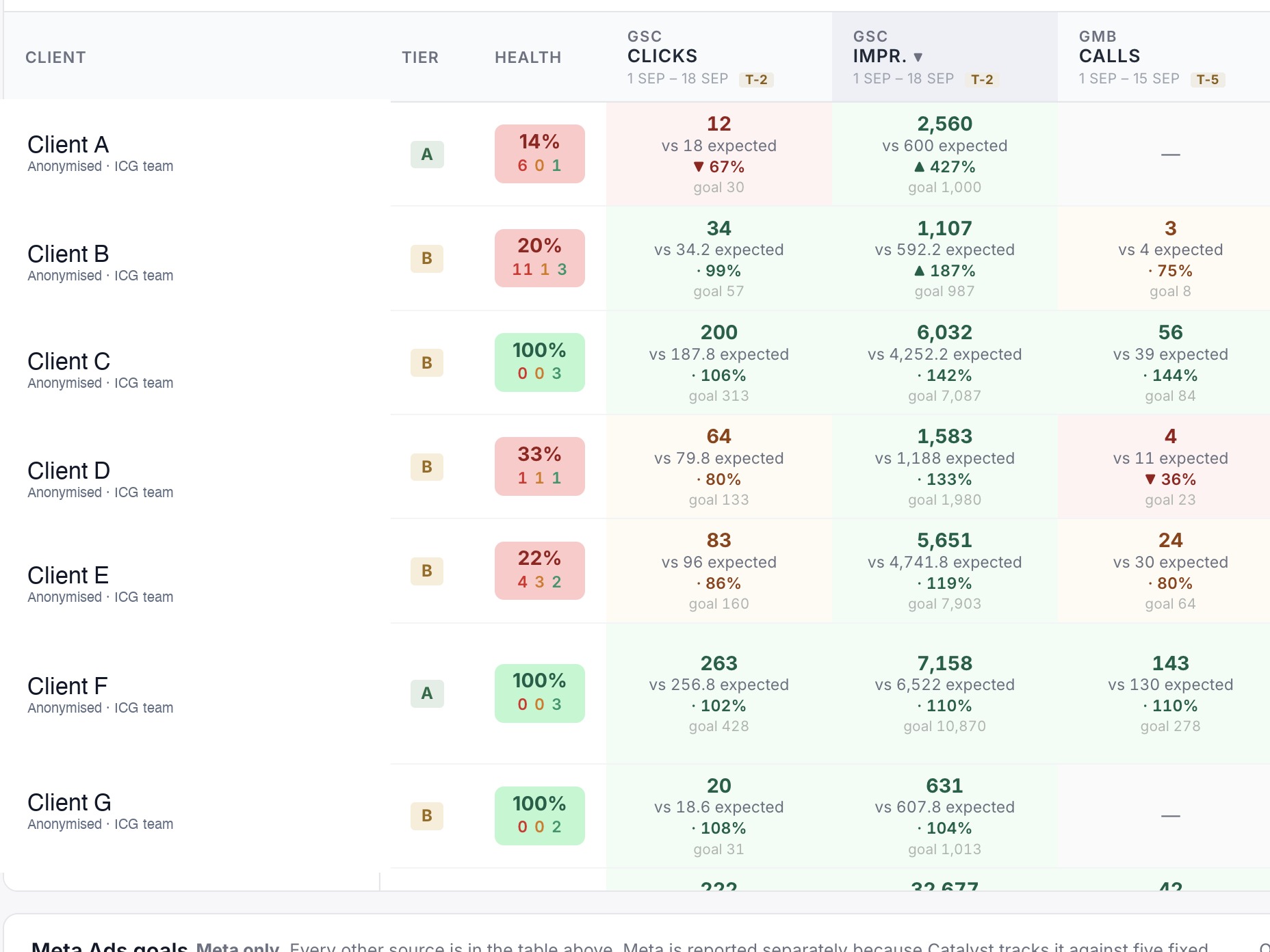
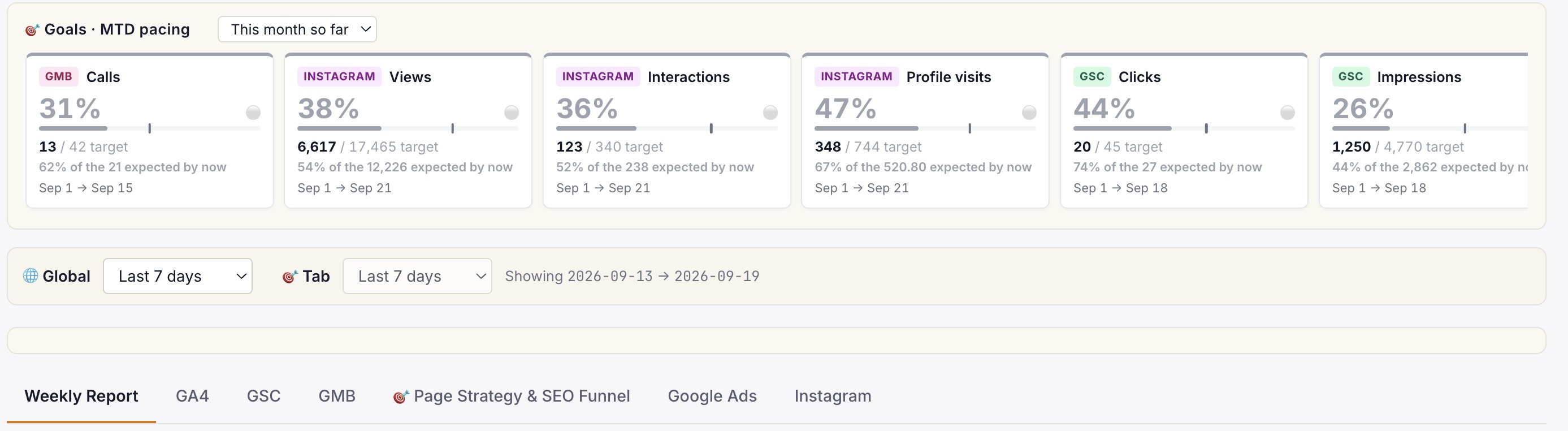
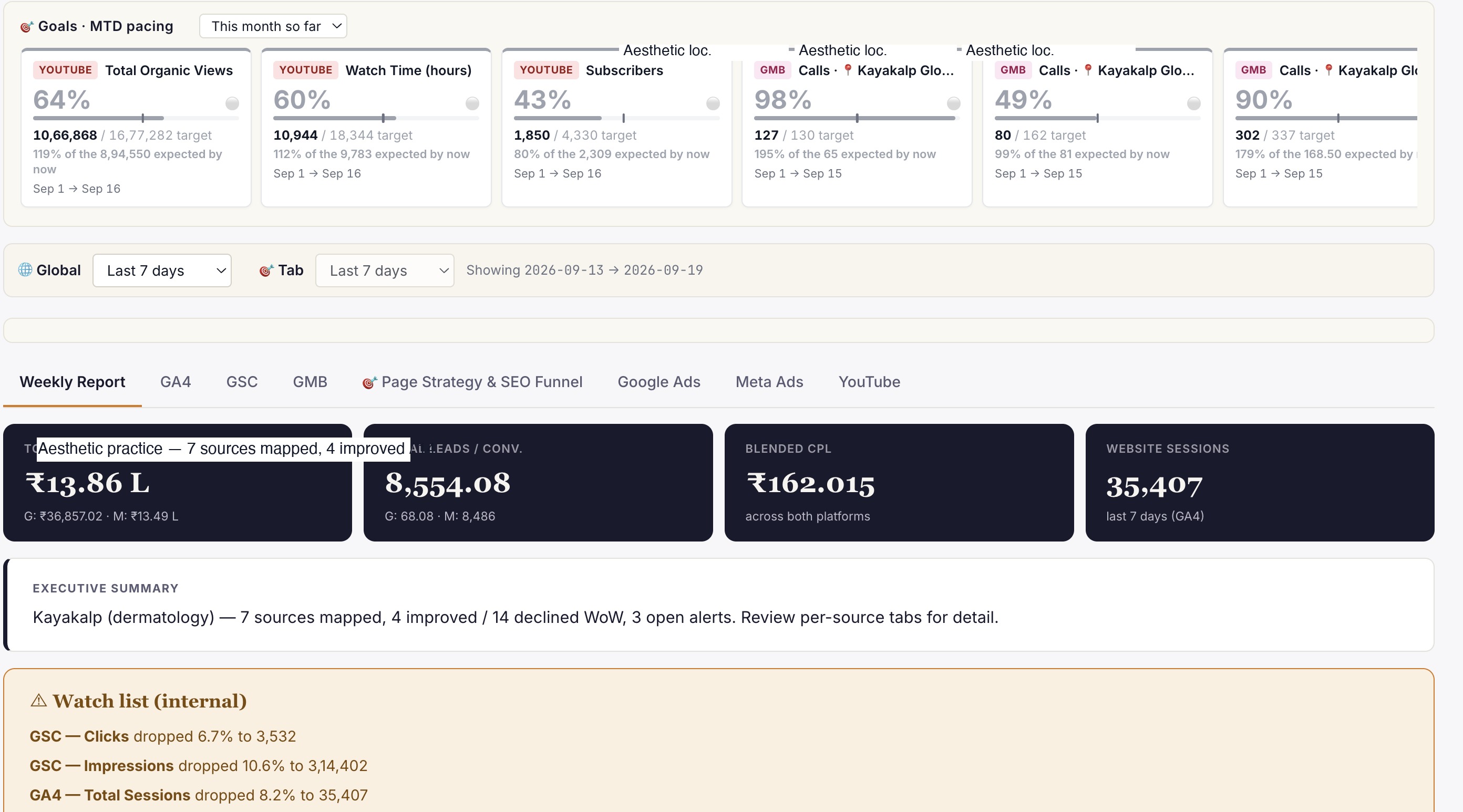
Live client dashboard. GSC, GA4, Google Ads, Meta Ads, IVR calls in one view. Login anytime, not monthly.
Phoenix
Clinic revenue intelligence over your PMS. Daily action queue: Prevent Loss, Maintain & Engage, Grow Revenue. Multi-centre rollout.
Or book a free 30-min audit to see all three in action on your account.
Healthcare brands
that already run on ICG.
A representative slice of the 150+ healthcare brands ICG has delivered for across India. Most engagements remain under NDA.


What ICG clients say · on video.
"Working with ICG transformed how we acquire IVF patients in Gurgaon. They understand the fertility journey from inquiry to consult..."
"ICG built our IVF marketing system from the ground up. The team understands healthcare specifics, not just generic digital marketi..."
Need help operationalising this?
Every ICG service is healthcare-only, NMC + DPDP-aware, and built around the patient-research patterns that drive Indian healthcare growth in 2026.
Every practice welcome — packages from ₹20,000/mo.
Goals-Driven engagements · Performance-Linked Payout Models available
More from
ICG.
Hindi and regional-language SEO means publishing proper pages in the languages your patients search in, on their own URLs and linked with hr...
A new pharma brand in India should start digital work before launch, built around who it may legally address. This six-month plan covers pro...
Hospitals and clinics in India can still advertise after the NMC's 6 October 2026 guidelines, but only with factual, verifiable information....
Stop guessing.
Book a Diagnostic.
30 minutes. Free. With the AI-powered healthcare-only marketing agency 150+ brands already run on. No slides, no pitch, no hard close.


