


NMC 2026 compliance checklist for your clinic website, Google profile and social pages
Check your website, Google Business Profile and social pages one by one. Keep factual information and educational content with each doctor's qualifications and registration number. Remove testimonials, before/after images, inducement offers and superiority claims. This checklist shows what to keep, change or remove on each channel, as of October 2026.
No pitch. Written root-cause diagnosis. AI-powered, healthcare only.
Direct answer
Check your website, Google Business Profile and social pages one by one. Keep factual information and educational content with each doctor's qualifications and registration number. Remove testimonials, before/after images, inducement offers and superiority claims. This checklist...
TL;DR
To make a clinic's online presence fit the NMC's October 2026 advertising guidelines, check three places in order: your website, your Google Business Profile and your social media pages. On each, keep factual and verifiable information, remove testimonials, before/after images, inducements and superiority claims, and show each doctor's qualifications and registration number. The checklists below are what we use in practice, as of October 2026. They are not legal advice; confirm edge cases with your counsel or State Medical Council.
Why does a clinic need a separate NMC checklist for each channel?
Because each channel breaks the rules in a different way. Websites tend to carry old testimonials and superlatives. Google Business Profiles collect review-incentive habits and offer posts. Social pages accumulate before/after carousels and patient reels. One generic checklist misses these channel-specific problems, so audit each surface on its own.
The NMC's "Guidelines on Ethical Advertising and Public Communication", dated 6 October 2026, define advertisement broadly. Digital, social, sponsored, targeted, influencer, search-engine and AI-generated promotional communication are all included. That means every surface a patient can see is in scope, including archived posts. You can read the published guidelines on the NMC website.
The core principle is easy to remember. Hospitals and clinics may publish factual, verifiable information. Individual doctors are limited to genuinely educational content in their own name, with qualifications and registration number.
Website checklist: what should stay, change or go?
Your website should read like a factual directory with useful patient education, not a sales brochure. Keep service pages, departments, facilities, timings, charges and doctor profiles. Change any copy that compares you with others or promises outcomes. Remove testimonials, success stories, before/after galleries and offer banners that act as inducements.
| Website element | Check | Action if it fails |
|---|---|---|
| Home page headline | Any "best", "top", "No.1", "leading" or "most trusted" wording? | Rewrite as a factual statement of services and location |
| Service pages | Do they promise results, say "painless" or "guaranteed"? | Describe the service, who it is for, how it works and what to expect |
| Doctor profiles | Qualifications and State Medical Council or NMR registration number shown? | Add both; remove promotional adjectives |
| Testimonials and video stories | Present anywhere, including sliders and footers? | Remove from promotional pages |
| Before/after galleries | Present on any page or blog post? | Remove |
| Offer banners and pop-ups | Free consultations, discounts, referral benefits? | Remove inducement offers; keep published charges factual |
| Blog and education pages | Clinically accurate, reviewed, author shown? | Add reviewer name, qualifications and review date |
| AI-made content | Any AI-generated text, images or video in promotion? | Stop AI promotional campaigns; mark permitted AI content as AI-generated |
| Forms and chat | Consent captured for follow-up messages? | Add clear consent text in line with the DPDP Act, 2023 |
Do not delete useful education pages. They carry most of your search traffic and they are exactly the kind of content the guidelines leave room for. Our SEO services for doctors are built around rewriting these pages so they stay compliant and keep ranking.
Where pages usually hide problems
- Old landing pages from past ad campaigns that are no longer linked but still indexed.
- Image alt text and file names such as "best-dentist-before-after.jpg".
- Schema markup that pulls review stars onto search results.
- Footer widgets that embed a third-party review feed.
Are doctors allowed to use Google?
Yes. Doctors and clinics can use Google Search, Google Business Profile and Google Ads, as long as the content is factual and not self-promotional. A clinic profile with accurate services, timings, location and photos of the facility is fine. Review incentives, fake reviews, offer posts and superiority claims are not.
The guidelines say practitioners should not manipulate reviews, rankings or algorithms to mislead. Fake or paid reviews are prohibited. A doctor must not request or share patient testimonials or reviews for promotion on social media. Google's own policies also ban review incentives, so the two point the same way.
Google Business Profile checklist
- Name field: use the registered clinic name only. No keywords such as "best skin clinic" added to the name.
- Categories and services: list real services offered at that location.
- Description: factual, no comparisons or outcome promises.
- Photos: facility, equipment, reception, signage. No before/after images, no patient faces.
- Posts: timings, new department, health awareness information. No discount or "free" hooks.
- Reviews: no incentives, no bought reviews, no staff writing reviews. Reply politely without revealing patient details.
- Q&A (where your profile still shows it): answer factually; report any planted questions.
- Doctor listings: if individual doctors have their own profiles, keep them factual and avoid promotional posts on them.
If you are unsure whether a doctor should have a separate profile, read our answer on doctor versus clinic Google Business Profiles. For hands-on help, ICG offers Google Business Profile management for clinics and hospitals.
Can doctors advertise on social media?
Individual doctors cannot advertise themselves on social media under the October 2026 NMC guidelines. They may post genuinely educational content in their own name with qualifications and registration number. Clinics and hospitals may share factual information. Neither should post testimonials, before/after images, patient reviews for promotion or inducement offers.
| Social element | Keep | Remove or change |
|---|---|---|
| Profile bio | Clinic name, services, address, timings, registration details for doctor handles | "Best", "No.1", "trusted by thousands" |
| Grid posts | Explainers, myth-busting, preparation guides, awareness days | Before/after carousels, offer creatives |
| Reels and shorts | Doctor explaining a condition, with name and registration number on screen | Patient testimonial reels, "transformation" edits |
| Stories and highlights | Facility updates, timings, health tips | Reposted patient thank-you messages, old offer highlights |
| Comments and DMs | General information and a route to book | Diagnosing in public, discussing a patient's case |
| Paid boosts | Boosting educational posts from the clinic's handle | Boosting doctor self-promotion or offers |
Old highlights are the most common miss. A "Results" highlight created years ago can still sit at the top of a profile. Archive it. For paid social specifically, see Meta ads for clinics after the NMC 2026 guidelines.
What about YouTube and doctor videos?
YouTube is one of the safest channels for a clinic under the 2026 guidelines, because it rewards long, educational explanations. Keep videos on the clinic's channel, show the doctor's name, qualifications and registration number on screen and in the description, and avoid patient stories, transformations and calls to book a named doctor.
Video is where many clinics built their earlier "doctor brand" content, so it needs a careful look. Go through the channel in this order:
- Titles and thumbnails. Remove "best", "No.1", "guaranteed" and outcome promises. Thumbnails with before/after split images should be replaced.
- Descriptions. Add the doctor's qualifications and registration number. Remove discount codes and "free consultation" lines.
- Patient videos. Make testimonial and patient-journey videos private if they were used for promotion.
- Pinned comments and end screens. These often carry offers. Update them.
- Shorts. Short clips cut from longer interviews can lose context. Check each one stands on its own as education.
- AI voice or avatar videos. If any were used for promotion, take them down. Mark any permitted AI-assisted educational video clearly.
A good test for any video: would it still make sense if the clinic's name were removed? If yes, it is probably education. If the video only works as a pitch for one doctor, rework it.
Landing pages for Google Ads and Meta ads
Ad landing pages are often built quickly by a campaign team and forgotten. They tend to carry the most aggressive copy on the site. Before your next campaign, list every URL your ads point to and run the website checklist above on each. Pay special attention to headline promises, countdown timers, "limited slots" language and embedded testimonial videos.
A compliant landing page names the service, explains who it suits, lists what happens at the first visit, shows the doctors in the department with registration details, and gives timings, location and published charges where you have them. Use "Learn more" or "Enquire" rather than pressure language. Our short answer on Google Ads for doctors under the NMC guidelines covers ad copy in more detail.
How to promote doctors online without breaking the rules?
Promote the doctor's knowledge, not the doctor. Publish educational articles and videos under the doctor's name with qualifications and registration number, list the doctor in the clinic's factual directory, and let the clinic run paid promotion for services. Search visibility then comes from useful answers rather than personal advertising.
This is also how you get quoted by Google AI Overviews and ChatGPT. Those systems pull clear, specific answers from pages with visible expertise. A page that explains "how is a thyroid nodule evaluated" with a named, registered reviewer is more quotable than a page that says "consult the city's top endocrinologist".
- Author and reviewer boxes: name, qualifications, registration number and review date on every clinical page.
- Language coverage: publish key answers in Hindi or the regional language your patients search in.
- Question-led structure: each page answers the questions patients type, one per heading.
- No calls to self-promotion: end pages with "Learn more" or clinic contact details, not "book Dr X, the best".
The NMC's main concern here is solicitation and self-promotion. Educational content that happens to build trust is the model the guidelines describe.
What about patient data, consent and messaging?
Every form, chat widget and WhatsApp number that collects patient details should carry clear consent text and a purpose statement. The Digital Personal Data Protection Act, 2023 governs how personal data is collected and used. Do not buy patient databases, and do not use enquiry data for promotions without consent.
- Add a short consent line to every enquiry form and keep a record of it.
- Only message people on WhatsApp or SMS who opted in.
- Never post screenshots of patient chats, even blurred.
- Limit who in the clinic can export enquiry data.
Our answer on WhatsApp marketing consent under the DPDP Act covers messaging in more detail.
How often should a clinic run this audit?
Run the full audit once now, then a lighter check every month and before every new campaign. Assign one person to sign off each post and ad, and keep a simple log of what was approved and why it is factual. That log is what you show if a complaint reaches the State Medical Council.
| Frequency | What to check | Owner |
|---|---|---|
| Once, now | Full website, Google Business Profile and social archive | Clinic manager with agency |
| Every post or ad | Claims, images, AI marking, registration details | Named approver |
| Monthly | New reviews, comments, highlights, landing pages | Marketing lead |
| Quarterly | Agency contract terms, data access, consent records | Owner or administrator |
If you want an outside view, ICG runs a free NMC compliance audit of your website and social handles. For the bigger picture on what changed, read what clinics and hospitals must change under the October 2026 guidelines. ICG has worked only in healthcare since 2018, with 150+ healthcare and life-sciences brands across its practices.
Book a free 30-minute Brand & Growth Diagnostic.
It's a working session, not a sales pitch — you leave with a written root-cause analysis you can act on, whether or not you engage ICG.
Questions readers ask
about this topic.
The three platforms
behind every ICG engagement.
Beacon
CAPI middleware that fixes Event Match Quality, translates CRM statuses to Meta-standard events, dedups across channels.
Agency OS
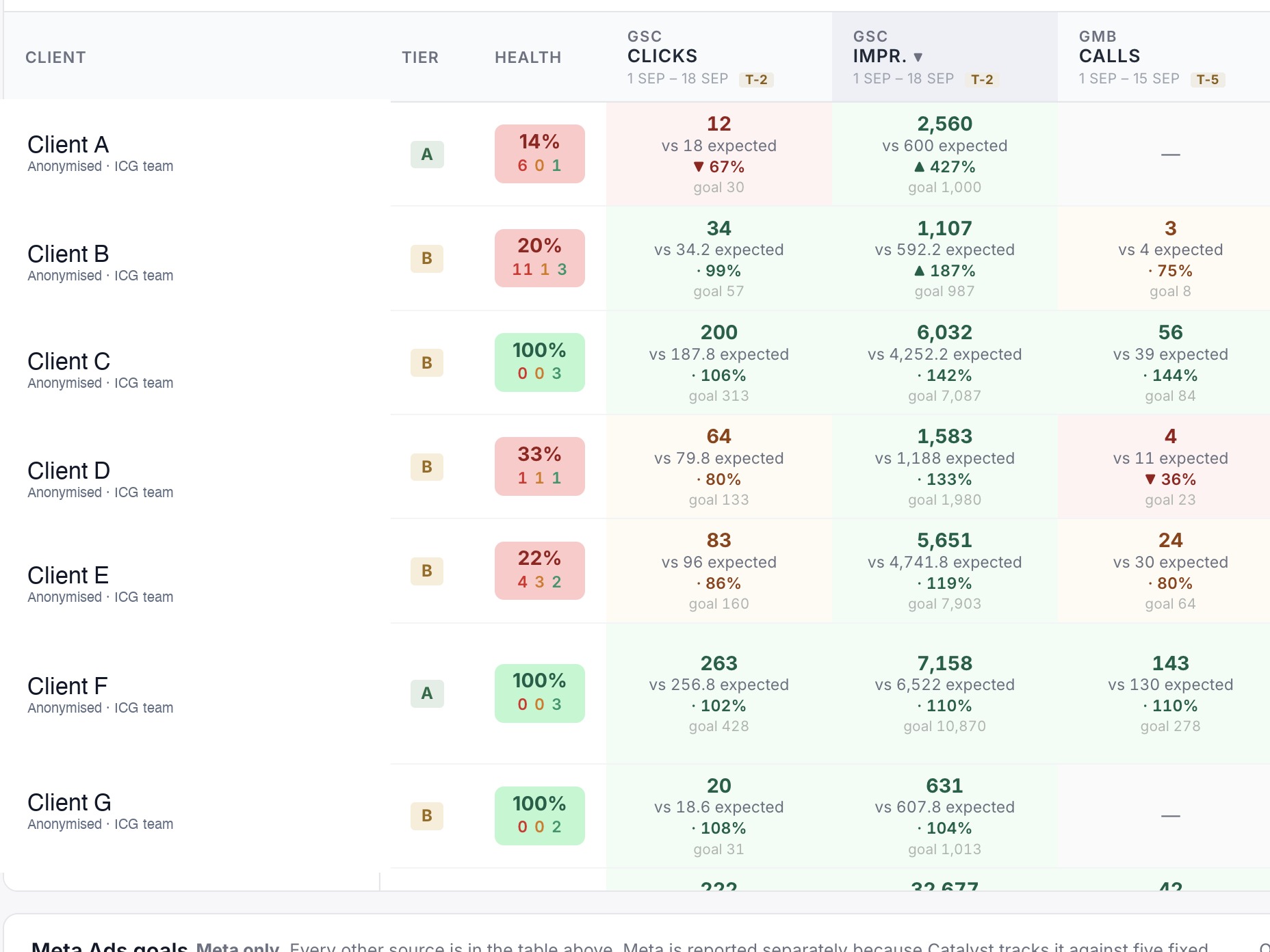
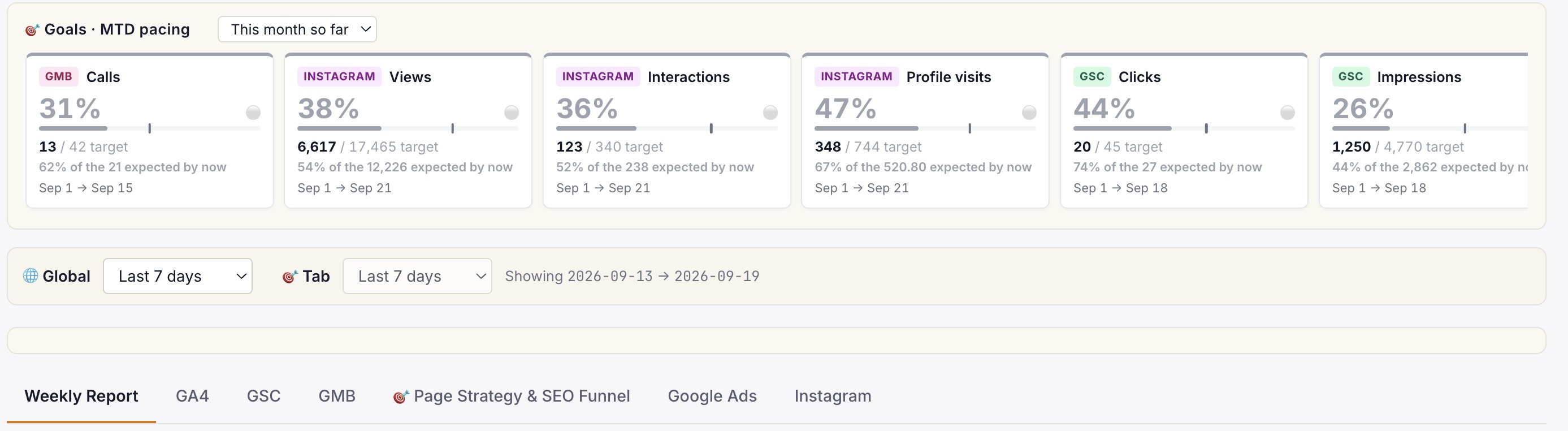
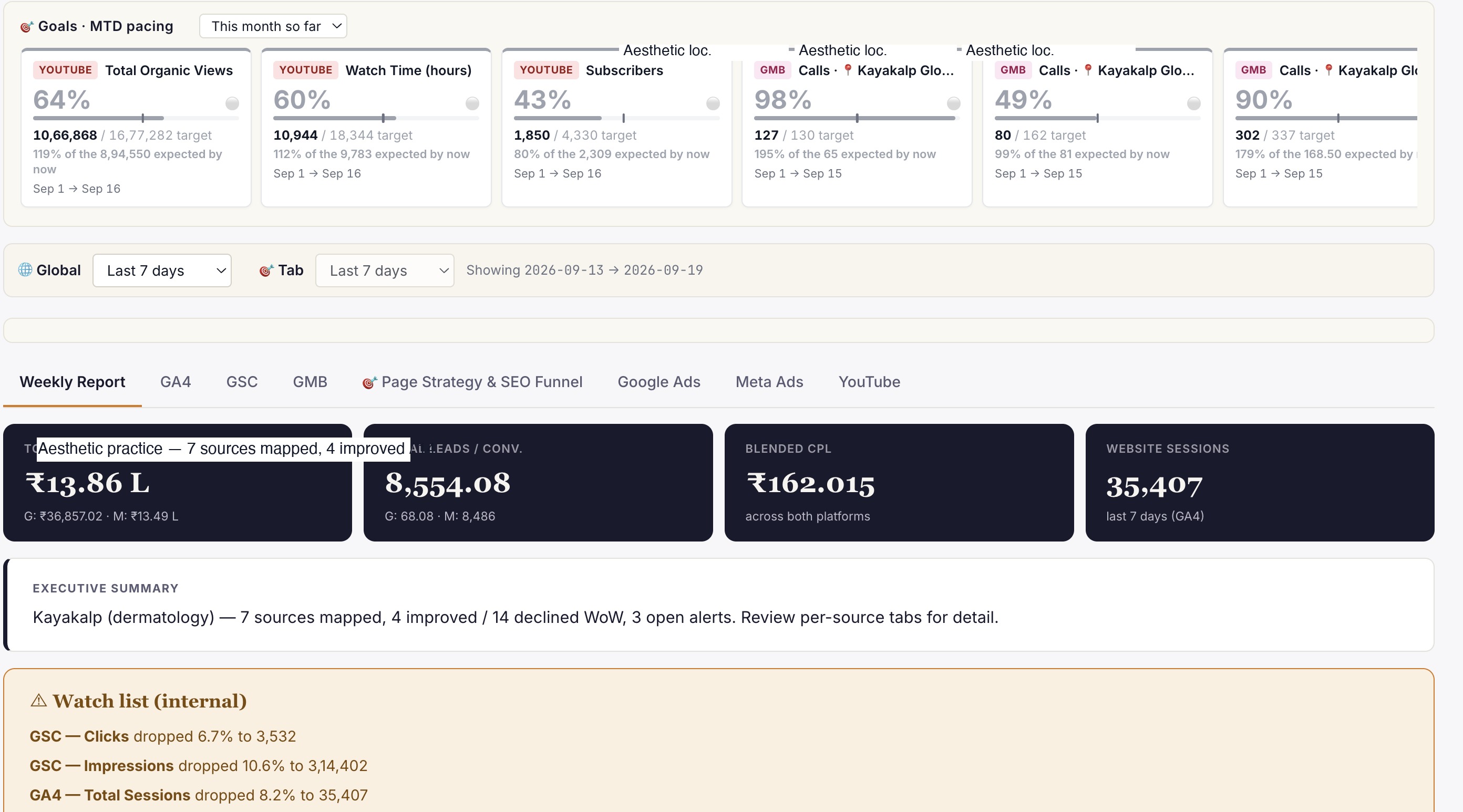
Live client dashboard. GSC, GA4, Google Ads, Meta Ads, IVR calls in one view. Login anytime, not monthly.
Phoenix
Clinic revenue intelligence over your PMS. Daily action queue: Prevent Loss, Maintain & Engage, Grow Revenue. Multi-centre rollout.
Or book a free 30-min audit to see all three in action on your account.
Healthcare brands
that already run on ICG.
A representative slice of the 150+ healthcare brands ICG has delivered for across India. Most engagements remain under NDA.


What ICG clients say · on video.
"Scale up of organic channels and business consulting. ICG has absolute domain authority in their field."
"Working with ICG transformed how we acquire IVF patients in Gurgaon. They understand the fertility journey from inquiry to consult..."
"What Ichelon accomplished — they got all my ideas and worked over 3-4 months to create an amazing, super-customised website."
Need help operationalising this?
Every ICG service is healthcare-only, NMC + DPDP-aware, and built around the patient-research patterns that drive Indian healthcare growth in 2026.
Every practice welcome — packages from ₹20,000/mo.
Goals-Driven engagements · Performance-Linked Payout Models available
More from
ICG.
Hindi and regional-language SEO means publishing proper pages in the languages your patients search in, on their own URLs and linked with hr...
A new pharma brand in India should start digital work before launch, built around who it may legally address. This six-month plan covers pro...
Hospitals and clinics in India can still advertise after the NMC's 6 October 2026 guidelines, but only with factual, verifiable information....
Stop guessing.
Book a Diagnostic.
30 minutes. Free. With the AI-powered healthcare-only marketing agency 150+ brands already run on. No slides, no pitch, no hard close.


