


Meta ads for clinics after the NMC 2026 guidelines: creative that still works
Clinics can keep running Meta ads after the NMC's October 2026 guidelines if ads run from the clinic's own page and share factual, educational information. Testimonials, before/after images, discount hooks and superiority claims must go. Explainers, preparation guides and facility walkthroughs still bring enquiries. Here is how to rebuild your creative and account.
No pitch. Written root-cause diagnosis. AI-powered, healthcare only.
Direct answer
Clinics can keep running Meta ads after the NMC's October 2026 guidelines if ads run from the clinic's own page and share factual, educational information. Testimonials, before/after images, discount hooks and superiority claims must go. Explainers, preparation guides and facilit...
TL;DR
Meta ads still work for clinics and hospitals after the NMC's October 2026 guidelines, but the creative has to change. Ads should run from the clinic's or hospital's own page, share factual and educational information, and drop testimonials, before/after images, discount hooks and "best" claims. Individual doctors should not run self-promotional ads. The formats that hold up are explainers, preparation guides, facility and department information, and awareness content that invites a patient to learn more. This guide covers what to stop, what to run instead and how to set up the account, as of October 2026.
Can doctors advertise on social media after the NMC 2026 guidelines?
Individual doctors cannot run self-promotional ads on Facebook or Instagram under the NMC's October 2026 guidelines. A doctor may publish genuinely educational content in their own name with qualifications and registration number. Hospitals and clinics may advertise factual, verifiable information from their own pages, without testimonials, inducements or superiority claims.
The NMC guidelines define advertisement to include social, sponsored, targeted and influencer communication. So a boosted Instagram post counts just as much as a newspaper ad. Two clauses matter most for paid social. Doctors shall not solicit patients or self-promote. And no one should share patient testimonials or reviews for promotion on social media.
This is a summary, not legal advice. Confirm your specific campaigns with counsel or your State Medical Council.
Which Meta ad creative is now off the table?
Drop any creative that persuades through other patients, outcomes or offers. That means testimonial videos, before/after images, "transformation" reels, free-consultation or discount hooks, countdown urgency, superiority claims, and AI-generated promotional campaigns. Each of these has a straightforward educational replacement that keeps the ad useful and the account active.
| Old creative pattern | Why it is a problem now | Replacement that still works |
|---|---|---|
| Patient testimonial reel | Testimonials for promotion are restricted | Doctor explains what a first consultation involves, with registration number on screen |
| Before/after carousel | Before/after images are prohibited | Carousel explaining the steps of a procedure and recovery expectations in general terms |
| "Free consultation this week" | Free procedures and discounts as inducements are not allowed | "Questions to ask before a consultation" guide |
| "City's No.1 IVF centre" | Superiority claims need independent verification | Factual department information: services, timings, location |
| Doctor's personal photo ad | Self-advertisement by a practitioner is restricted | Facility, equipment or department visual from the clinic page |
| AI-generated ad campaign | AI promotional campaigns are prohibited | Human-made educational creative; any permitted AI content marked as AI-generated |
| "Only 5 slots left" | Pressure tactics read as solicitation | Clear timings and how to enquire |
Meta's own advertising standards already push in this direction. Meta does not allow ads that assert or imply a person's health condition, such as "Struggling with hair loss?". It has also removed many detailed-targeting options linked to health topics. So a compliant clinic ad has to meet two sets of rules: the NMC's and Meta's.
What creative still works for clinic Meta ads?
Education-first creative works best: short explainers, myth-versus-fact posts, preparation checklists, "what to expect" walkthroughs and department or facility introductions. These earn attention because they answer a real question. They also bring in patients who have already decided to seek care, which usually improves enquiry quality.
Five formats we lean on
- The 45-second explainer. A doctor explains one question in plain language, such as when a cough needs a chest X-ray. Name, qualifications and registration number appear on screen. The ad runs from the clinic page.
- The preparation guide. A carousel on how to prepare for a test or first visit: what to bring, how long it takes, whether fasting is needed.
- The myth-versus-fact post. Corrects a common misconception in the specialty, without fear-based copy.
- The department walkthrough. A short video of the facility, equipment and the route from reception to the department. No patient faces.
- The awareness-day post. Tied to recognised health awareness days, with a link to a factual landing page.
Write the copy in the patient's language
Run the same explainer in English and in Hindi or the regional language your patients use. In Tier-2 and Tier-3 cities, regional-language creative often feels more trustworthy because it sounds like a local clinic, not a campaign. Keep claims identical across languages so one approval covers all versions.
Does the creative change by specialty?
Yes. The NMC rules are the same for every medical specialty, but the formats each specialty relied on differ. Aesthetic, dental, hair and fertility clinics leaned hardest on before/after images and success stories, so they need the biggest creative rebuild. Hospitals and diagnostic centres usually need lighter edits to offers and claims.
- Dermatology and aesthetics. Swap transformation reels for explainers on how a treatment works, who it suits, downtime in general terms and how to choose a qualified practitioner. Our piece on marketing without before/after photos has more ideas.
- Dental. Replace smile-makeover galleries with "what happens at a root canal appointment" and hygiene explainers. Dentists are regulated by the Dental Council of India rather than the NMC, so check its rules too; the same education-first approach is the safer default.
- Fertility. Drop success-rate creative and "baby photos" from patients. Explain the stages of evaluation and what tests usually come first, with sensitivity and no pressure.
- Hair restoration. Move from donor-area close-ups and result shots to explainers on assessment, suitability and aftercare.
- Multi-specialty hospitals. Lead with departments, facilities, emergency access and health check-up packages with published charges, without "lowest price" or "free" hooks.
- Diagnostics. Preparation guides for common tests and home sample collection details work well and rarely raise compliance issues.
Across all of these, sensitive specialties need gentler copy. Fear-based hooks ("Don't ignore these signs!") are not named in the guidelines word for word, but they sit uneasily with the spirit of non-solicitation and with Meta's personal-attributes policy. Calm, informative language is the safer default and usually reads as more credible.
How to advertise for a clinic on Meta, step by step?
Run ads from the clinic's or hospital's own Facebook page and Instagram account, inside an ad account the institution owns. Choose objectives that match an educational funnel, send traffic to factual landing pages, capture consent on every lead form, and assign one person to approve every creative before it goes live.
- Ownership. The Business portfolio, ad account, page and Instagram account should belong to the clinic, with the agency added as a partner. This keeps the communication clearly from the institution.
- Objectives. Use awareness or video views for explainers, then traffic or leads for people who engaged. Retarget engaged viewers with more education, not offers.
- Audiences. Target by location and broad demographics. Do not try to recreate health-condition targeting through workarounds; Meta restricts it for a reason. See our answer on health-condition targeting for clinics on Meta.
- Landing pages. Point to factual pages that list services, doctors with registration details, timings and location. Use "Learn more" or "Enquire" over pressure language.
- Lead forms. Keep questions short. Add a consent statement covering follow-up calls and WhatsApp messages, in line with the DPDP Act, 2023.
- Approvals. Keep a simple log: creative, date, approver, and why each claim is factual.
ICG's healthcare Meta ads agency team sets accounts up this way by default for hospitals and clinics.
How should clinics handle Meta leads and WhatsApp enquiries now?
Treat every lead as a patient enquiry, not a sales target. Call or message quickly, give factual information, and only send follow-up messages to people who consented. Do not offer discounts to close a booking, and do not share patient details with anyone outside the care and front-desk team.
Lead quality on Meta often looks weak because the clinic calls back late or the form promised something the clinic cannot deliver. Education-led ads tend to attract people further along in their decision, so response speed matters even more. If your leads are not picking up, read why Meta lead-form leads don't answer calls.
| Stage | Good practice | Avoid |
|---|---|---|
| First response | Call or WhatsApp within working hours the same day | Next-day callbacks; automated sales scripts |
| Information shared | Services, doctors, timings, published charges | Outcome promises, discount offers |
| Follow-up | Only with recorded consent; easy opt-out | Bulk messages to people who did not opt in |
| Records | Enquiry source, consent, outcome of call | Exporting lead lists to personal phones |
What to do in social media marketing month to month?
Plan a monthly rhythm: a few educational explainers, one department or facility post, one awareness-day post and a preparation guide, with the best-performing explainers promoted as ads. Review comments weekly, refresh creative monthly and audit old posts each quarter. Keep the doctor's own handle strictly educational.
A rhythm like this avoids the two traps clinics fall into after a rule change: going silent, or quietly drifting back to offers. Steady educational posting keeps the page active and gives your paid campaigns a library of tested creative.
- Weekly: reply to comments with general information; move case-specific questions to a private channel without discussing the case in public.
- Monthly: retire tired creative, promote the explainers people watched longest, check every landing page.
- Quarterly: archive any old posts or highlights that break the current guidelines.
For a full channel-by-channel list, see our NMC 2026 compliance checklist for websites, Google profiles and social pages.
How should you measure Meta ads under the new rules?
Measure enquiries and their quality, not likes. Track cost per qualified enquiry, the share of enquiries that reach the front desk, and how many become first visits. Compare education-led campaigns against your old offer-led ones over a full month, because educational creative often takes longer to build momentum.
| Metric | What it tells you | Where to find it |
|---|---|---|
| Cost per qualified enquiry | Spend divided by enquiries your front desk marks as genuine | Ads Manager spend plus your enquiry log or CRM |
| Contact rate | Share of leads your team actually spoke to | Call and WhatsApp records |
| First-visit rate | Share of qualified enquiries that came in for a consultation | Front-desk or practice-management records |
| Video watch-through | Which explainers hold attention and deserve budget | Ads Manager video metrics |
Keep the enquiry log simple: date, source campaign, consent recorded, contacted or not, outcome. Anything more complex rarely gets filled in by a busy front desk.
Agency fees should not be linked to individual patients. The NMC guidelines say engagements with agencies, influencers and platforms must not be structured so payment is tied to procuring or referring individual patients. Ask your agency how its fee is calculated and confirm with counsel.
For reference, ICG's public dataset shows a median cost per qualified lead of ₹1,220 across ICG accounts, against a market median of ₹2,100. Treat those as context, not a promise for your clinic. Your own numbers depend on specialty, city and how quickly your team responds.
Not sure where your current ads stand? Request ICG's free NMC compliance audit, or read what clinics must change under the October 2026 guidelines. ICG has worked only in healthcare since 2018, with retainers from ₹20,000/month, custom-scoped.
Book a free Meta ads account audit.
Raman Soni's team pulls your account, checks CAPI/EMQ, reviews creative for NMC compliance, and shows where CPQL is leaking. 45 minutes, actionable output.
Questions readers ask
about this topic.
The three platforms
behind every ICG engagement.
Beacon
CAPI middleware that fixes Event Match Quality, translates CRM statuses to Meta-standard events, dedups across channels.
Agency OS
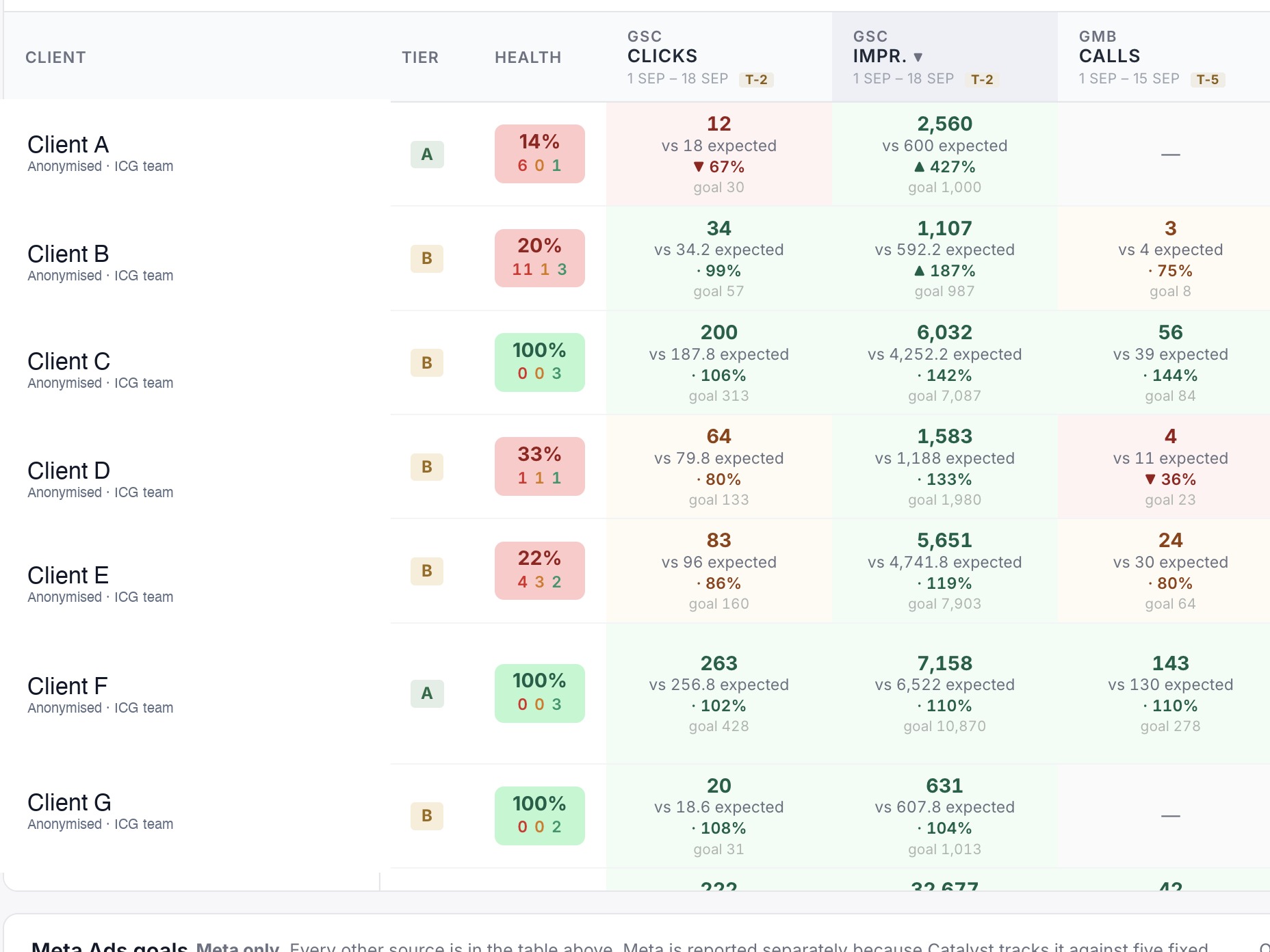
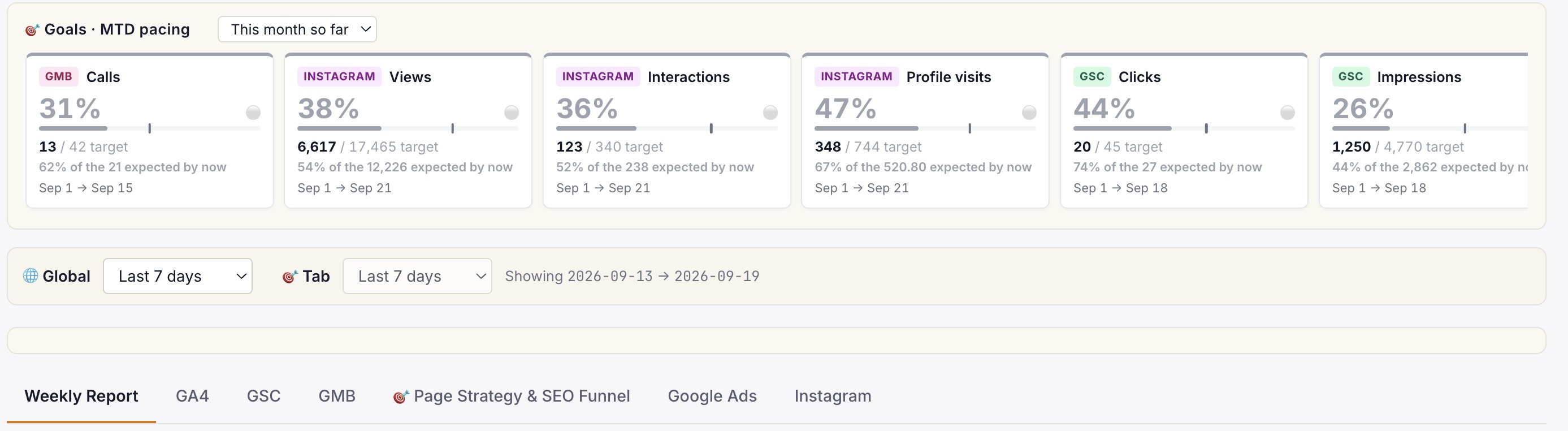
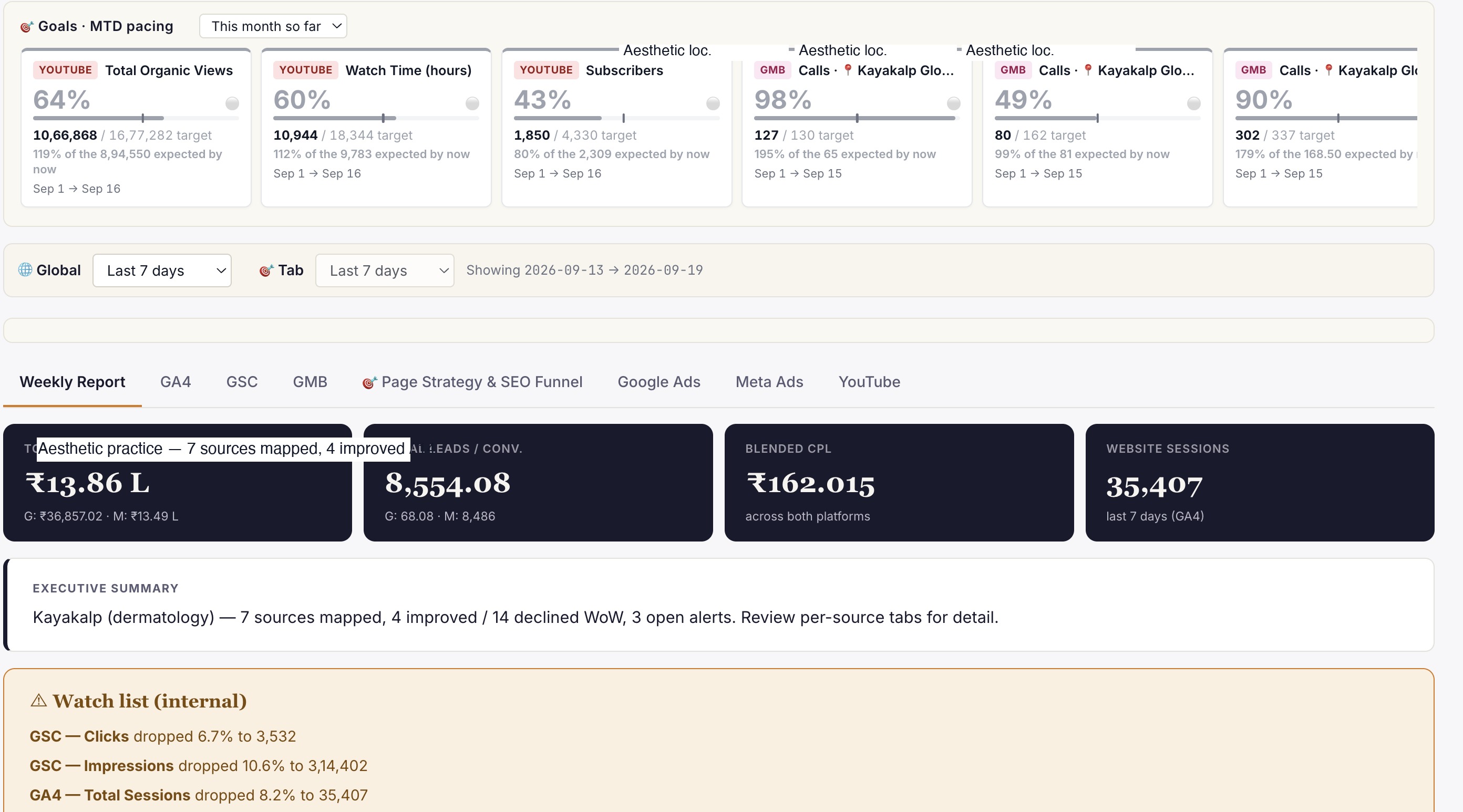
Live client dashboard. GSC, GA4, Google Ads, Meta Ads, IVR calls in one view. Login anytime, not monthly.
Phoenix
Clinic revenue intelligence over your PMS. Daily action queue: Prevent Loss, Maintain & Engage, Grow Revenue. Multi-centre rollout.
Or book a free 30-min audit to see all three in action on your account.
Healthcare brands
that already run on ICG.
A representative slice of the 150+ healthcare brands ICG has delivered for across India. Most engagements remain under NDA.


What ICG clients say · on video.
"Scale up of organic channels and business consulting. ICG has absolute domain authority in their field."
"Working with ICG transformed how we acquire IVF patients in Gurgaon. They understand the fertility journey from inquiry to consult..."
"What Ichelon accomplished — they got all my ideas and worked over 3-4 months to create an amazing, super-customised website."
Need help operationalising this?
Every ICG service is healthcare-only, NMC + DPDP-aware, and built around the patient-research patterns that drive Indian healthcare growth in 2026.
Every practice welcome — packages from ₹20,000/mo.
Goals-Driven engagements · Performance-Linked Payout Models available
More from
ICG.
Hindi and regional-language SEO means publishing proper pages in the languages your patients search in, on their own URLs and linked with hr...
A new pharma brand in India should start digital work before launch, built around who it may legally address. This six-month plan covers pro...
Hospitals and clinics in India can still advertise after the NMC's 6 October 2026 guidelines, but only with factual, verifiable information....
Stop guessing.
Book a Diagnostic.
30 minutes. Free. With the AI-powered healthcare-only marketing agency 150+ brands already run on. No slides, no pitch, no hard close.


