


Local SEO plus YouTube combined stack vs paying for a single service — an ROI comparison for Indian healthcare in 2026 with a decision matrix for when each shape is the right call
A ROI comparison for Indian healthcare in 2026 between paying for Local SEO alone (₹75,000-1,50,000/mo), YouTube alone (₹75,000-3,00,000/mo), and both combined (₹1,25,000-3,50,000/mo). Where the combined stack outperforms the sum of parts, where a single-service engagement is the right call, and a decision matrix a clinic owner can use to pick the right shape for their practice.
No pitch. Written root-cause diagnosis. AI-powered, healthcare only.
Direct answer
A ROI comparison for Indian healthcare in 2026 between paying for Local SEO alone (₹75,000-1,50,000/mo), YouTube alone (₹75,000-3,00,000/mo), and both combined (₹1,25,000-3,50,000/mo). Where the combined stack outperforms the sum of parts, where a single-service engagement is the...
TL;DR

The question that comes up in almost every serious conversation with a healthcare clinic owner evaluating agency options is the same. Do we hire someone for Local SEO, hire someone for YouTube, or hire someone for both together — and does the combined engagement actually produce enough incremental return to justify the incremental cost. This is not a question that has a single right answer. It depends on the specialty, the current state of both surfaces, the specific goals of the practice, and the practice's tolerance for a longer measurement window. This piece walks through the real cost structures of the three shapes in the Indian market in 2026, where the combined stack outperforms the sum of its parts, where a single-service engagement is the right call, and a decision matrix a clinic owner can use to pick.
What a serious Local SEO only engagement actually costs in India in 2026
A managed Local SEO engagement for a single Indian healthcare location in 2026 typically runs ₹75,000/- to ₹1,50,000/- per month depending on the scope and the specialty's competitive intensity. The higher end of that range applies to competitive metro dermatology, IVF, and dental cosmetic categories where the review corpus arms race is intense and the profile requires 6+ hours per week of managed work. The lower end applies to less competitive specialties or Tier 2 cities where the effort load is lower.
Inside that budget the clinic gets weekly Google Business Profile management (Posts, photos, Q&A, review moderation, review response), sie" style="color:inherit;text-decoration:underline;text-decoration-color:rgba(42,126,200,.5);text-underline-offset:2px">Rank OS-driven weekly focus on the lowest-scoring dimension, monthly Ask Maps AIO Readiness audits, quarterly citation audit and cleanup, and access to the underlying Angryturtle platform. Self-serve ownership without the managed layer runs ₹999/- per month for the platform alone, but requires an in-house operator who can execute the weekly cadence.


What Local SEO alone produces is bottom-of-funnel booking capture. Expect Local Pack ranking improvement in 60 to 120 days, direction request and WhatsApp click lift in the same window, and improved conversion of already-Googling patients into consult bookings. What it does not produce is upper-funnel awareness among patients who are not yet searching for a locality-anchored provider.
What a serious YouTube only engagement actually costs in India in 2026
A managed healthcare YouTube engagement in India in 2026 typically runs ₹75,000/- to ₹3,00,000/- per month depending on the publishing cadence, production values, and specialty. The lower end covers 4 to 6 videos per month at documentary-style production values for a solo practice or small clinic. The higher end covers 8 to 12 videos per month at broadcast-quality production values for hospitals and multi-specialty groups that require named-anchor formats, cinematographer-led shoots, and studio production infrastructure.
Inside that budget the clinic gets weekly video production (script, shoot, edit, thumbnail, upload), YODA-driven SEO optimisation on every video, chapter and description structuring for AI Overview citation readiness, comment moderation, Reputation-module-driven audience insight, monthly Competitor Intel refresh, and access to the underlying YODA platform.
What YouTube alone produces is upper- and mid-funnel awareness and evaluation. Expect meaningful subscriber growth in months 3 to 4, view velocity on emerging Winners in months 4 to 6, branded search lift in months 5 to 8, and inbound consult conversations that cite specific videos in months 6 to 10. What it does not produce is the operational conversion layer that turns those evaluations into booked consults — the patient still needs a strong Google Business Profile to complete that final step.
What a combined engagement actually costs in India in 2026
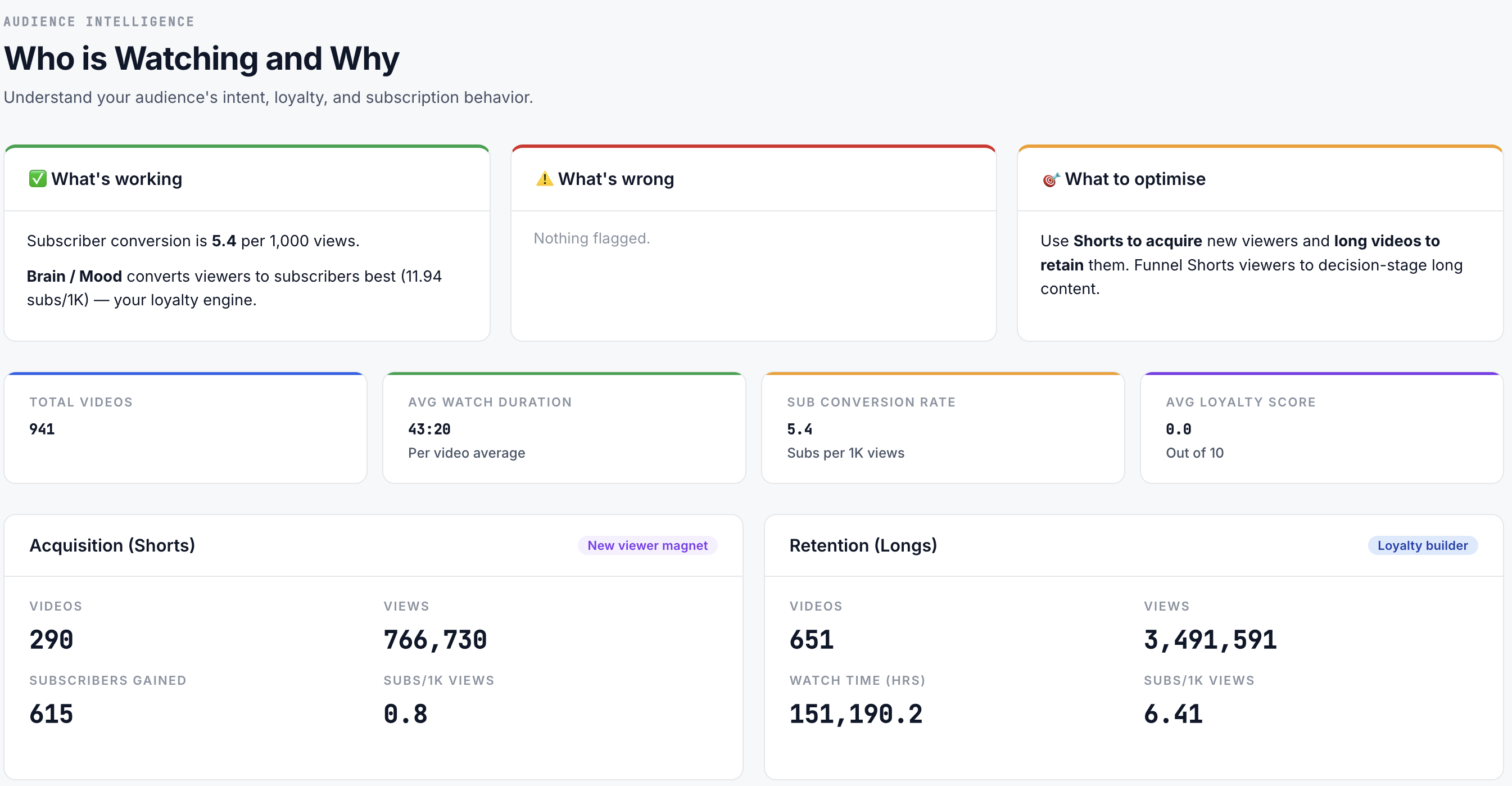
A combined Local SEO plus YouTube managed engagement in India in 2026 typically runs ₹1,25,000/- to ₹3,50,000/- per month depending on the shape of both components. The floor of ₹1,25,000/- covers a smaller-practice engagement with Angryturtle at ₹25,000/- to ₹40,000/- plus a leaner YouTube publishing cadence at ₹85,000/- to ₹1,00,000/-. The ceiling of ₹3,50,000/- covers a multi-location practice or hospital with fully-managed Local SEO across 3 to 6 profiles plus a high-production-values YouTube channel publishing 8 to 12 videos per month.
The combined engagement is not a simple sum of two separate line items. In practice the pricing benefits from integration — one shared account team, one shared compliance perimeter, one shared content calendar, and shared platform overhead. The typical premium for the combined engagement over the sum of two individually-purchased engagements is roughly 8 to 12 percent below what the two separately would cost.
What the combined engagement produces is the compound effect — surfaces working together with cross-feed hand-offs, branded search lift larger than either surface alone would produce, cross-surface citation in intake conversations, and defensibility against competitors who run only one surface. The compound is not immediate. It emerges reliably in months 5 to 8 of the combined engagement.
Where the combined stack outperforms the sum of parts
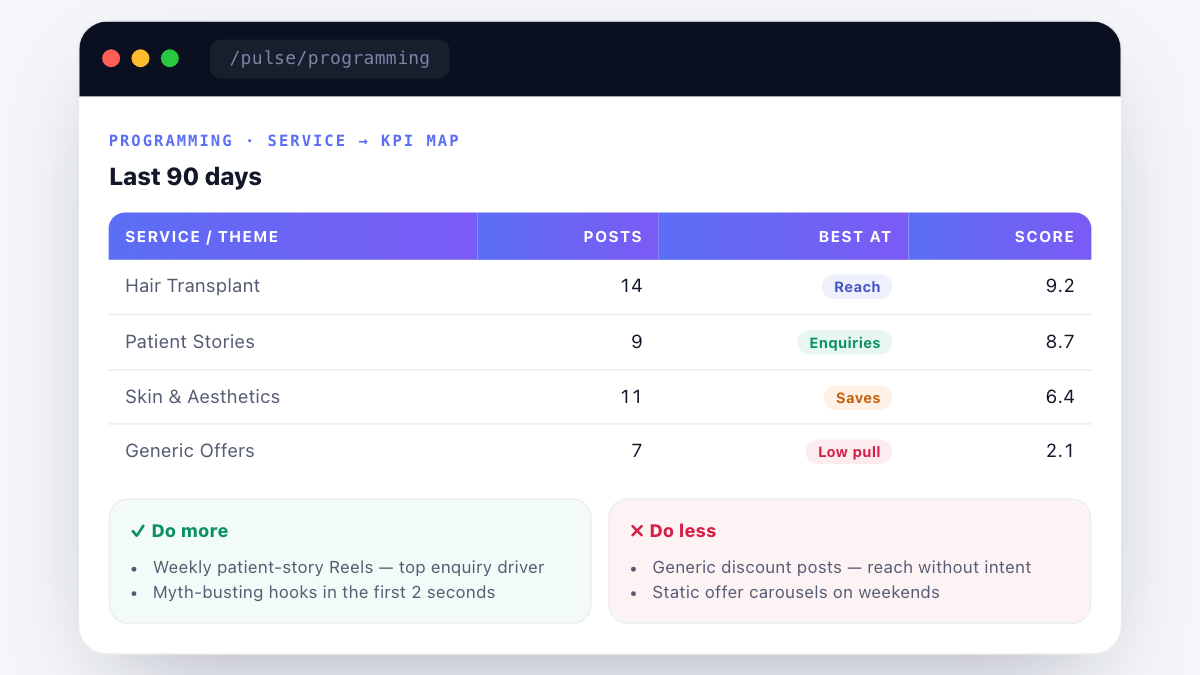
The compound effect is not marketing rhetoric. It shows up in specific measurable places where the combined engagement produces returns that neither surface alone would produce on its own budget.
Branded search volume. The single largest compound effect. A clinic running only Local SEO grows branded search slowly because Local SEO does not generate upper-funnel awareness. A clinic running only YouTube grows branded search faster but caps at the ceiling of what YouTube can drive without operational validation. A clinic running both grows branded search 40 to 90 percent faster than either surface alone, because YouTube drives the upper-funnel awareness and Local SEO improves the operational conversion of those aware patients into branded search behaviour.
AI Overview citations. Google AI Overviews cite fewer sources per query than the classical local pack shows. A clinic with strong signals on only one surface is materially less likely to be cited than a clinic with strong signals on both. The combined stack produces AI Overview citations at a rate that neither surface individually would.
Cross-surface hand-off conversions. Patients who discover the clinic on YouTube and then book via WhatsApp from the Google Business Profile represent a category of conversions that only exists when both surfaces are active. This category typically becomes 15 to 30 percent of total inbound consult conversations by month 8 to 10 of the combined engagement.
Compliance operational efficiency. The combined stack shares one compliance perimeter across both surfaces. Working with two separate agencies typically produces compliance duplication and gaps — each agency verifies claims for its own surface with slightly different framings, and inconsistencies between the two surfaces produce risk. The combined stack eliminates this duplication.
Defensibility against competitors. A competitor investing in only Local SEO can catch up to a clinic that runs only Local SEO within 6 to 9 months. A competitor investing in only YouTube can catch up to a clinic that runs only YouTube within 9 to 12 months. A competitor investing in both surfaces from a standing start needs 15 to 24 months to catch up to a clinic that has been running the combined stack for 12+ months. The combined stack creates a more defensible position over time.
Where a single-service engagement is actually the right call
The combined stack is not the right answer for every practice. Being honest about when single-service investment is the correct call is more valuable than defending the combined stack universally.
When the practice is early-stage and cash-constrained. A brand-new practice with limited monthly marketing budget is often better served by concentrating that budget on one surface — usually Local SEO first — until initial cash flow can support broader investment. A ₹25,000/- to ₹40,000/- per month Angryturtle-managed engagement produces measurable booking-adjacent outcomes for a single-location clinic in 90 days. Adding a video engagement at that stage often dilutes the marketing effect of both.
When the physician will not commit to on-camera work. YouTube for healthcare requires the physicians to show up on camera regularly. A physician who is uncomfortable on camera, unwilling to commit weekly time, or philosophically opposed to publishing video content will produce a weak YouTube channel regardless of budget. In that scenario the honest recommendation is to invest fully in Local SEO and skip the YouTube engagement rather than fund a video program that will underperform.
When the practice is short-cycle rather than considered-decision. Practices whose bookings are dominated by same-day or same-week decisions — urgent care, routine primary care, walk-in dental — see less compound value from YouTube because the consideration cycle is too short for upper-funnel content to matter operationally. Local SEO alone captures the vast majority of the acquisition opportunity for these categories.
When the practice already dominates its Local Pack. A rare situation but a real one — a clinic that already dominates its Local Pack in a low-competition catchment may see limited incremental return from further Local SEO investment. In that scenario, redirecting the marginal budget entirely to YouTube produces higher returns than continuing to over-invest in an already-dominant profile.
When the specialty is fundamentally visual or fundamentally text-based. Specialties that are fundamentally text-based in patient decision-making — psychiatry consultation, certain endocrinology conditions — see less compound return from video than fundamentally visual specialties. Specialties that are almost entirely visual — cosmetic dermatology, dental cosmetics — see less compound return from Local SEO relative to visual video content than balanced specialties. Neither extreme is the majority case but both exist.
The decision matrix
The matrix below is what ICG uses to make the recommendation call in the initial consultation with a prospective client. Two axes — consideration cycle length (short, medium, long) and current surface state (weak on both, strong on one, strong on both).
Short cycle plus weak on both. Recommendation: start with Local SEO only for 6 months. Evaluate YouTube addition at month 6 based on cash flow and physician appetite.
Short cycle plus strong on Local SEO only. Recommendation: stay single-service unless the specialty is emerging into a longer-cycle mode. Marginal YouTube investment produces marginal return in short-cycle specialties.
Short cycle plus strong on YouTube only. Recommendation: add Local SEO. The YouTube investment is being under-monetised by weak Local SEO conversion.
Medium cycle plus weak on both. Recommendation: combined engagement from month 1 if budget allows; sequenced Local SEO first for 3 months then add YouTube if budget is tight.
Medium cycle plus strong on Local SEO only. Recommendation: add YouTube. The bottom-funnel is capped; upper-funnel investment produces the next growth layer.
Medium cycle plus strong on YouTube only. Recommendation: add Local SEO immediately. The upper-funnel investment is being wasted on operational conversion loss.
Long cycle plus weak on both. Recommendation: combined engagement from month 1. Sequencing loses too much cycle time; the specialty demands both surfaces be built in parallel.
Long cycle plus strong on one only. Recommendation: add the missing surface immediately regardless of which one is currently strong. Long-cycle specialties (IVF, aesthetic, orthopaedic elective) are consistently under-served by single-surface investment.
Any cycle plus strong on both. Recommendation: continue combined engagement. The compound stack does not have a saturation ceiling — it continues to produce incremental return at scale.
The tool ICG uses to run this at scale: Angryturtle
ICG runs local SEO and GBP intelligence for 150+ Indian healthcare brands using Angryturtle — our own AI-native GBP intelligence and management OS. The platform scores every profile 0-100 via a proprietary Rank OS model with five weighted dimensions (Relevance, Review Health, Freshness, Entity Authority, AIO Readiness), publishes edits, Posts, media, and review replies directly to Google, and includes Ask Maps AIO Readiness scoring for Google AI Overviews and ChatGPT visibility.
Available in two shapes: self-serve at ₹999/- per month for solo owners with 1-2 profiles, and ICG's managed service from ₹25,000/- per month where our healthcare specialists execute inside the same platform. Both are anchored in the Healthcare Local SEO Agency India pillar page which has full scope, methodology and pricing.
Book a demo on WhatsApp → or start a free trial at angryturtle.ai →
The platform ICG uses to run this at scale: YODA
ICG runs healthcare YouTube marketing for clinics, hospitals, and specialty groups using YODA — our AI-native healthcare YouTube marketing platform. YODA sits on top of a channel's data and does four things no dashboard does: it separates organic from paid views at every step (so a promoted video can never masquerade as organic growth), it gives decisions not dashboards (every video gets a state + next action), it writes back to YouTube directly (improved titles, tags, descriptions, chapters applied straight to the platform), and it tracks the three rank races — YouTube search, Google web, and Google AI Overview citations.
YODA runs the full 6-step workflow — Overview, Diagnostics, Strategy, Optimisation, Reputation (ORM), and Competitor Intel — with 40+ analysis modules organised under those steps. ICG's managed YouTube service uses YODA end-to-end. See the Healthcare YouTube Marketing pillar guide for the full scope, or the Healthcare YouTube Marketing Agency service page for engagement details.
Book a YODA demo on WhatsApp → or request a free healthcare YouTube channel audit →
Related reading
- Combined stack pillar — Local SEO plus YouTube for Indian healthcare
- Why Google Maps and YouTube compound for clinics in India
- Weekly cadence for Local SEO plus YouTube with a single team
- How much does YouTube marketing for doctors cost in India
- DIY tools vs managed agency for healthcare YouTube
FAQ
How do we know the combined stack is producing incremental return over what one surface would produce alone? Three specific measurements. Track branded search volume monthly using Google Search Console and compare the trajectory before and after adding the second surface. Track intake conversation citations of both surfaces monthly — how many new patients unprompted mention both the map listing and the YouTube channel. Track direction requests on the Google Business Profile against video publication weeks — do direction requests spike in the 2 weeks after a new relevant video publishes. All three should trend positively at combined engagements running 6+ months.
Is there a specialty where the combined stack simply does not compound? Emergency care and pure convenience-visit specialties see less compound because the consideration cycle is too short. Even in those specialties, however, running both surfaces improves reputation defensibility over 12 to 18 months. The compound is smaller, not absent.
Can we run Local SEO managed and YouTube self-serve, or vice versa? Yes. This is a common configuration. Many practices run Angryturtle managed (because Local SEO compliance and review handling benefit from specialist support) and YouTube self-serve or with a freelance producer, or the reverse. The combined stack thesis holds regardless of which surface is managed and which is self-serve, provided the shared question bank and shared content calendar disciplines are followed.
How do we sequence adding the second surface if we start with one? Start with Local SEO for 3 to 6 months to build the operational foundation. Add YouTube at month 4 to 6 once the profile is stable, the review corpus is growing, and cash flow supports the incremental investment. The reverse sequence — YouTube first, then Local SEO — works but is slower because the YouTube investment underperforms without operational conversion support.
What does the cost look like at multi-location scale? Multi-location engagements benefit from platform economies of scale. Angryturtle managed across 3 to 6 profiles typically runs ₹60,000/- to ₹1,20,000/- per month (rather than the single-location rate multiplied by count). YouTube for a multi-location chain typically uses one central brand channel, so the video budget does not scale linearly with location count. Combined multi-location engagements typically run ₹2,00,000/- to ₹5,00,000/- per month for 3 to 6 locations.
How does the ROI compare with paid advertising? Paid Meta and Google campaigns produce immediate booking flow but stop the moment the budget stops. The combined stack produces slower initial booking flow but continues to produce compounding organic booking flow that survives budget pauses. Most practices at scale run both — paid for immediate flow, combined stack for compound flow. The combined stack typically reduces the per-booking cost of paid acquisition by 20 to 40 percent within 12 months.
Is there a point where the combined engagement stops being worth it? Not at any realistic scale for an active healthcare practice. The combined stack continues to compound as the practice grows, expands to additional locations, and moves upmarket. The point at which practices sometimes reduce investment is when they exit growth mode entirely and shift to purely maintenance mode — but that is a business decision, not a marketing ROI decision.
How long is a realistic minimum commitment to fairly evaluate the combined stack? 9 to 12 months. Local SEO produces measurable outcomes at 3 to 4 months, but the YouTube half and the compound cross-feed both take 6 to 9 months to become clearly visible. Practices evaluating the combined stack on a 3-month or 6-month window will consistently underestimate its return because the compound signal has not yet emerged.
Can we reduce cost by picking cheaper video production? Yes within limits. Documentary-style production at reasonable cost (₹15,000/- to ₹25,000/- per video) produces credible video for most specialties. Below that price point the production quality typically drops to a level that harms the physician's credibility on camera. YouTube for healthcare is one of the categories where production quality genuinely matters.
What is the biggest risk with the combined engagement? The risk of premature evaluation. The combined stack takes 9 to 12 months to demonstrate its full compound. A practice that evaluates at month 4 and cuts one surface will lose the compound they were 5 months away from realising. Committing to the full evaluation window is the discipline that makes the ROI work.
Book a free SEO diagnostic.
Hanuman Sihag's team runs a live crawl, checks technical health, cannibalisation, schema coverage and content gaps. 60 minutes, prioritised fix list.
The three platforms
behind every ICG engagement.
Beacon
CAPI middleware that fixes Event Match Quality, translates CRM statuses to Meta-standard events, dedups across channels.
Agency OS
Live client dashboard. GSC, GA4, Google Ads, Meta Ads, IVR calls in one view. Login anytime, not monthly.
Phoenix
Clinic revenue intelligence over your PMS. Daily action queue: Prevent Loss, Maintain & Engage, Grow Revenue. Multi-centre rollout.
Or book a free 30-min audit to see all three in action on your account.
Healthcare brands
that already run on ICG.
A representative slice of the 150+ healthcare brands ICG has delivered for across India. Most engagements remain under NDA.


What ICG clients say · on video.
"Scale up of organic channels and business consulting. ICG has absolute domain authority in their field."
"Working with ICG transformed how we acquire IVF patients in Gurgaon. They understand the fertility journey from inquiry to consult..."
"What Ichelon accomplished — they got all my ideas and worked over 3-4 months to create an amazing, super-customised website."
The intelligence stack behind this playbook.
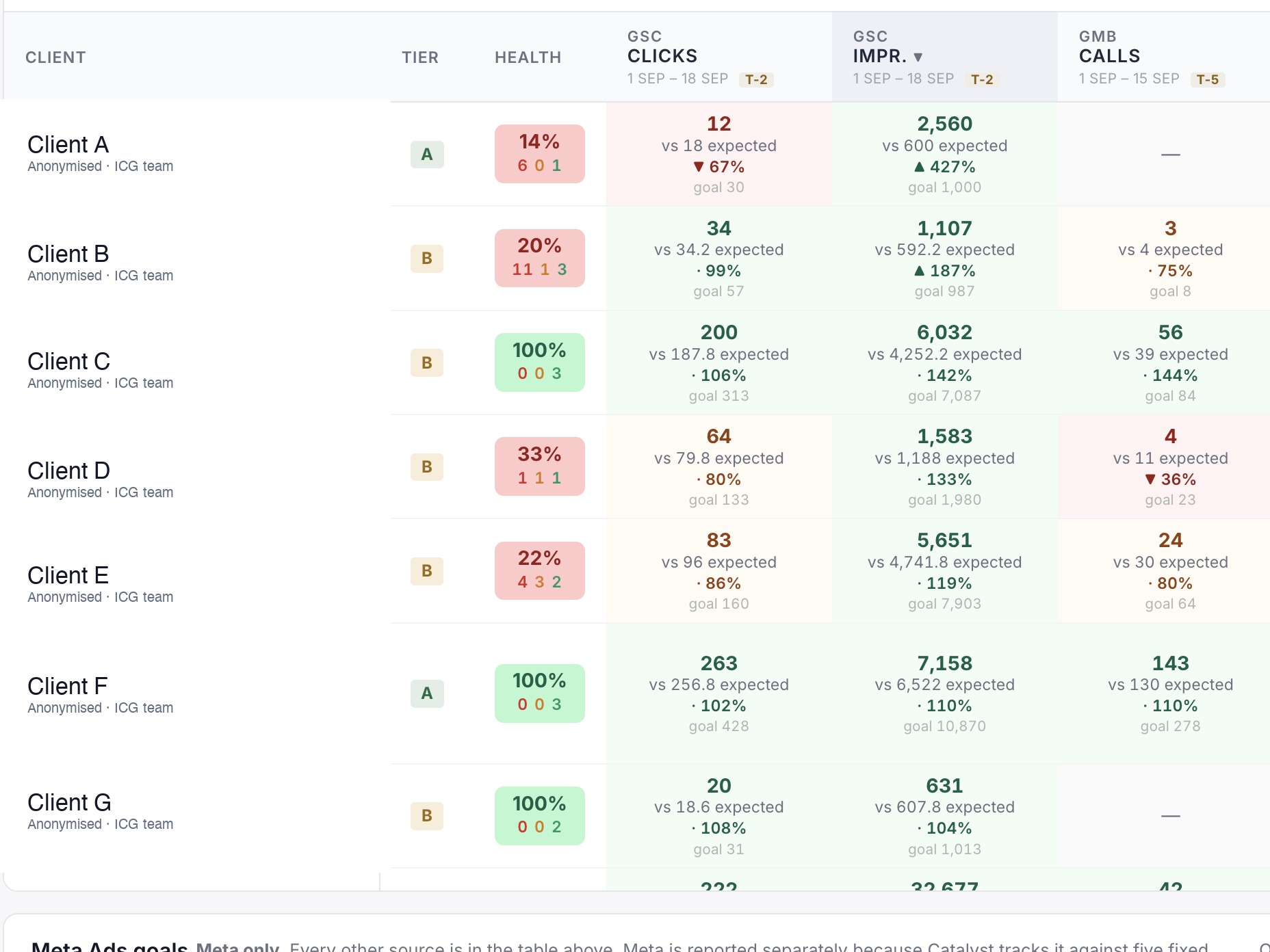
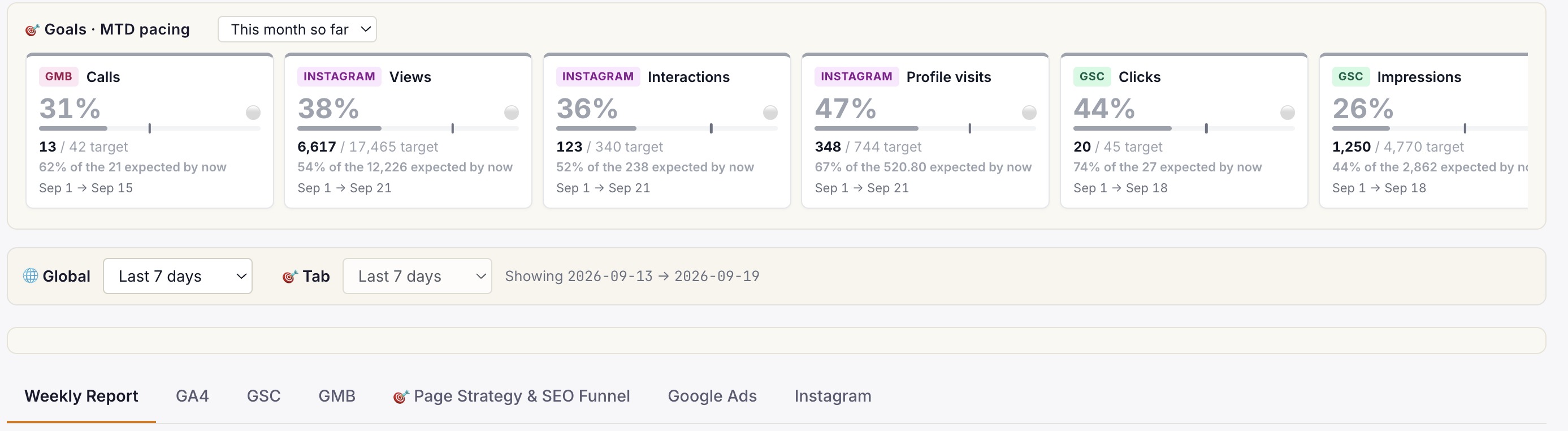
Every ICG engagement runs on the Search Intelligence Trifecta — Angryturtle for GMB, SIE for search and AI Overview, YODA for YouTube. Live product screens below.
Need help operationalising this?
Every ICG service is healthcare-only, NMC + DPDP-aware, and built around the patient-research patterns that drive Indian healthcare growth in 2026.
Every practice welcome — packages from ₹20,000/mo.
Goals-Driven engagements · Performance-Linked Payout Models available
More from
ICG.
Five trends shaping Indian healthcare marketing through 2027: AI-first patient research, Conversions API adoption, ABDM discovery, the AEO w...
Healthcare AIO is the discipline of getting your clinic or hospital cited inside Google AI Overviews, ChatGPT and Perplexity answers — not j...
Conversational-search advertising places brand messages inside AI chat answers — ChatGPT, Perplexity, Copilot — rather than beside a results...
Stop guessing.
Book a Diagnostic.
30 minutes. Free. With the AI-powered healthcare-only marketing agency 150+ brands already run on. No slides, no pitch, no hard close.


