


Local SEO for paediatric clinics and children's hospitals in India: parent-first strategy for a specialty where trust compounds
Local SEO for paediatric practices in India runs on a fundamentally different signal weighting from adult healthcare specialties. Parents evaluating a paediatrician for their child do more thorough research than adults evaluating their own doctors, respond more strongly to review
No pitch. Written root-cause diagnosis. AI-powered, healthcare only.
Direct answer
Local SEO for paediatric practices in India runs on a fundamentally different signal weighting from adult healthcare specialties. Parents evaluating a paediatrician for their child do more thorough research than adults evaluating their own doctors, respond more strongly to review
TL;DR

Local SEO for paediatric practices in India runs on a fundamentally different signal weighting from adult healthcare specialties. Parents evaluating a paediatrician for their child do more thorough research than adults evaluating their own doctors, respond more strongly to review sentiment and clinic environment cues, and stay with a single practice for years once they commit — making paediatric patient acquisition unusually high-lifetime-value work. Local pack ranking, review-corpus quality, and clinic photography all matter more here than in most specialties. ICG runs healthcare local SEO for paediatric practices at solo-doctor, group-practice and children's hospital scales using Angryturtle calibrated for paediatric query patterns and parent-decision-maker behavior.
Why paediatric local SEO is different
Three specialty-specific features shape the local SEO problem.
Parents are the decision makers, not patients. A paediatric practice's audience is parents (typically mothers, per Indian demographic patterns) making decisions on behalf of children. Parents evaluate paediatricians more thoroughly than adults evaluate their own doctors — reading more reviews, comparing multiple clinics, checking clinic environment photos, asking family and friends for recommendations before booking. Local SEO for paediatrics needs to think parent-decision-maker, not patient-decision-maker.
Long retention creates high lifetime value. Once a family commits to a paediatric practice, they typically stay for 8-15 years — through vaccination schedules, growth monitoring, minor illness treatment, adolescent healthcare. The lifetime value of an acquired patient family is 15-30x the value of a single-visit adult specialty patient. This math justifies higher local SEO investment per acquired patient family than most specialties.
Trust signals compound in paediatric more than any other specialty. Reviews mentioning "good with children," "patient with anxious parents," "explains procedures clearly to kids" carry disproportionate ranking-and-conversion weight. Clinic environment photos — child-friendly waiting areas, colorful pediatric consultation rooms, licensed pediatric equipment — signal appropriateness in ways that clinical-only photos don't. Testimonials from other parents (compliance-safe versions) compound in ways adult-specialty reviews don't.
Angryturtle's sie" style="color:inherit;text-decoration:underline;text-decoration-color:rgba(42,126,200,.5);text-underline-offset:2px">Rank OS for paediatric profiles weights Review Health strongly and Freshness heavily (clinic environment photo updates matter more here than in most specialties). Ask Maps AIO Readiness is growing as parents ask AI systems very specific paediatric questions.

GBP configuration for paediatric practices

Primary category. "Pediatrician" for solo paediatric practices; "Children's Hospital" if the entity is a dedicated paediatric facility; "Pediatric Cardiologist," "Pediatric Dentist," "Pediatric Neurologist," etc. for sub-specialty paediatric practices. Multi-specialty hospitals with paediatric departments typically stay with hospital-level primary and use "Pediatrician" as secondary.
Secondary categories. Fill up to 9 slots with paediatric sub-specialties or related services: Pediatric Neurologist, Pediatric Cardiologist, Pediatric Dentist, Pediatric Ophthalmologist, Pediatric Dermatologist, Pediatric Orthopedic Surgeon, Adolescent Medicine, Vaccination Center, Well-Child Physician, Neonatologist (if the practice covers newborn care).
Services list. Paediatrics has 12-18 distinct services worth listing individually: General Pediatric Consultation, Vaccination Services (with schedule adherence guidance), Well-Child Checkups (age-milestone monitoring), Growth and Development Assessment, Newborn Care and Well-Baby Visits, Infant Feeding Consultation, Nutrition Counselling, Adolescent Health Consultation, Pediatric Fever and Illness Management, Allergy Assessment, ADHD and Learning Assessment, Behavioural Consultation, Sports Physicals for School and Camp, Paediatric Emergency Care, Paediatric Preventive Care Consultation.
Business description. 750 characters covering: practice name and paediatric specialty focus, years of operation (long practice tenure is a strong parent-trust signal), sub-specialties offered, clinic environment (child-friendly waiting area, dedicated paediatric consultation rooms, licensed paediatric equipment), pediatrician credentials, insurance panels, appointment scheduling flexibility (paediatric practices need same-day sick-visit accommodation), and any distinguishing capability (paediatric hospitalist coverage, weekend availability, telehealth options).
Attributes. Health-and-safety attributes (particularly relevant for paediatric — infection control matters more when child patients are involved), appointment scheduling, insurance panels, wheelchair accessible, family-friendly amenities, parking, gender-of-provider options, languages spoken.
The photo requirement — child-friendly clinic environment matters
Paediatric practices get significantly more benefit from photos than most specialties because parents actively look for clinic environment cues before booking:
Waiting area photos: child-friendly decor, toys, kids' books, comfortable seating for parents. Signals appropriate environment for anxious kids.
Consultation room photos: paediatric-scale equipment, colorful posters, storage of child-appropriate assessment tools. Signals professional paediatric setup versus adapted-adult setup.
Team photos: paediatricians in clinical attire that reads as approachable, nursing staff working with children, receptionists at intake with family-friendly signage visible.
Clinic exterior: clean, welcoming, easy-to-find. Parents plan first visits carefully; the clinic being findable matters more than for adult specialties.
Equipment photos: vaccination cold chain equipment, paediatric-scale blood pressure cuffs, growth measurement stations, paediatric otoscope and ophthalmoscope. Signals specialty appropriateness.
What NOT to post: identifiable child patient photos (never, regardless of parental consent — child privacy protections are stronger than adult), any before-and-after imagery that could be interpreted as clinical outcome claims.
Angryturtle's Content Studio drafts photo captions with paediatric-appropriate framings and flags any photos with identifiable child faces for pre-publication review.
Review flow for paediatric practices
Volume expectation: 200-500 minimum for competitive metro paediatric practice. Children's hospitals typically 500-1,500+. Reviews accumulate more slowly than in acute-care specialties (parents typically write reviews after multiple visits, not after a first visit) but with higher quality and detail.
Velocity expectation: 5-15 new reviews per month for a solo paediatric practice with moderate patient family enrollment; 20-40 per month for children's hospitals.
Response rate: 100% response rate is important. Parent reviews often mention specific details about how staff interacted with their child; unresponsive practices signal disengagement to reading parents.
Compliance for paediatric reviews. NMC restrictions apply. Additional consideration: never identify children by name, condition, or specific circumstance in review responses. Compliant reply pattern acknowledges the parent's experience without identifying the child. Example: parent writes "Dr. X was wonderful with my 4-year-old daughter's ear infection." Compliant reply: "Thank you for sharing your family's experience. Our team is committed to compassionate paediatric care."
Angryturtle's AI-drafted replies for paediatric profiles use these child-privacy-safe framings by default.
Ask Maps for paediatric parent queries
Parents ask AI systems very specific paediatric questions. Angryturtle's Ask Maps question bank for paediatrics covers:
- "Best paediatrician for newborns in [city]"
- "Which paediatrician is patient with anxious children"
- "Does this practice do same-day sick visits"
- "Are vaccinations available at this paediatric clinic"
- "How does this practice handle after-hours calls"
- "Which insurance panels does this paediatric practice accept"
- "Does this practice have a female paediatrician"
- "Is there a paediatric dentist at this hospital"
- "What's the appointment wait time for a well-child visit"
- "Does this practice do adolescent health"
AIO Readiness matters increasingly as parents use AI systems for early-stage paediatric research before booking initial consultations.
Pricing tiers for paediatric practices
Solo paediatrician / single-location practice: Starter tier at ₹25,000-₹50,000/month covers GBP optimisation, monthly Post cadence, review operations (10-25 reviews per month), monthly rank tracking, quarterly citation audit.

Multi-paediatrician practice or small paediatric group (2-5 doctors): Chain tier at ₹75,000-₹1,50,000/month covers per-location GBP management, weekly Post cadence, per-location review operations, monthly Geo-Grid tracking, monthly citation building.
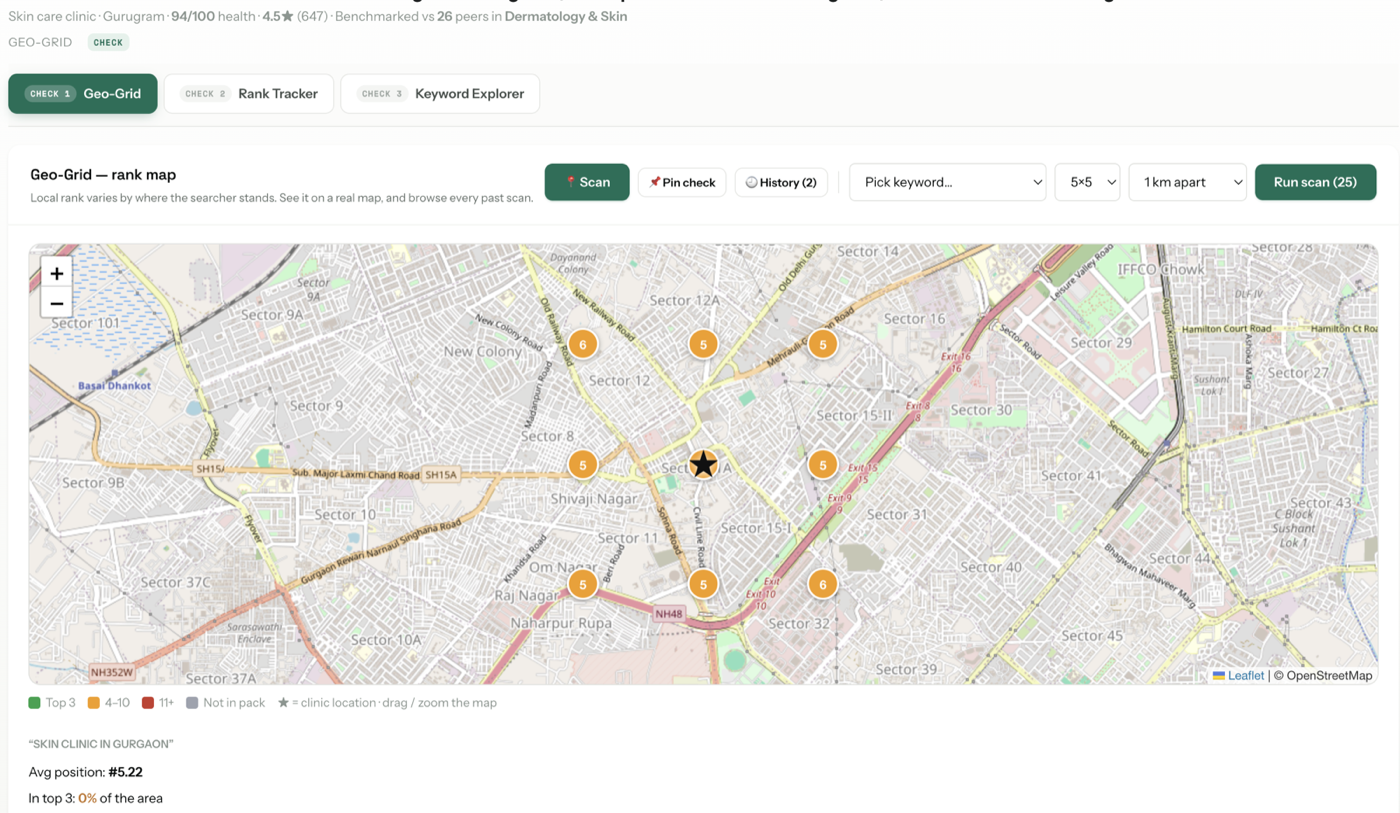
Children's hospital or paediatric-focused hospital: Hospital tier at ₹1,50,000-₹4,00,000/month covers department-level operations, daily Post cadence, review operations across the full paediatric patient family footprint, weekly Geo-Grid tracking, ongoing citation building, monthly AIO audit, custom reporting.
Related reading
- Healthcare local SEO agency India — pillar service page
- Local SEO for cardiology clinics India — referral-heavy comparison
- Local SEO for dental chains India — high-velocity comparison
- Local SEO for dermatology clinics India — visual-medium comparison
- Local SEO for orthopedic practices India — sub-specialty depth comparison
- Pediatric marketing cost India — budget context
FAQ
How is local SEO for paediatric different from other specialties? Parents are the decision makers (not patients), long retention creates high lifetime value (8-15 years per family), and trust signals in reviews and clinic photos compound more than in adult specialties.
How many reviews does a competitive paediatric practice need? 200-500 minimum for metro-competitive positioning. Children's hospitals typically 500-1,500+. Reviews accumulate more slowly but with higher quality.
Can a paediatric practice show child patient photos on GBP? No, regardless of parental consent. Child privacy protections are stronger than adult; identifiable child photos on marketing materials expose the practice to legal risk and violate NMC guidance on paediatric patient identification.
What's the compliance approach for paediatric review replies? NMC restrictions apply plus child-privacy considerations. Compliant pattern acknowledges parent experience without identifying the child by name, condition, or specific circumstance.
How long before a paediatric practice sees ranking improvement? First measurable movement in 4-8 weeks. Substantive ranking improvement in 3-4 months. Full compound effect in 6-12 months.
Should a paediatric practice have separate Google categories for sub-specialties? Yes. Pediatric Cardiologist, Pediatric Dentist, Pediatric Neurologist, etc. are separate Google categories that rank for different queries. Solo generalists use "Pediatrician" primary; sub-specialists use their sub-specialty.
What Angryturtle features matter most for paediatric? Rank OS with paediatric-specific weighting (Review Health and Freshness heavier), Ask Maps with parent-focused question bank, Content Studio for child-privacy-safe content drafting, Geo-Grid for extended catchment mapping (families sometimes travel further for trusted paediatrician).
How does paediatric practice retention affect local SEO strategy? High retention means acquired patient families produce reviews over years, not just after first visit. Content strategy should support ongoing relationship (vaccination reminders, growth milestone education, seasonal illness guidance) rather than just first-visit acquisition.
Does ICG handle paediatric sub-specialties (paediatric cardiology, dentistry, neurology)? Yes. Each sub-specialty gets appropriate defaults — different primary categories, different services lists, different Ask Maps question banks, different pricing tier based on practice scale.
What compliance frameworks apply to paediatric marketing? NMC's 2026 advertising guidelines, ASCI Guidelines 2022, DPDP Act 2023 (with additional child data protection considerations), and additional guidance on paediatric patient identification and privacy protection.
Can Angryturtle handle a children's hospital's local SEO? Yes. Children's hospitals fit at Hospital tier (₹1,50,000-₹4,00,000/month) with paediatric-specific configuration across all Angryturtle modules.
Should paediatric practices run Google Ads alongside local SEO? Usually helpful for new practices building patient family enrollment. Established practices with waiting lists may not need Google Ads at all. Local SEO usually sufficient for maintenance and growth of established practices.
Book a free SEO diagnostic.
Hanuman Sihag's team runs a live crawl, checks technical health, cannibalisation, schema coverage and content gaps. 60 minutes, prioritised fix list.
The three platforms
behind every ICG engagement.
Beacon
CAPI middleware that fixes Event Match Quality, translates CRM statuses to Meta-standard events, dedups across channels.
Agency OS
Live client dashboard. GSC, GA4, Google Ads, Meta Ads, IVR calls in one view. Login anytime, not monthly.
Phoenix
Clinic revenue intelligence over your PMS. Daily action queue: Prevent Loss, Maintain & Engage, Grow Revenue. Multi-centre rollout.
Or book a free 30-min audit to see all three in action on your account.
Healthcare brands
that already run on ICG.
A representative slice of the 150+ healthcare brands ICG has delivered for across India. Most engagements remain under NDA.


What ICG clients say · on video.
"Scale up of organic channels and business consulting. ICG has absolute domain authority in their field."
"Working with ICG transformed how we acquire IVF patients in Gurgaon. They understand the fertility journey from inquiry to consult..."
"What Ichelon accomplished — they got all my ideas and worked over 3-4 months to create an amazing, super-customised website."
The intelligence stack behind this playbook.
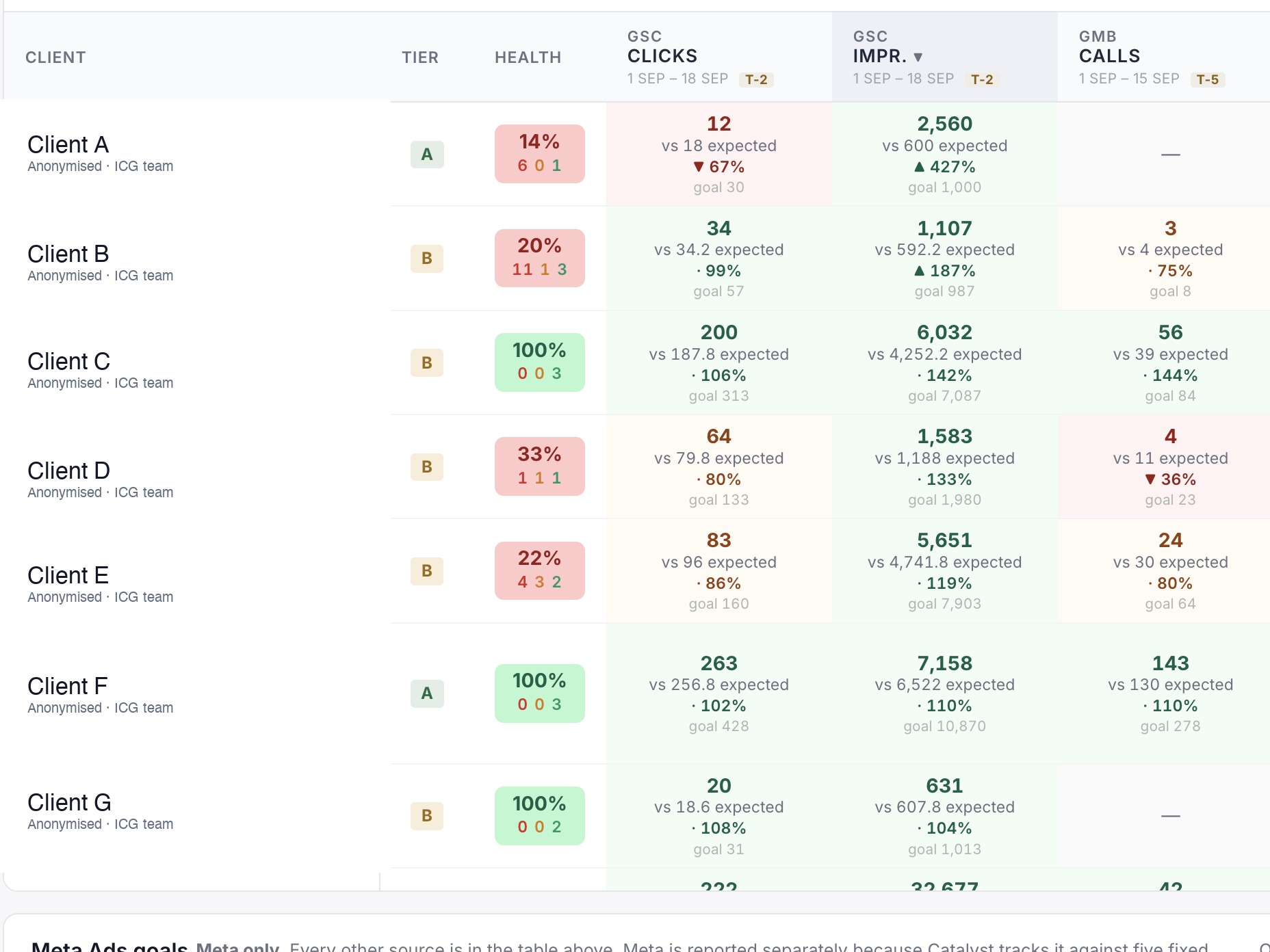
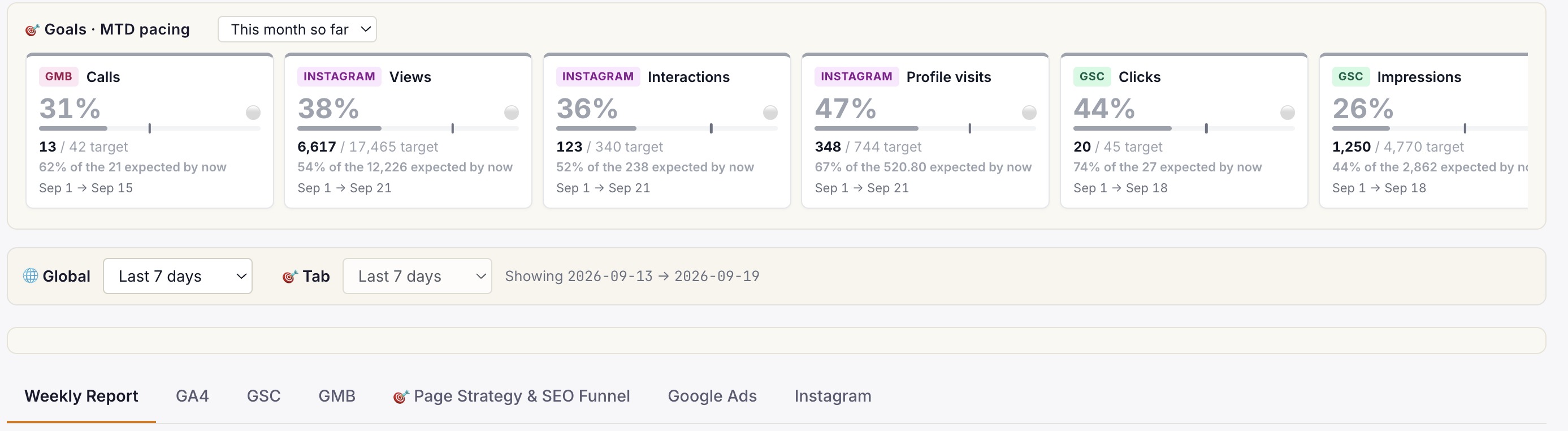
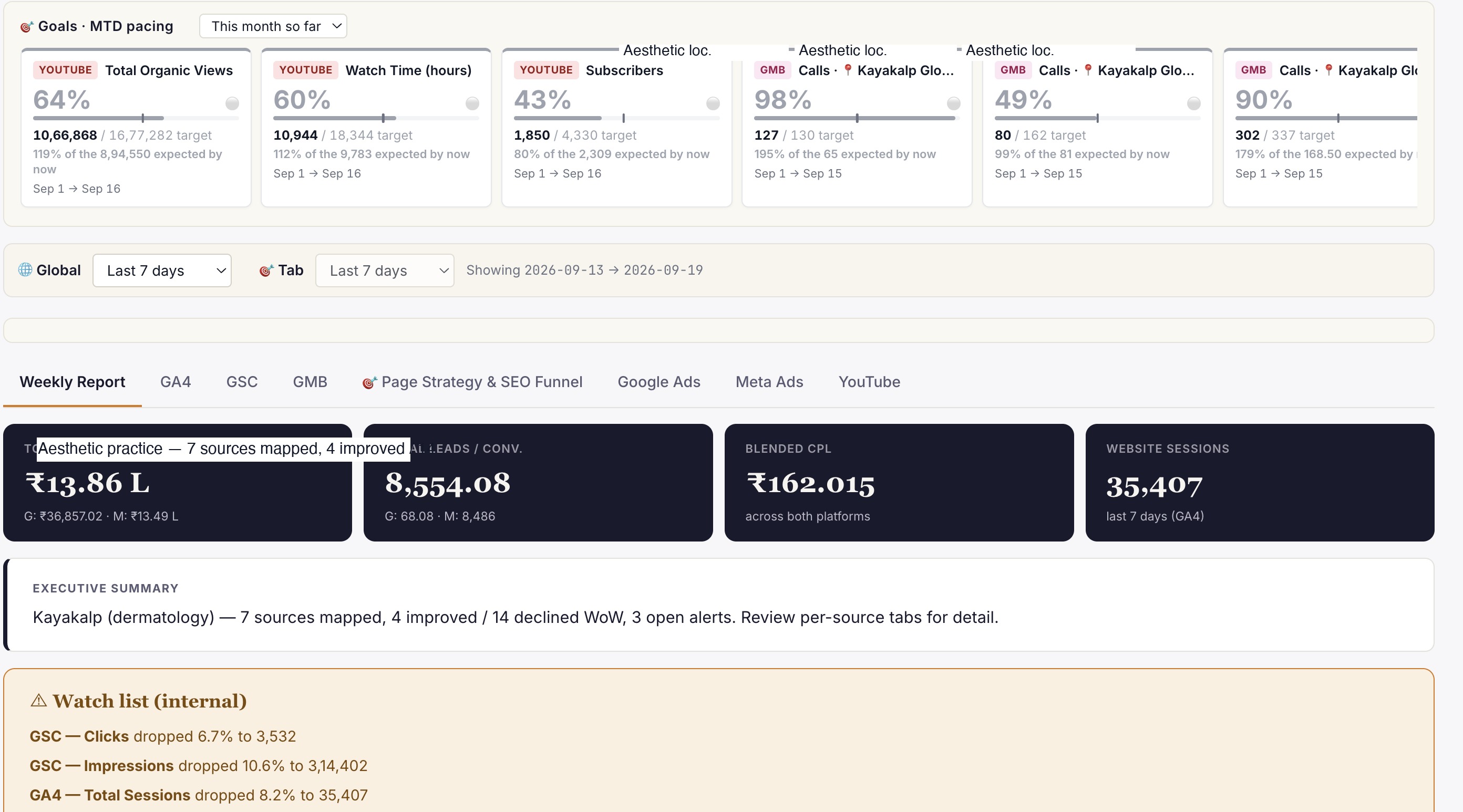
Every ICG engagement runs on the Search Intelligence Trifecta — Angryturtle for GMB, SIE for search and AI Overview, YODA for YouTube. Live product screens below.
Need help operationalising this?
Every ICG service is healthcare-only, NMC + DPDP-aware, and built around the patient-research patterns that drive Indian healthcare growth in 2026.
Every practice welcome — packages from ₹20,000/mo.
Goals-Driven engagements · Performance-Linked Payout Models available
More from
ICG.
Five trends shaping Indian healthcare marketing through 2027: AI-first patient research, Conversions API adoption, ABDM discovery, the AEO w...
Healthcare AIO is the discipline of getting your clinic or hospital cited inside Google AI Overviews, ChatGPT and Perplexity answers — not j...
Conversational-search advertising places brand messages inside AI chat answers — ChatGPT, Perplexity, Copilot — rather than beside a results...
Stop guessing.
Book a Diagnostic.
30 minutes. Free. With the AI-powered healthcare-only marketing agency 150+ brands already run on. No slides, no pitch, no hard close.


