


Media interviews and PR for doctors under the NMC 2026 guidelines
Doctors in India can still give media interviews under the NMC's October 2026 guidelines when the aim is public education, not self-promotion. Earned editorial coverage is the safe route; paid interviews and advertorials count as advertisement. Hospitals can run institutional PR with factual information. Here is how to prepare and what to avoid.
No pitch. Written root-cause diagnosis. AI-powered, healthcare only.
Direct answer
Doctors in India can still give media interviews under the NMC's October 2026 guidelines when the aim is public education, not self-promotion. Earned editorial coverage is the safe route; paid interviews and advertorials count as advertisement. Hospitals can run institutional PR...
TL;DR
Doctors in India can still give media interviews and take part in public health communication under the NMC's October 2026 guidelines, as long as the purpose is public education and not self-promotion. The safe pattern is earned, editorial coverage where the doctor explains a health topic accurately, with name and qualifications, and no testimonials, superiority claims or appeals to visit them. Paid interviews, advertorials and sponsored features should be treated as advertisement and meet the same rules as an ad. Hospitals can run PR for the institution with factual, verifiable information. This guide sets out how, as of October 2026.
Can doctors give media interviews under the NMC 2026 guidelines?
Yes, for public education. A doctor can explain a disease, a public health issue or a new guideline in a newspaper, TV or podcast interview. What the October 2026 NMC guidelines restrict is using that appearance to solicit patients, promote themselves or make unverifiable "best" claims. Paid placements should be treated as advertisement.
The NMC guidelines cover "public communication" as well as advertising. They say a registered medical practitioner shall not solicit patients or self-promote, and shall not permit their name, image or endorsement to be used to promote services or products. An interview that stays on the health topic fits. An interview that ends with the doctor's clinic offer does not.
We cannot predict how every State Medical Council will read a borderline case. If an appearance is paid, sponsored or arranged in exchange for advertising spend, treat it as an ad and get counsel's view first.
A simple test before saying yes
- Is the main purpose to inform the public about a health topic?
- Is the coverage editorial, chosen by the journalist, with no payment?
- Will the doctor be introduced with name, qualifications and designation only, without superlatives?
- Can every claim the doctor makes be checked against accepted evidence or official guidance?
Four "yes" answers point to a lower-risk interview. Any "no" means rework it, decline or take counsel's view.
Earned interview, paid placement or advertorial: what is the difference?
An earned interview is coverage a journalist chooses to run without payment. A paid placement or sponsored feature is space bought by the hospital or doctor. An advertorial is an ad written to look like editorial. The 2026 guidelines include sponsored communication in their definition of advertisement, so treat anything paid or sponsored as an ad.
| Format | Who controls the content | Likely treatment under NMC 2026 (our reading) | Practical guidance |
|---|---|---|---|
| Earned news interview | The journalist | Public communication; education is acceptable | Stay on the health topic; no promotion or offers |
| Expert quote in a feature | The journalist | Public communication | Give accurate, cautious quotes; avoid commenting on individual patients |
| Doctor's own podcast or YouTube talk | The doctor or hospital | Educational content in the doctor's name | Show qualifications and registration number; no testimonials |
| Sponsored interview or "health special" | The sponsor, largely | Advertisement | Factual, institutional, no superiority claims; get counsel's view |
| Advertorial or paid award feature | The sponsor | Advertisement; high risk if it praises an individual doctor | Avoid for individual doctors |
| Hospital press release | The hospital | Institutional communication | Factual news: new department, facility, community programme |
Paid "award" and "top doctors" features deserve special caution. They tend to combine payment, superlatives and personal promotion of a doctor, which are the three things the guidelines target.
What is the role of hospital marketing and PR now?
Hospital marketing and PR now exist to make factual information easy to find and to build public trust through education. That means announcing real news, explaining services clearly, supporting doctors to speak on public health topics and handling reputation issues calmly. Persuasion through testimonials, offers and personal branding of doctors is no longer the tool.
The guidelines explicitly let hospitals and medical institutions disseminate factual, verifiable information: departments, facilities, accreditations, charges and a doctor directory. That gives hospital PR plenty to work with:
- Institutional news. A new department, a new facility, extended emergency hours, a community screening camp.
- Public health commentary. Doctors explaining seasonal illness, a new government programme or a public health alert.
- Awareness campaigns. Aligned with recognised health awareness days, run under the hospital's name.
- Thought pieces. Op-eds by senior clinicians on health policy or patient safety, without mentioning their own services.
- Crisis communication. Clear, factual statements when something goes wrong.
ICG's healthcare PR agency team works on exactly this mix for hospitals, clinics and life-sciences brands. If you are deciding where PR ends and reputation management begins, our answer on healthcare ORM versus PR lays it out.
Who are some famous doctor influencers in India, and should you copy them?
We will not name individuals, because popularity is not a compliance test. Many well-known doctors on social media in India built their following through education: clear explainers, myth-busting and public health commentary. That part is worth copying. Paid brand endorsements, patient stories and self-promotional posts are what the October 2026 guidelines now restrict.
When you look at a doctor with a large following, judge the account on these questions rather than its size:
- Does every post teach something, or do many sell something?
- Are qualifications and registration number shown on the profile and in videos?
- Does the doctor endorse products or brands? Under the guidelines, a practitioner should not permit their name or image to be used to promote products.
- Are patient stories or reviews shared for promotion?
- Are AI-generated promotional videos used, and is permitted AI content labelled?
Hospitals sometimes want to pay doctor influencers to talk about a service. The guidelines say engagement of influencers must not be structured so payment is linked to procuring or referring individual patients, and individual doctors face limits on promoting services. Read our answer on doctor influencer collaborations under NMC rules before signing anything.
How to promote doctors online through earned media?
Make the doctor a reliable source for journalists and a clear explainer for the public, under the hospital's or clinic's banner. Build a short expert profile, identify the topics the doctor can speak on with evidence, respond to journalists quickly, and repurpose each interview into educational articles and videos on the clinic's own channels.
Build the foundations
- An expert profile page on the hospital or clinic site: name, qualifications, registration number, department, areas of clinical interest. No adjectives.
- A topic list of three to five subjects the doctor can speak on confidently, with official sources ready.
- A short bio journalists can paste, written in neutral language.
- A media contact at the hospital who can confirm availability the same day.
Turn coverage into search visibility
Earned coverage does more than reach readers once. It creates mentions that search engines and AI assistants read. When the hospital also publishes an educational article on the same topic, with the doctor as named reviewer, that page has a better chance of being quoted by Google AI Overviews and ChatGPT. Our SEO services for doctors connect these two pieces.
Regional-language media matter too. Hindi and regional newspapers, local TV and radio reach patients in Tier-2 and Tier-3 cities that English coverage misses. A doctor who can explain a topic clearly in the local language is valuable to these outlets.
How should a doctor prepare for an interview?
Prepare three key messages on the health topic, the official sources behind them, and a short list of things the doctor will not discuss: individual patients, competitors, prices of their own services and outcome guarantees. Agree in advance how the doctor will be introduced, and ask for no superlatives in the caption or headline.
| Before | During | After |
|---|---|---|
| Confirm the outlet is editorial, not a paid feature | Stay on the topic; speak to the public, not to prospective patients | Check the published caption and headline for superlatives; request a correction if needed |
| Agree the introduction: name, qualifications, designation | Do not discuss individual patients, even anonymously, if they could be identified | Share the coverage from the hospital's handle as news, not as a promotion |
| Prepare three messages and official sources | Avoid "best", "only", "guaranteed" and success-rate claims | Turn the topic into an article or video on the clinic's site |
| Brief on what not to discuss | No offers, discounts or invitations to visit | Log the appearance and approver in your compliance file |
Live TV and podcasts are harder to control than print. Do a short rehearsal and agree a neutral way to redirect off-topic questions, such as "I can't speak about an individual case, but in general…".
How do PR and reputation management work together in a crisis?
In a crisis, the hospital speaks first, factually and briefly, through one spokesperson. Doctors should not respond individually on social media or discuss the patient involved. Patient confidentiality and the DPDP Act, 2023 still apply. Monitor reviews and comments, reply calmly, and correct false information without arguing in public.
- Confirm the facts internally before saying anything.
- Issue a short holding statement from the hospital, not from a doctor's personal handle.
- Do not reveal any patient information, even to defend the hospital.
- Brief front-desk and call-centre staff with the same wording.
- Follow up when there is real news, such as a completed review.
Our crisis communication playbook for clinics goes step by step. For ongoing review and search-result monitoring, see ICG's healthcare online reputation management.
How should you measure doctor and hospital PR now?
Measure reach and trust, not bookings attributed to one interview. Track editorial mentions, the quality of the outlets, branded search volume over time, mentions in AI assistant answers, and enquiries that cite having seen the hospital in the media. Avoid fee structures that tie PR payment to individual patients.
| Measure | Why it matters | How to track it |
|---|---|---|
| Editorial mentions | Shows how often journalists use your experts | A simple monthly coverage log |
| Outlet relevance | A regional daily read by your catchment can matter more than a national feature | Tag each mention by city and language |
| Branded search trend | Coverage tends to lift searches for the hospital's name | Google Search Console, compared month on month |
| AI assistant mentions | ChatGPT, Gemini and Perplexity increasingly answer health-provider questions | Ask the same questions monthly and record whether the hospital is cited |
| Self-reported source | Patients often say where they heard of you | A "how did you hear about us" field at the front desk |
Review the log quarterly. Drop topics that never get picked up and invest in doctors who explain well and respond quickly. Share the log with the doctors involved, so they can see which topics the public and journalists value most.
Before you begin, request ICG's free NMC compliance audit of your website and social handles, so that journalists who look you up find compliant pages. For the wider rule changes, read what clinics and hospitals must change under the October 2026 guidelines. ICG has worked only in healthcare since 2018, across 150+ healthcare and life-sciences brands. This article is general information, not legal advice; confirm specific cases with counsel or your State Medical Council.
Book a free 30-minute Brand & Growth Diagnostic.
It's a working session, not a sales pitch — you leave with a written root-cause analysis you can act on, whether or not you engage ICG.
Questions readers ask
about this topic.
The three platforms
behind every ICG engagement.
Beacon
CAPI middleware that fixes Event Match Quality, translates CRM statuses to Meta-standard events, dedups across channels.
Agency OS
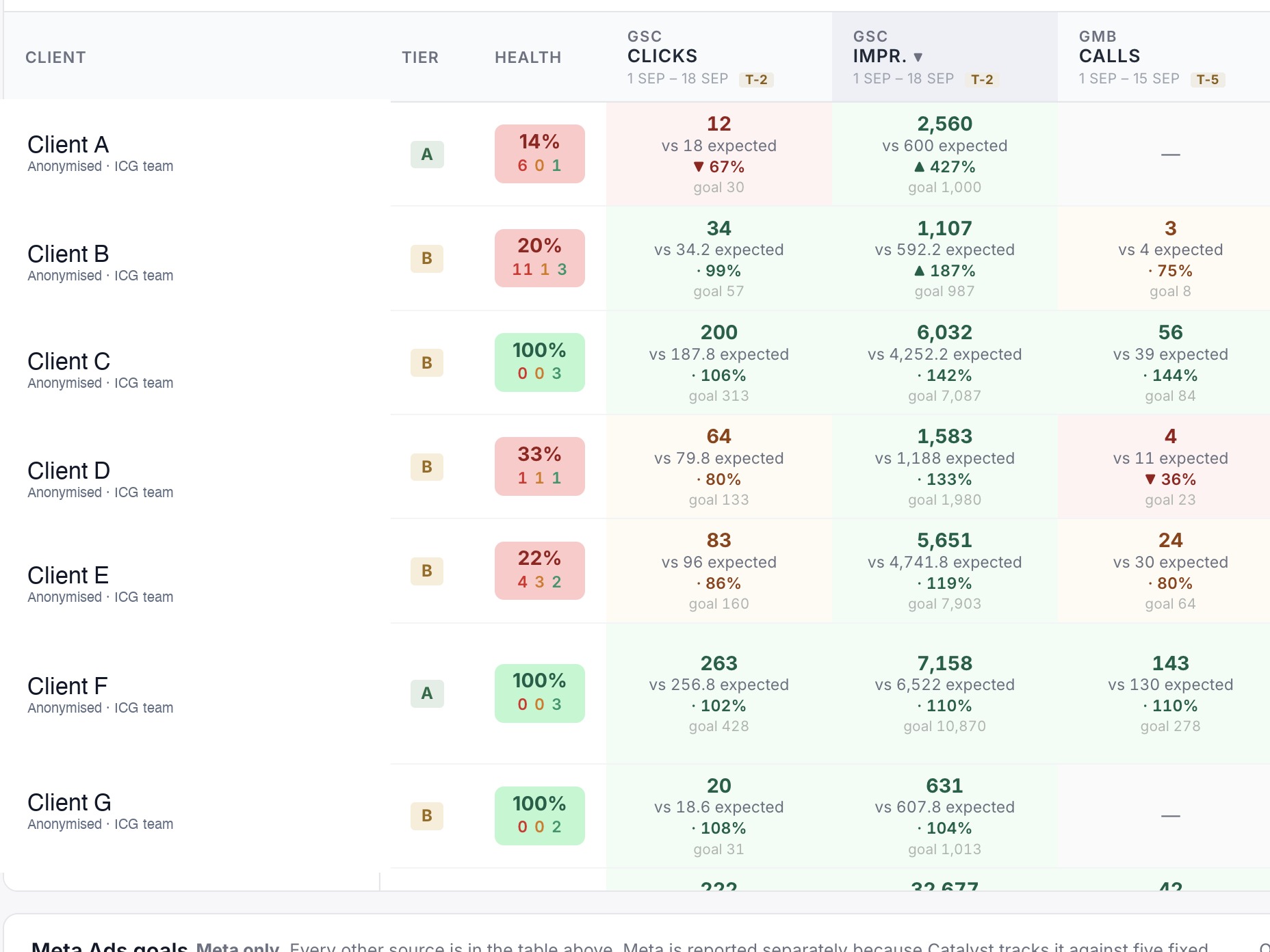
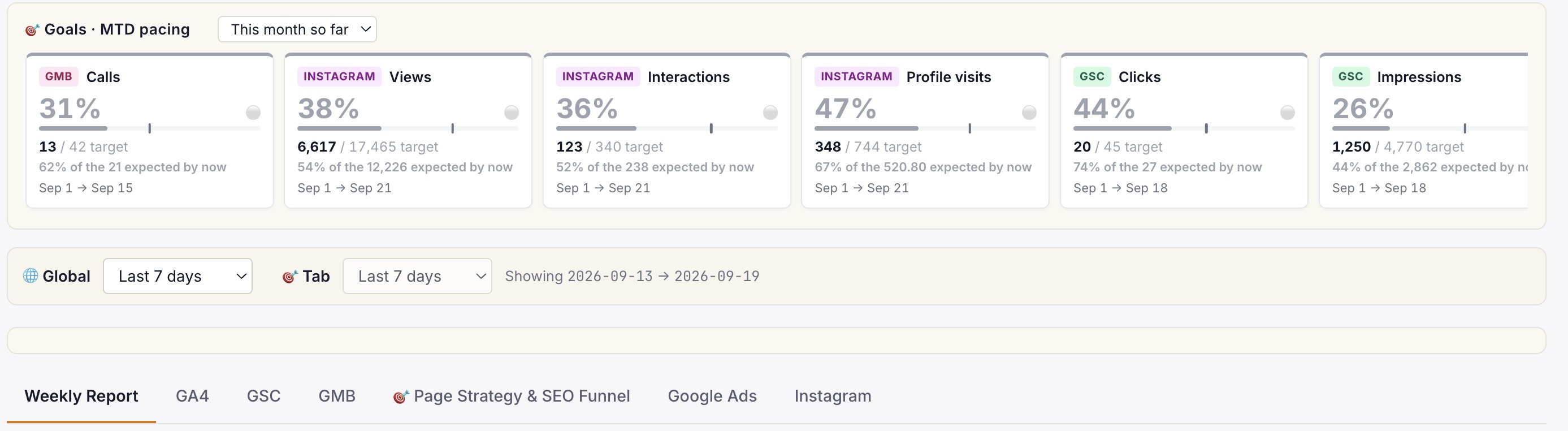
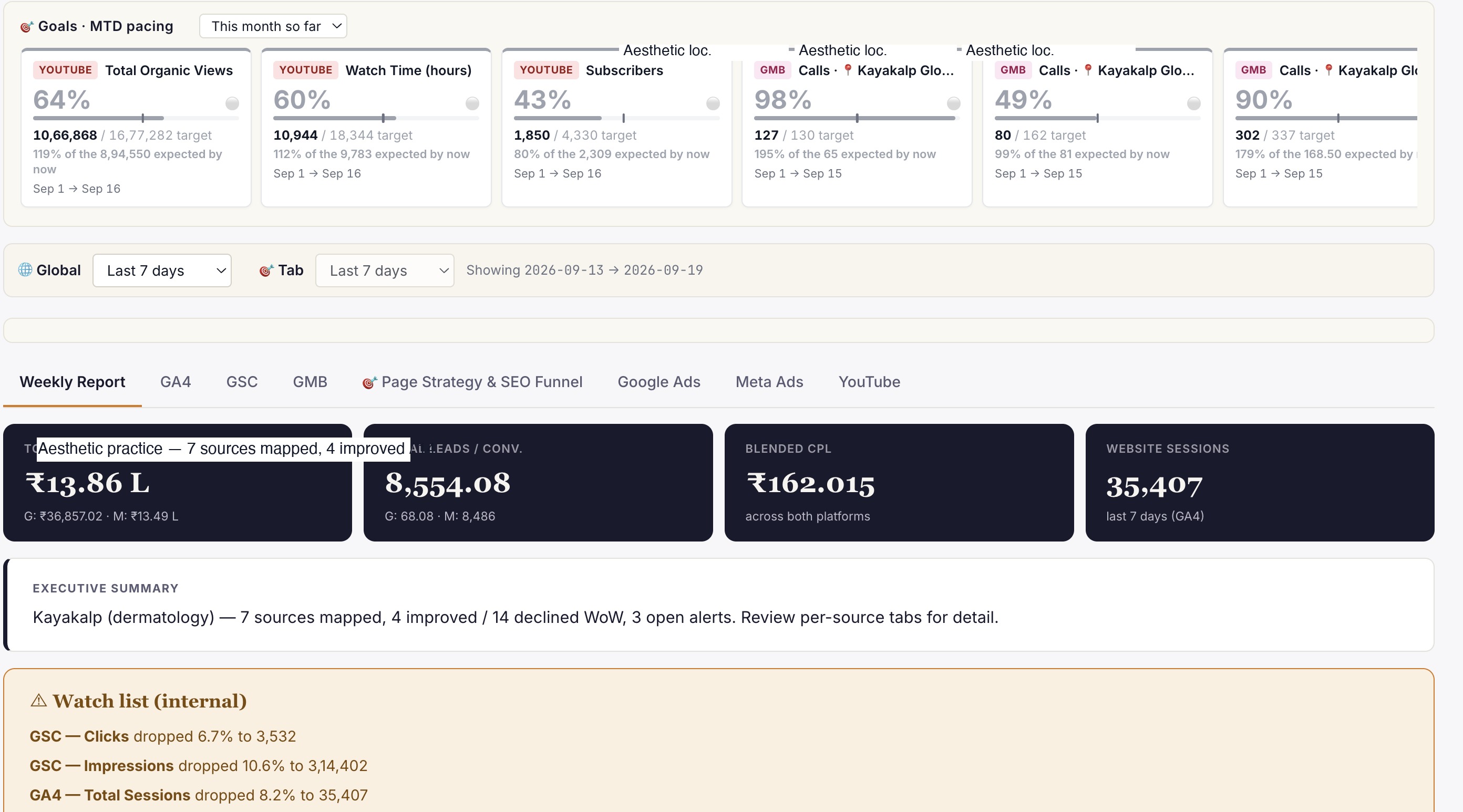
Live client dashboard. GSC, GA4, Google Ads, Meta Ads, IVR calls in one view. Login anytime, not monthly.
Phoenix
Clinic revenue intelligence over your PMS. Daily action queue: Prevent Loss, Maintain & Engage, Grow Revenue. Multi-centre rollout.
Or book a free 30-min audit to see all three in action on your account.
Healthcare brands
that already run on ICG.
A representative slice of the 150+ healthcare brands ICG has delivered for across India. Most engagements remain under NDA.


What ICG clients say · on video.
"Scale up of organic channels and business consulting. ICG has absolute domain authority in their field."
"Working with ICG transformed how we acquire IVF patients in Gurgaon. They understand the fertility journey from inquiry to consult..."
"What Ichelon accomplished — they got all my ideas and worked over 3-4 months to create an amazing, super-customised website."
Need help operationalising this?
Every ICG service is healthcare-only, NMC + DPDP-aware, and built around the patient-research patterns that drive Indian healthcare growth in 2026.
Every practice welcome — packages from ₹20,000/mo.
Goals-Driven engagements · Performance-Linked Payout Models available
More from
ICG.
Hindi and regional-language SEO means publishing proper pages in the languages your patients search in, on their own URLs and linked with hr...
A new pharma brand in India should start digital work before launch, built around who it may legally address. This six-month plan covers pro...
Hospitals and clinics in India can still advertise after the NMC's 6 October 2026 guidelines, but only with factual, verifiable information....
Stop guessing.
Book a Diagnostic.
30 minutes. Free. With the AI-powered healthcare-only marketing agency 150+ brands already run on. No slides, no pitch, no hard close.


