


Google Ads vs SEO for dermatology clinics: how to split the budget
Split a dermatology clinic's budget by stage, not a fixed ratio. New clinics should lean on Google Ads while their profile and pages build; established clinics with rankings should shift towards SEO. Split by stage and treatment, judge both on cost per qualified lead, and rebalance quarterly.
No pitch. Written root-cause diagnosis. AI-powered, healthcare only.
Direct answer
Split a dermatology clinic's budget by stage, not a fixed ratio. New clinics should lean on Google Ads while their profile and pages build; established clinics with rankings should shift towards SEO. Split by stage and treatment, judge both on cost per qualified lead, and rebalan...
TL;DR
Split a dermatology clinic's budget by stage: a new clinic should put most of it into Google Ads while its Google Business Profile and website build up, and an established clinic that already ranks should shift steadily towards SEO. No fixed ratio suits every clinic. Split again by treatment, review every quarter, and judge both channels on cost per qualified lead.
Below: what each channel does well, a stage-based split, what the money buys on each side, and how agencies in India charge.
How do you promote a skin clinic?
Promote a skin clinic through four channels working together: Google Ads for people searching for a treatment now, SEO and the Google Business Profile for steady local visibility, Instagram and other social platforms for education and trust, and WhatsApp for follow-up with patients who have consented. The budget question is mostly about the first two.
Dermatology has a mix of patient needs. Some are medical and urgent, such as acne flare-ups, rashes or hair loss. Others are elective and researched, such as laser treatments, pigmentation care or scar revision. Urgent needs favour ads and the map listing. Researched needs reward strong content, because patients read before they book.
Whichever channels you use, every message must follow the NMC's 6 October 2026 advertising guidelines and the 2002 Regulations. Clinics may publish factual, verifiable information. Testimonials, before/after images, inducements and superiority claims such as "best" are not permitted in promotion. Individual doctors are limited to genuinely educational content in their own name, with qualifications and registration number. An NMC compliance audit checks ads, pages and profiles against these rules. This reflects the rules as of October 2026; confirm specifics with your counsel.
What does Google Ads do for a dermatology clinic that SEO cannot, and vice versa?
Google Ads buys visibility today, for exactly the treatments and areas you choose, and stops the moment you stop paying. SEO earns visibility slowly, covers far more searches, and keeps working after the effort is done. Most clinics need both: ads for speed and control, SEO for lower long-term cost and the trust that organic and AI-answer visibility brings.
| Factor | Google Ads | SEO and Google Business Profile |
|---|---|---|
| Time to first enquiries | Days, once tracking and pages are ready | Weeks for the profile; months for organic rankings |
| Control | Choose treatments, areas, hours and budget | Influence only; Google decides rankings |
| Cost pattern | Ongoing; each click is paid | Upfront effort; enquiries do not cost per click |
| Coverage | The keywords you bid on | Hundreds of long-tail questions and treatment searches |
| AI Overviews and chat assistants | Not cited as sources | Well-structured pages can be quoted and recommended |
| Compliance risk | Ads reviewed by Google; NMC rules still apply | Every page and post must follow NMC rules |
| When you stop | Enquiries stop | Rankings fade slowly if not maintained |
The two channels also feed each other. Search terms from your ads show which treatments and phrases patients use, which guides your content. Strong landing pages built for ads often become strong SEO pages too. Ads do not directly improve organic rankings. Google keeps the two systems separate. The benefit is indirect: better data, better pages and a stronger brand that more people search for by name.
How should a dermatology clinic split its budget by stage?
Split by the clinic's stage. New clinics lean on ads because they have no rankings yet. Growing clinics balance the two as organic enquiries arrive. Established clinics with strong rankings move more budget to SEO and keep ads for high-value treatments and competitive areas. Move the split only when tracked results justify it.
| Stage | Google Ads weight | SEO and profile weight | Main goal |
|---|---|---|---|
| New clinic, first months | Heavy | Light but steady: profile, core treatment pages, technical basics | Fill the appointment book while foundations build |
| Growing clinic, first organic enquiries | Moderate | Rising: more treatment pages, locality pages, reviews | Reduce dependence on paid clicks |
| Established clinic, strong rankings | Focused on high-value and competitive treatments | Main investment: content depth, refreshes, AI-answer formats | Lower blended cost per qualified lead |
| New branch or new service launch | Heavy for that branch or service | New pages and a profile for the branch | Start enquiries quickly in the new area |
Within each stage, split again by treatment. Medical consultations for acne, hair fall or eczema have broad demand and are often well served by the map listing and organic pages. Elective procedures usually justify more ad spend, because each booked patient is worth more and the searches are competitive.
Seasonality matters too. Dermatology searches shift with weather, wedding seasons and festivals in many Indian cities. Ads can follow those peaks closely. SEO content needs to be in place before the season starts, so plan it a few months ahead.
If you want to model the numbers for your own clinic, the clinic marketing budget calculator helps you work out a starting split from your targets.
Private dermatology clinic Google Ads: what should you run?
A private dermatology clinic should run search campaigns grouped by treatment, a tight radius around the clinic, call and location assets, and a dedicated landing page per treatment. Add brand protection for your clinic name, a strong negative keyword list for product searches, and factual ad copy without before/after imagery, testimonials or superiority claims.
- Group by treatment. Acne, hair fall, pigmentation, laser hair reduction and scar treatment each deserve their own ad group and page.
- Block product shoppers. Cream, serum, face wash and sunscreen searches can waste a large part of a dermatology budget. Our list of negative keywords for Indian clinics covers these.
- Use the map. Location assets and a well-kept Business Profile help ads and organic listings support each other. Keep the profile's categories, services, hours and phone number identical to what the ads say.
- Track to the booking. Count calls, WhatsApp chats and forms, then record which became consultations.
- Write factual copy. Name the treatment, the doctor's qualifications where named, timings and location. Avoid outcome promises.
Brand protection deserves a note. Bidding on your own clinic name usually costs little per click and helps stop other advertisers capturing patients who are already looking for you. Keep that campaign separate, so its low cost does not flatter the results of your treatment campaigns. If you would rather hand the account to a healthcare-only team, our healthcare PPC agency service runs dermatology accounts with the tracking described here.
What does the SEO budget buy for a skin clinic?
The SEO budget buys a complete and active Google Business Profile, one in-depth page per treatment, a few locality pages for areas you truly serve, patient-question content that AI answers can quote, technical fixes, and review and citation work. Each piece adds coverage. Together they lower the share of enquiries you must pay for.
- Foundations. Site speed, mobile layout, clear navigation, schema markup and accurate contact details everywhere.
- Treatment pages. One page per treatment, reviewed by the dermatologist for accuracy, with process, suitability, recovery and costs explained as cost drivers rather than promises.
- Google Business Profile. Categories, services, photos of the clinic, regular posts and steady honest reviews.
- Question content. Plain-language answers to the questions patients ask, in English and, where useful, Hindi or a regional language.
- Locality pages. Only for areas that already send enquiries, each with directions, timings and services specific to that area. Near-identical templates with the locality name swapped fall under what Google's spam policies call doorway pages.
Dermatology content must stay educational. It should not read like an advertisement for one doctor. That also suits how Google and AI assistants choose sources: they favour clear, accurate, well-structured answers.
How much does a marketing agency charge in India?
Agency fees in India vary widely with scope, channels, the number of locations and how much content is needed. Common models are a fixed monthly retainer, a percentage of ad spend, project fees for websites or audits, and one-time setup fees. The ad budget paid to Google or Meta is separate from the agency fee in all of these.
| Pricing model | How it works | What to check |
|---|---|---|
| Fixed monthly retainer | One fee for an agreed scope of work | Exactly which channels, deliverables and reports are included |
| Percentage of ad spend | Fee rises with the media budget | Whether the agency benefits from raising spend you do not need |
| Retainer plus ad-spend fee | Base fee plus a share above a spend level | Where the threshold sits and how it is calculated |
| Project fee | One-time price for a website, audit or launch | Revisions, ownership of files and handover |
| Setup fee | Charged at the start for tracking, accounts and pages | What you own if you leave |
For clinics, one more check matters. Under the NMC's October 2026 guidelines, agency payments must not be linked to individual patients. Avoid any arrangement that pays an agency per patient or per procedure. Our answer on agency payment rules under the NMC guidelines explains this.
ICG's retainers start from ₹20,000 per month and are custom-scoped to the clinic's channels and goals. Ad spend is billed separately by the platform. For a wider view of dermatology services, see our dermatology marketing agency page.
How do you measure and rebalance the split?
Measure both channels on the same yardstick: cost per qualified lead and cost per booked consultation, by treatment. Count SEO enquiries from organic search, the map listing and AI-assistant referrals. Review the numbers every quarter and move budget towards whichever channel is producing qualified patients more cheaply for each treatment.
- One definition of qualified. Reachable, asking about a treatment you offer, in your area, willing to visit.
- Separate tracking numbers. Use different numbers for ads, the website and the Business Profile, so calls are attributed correctly.
- Blended view. Add the total spend on both channels, divide by total qualified leads, and watch the trend.
- Benchmark. ICG's public dataset puts the median cost per qualified lead at ₹1,220 for ICG-managed accounts against a ₹2,100 market median. The CPQL benchmarks page explains how it is calculated.
Remember that AI assistants are now a source of enquiries for some clinics. Some patients ask ChatGPT, Gemini or Google's AI Overviews which skin clinics to consider in their area. Those answers draw on well-structured pages, profiles and reviews, not on ads. Add a question to your intake form or front-desk script asking how the patient found you, and count AI-assistant mentions under SEO. Without that, the organic side of the split will look smaller than it really is.
Avoid two common errors. First, cutting SEO in a slow month: rankings take months to build and are easy to lose. Second, cutting ads too early because organic enquiries rose once: wait until the organic trend holds for a full quarter. If you want help setting your split, book a call and we will go through your numbers treatment by treatment.
Book a free Google Ads account audit.
Raman Soni's team pulls your account, reviews campaign structure, keyword intent tiering, landing pages, and CPQL attribution. 45 minutes, actionable.
Questions readers ask
about this topic.
The three platforms
behind every ICG engagement.
Beacon
CAPI middleware that fixes Event Match Quality, translates CRM statuses to Meta-standard events, dedups across channels.
Agency OS
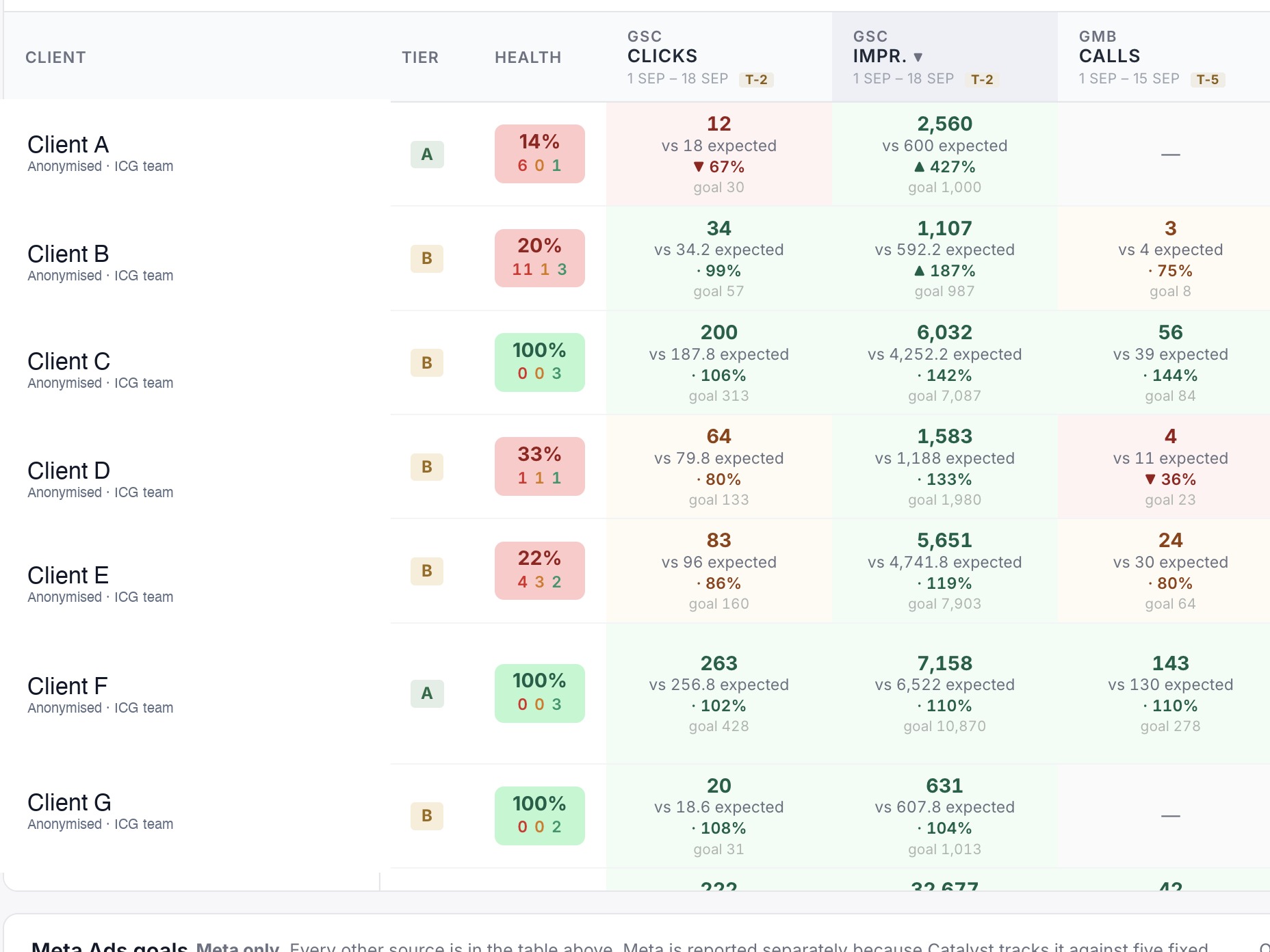
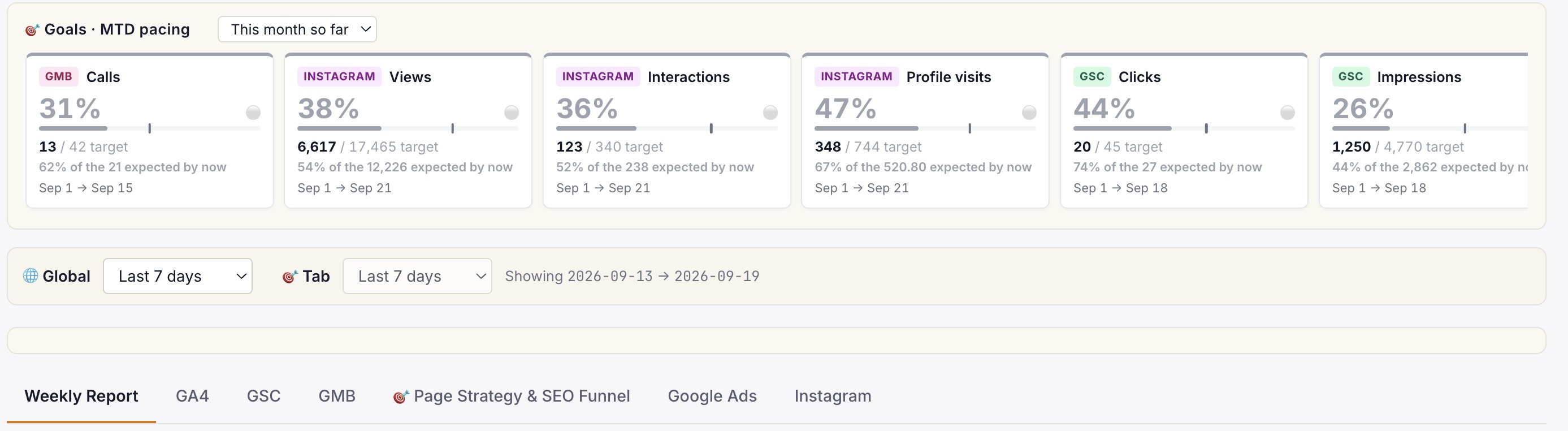
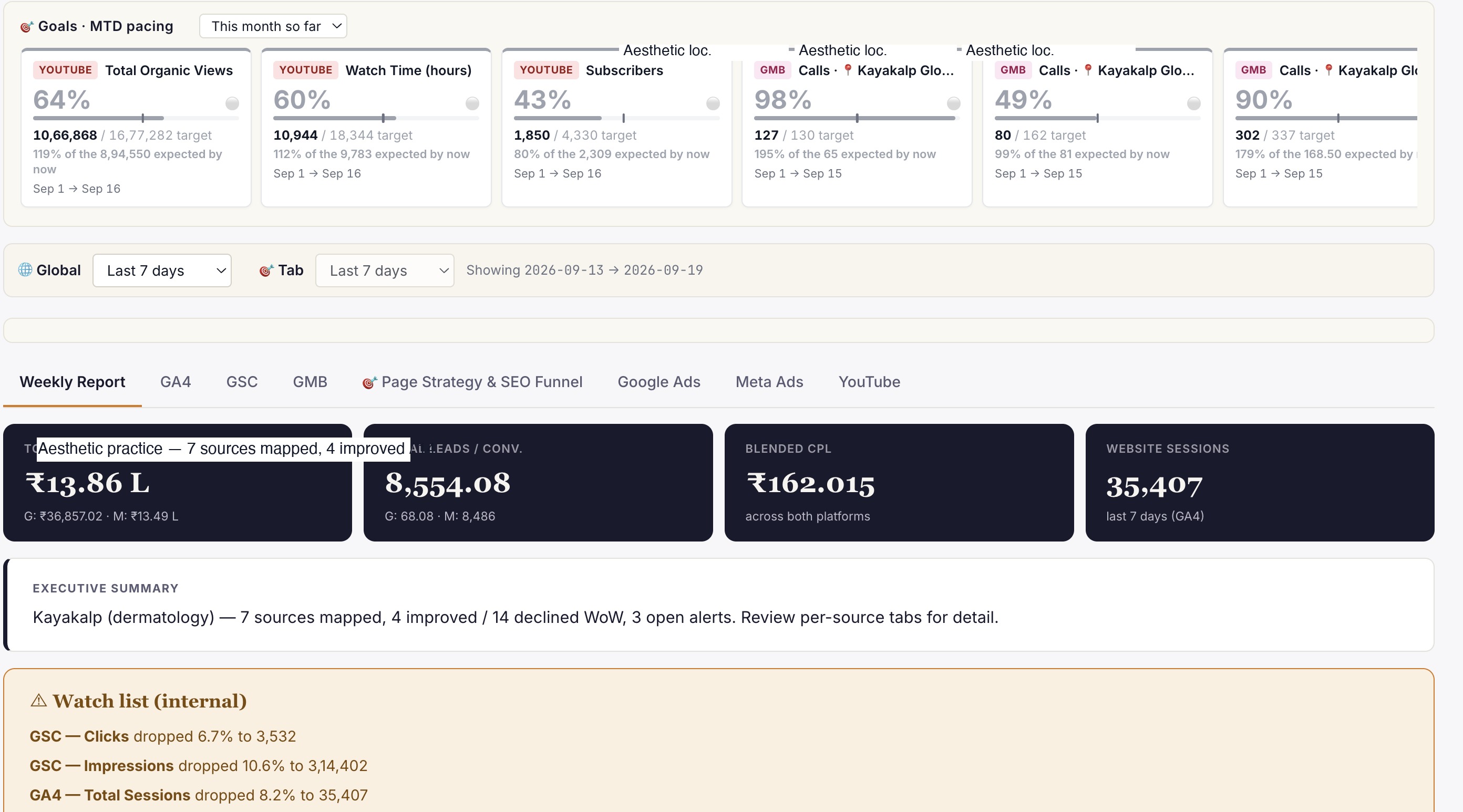
Live client dashboard. GSC, GA4, Google Ads, Meta Ads, IVR calls in one view. Login anytime, not monthly.
Phoenix
Clinic revenue intelligence over your PMS. Daily action queue: Prevent Loss, Maintain & Engage, Grow Revenue. Multi-centre rollout.
Or book a free 30-min audit to see all three in action on your account.
Healthcare brands
that already run on ICG.
A representative slice of the 150+ healthcare brands ICG has delivered for across India. Most engagements remain under NDA.


What ICG clients say · on video.
"Scale up of organic channels and business consulting. ICG has absolute domain authority in their field."
"What Ichelon accomplished — they got all my ideas and worked over 3-4 months to create an amazing, super-customised website."
"Working with ICG felt like working with an in-house growth team that happens to specialise in healthcare."
The intelligence stack behind this playbook.
Every ICG engagement runs on the Search Intelligence Trifecta — Angryturtle for GMB, SIE for search and AI Overview, YODA for YouTube. Live product screens below.
Need help operationalising this?
Every ICG service is healthcare-only, NMC + DPDP-aware, and built around the patient-research patterns that drive Indian healthcare growth in 2026.
Every practice welcome — packages from ₹20,000/mo.
Goals-Driven engagements · Performance-Linked Payout Models available
More from
ICG.
Hindi and regional-language SEO means publishing proper pages in the languages your patients search in, on their own URLs and linked with hr...
A new pharma brand in India should start digital work before launch, built around who it may legally address. This six-month plan covers pro...
Hospitals and clinics in India can still advertise after the NMC's 6 October 2026 guidelines, but only with factual, verifiable information....
Stop guessing.
Book a Diagnostic.
30 minutes. Free. With the AI-powered healthcare-only marketing agency 150+ brands already run on. No slides, no pitch, no hard close.


