


Weight Loss Clinic Marketing 2026: Social Campaigns, GLP-1 & Ads
How weight loss clinics market in 2026: social media campaign formats that work without before/after photos, GLP-1 and bariatric content, Meta and Google Ads rules, budgets, and US and India compliance notes.
No pitch. Written root-cause diagnosis. AI-powered, healthcare only.
Quick answer
What do successful weight loss clinic social media campaigns have in common?
The weight loss clinic campaigns that work on social media are clinician-led and education-first: short GLP-1 explainers from the prescribing doctor, walk-throughs of what joining the clinic involves, myth-busting posts and consented patient stories about the experience rather than pounds or kilos lost. They skip before-and-after photos, send every lead to a booked consultation and judge success on attended consultations, not likes.
Direct answer
How weight loss clinics market in 2026: social media campaign formats that work without before/after photos, GLP-1 and bariatric content, Meta and Google Ads rules, budgets, and US and India compliance notes.
TL;DR
TL;DR
- Weight loss clinic marketing spans 3 revenue tiers: bariatric surgery (highest revenue/patient), medical weight management (GLP-1 era), and diet/lifestyle programmes (highest volume, lowest margin)
- Before/after imagery is heavily regulated — NMC advertising rules and ASCI guidelines restrict unsubstantiated transformation claims
- GLP-1 medications (semaglutide, liraglutide) have transformed the medical weight management market — content strategy must address this
- CAC benchmarks: bariatric surgery consultation ₹2,400–₹8,500; medical weight management ₹850–₹3,200; diet programme ₹180–₹680
Weight management is one of India's largest and most commercially contested healthcare markets. National surveys such as NFHS-5 and the ICMR-INDIAB study put roughly one in four Indian adults in the overweight or obese range, so the demand side is enormous. The supply side — bariatric surgeons, obesity medicine specialists, dietitians, and weight loss centres — is growing equally fast, making differentiation and smart marketing essential.
The arrival of GLP-1 receptor agonists (semaglutide — marketed as Ozempic and Wegovy; liraglutide — Saxenda) as medically supervised weight management tools has added a new dimension to weight loss clinic marketing. Clinics that position themselves as GLP-1-competent medical weight management centres are capturing a significant new patient segment in 2026 — patients who were not candidates for bariatric surgery but now have an effective medical option.
Three revenue tiers of weight loss clinic marketing
Tier 1: Bariatric surgery — The highest revenue per patient. A gastric sleeve or gastric bypass surgery in India generates ₹2,50,000–₹8,00,000 in procedural revenue. The patient is typically a BMI 35+ individual who has failed conservative measures. The decision cycle is 6–18 months. Marketing approach: long-cycle educational content, surgeon authority building, patient support community, and insurance navigation support.
Tier 2: Medical weight management (GLP-1 era) — The fastest-growing segment. Patients with BMI 27–35 who have obesity-related comorbidities (type 2 diabetes, hypertension, PCOS) are now candidates for medically supervised GLP-1 programmes. These patients pay ₹8,000–₹35,000/month for medication + monitoring. Marketing approach: educational content about GLP-1 therapy, PCOS and diabetes community targeting, and physician referral from endocrinologists and GPs.
Tier 3: Diet and lifestyle programmes — The highest volume, lowest margin tier. Structured diet programmes, caloric management coaching, and metabolic health consultations generate ₹2,000–₹25,000 per patient for the programme duration. High patient volume but low per-patient revenue. Marketing approach: aggressive Meta Ads targeting + free consultation offers + community-driven retention.
Before/after imagery — the compliance minefield
Weight loss marketing is more heavily regulated in terms of visual claims than almost any other healthcare category. The regulatory landscape:
ASCI (Advertising Standards Council of India) guidelines: The ASCI Code specifically prohibits: before/after images that exaggerate or misrepresent results, use of filters or digital enhancement in transformation images, and claims of specific weight loss amounts without clinical data substantiation ("lose 30 kg in 90 days" — prohibited unless supported by clinical evidence and individual variation disclaimer).
NMC advertising rules: Applies to all medical weight loss clinic marketing (clinics operated by or affiliated with registered physicians). Outcome claims in patient testimonials — "I lost 28 kg with Dr [Name]'s programme" — are classified as specific outcome claims and are restricted. A testimonial can describe the patient's experience of the care ("the team was supportive and the programme was well-structured") but not the specific clinical outcome attributed to the treatment.
The compliant alternative in India: the NMC's Guidelines on Ethical Advertising and Public Communication (6 October 2026) bar doctors from displaying before-and-after photographs, publishing success rates or patient numbers, and requesting or sharing patient testimonials for promotion; patient consent does not make these permissible. What remains open: doctor-led educational explainers, infographics showing the programme structure and components (not outcomes), factual information about the clinic's team, facilities and fees, and peer-reviewed publication of outcome data.
GLP-1 content strategy — the 2026 medical weight management opportunity

Semaglutide (Ozempic for diabetes; Wegovy for obesity) and liraglutide (Saxenda) have become the dominant conversation in weight management medicine globally and are increasingly available in India.
Content strategy for GLP-1-competent clinics: The queries patients are asking: "Ozempic for weight loss India," "semaglutide India availability," "GLP-1 weight loss programme near me," "Wegovy vs bariatric surgery." Publishing comprehensive, medically accurate content on these queries — authored by the clinic's obesity medicine specialist — generates AIO citations for terms with high intent and moderate competition.
Regulatory note on GLP-1 content: Semaglutide is sold in India as Ozempic and Rybelsus for type 2 diabetes and as Wegovy for chronic weight management, and tirzepatide (Mounjaro) is also on the Indian market. Indications and labelling change, so check each product's current CDSCO-approved indication before you publish. Marketing content about these medications must accurately reflect their Indian regulatory status and must not make off-label claims. All GLP-1 medication content should be authored by a named physician and include appropriate disclaimers about individual suitability and prescription requirements.
Bariatric surgery marketing — the long-cycle content play
Bariatric surgery patients take 6–18 months from first information-seeking to surgical consultation. This long cycle is a content marketing opportunity — the clinic that provides the best educational content throughout the consideration journey is well-positioned to convert when the patient is ready.
The bariatric content architecture:
- Pillar page: "What is bariatric surgery — types, eligibility, risks, and recovery in India"
- Supporting articles: "Gastric sleeve vs gastric bypass — which is right for me," "what is the BMI requirement for bariatric surgery India," "bariatric surgery cost India 2026," "life after bariatric surgery — what to expect long-term"
- Pre-operative content: "How to prepare for bariatric surgery — diet, tests, mental health evaluation"
- Post-operative content: "Bariatric surgery diet plan — week by week guide," "vitamin supplementation after gastric bypass"
This content architecture captures the patient at every stage of their decision journey. Pages targeting "bariatric surgery cost India" convert at significantly higher rates than general bariatric awareness content because they are visited by patients in the active decision stage.
Insurance navigation content: Bariatric surgery is covered by some Indian health insurance policies when BMI and comorbidity criteria are met. A dedicated page explaining the insurance claim process for bariatric surgery — which insurers cover it, what documentation is required, how to appeal a denial — is extremely high-converting for bariatric practices because it reduces a major perceived barrier (cost) at the decision-making stage.
Meta Ads for weight loss — audience and creative
Weight loss is one of Meta's sensitive advertising categories. Ads that emphasise weight, body size, or body image are subject to Meta's ad policy restrictions (weight loss ads must be shown to adults only and cannot use before/after imagery). Content must not: imply or state a specific weight loss amount, use language that shames body image, or show before/after comparison images that are unrealistic or exaggerated.
Compliant high-performing formats:
- Educational video: "What is medical weight management — is it right for you?" (informational, not outcome-promising)
- Community narrative: "Join 1,200 people who've started their weight management journey with [Clinic]" (community framing, not outcome claim)
- Free assessment offer: "Book a free metabolic health assessment — understand your starting point" (low-friction, non-outcome CTA)
- Doctor-to-camera: "The bariatric surgeon explaining candidacy criteria" (authority framing without outcome promise)
Audience targeting for weight loss Meta Ads:
- Demographics: 30–55 age range, household income middle-upper for bariatric; broader for diet programmes
- Interests: metabolic health, weight management awareness, PCOS (for GLP-1 targeting), diabetes management, fitness that is struggling
- Behavioural: people who have recently engaged with health and wellness content, users of calorie-tracking apps, fitness platform users
Google Ads for weight loss — intent mapping
High-conversion keywords: "bariatric surgery [city]," "weight loss doctor near me," "semaglutide prescription India," "gastric sleeve cost India," "medical weight management [city]." These are mid-to-high intent — patients who are past the consideration stage and actively seeking a provider.
Content marketing keywords (not ad targets, but SEO targets): "how to lose weight with PCOS India," "ozempic for weight loss India side effects," "weight loss surgery BMI requirements," "best diet for type 2 diabetes weight loss." These are information-stage queries better served by content than ads.
Negative keyword vault: "weight loss tea," "weight loss supplements India," "diet pills," "fat burner" — these are non-medical queries that waste urology, bariatric, and medical weight management ad budget on completely wrong audiences.
Weight loss clinic marketing budget benchmarks 2026
| Clinic type | Monthly budget | Expected new consultations | Primary channel |
|---|---|---|---|
| Diet / lifestyle programme | ₹20,000–₹60,000 | 40–120 | Meta Ads + local SEO |
| Medical weight management (GLP-1) | ₹40,000–₹1,20,000 | 35–100 | Google Ads + content SEO |
| Bariatric surgery centre | ₹80,000–₹2,50,000 | 25–80 | Content + Google Ads + referral |
| Integrated obesity medicine centre | ₹1,50,000–₹5,00,000 | 100–350 | Full digital + content + corporate |
CAC by service:
| Service | India CAC | Primary channel |
|---|---|---|
| Diet programme enquiry | ₹180–₹680 | Meta Ads |
| Medical weight management | ₹850–₹3,200 | Google Ads + content |
| Bariatric surgery consultation | ₹2,400–₹8,500 | Content + Google Ads |
| GLP-1 programme | ₹680–₹2,400 | Content SEO + Google Ads |
Six weight loss clinic social media campaign formats that worked in 2025–2026
Across the weight loss and GLP-1 accounts we review in the US and India, the campaigns that kept running (and kept their ad accounts healthy) used one of six formats. None of them depends on a transformation photo. Indian clinics should read each format against the NMC’s Guidelines on Ethical Advertising and Public Communication (6 October 2026), which are stricter than US rules on patient stories and offers.
| Format | What it shows | Why it works | Compliance watch-out |
|---|---|---|---|
| Doctor-led GLP-1 explainer series | The prescriber answering one question per video: who qualifies, side effects, what happens when you stop | Builds trust before the consult; ranks on YouTube and gets shared | Educational only; state that a prescription and medical assessment are needed |
| “What joining looks like” walk-through | Intake, lab work, dietitian check-ins, follow-up schedule | Removes fear of the unknown, the main reason enquiries stall | Show process, not results |
| Myth vs fact carousels | Common GLP-1 and diet myths answered in plain language | High saves and shares at low cost | No claims about a specific person’s weight or body |
| Consented patient stories | A patient describing the support, the routine and how the team treated them | Social proof without an outcome promise | US: written consent, plus a typical-results disclosure for any outcome. India: not permitted for promotion under the NMC’s October 2026 advertising guidelines |
| Live Q&A or info session | Monthly session with the doctor and dietitian, with a sign-up form | Converts warm audiences into consult bookings | Collect only the details you need; consent for follow-up texts |
| Habit challenges | Step counts, protein targets or sleep streaks run as a community challenge | Keeps existing members engaged and referring friends | Reward habits, never kilos or pounds lost; in India, no prizes or offers tied to consultations or referrals |
The common thread is that every format earns attention with information and then hands the viewer a single next step: book a consultation. Campaigns built around price-led “GLP-1 from $X” or “lose 10 kg” hooks tend to get rejected by Meta’s review or attract people who never show up.
Marketing a weight loss clinic in the US: what changes
Most of the searches that reach this guide come from the United States, where the rules differ from India’s NMC and ASCI framework. The short version for a US medical weight loss or GLP-1 clinic:
- FTC: the FTC’s Health Products Compliance Guidance (2022) expects competent and reliable scientific evidence for health claims, the revised Endorsement Guides (2023) require typical results to be disclosed when a testimonial is not typical, and the Consumer Reviews and Testimonials Rule (in force since October 2024) bans fake or bought reviews.
- Meta: weight loss ads must target people aged 18 and over, cannot use before-and-after images and cannot imply a negative self-image or assert that the viewer is overweight. Health and wellness advertisers also face limits on the data they can send through the pixel.
- Google: ads that promote prescription drugs or online prescribing generally need Google’s healthcare certification (usually via LegitScript) before they run.
- FDA and compounding: never present a compounded semaglutide or tirzepatide product as FDA-approved or as the same as Wegovy, Ozempic or Zepbound. The FDA has sent warning letters over exactly that claim.
- HIPAA: do not place third-party tracking pixels on appointment, intake or patient-portal pages without a business associate agreement.
- State medical boards: some states add their own advertising and telehealth prescribing rules, so check the board where each patient is located.
Reviews matter as much as ads. In ICG’s Google study of 632 US medical weight loss clinics, the median clinic had 42 Google reviews and 54% had fewer than 50 (Medical Weight Loss Google Benchmarks 2026). A steady, compliant review request after each visit is one of the cheapest ways to stand out. US clinics can see our full approach on the weight loss clinic marketing for US practices page and the GLP-1 marketing compliance guide.
How do you know a weight loss clinic campaign is working?
Likes and cost per lead are poor guides in this category, because a large share of weight loss enquiries come from people who are curious about a medication, not ready to start a medically supervised plan. Track four numbers instead:
- Cost per attended consultation, not cost per form fill.
- Show rate: the share of booked consults that turn up. Same-day reminders and a short call before the visit usually move this more than any ad change.
- Enrolment rate: consults that become a paid plan or a bariatric work-up.
- 90-day retention: members still attending follow-ups after three months, which decides whether the campaign paid for itself.
Judge bariatric campaigns over a longer window than GLP-1 or diet campaigns, because surgical decisions take months. For Indian clinics, the specialty-level attendance and decision-cycle figures in ICG’s CPQL benchmark dataset show how much these windows vary.
Frequently asked questions
Can weight loss clinics use before/after images in India? With significant restrictions. ASCI guidelines prohibit exaggerated or digitally manipulated transformation images and require individual variation disclaimers on all weight loss outcome claims. In India, the NMC's advertising guidelines of 6 October 2026 bar doctors from displaying before-and-after photographs and from requesting or sharing patient testimonials for promotion, even with consent. Use doctor-led educational explainers and programme-process infographics instead, and publish outcome data only in scientific formats.
How should a weight loss clinic market GLP-1 medications? GLP-1 content must accurately reflect the Indian regulatory status of each medication (Ozempic for diabetes, Wegovy for obesity, Saxenda for obesity — all require valid prescription). Content should be authored by a named physician, describe the eligibility criteria (BMI, comorbidities) accurately, include appropriate disclaimers about individual variation, and avoid making specific weight loss promises. Done this way, GLP-1 explainers are among the most useful pages a clinic can publish.
Which Meta ad formats work best for weight loss clinic marketing? Educational video content (not transformation imagery), doctor-to-camera explainers, free assessment CTAs, and community-narrative formats all perform within Meta's policy constraints and convert well. Avoid before/after imagery, specific weight loss amount claims, and body-shaming language — these violate Meta's weight loss advertising policies and create regulatory risk.
What insurance covers bariatric surgery in India? Since IRDAI standardised policy exclusions in 2019, many Indian health insurance policies can cover bariatric surgery for adults who meet the criteria — typically BMI 40+, or BMI 35+ with comorbidities, after conservative treatment has failed — subject to waiting periods and policy wording. Claims need pre-authorisation from the insurer or TPA. A dedicated insurance navigation page on the bariatric clinic's website, explaining the process step by step, significantly reduces the cost-objection barrier that delays many bariatric surgery decisions.
What's the CAC difference between bariatric surgery and diet programme patients? Bariatric surgery CAC (₹2,400–₹8,500 per consultation) reflects the long decision cycle, high-content research behaviour, and need for in-depth educational content to convert. Diet programme CAC (₹180–₹680) reflects the lower-friction, shorter decision cycle and suitability for impulse-adjacent Meta Ads conversion. The revenue justification differs proportionally: bariatric surgery generates ₹2.5–₹8 lakh per case; a diet programme generates ₹3,000–₹25,000.
CTA: Book a weight loss clinic marketing strategy session → Strategy call
Sources: NFHS-5 (2019–21) and the ICMR-INDIAB study on obesity prevalence; ASCI — advertising guidelines for health and nutrition claims (ascionline.in); CDSCO — approved drug lists (cdsco.gov.in); ICG internal data, 2026.
Compliance note. Weight loss clinic marketing must comply with ASCI Guidelines for Advertisements of Foods and Dietary Supplements, the NMC ethics regulations and its 6 October 2026 advertising guidelines, and CDSCO Medical Devices/Drug Advertising rules. GLP-1 medication content must accurately reflect CDSCO-approved indications. Before/after imagery must include individual results disclaimers. All outcome claims must have clinical data substantiation.
Seven mistakes that quietly kill weight loss clinic marketing ROI
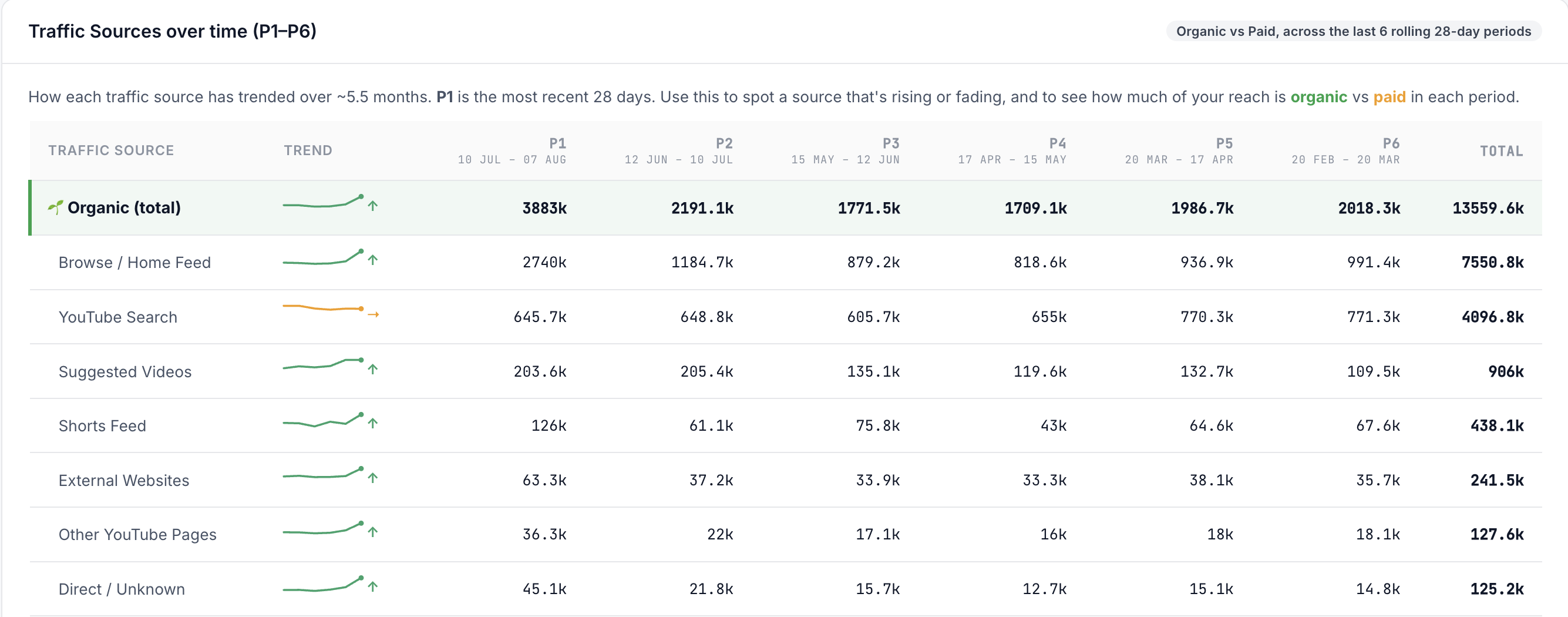
In the weight-loss and bariatric funnels we review, the same seven mistakes show up again and again. None of them are exotic. All of them are fixable inside a single quarter if the clinic has the right operating cadence.
- Running one landing page for GLP-1, bariatric, and diet programmes together. Intent, price point, and objections are completely different. Split them or watch cost-per-qualified-lead drift past 2x benchmark.
- Publishing before/after photos without written consent files. Even one screenshot on a competitor's compliance complaint is enough to trigger a Meta ad account restriction. Our Prism Spy audits flag this in the first week.
- Treating GLP-1 as a pure paid-media play. The searches are informational first — "is Mounjaro safe for PCOS", "Ozempic weight regain" — and reward long-form clinician-reviewed content, not just landing pages.
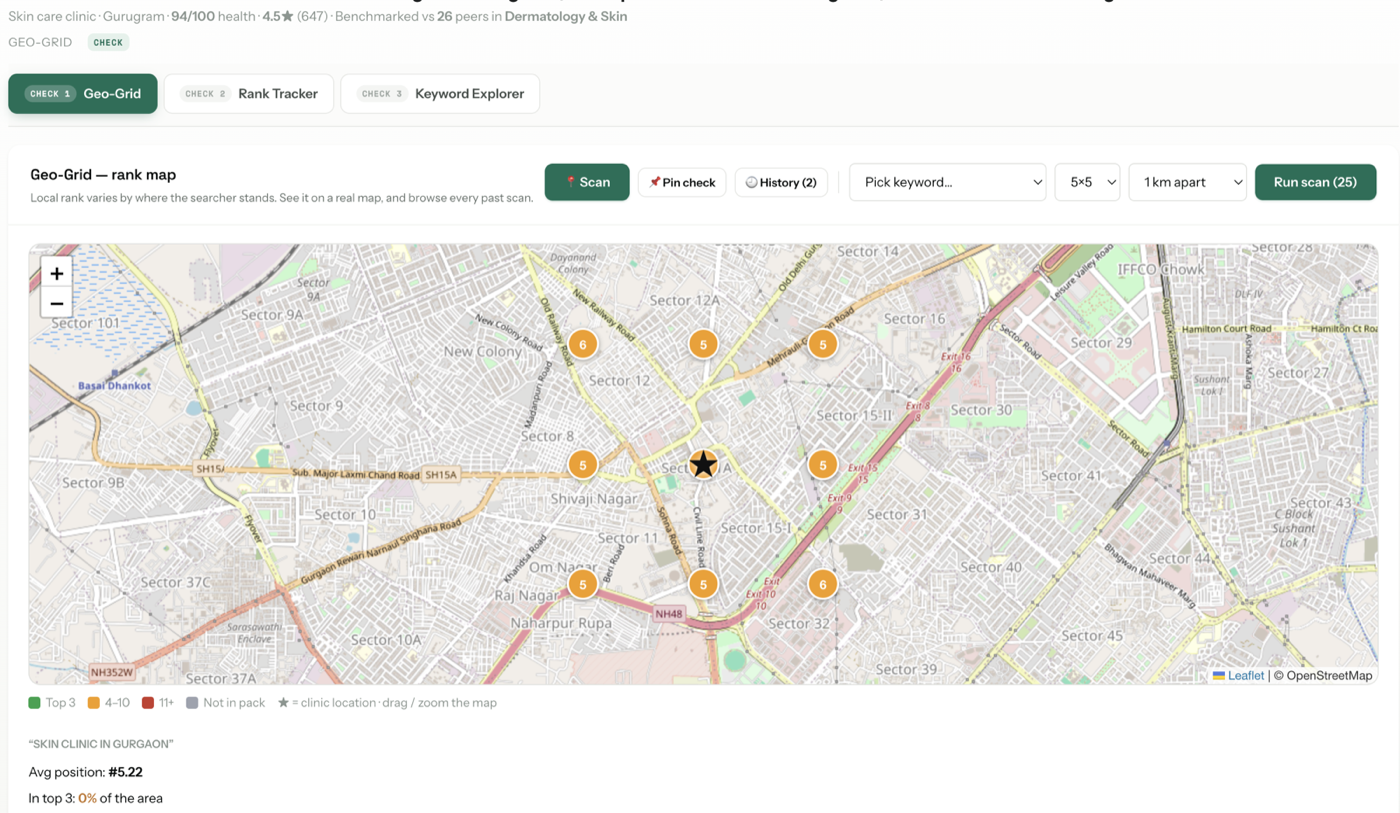
- Ignoring Google Business Profile in a category where so many first searches are local. A weekly GBP posting and review cadence via Angryturtle is the steadiest way to grow calls and direction requests from Maps.
- Buying "weight loss surgery" broad-match on Google Ads. You will pay for revision-surgery, insurance, and adverse-event queries that never convert. Use tight exact-match seed lists and layer Meta Catalyst IQ for creative testing at scale.
- No nurture sequence between enquiry and consult. Bariatric decisions take 90-180 days. Clinics without a 6-8 touch WhatsApp + email sequence lose a large share of qualified leads to competitors who follow up.
- Measuring cost-per-lead instead of cost-per-qualified-lead. A weight-loss lead is only worth counting if it has BMI, city, and consult-slot intent captured. Anything else is a vanity number.
If three or more of these are true on your funnel today, the fastest fix is a Client Elevation Programme diagnostic — sibling reads: bariatric surgery marketing in India and gastroenterology and bariatric marketing.
Book a free 30-minute Brand & Growth Diagnostic.
It's a working session, not a sales pitch — you leave with a written root-cause analysis you can act on, whether or not you engage ICG.
Questions readers ask
about this topic.
The three platforms
behind every ICG engagement.
Beacon
CAPI middleware that fixes Event Match Quality, translates CRM statuses to Meta-standard events, dedups across channels.
Agency OS
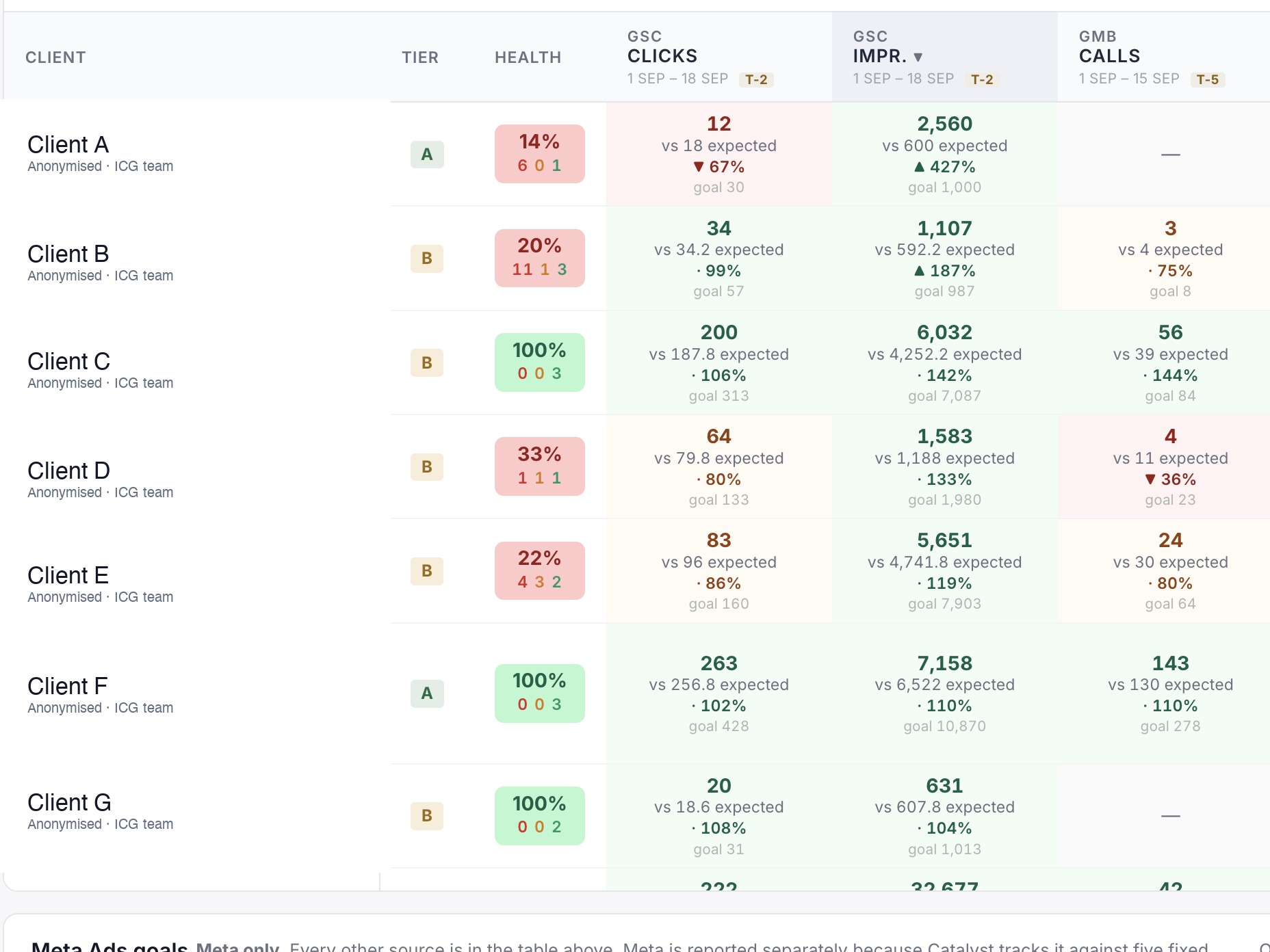
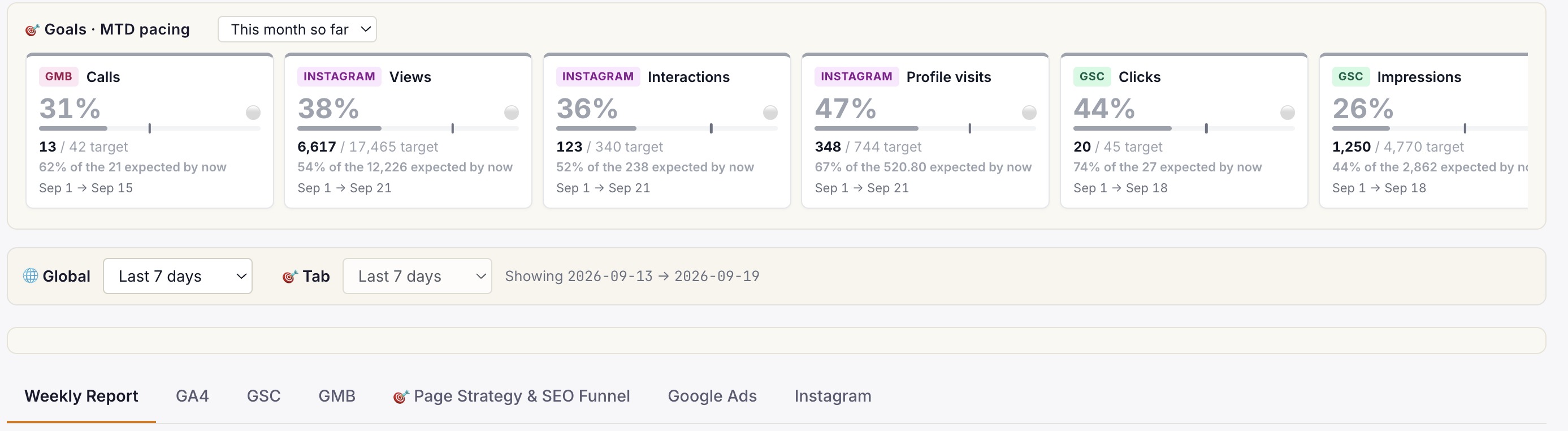
Live client dashboard. GSC, GA4, Google Ads, Meta Ads, IVR calls in one view. Login anytime, not monthly.
Phoenix
Clinic revenue intelligence over your PMS. Daily action queue: Prevent Loss, Maintain & Engage, Grow Revenue. Multi-centre rollout.
Or book a free 30-min audit to see all three in action on your account.
Healthcare brands
that already run on ICG.
A representative slice of the 150+ healthcare brands ICG has delivered for across India. Most engagements remain under NDA.


What ICG clients say · on video.
"Scale up of organic channels and business consulting. ICG has absolute domain authority in their field."
"Working with ICG transformed how we acquire IVF patients in Gurgaon. They understand the fertility journey from inquiry to consult..."
"What Ichelon accomplished — they got all my ideas and worked over 3-4 months to create an amazing, super-customised website."
Need help operationalising this?
Every ICG service is healthcare-only, NMC + DPDP-aware, and built around the patient-research patterns that drive Indian healthcare growth in 2026.
Every practice welcome — packages from ₹20,000/mo.
Goals-Driven engagements · Performance-Linked Payout Models available
More from
ICG.
Five trends shaping Indian healthcare marketing through 2027: AI-first patient research, Conversions API adoption, ABDM discovery, the AEO w...
Healthcare AIO is the discipline of getting your clinic or hospital cited inside Google AI Overviews, ChatGPT and Perplexity answers — not j...
Conversational-search advertising places brand messages inside AI chat answers — ChatGPT, Perplexity, Copilot — rather than beside a results...
Stop guessing.
Book a Diagnostic.
30 minutes. Free. With the AI-powered healthcare-only marketing agency 150+ brands already run on. No slides, no pitch, no hard close.


