


DPDP Consent Form Fields for Healthcare Meta Lead Ads (India, 2026)
What the DPDP Act 2023 requires from your Meta lead form and consent capture — Section 5, Section 11, and the exact fields ICG uses on 23+ accounts.
No pitch. Written root-cause diagnosis. AI-powered, healthcare only.
Direct answer
What the DPDP Act 2023 requires from your Meta lead form and consent capture — Section 5, Section 11, and the exact fields ICG uses on 23+ accounts.
TL;DR

The Digital Personal Data Protection Act 2023 (DPDP) came into force with sector-specific rules being notified through 2025 and 2026. For any Indian healthcare brand collecting personal data through a Meta lead ad, DPDP is not a future concern — it is a running compliance obligation, and Meta lead forms as they ship out of the box are not DPDP-compliant. This piece is a practical read of Section 5 of the DPDP Act (notice and consent), Section 11 (children's data), and the specific form-field pattern ICG deploys on the 23+ healthcare accounts we manage. If your CMO has been asking "are we DPDP-safe on our Meta lead ads?" — this is the answer.
What DPDP actually requires — the short version
Under DPDP, personal data can be processed only for a lawful purpose and either with consent or under specific listed grounds. Section 5 requires the Data Fiduciary (you, the healthcare brand) to give the Data Principal (the patient) a clear notice of what data is being collected, the purposes, the rights available, and the manner of grievance redressal. Section 6 governs the form and content of consent — free, specific, informed, unconditional, unambiguous, and evidenced by an affirmative action. Section 11 imposes stricter rules for personal data of children (under 18), including a requirement for verifiable parental consent. Section 7 lists the "legitimate uses" (formerly deemed consent) grounds where explicit consent is not required.
Why the default Meta lead ad form is not enough
A default Meta lead ad shows a short auto-populated form (name, email, phone) with a generic privacy policy link at the bottom. That is not a DPDP-compliant notice. DPDP requires: itemised disclosure of the categories of personal data collected; itemised disclosure of the purposes; the identity of the Data Fiduciary; the right to withdraw consent and the mechanism to do so; the right to file a complaint with the Data Protection Board; the contact of the Data Protection Officer or grievance officer where applicable. None of this fits in the Meta lead ad's default footer. Which means you need a custom consent screen — either inside the Meta lead form using the Custom Questions feature, or by redirecting to a landing page that captures consent before proceeding.
The DPDP notice block ICG uses on Meta lead forms
Every Meta lead ad we ship carries a Custom Question block or landing-page section with, at minimum, this content:
- Identity of the Data Fiduciary (clinic legal name, registered address)
- Categories of personal data being collected (name, phone, email, city, condition of interest)
- Purposes: to arrange a consultation, follow up on the enquiry, provide relevant information about services
- Additional purpose (if applicable): marketing communication via WhatsApp, SMS, or email
- Cross-border transfer note (if using Meta CAPI or any US-hosted CRM)
- Right to withdraw consent — mechanism and contact
- Grievance officer contact (name, email, response window)
- Link to full privacy policy
The consent action must be an affirmative click — a checkbox that starts unticked, not pre-ticked, and not implied by form submission alone. Under DPDP, opt-out consent is not consent.
Two-consent model — consultation vs marketing
Do not bundle "consent to be contacted for this consultation" with "consent to receive marketing communications." Under Section 6, consent must be specific to the purpose. If the patient consents to a callback for a specific enquiry but not to ongoing marketing, treat them accordingly. Practically, this means two checkboxes: one required (consultation), one optional (marketing). Bundling both into a single mandatory checkbox is a common non-compliance pattern in inherited accounts.
Section 11 — children's data and healthcare edge cases
Section 11 of DPDP prohibits processing children's personal data (under 18) without verifiable parental consent, and prohibits tracking, behavioural monitoring, or targeted advertising directed at children. For healthcare Meta ads, this has three practical implications. First, do not run ads for adult categories (fertility, cosmetic surgery for adults, adult dental aligners) with audiences that include under-18s — set age gates to 18+ in Meta. Second, for paediatric services, the lead form should be filled by the parent and the consent captured is the parent's. Third, do not enrich or profile any lead you know or should reasonably know is a minor. The Section 11 restriction is broad and enforcement risk is disproportionate.
Cross-border transfer notice — required when using Meta CAPI
Meta's servers and most healthcare CRMs are hosted outside India. Transferring personal data outside India triggers DPDP's cross-border transfer provisions. The MeitY-notified rules govern which countries transfer is permitted to; for those countries, the notice to the Data Principal should disclose the transfer. If you send hashed personal data to Meta via CAPI, that is a transfer — hashed but still personal data under DPDP's definition when it can be re-identified via keying — and the notice should reflect it. This is a paragraph that fits inside the Custom Question or landing page.
Retention, deletion, and the right to erasure
DPDP grants the Data Principal a right to erasure, subject to retention obligations imposed by other laws (medical records, tax records, ART registry obligations). Practically: your CRM must have a deletion workflow, your grievance officer must be able to action it within the notified timeline, and your CAPI event stream must stop sending events for a patient who withdraws consent. If withdrawal happens after events have already been sent, Meta will retain them per its own retention policy — you cannot pull them back — but you must not send further events. Document your withdrawal workflow.
The grievance officer — a required role, not a placeholder
Section 8 requires Data Fiduciaries of a certain scale to designate a Data Protection Officer; smaller entities must at minimum have a grievance officer accessible to Data Principals. The officer's contact must appear in the DPDP notice. For a clinic Meta lead ad, the grievance officer is typically the clinic's compliance lead or a senior admin. This is not a mailbox nobody reads — the officer must respond within the notified timeline, and unresolved complaints escalate to the Data Protection Board.
WhatsApp consent — the separate obligation
If your consultation callback happens over WhatsApp, note that the Meta lead form consent to be contacted does not automatically translate into WhatsApp Business Cloud API compliant consent. WhatsApp requires opt-in consent, typically evidenced by an explicit statement in the form. Add a line: "I agree to be contacted on WhatsApp by [Clinic name] for follow-up on this enquiry." Store the consent event with timestamp and IP. This is often the missing consent in accounts where WhatsApp templates get rate-limited or suspended.
What happens if a Data Principal complains
Complaints flow first to the Data Fiduciary's grievance officer. Unresolved complaints escalate to the Data Protection Board of India. The Board can impose financial penalties — the DPDP schedule lists penalties per contravention with materiality-based ceilings. In healthcare, complaint likelihood is disproportionately triggered by three patterns: unsolicited marketing after consultation ended; data sold or shared to third parties without disclosure; and consent that was bundled or pre-ticked. Fix these three and complaint volume tends toward zero.
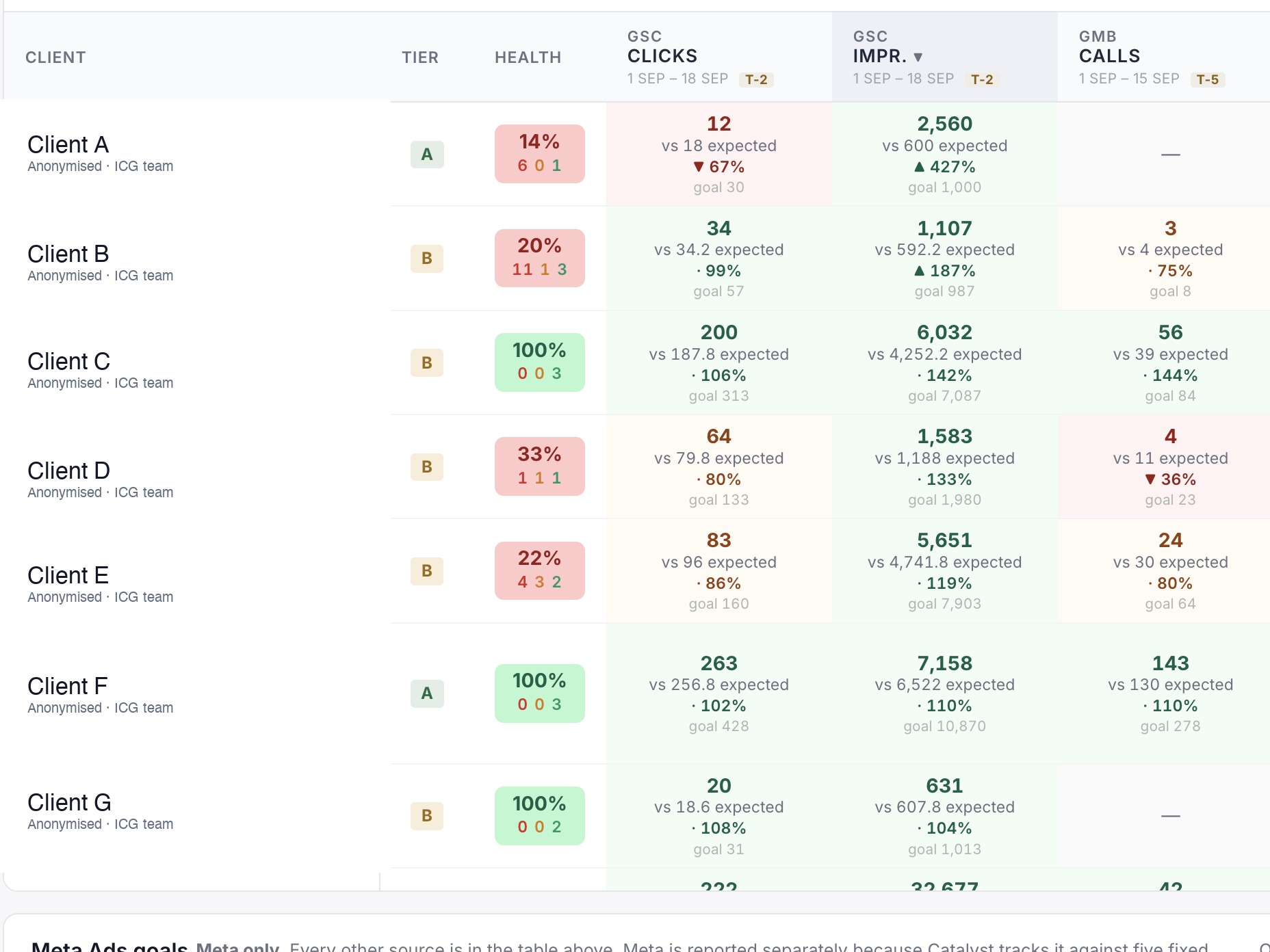
How Beacon holds the DPDP consent record
Beacon — ICG's attribution and CAPI orchestration layer — includes a consent registry. Every lead entered has an associated consent event with timestamp, IP, user agent, consent version, and specific consents given. Withdrawal is a state change that stops all downstream event sending (CAPI, WhatsApp broadcasts, marketing email). This turns DPDP compliance from a policy document into an operationally enforced state.
Powered by PrismSpy — every competitor Meta ad, watched daily
ICG built PrismSpy because Indian healthcare Meta ad competition is invisible without it — including which competitors have DPDP-compliant lead forms and which are running exposed. 75+ Indian healthcare brands tracked, 2,150+ active ads catalogued, ₹50Cr+ aggregate ad spend visibility per month. Every competitor ad — creative, offer, hook, run-length — refreshed daily. It runs underneath every Meta ads and performance marketing engagement at ICG.
- Watchlist Dashboard — 30–75 competitors per specialty cluster (IVF / dermatology / dental / hair transplant / aesthetic / hospital), daily refresh.
- Comparative Insights — highest-quality ads, longest-running creatives, top hooks, emerging offers — plus visible consent pattern on lead forms.
- Offers Intelligence — 1,197 offers tracked, discount intensity by brand, value tier distribution.
- Service Cluster + Inspirations — 419 services tracked, 4,697 searchable ad inspirations by hook / language / format.
Standalone from ₹4,999/- per specialty vertical, or bundled free inside HealthApex OS (₹14,999/- flat, 9 tools). Book a 30-min PrismSpy walkthrough on WhatsApp — Rohit + Hanuman walk you through your specialty's competitive landscape.
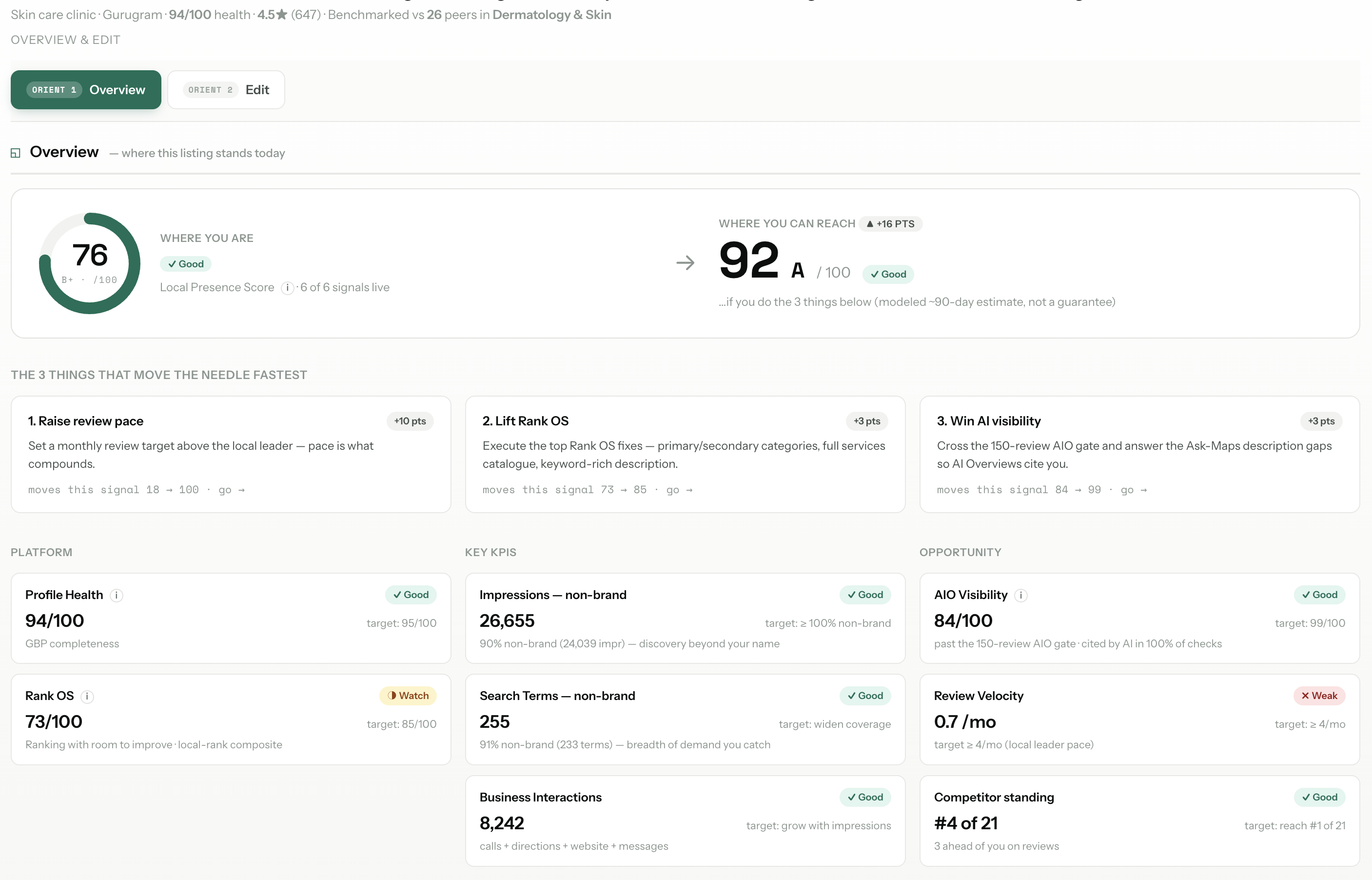


Powered by Meta Catalyst IQ — the decision engine behind every Meta ad ICG runs
ICG built Meta Catalyst IQ because most Indian healthcare brands running Meta ads waste 30–50% of budget without knowing it. It's the diagnosis + decision layer above Ads Manager — Hygiene Factors 12-point checklist, Naming Intelligence, Creative Scoring Matrix, 2-Day Comparative, SLC Framework, Money Wastage column in ₹.


- Master Dashboard — 23+ accounts, ₹9.1Cr+ spend/mo optimised, ₹1,581 blended CPL vs ~₹3,200 market benchmark.
- Diagnose → Optimise → Grow — daily hygiene checks, weekly creative scoring, monthly money wastage cleanup.
- CPQL Engine — cost per qualified lead (not just cost per lead) at ad-set level. Try the interactive CPQL calculator.
- Portfolio benchmarks — IVF ₹632, derm ₹520–1,180, dental ₹620–1,800, aesthetic ₹400–900, hospital cardiac ₹3,200.
Included free with every ICG Meta ads or Performance Marketing engagement (Starter ₹20,000/-/month tier and above). Not sold standalone. Book a free 48-hour Meta ad diagnostic or WhatsApp us.

Frequently asked questions
Is a default Meta lead ad form DPDP-compliant?
No. The default form lacks itemised notice, specific-purpose consent, and grievance officer disclosure required by Sections 5 and 6 of DPDP. Use Custom Questions or a redirect landing page.
Can we bundle consultation consent with marketing consent?
No. Section 6 requires specific-purpose consent. Use two separate checkboxes — one required for the consultation, one optional for marketing.
Do hashed values sent via Meta CAPI count as personal data under DPDP?
Yes, when the hashed value can be re-identified via keying. Cross-border transfer notice should reflect the transmission, and consent for marketing-analytics processing should be captured.
What is required for a paediatric enquiry under Section 11?
Verifiable parental consent, no behavioural profiling or tracking of the child, and no targeted advertising directed at the child. Lead form should be filled by the parent.
Does the Data Principal have the right to withdraw consent?
Yes. On withdrawal, further processing must stop. Practical implication: stop CAPI events, stop WhatsApp broadcasts, and process the deletion request per your retention obligations.
Who is the grievance officer for a small clinic?
Typically the compliance lead or a senior admin, named in the DPDP notice, with a working contact and response window. Not a mailbox nobody reads.
Related reading
- Meta CAPI setup for healthcare
- EMQ score optimisation for signal quality
- NMC Chapter 7 — what doctors cannot say in ads
- ASCI Guidelines 2022 explained
- PC-PNDT Act — what you cannot say in IVF Meta ads
Authority reading: MeitY DPDP Act 2023 reference and the Data Protection Board of India.
Book a free Meta ads account audit.
Raman Soni's team pulls your account, checks CAPI/EMQ, reviews creative for NMC compliance, and shows where CPQL is leaking. 45 minutes, actionable output.
The three platforms
behind every ICG engagement.
Beacon
CAPI middleware that fixes Event Match Quality, translates CRM statuses to Meta-standard events, dedups across channels.
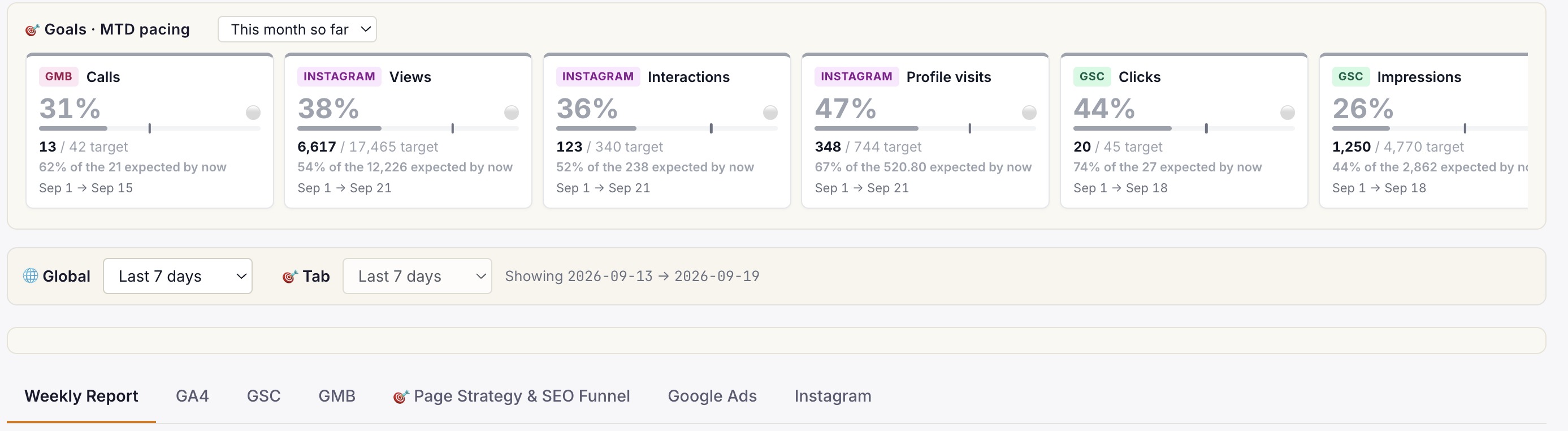
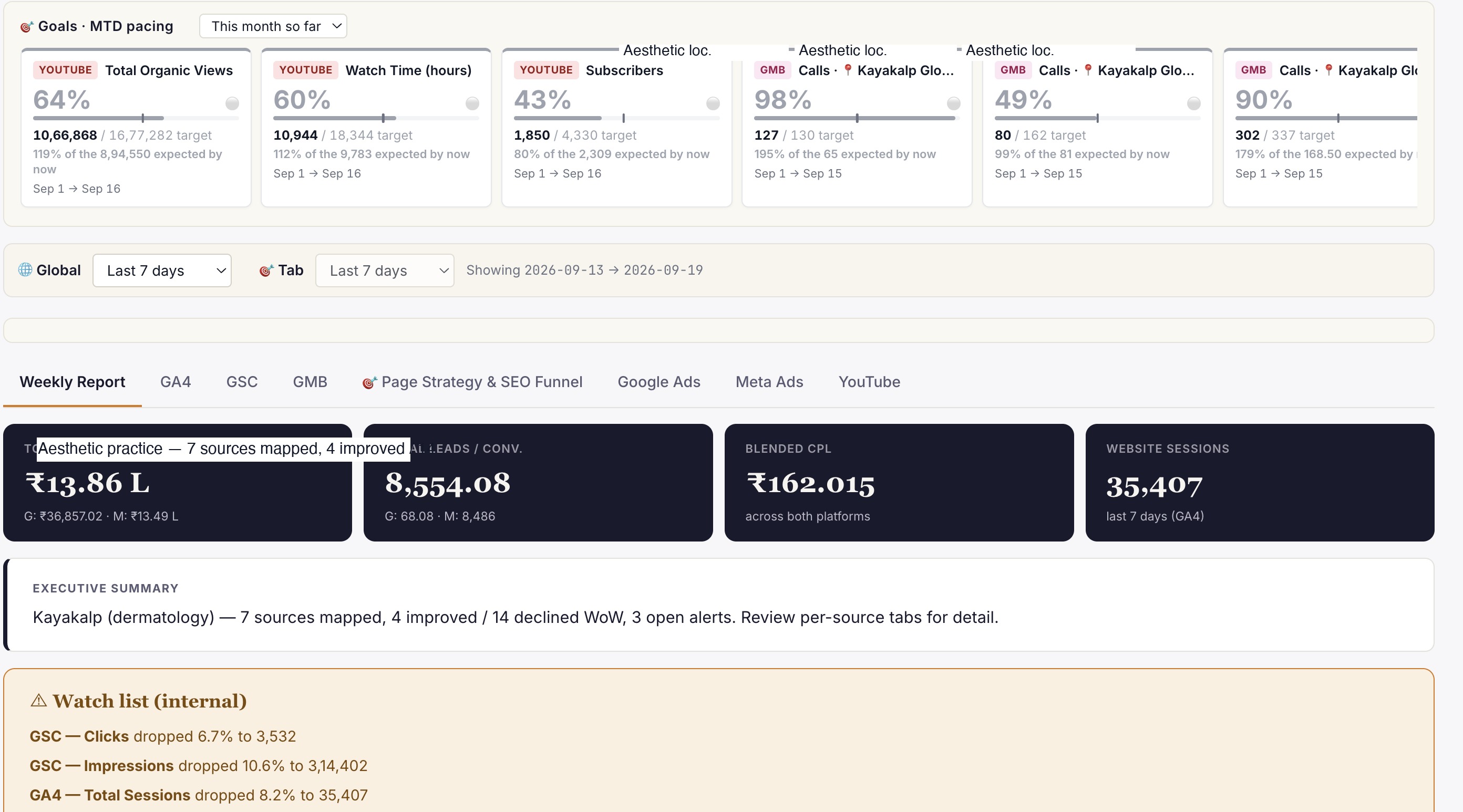
Agency OS
Live client dashboard. GSC, GA4, Google Ads, Meta Ads, IVR calls in one view. Login anytime, not monthly.
Phoenix
Clinic revenue intelligence over your PMS. Daily action queue: Prevent Loss, Maintain & Engage, Grow Revenue. Multi-centre rollout.
Or book a free 30-min audit to see all three in action on your account.
Healthcare brands
that already run on ICG.
A representative slice of the 150+ healthcare brands ICG has delivered for across India. Most engagements remain under NDA.


What ICG clients say · on video.
"Scale up of organic channels and business consulting. ICG has absolute domain authority in their field."
"Working with ICG transformed how we acquire IVF patients in Gurgaon. They understand the fertility journey from inquiry to consult..."
"What Ichelon accomplished — they got all my ideas and worked over 3-4 months to create an amazing, super-customised website."
Need help operationalising this?
Every ICG service is healthcare-only, NMC + DPDP-aware, and built around the patient-research patterns that drive Indian healthcare growth in 2026.
Every practice welcome — packages from ₹20,000/mo.
Goals-Driven engagements · Performance-Linked Payout Models available
More from
ICG.
Five trends shaping Indian healthcare marketing through 2027: AI-first patient research, Conversions API adoption, ABDM discovery, the AEO w...
Healthcare AIO is the discipline of getting your clinic or hospital cited inside Google AI Overviews, ChatGPT and Perplexity answers — not j...
Conversational-search advertising places brand messages inside AI chat answers — ChatGPT, Perplexity, Copilot — rather than beside a results...
Stop guessing.
Book a Diagnostic.
30 minutes. Free. With the AI-powered healthcare-only marketing agency 150+ brands already run on. No slides, no pitch, no hard close.


