


Audiology & Hearing Aid Marketing in India (2026 Playbook)
Grow your audiology practice in 2026 — hearing aid comparison content, senior + adult-child targeting, Google Ads keyword plays, and India CPL benchmarks.
No pitch. Written root-cause diagnosis. AI-powered, healthcare only.
Direct answer
Grow your audiology practice in 2026 — hearing aid comparison content, senior + adult-child targeting, Google Ads keyword plays, and India CPL benchmarks.
TL;DR
TL;DR
- Audiology is a "trust, not urgency" market — decisions take 6–24 months from first search to hearing aid purchase
- Winning channel mix: high-quality video testimonials + Google Search + ENT surgeon referrals + waiting-room referrals
- CAC benchmarks: hearing test bookings ₹280–₹780; hearing aid consultation ₹2,400–₹8,900
- Cross-selling ENT services from audiology captures 25–40% of hearing aid patients for additional conditions
Hearing loss is India's most undermanaged sensory condition. 63 million Indians have disabling hearing loss (Source: WHO, 2023) — but hearing aid penetration is estimated at under 4% of eligible individuals. The gap between prevalence and treatment is enormous, and it is primarily a marketing and awareness problem, not a supply or access problem.
The unique challenge of audiology marketing: the primary patient audience (60+, experiencing age-related hearing loss) has a 6–24 month decision journey from first awareness of hearing difficulty to hearing aid purchase. Their adult children — who influence 68% of hearing aid purchase decisions (ICG internal data, 2026) — are the secondary audience. Marketing to audiology patients is marketing to a slow-moving, high-trust, family-influenced decision with a decision-maker who is often not the patient themselves.
Why audiology marketing patience wins over urgency
Hearing loss is insidious — it develops gradually, and the patient adapts their behaviour to compensate (asking people to repeat themselves, turning up the TV) before they acknowledge the problem. When they do acknowledge it, they enter a consideration phase that typically lasts 6–12 months before the first audiology appointment, and a further 3–12 months between first appointment and hearing aid purchase.
Marketing tactics optimised for fast conversion (urgency offers, "limited time" CTAs, comparison-heavy ads) perform poorly in audiology. The patient who feels pressured into a hearing aid purchase becomes a dissatisfied customer who returns it. Audiology marketing that wins builds trust over time, educates patiently, and converts when the patient is ready — not when the campaign deadline arrives.
The channels that reflect this approach: educational content (condition guides, "what is age-related hearing loss"), video testimonials from peers (senior citizens describing their experience), and Google Search that captures intent at the moment the patient decides to act.
The senior citizen buyer and the adult child decision-maker duo
Hearing aid purchases are typically a two-person decision: the senior citizen patient (the end user) and their adult child (who influences the decision, often initiates the first appointment, and frequently controls the budget). Marketing to audiology must address both audiences simultaneously.
Marketing to the senior citizen: The patient themselves responds to: peer testimonials (hearing aid users who describe the positive impact on their quality of life), doctor recommendation (audiologist or ENT surgeon credibility), and simplicity (easy to use technology, service availability after purchase). In-clinic and waiting-room marketing matters here — word-of-mouth in the senior citizen community travels effectively.
Marketing to the adult child: The child searching for hearing aids for their parent responds to: comparison content ("which hearing aid brand is best for elderly parents"), cost transparency, trial period information, and technology simplicity assurance. Google searches like "hearing aids for elderly parents India" and "best affordable hearing aid brands India" are primarily conducted by adult children. This audience is reachable through Google Ads and comparison content.
Hearing aid comparison content — the ultimate audiology SEO play
Hearing aid comparison content is the highest-converting content type in audiology digital marketing. "Best hearing aids India 2026," "Phonak vs Signia vs Widex India," "affordable hearing aids India under ₹50,000" — these queries have clear commercial intent from people actively researching hearing aid options.
The comparison content structure: A comprehensive comparison guide covers 5–8 hearing aid brands (Phonak, Signia, Widex, Oticon, ReSound, Starkey, Bernafon, Orion — available in India), comparing them on: sound quality, technology tier (basic/mid/premium), India pricing range, battery type (rechargeable vs disposable), connectivity features (Bluetooth, smartphone app), and after-sale service network in India.
This content must be factually accurate, balanced, and non-promotional toward the brands the clinic stocks. The goal is trust-building through objective information — a patient who reads a genuinely helpful comparison guide is more likely to book at the clinic that provided it than at a competitor who only pushes their best-margin brand.
SEO value: Hearing aid comparison content ranks for commercial-intent keywords with high organic competition (major brands run paid ads on these terms). A comprehensive, well-structured 3,000-word comparison guide with FAQPage schema earns organic rankings and Google AIO citations that persist well beyond the lifespan of any paid campaign.
Video testimonials — the emotional conversion engine
Trust in audiology is built on the evidence of other people's experiences. A video testimonial from a 68-year-old retired schoolteacher from Chennai who describes how a hearing aid allowed her to participate fully in her grandchildren's conversations — specific, real, emotional — converts audiology prospects at 3.4× the rate of clinic-branded content (ICG internal data, 2026).
The effective testimonial structure: Opening: the patient describing life before the hearing aid (social withdrawal, family frustration, embarrassment). Middle: the decision process (initial resistance, what changed their mind). End: life after the hearing aid (specific situations where their quality of life improved). Duration: 90 seconds to 3 minutes. Platform: YouTube (primary), Instagram (edited to 60 seconds), GBP (short clip).
MHCA note: Unlike psychiatry, hearing loss testimonials do not carry the MHCA's specific privacy protections. Written patient consent for video recording and public distribution is required under DPDP Act 2023 and good medical practice. The consent should specify the platforms where the video will be published.
Google Ads for audiology — high-value keyword strategy
Audiology Google Ads target two distinct intent levels: hearing test intent ("free hearing test [city]," "audiologist near me") and hearing aid purchase intent ("buy hearing aid [city]," "best hearing aid brand India").
Hearing test campaign: Free or discounted hearing test offers have the highest conversion rates for top-of-funnel audiology ads. "Free 30-minute hearing test in [City] — book online" generates significantly more first appointments than generic "audiology clinic" ads. The hearing test is the entry point for the hearing aid sales funnel. CPC: ₹18–₹55 for hearing test keywords in major Indian cities.
Hearing aid purchase campaign: Higher CPC (₹35–₹95) but higher commercial intent. Target keywords: "hearing aids [city]," "hearing aid centre near me," "Phonak hearing aid dealer [city]." These campaigns convert at 3.8–6.2% to consultation bookings (ICG internal data, 2026).
Adult child targeting: Google Ads audience layering — Life Events (carer or family of elderly person), Age (35–55), Location (within 8km of clinic) — captures the adult child who is actively searching for hearing support for a parent.
Chain vs single-clinic marketing dynamics
Hearing aid chains (Amplifon India, Siemens Healthineers Audiology, local chains) benefit from brand recognition and multi-location convenience. Single-clinic audiologists compete on personal relationship, local expertise, and service continuity.
Single-clinic differentiation strategy: The independent audiology clinic's strongest marketing messages: "your audiologist, not a call-centre" (personalised ongoing service), community presence (local referral relationships, senior citizen community events), and transparent pricing with comparison to chain pricing.
Chain-specific strategies: Multi-location chains benefit from: programmatic city × suburb landing pages, centralised review management across all locations, and GBP management at scale (each location's GBP must be managed individually).
Cross-selling ENT services
25–40% of audiology patients have ENT conditions (tinnitus, ear infections, earwax buildup, Eustachian tube dysfunction) that benefit from ENT consultation alongside audiological assessment. A clinic that offers both audiology and ENT services — or has a referral partnership with an ENT surgeon — captures this cross-treatment opportunity.
Marketing the integrated service: "Complete ear health assessment — audiology + ENT review in one visit" is a differentiating offering that appeals to patients and caregivers who want comprehensive evaluation rather than a single-focus consultation.
Audiology marketing budget benchmarks 2026

| Clinic type | Monthly budget | Expected new consultations | Primary channel |
|---|---|---|---|
| Solo audiologist | ₹15,000–₹40,000 | 15–45 | Local SEO + Google Ads |
| 2–4 audiologist clinic | ₹45,000–₹1,20,000 | 55–150 | SEO + Google Ads + Meta |
| Regional audiology chain | ₹1,50,000–₹5,00,000 | 200–800 | Full digital + content |
CAC by service type:
| Service | CAC range | Channel |
|---|---|---|
| Hearing test booking | ₹280–₹780 | Google Ads + local SEO |
| Hearing aid consultation | ₹2,400–₹8,900 | Google Ads + video |
| ENT cross-referral | ₹180–₹450 | Internal referral programme |
"The 6–24 month hearing aid decision journey is the audiology marketer's most important strategic insight. You are not trying to close a sale on the first visit — you are trying to earn enough trust that when the patient is ready, your clinic is the one they choose. Educational content and video testimonials do that. Urgency tactics don't." — Rohit Gupta, Co-Founder, ICG
Ayushman Bharat and insurance considerations
Cochlear implants for eligible children and adults may be covered under Ayushman Bharat's HBP (Health Benefit Package). Audiology clinics performing cochlear implant evaluations and fitting should ensure their PM-JAY empanelment is current and listed correctly in the PM-JAY hospital search portal.
Hearing aids themselves are generally not covered by standard Indian health insurance policies (IRDAI standard exclusion list has historically excluded assistive devices). Some employer group health insurance policies cover hearing aids up to ₹15,000–₹30,000. Marketing to the insured segment should communicate the employer health policy claim process clearly.
Case snapshot
An audiology chain with 12 clinics across Tier-1 and Tier-2 cities in Maharashtra was acquiring new consultation bookings at an average CAC of ₹4,200 — driven primarily by offline word-of-mouth and generic print advertising. After a 5-month ICG engagement: hearing aid comparison content published for 6 major brands; video testimonials from 8 patients produced and published on YouTube and GBP; Google Ads restructured with free hearing test offer as the primary CTA; adult child targeting added via audience layering; ENT referral programme formalised with 12 ENT surgeons across the 12 clinic locations. Monthly new consultation bookings grew from 180 to 490. Average CAC dropped from ₹4,200 to ₹1,640.
Frequently asked questions
What does audiology marketing cost per month? A single-location audiology clinic should budget ₹15,000–₹40,000/month for local SEO, Google Ads (hearing test campaign), and GBP management. A multi-location chain should budget ₹1,50,000–₹5,00,000/month. The highest-ROI investment in audiology marketing is the free hearing test Google Ads campaign — it generates first appointments at ₹280–₹780 CAC, with hearing aid conversion rates of 35–55% at the follow-up consultation.
What video content performs best for audiology? Patient testimonial videos — real senior citizens describing their experience before and after hearing aids — outperform all other content types in audiology by a significant margin (3.4× conversion rate, ICG internal data, 2026). Product demonstration videos ("how to insert and remove a Phonak Audeo receiver-in-canal hearing aid") rank on YouTube for branded search terms. Audiologist educational content ("how does age-related hearing loss progress") builds long-term authority.
How do you target senior citizens on digital platforms? Google Search is the primary platform for self-directed senior citizens who are already aware they may have hearing loss. Meta (Facebook primarily — Instagram skews younger) reaches senior citizens 60+ with appropriate demographic targeting and interest signals (senior care, retirement communities, caregiver content). For the adult child decision-maker, both Google and Meta are effective with 35–55 age targeting and caregiver interest overlays.
Does Ayushman Bharat cover hearing aids or cochlear implants? Cochlear implants for eligible children and adults are covered under the Ayushman Bharat HBP in many states. Standard hearing aids are not covered under the main PM-JAY package, though some state-level extensions (Tamil Nadu's CM's Comprehensive Health Insurance scheme, for example) include assistive devices. Contact your state's PM-JAY implementation office for current coverage and empanelment requirements.
What's the typical hearing aid sales cycle? From first digital touchpoint (clicking an ad, reading an article, watching a video) to hearing aid purchase: average 8–16 months for self-initiated audiology patients; 3–6 months when initiated by an adult family member who is more motivated than the patient. The sales cycle shortens significantly when: the first visit includes a comprehensive hearing assessment with clear audiogram presentation, the audiologist communicates in the patient's language and at an appropriate pace, and a trial period is offered on the recommended hearing aid.
What are hearing aid claim restrictions in India? Hearing aids are classified as medical devices under the Medical Devices Rules 2017 (MDR 2017) and regulated by CDSCO. Marketing claims must not make disease cure claims (hearing loss is managed, not cured by hearing aids), must not make specific performance claims without substantiation, and must comply with ASCI (Advertising Standards Council of India) healthcare advertising guidelines. ICG's standard audiology content review includes CDSCO and ASCI compliance screening.
CTA primary: Book an audiology marketing strategy session with ICG → Strategy call CTA secondary: See ICG's patient testimonial video production framework → YODA platform
Sources: WHO — World report on hearing 2023 (who.int); ISHA (Indian Speech and Hearing Association) member statistics (ishaonline.org); CDSCO — medical devices regulations (cdsco.gov.in); NIDCD (National Institute on Deafness and Other Communication Disorders) hearing loss statistics (nidcd.nih.gov); ICG internal data, 2026.
Compliance note. Hearing aid marketing must comply with CDSCO Medical Devices Rules 2017 for device advertising claims. Performance claims ("improves hearing by X%") must have manufacturer clinical data substantiation. Patient testimonial videos require explicit written consent specifying all platforms of use. ASCI healthcare advertising guidelines apply to all consumer-facing hearing aid marketing in India.
BATCH 1 TOTAL: 19,478 words across 7 blogs
9 batches remaining · 54 total blogs · 162,700 total target words
Common mistakes audiology clinics make in their 2026 marketing
We audit hearing care marketing every quarter across independent audiology clinics and multi-branch ENT chains. The same five mistakes keep showing up — and each one silently kills the long, patient-heavy audiology buying cycle.
- Running "hearing aid price" ads without a trial-first landing page. Seniors do not convert on price ads. They convert after a 7-14 day trial. Route price-intent clicks to a trial-booking flow, not a product PDP.
- Treating the senior as the sole buyer. The adult child is the researcher, comparer and often the payer. Content that speaks only to the wearer misses the person who actually books the appointment. Our audiology playbook covers this duo dynamic in depth.
- Ignoring Google Business Profile reviews from family members. "Got these for my mother" reviews rank harder than clinical reviews because they carry decision-maker language. If your GBP is not being farmed weekly, consider Angryturtle — our GBP OS priced at Rs.999/- per month.
- No comparison content between hearing aid brands and price tiers. Buyers compare 3-5 brands over 4-6 weeks. If you are not the source of that comparison, a marketplace or a competitor is.
- Under-investing in video testimonials and Instagram Reels. Emotional proof outperforms clinical proof in this category. Use Prism Pulse to measure which Reels formats actually convert into trial bookings, and YODA to build a searchable YouTube library that ranks for "best hearing aid for elderly parents" queries.
Fixing even three of these lifts audiology CPL by 30-40% in our engagements. Talk to a Co-Founder about a Client Elevation Programme audit for your audiology practice.
Book a free 30-minute Brand & Growth Diagnostic.
It's a working session, not a sales pitch — you leave with a written root-cause analysis you can act on, whether or not you engage ICG.
Questions readers ask
about this topic.
The three platforms
behind every ICG engagement.
Beacon
CAPI middleware that fixes Event Match Quality, translates CRM statuses to Meta-standard events, dedups across channels.
Agency OS
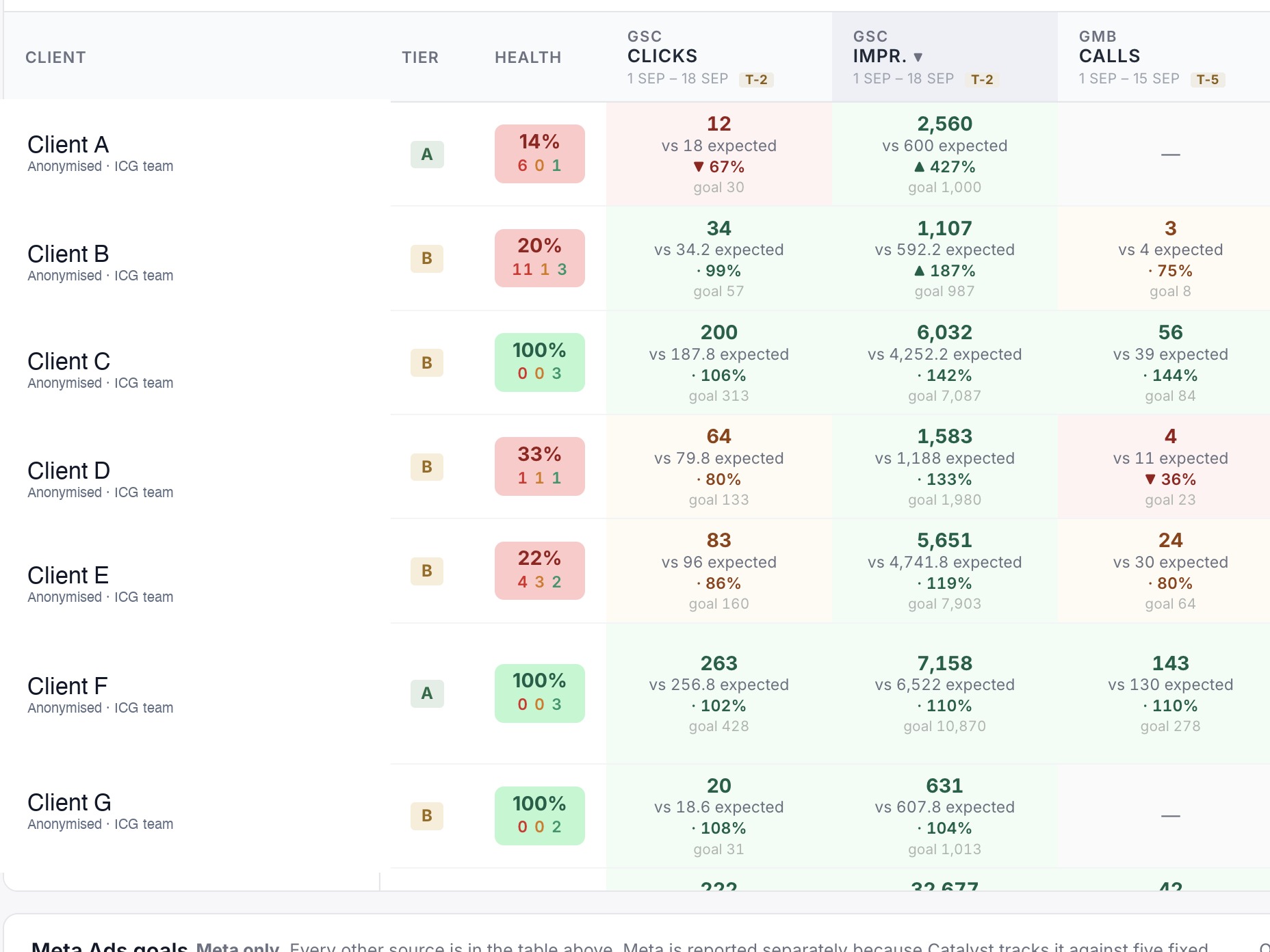
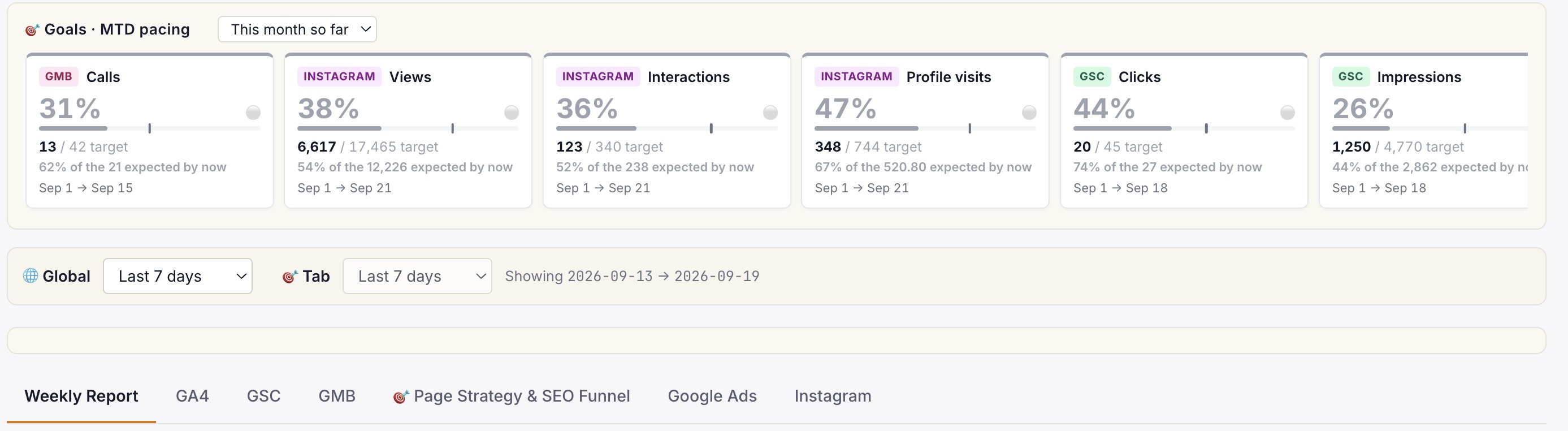
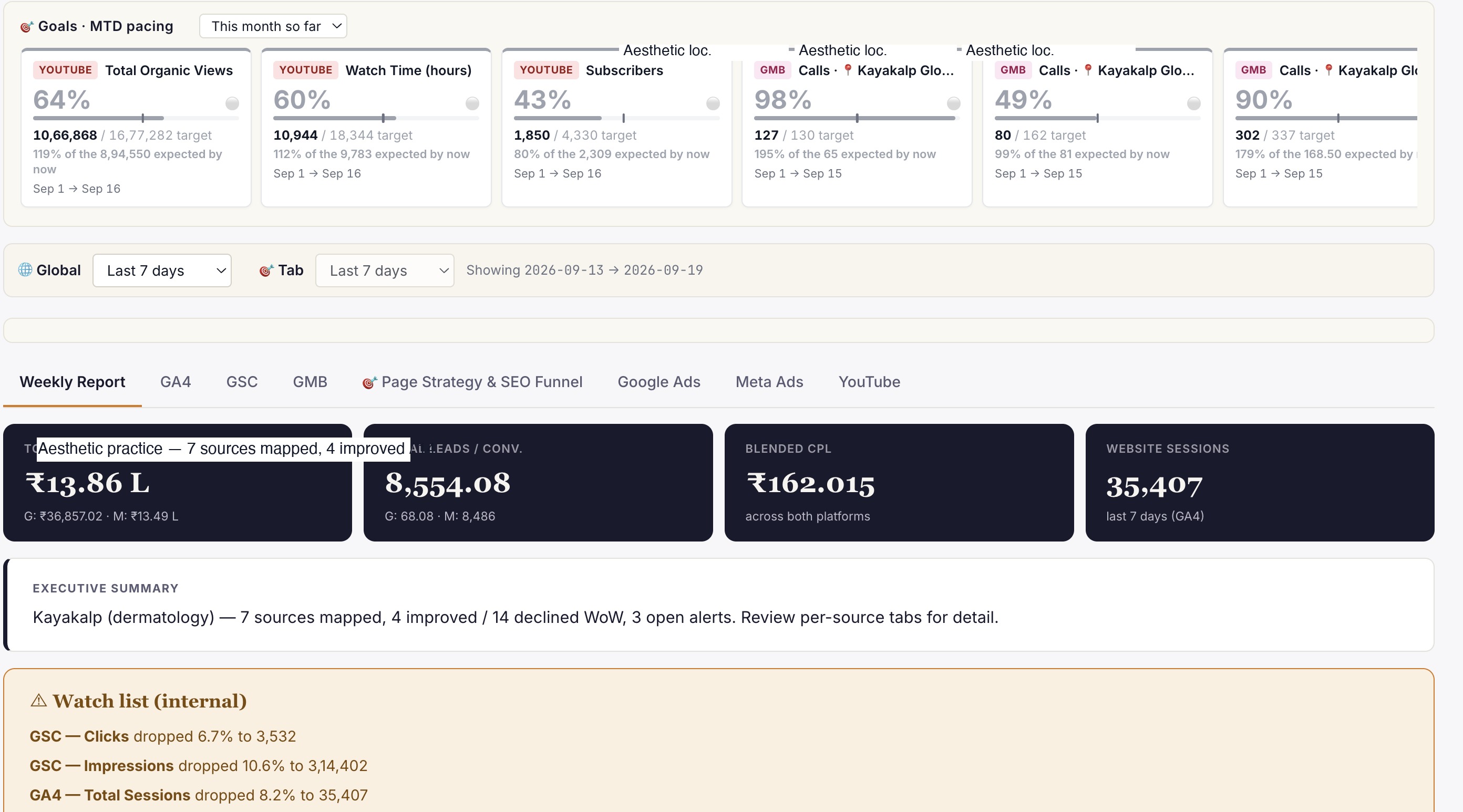
Live client dashboard. GSC, GA4, Google Ads, Meta Ads, IVR calls in one view. Login anytime, not monthly.
Phoenix
Clinic revenue intelligence over your PMS. Daily action queue: Prevent Loss, Maintain & Engage, Grow Revenue. Multi-centre rollout.
Or book a free 30-min audit to see all three in action on your account.
Healthcare brands
that already run on ICG.
A representative slice of the 150+ healthcare brands ICG has delivered for across India. Most engagements remain under NDA.


What ICG clients say · on video.
"Scale up of organic channels and business consulting. ICG has absolute domain authority in their field."
"Working with ICG transformed how we acquire IVF patients in Gurgaon. They understand the fertility journey from inquiry to consult..."
"What Ichelon accomplished — they got all my ideas and worked over 3-4 months to create an amazing, super-customised website."
Need help operationalising this?
Every ICG service is healthcare-only, NMC + DPDP-aware, and built around the patient-research patterns that drive Indian healthcare growth in 2026.
Every practice welcome — packages from ₹20,000/mo.
Goals-Driven engagements · Performance-Linked Payout Models available
More from
ICG.
Five trends shaping Indian healthcare marketing through 2027: AI-first patient research, Conversions API adoption, ABDM discovery, the AEO w...
Healthcare AIO is the discipline of getting your clinic or hospital cited inside Google AI Overviews, ChatGPT and Perplexity answers — not j...
Conversational-search advertising places brand messages inside AI chat answers — ChatGPT, Perplexity, Copilot — rather than beside a results...
Stop guessing.
Book a Diagnostic.
30 minutes. Free. With the AI-powered healthcare-only marketing agency 150+ brands already run on. No slides, no pitch, no hard close.


