


Multispecialty Hospital Setup Cost in India 2026 — 50, 100, 200 Bed Complete Breakdown
Setting up a multispecialty hospital in India is among the most capital-intensive decisions in business. The investment varies enormously — a 50-bed daycare-focused facility in a tier-2 city and a 200
No pitch. Written root-cause diagnosis. AI-powered, healthcare only.
Direct answer
Setting up a multispecialty hospital in India is among the most capital-intensive decisions in business. The investment varies enormously — a 50-bed daycare-focused facility in a tier-2 city and a 200
TL;DR
TL;DR
- 50-bed multispecialty hospital setup cost: ₹8Cr–₹18Cr (tier-2 city) to ₹18Cr–₹40Cr (metro)
- 100-bed hospital: ₹22Cr–₹55Cr depending on city, construction quality, and equipment tier
- 200-bed hospital: ₹65Cr–₹180Cr; 500-bed: ₹250Cr–₹800Cr+
- Medical equipment is the largest single cost bucket — 30–45% of total setup investment
- Working capital for 12–18 months of operations is the most chronically underestimated cost
- ICG is a healthcare marketing agency — we support the pre-launch and first-year occupancy ramp, not setup or construction
Setting up a multispecialty hospital in India is among the most capital-intensive decisions in business. The investment varies enormously — a 50-bed daycare-focused facility in a tier-2 city and a 200-bed full-service hospital in Mumbai are 10× different investments — but the cost structure follows a consistent breakdown across all scales.
ICG's role: Ichelon Consulting Group is a healthcare marketing and consulting agency. We are not hospital setup consultants, civil contractors, or equipment procurement firms. This article exists to help healthcare entrepreneurs understand the cost landscape — so that when they are 60–90 days from opening, they can partner with ICG for the pre-launch and first-year marketing that determines whether an ₹80Cr investment achieves occupancy in 12 months or 36. See ICG's hospital marketing services and Clinic Launch Programme.
The 5 cost buckets of hospital setup
Every multispecialty hospital setup maps to five buckets. Understanding each before building a financial model is essential.
Bucket 1: Land or property
In India, hospital land strategy is one of the most consequential decisions in the entire setup. Owning land locks capital but appreciates alongside the brand; leasing (typically 15–30 year lease) preserves capital for equipment and working capital.
Typical land requirements:
- 50-bed hospital: 8,000–15,000 sq ft built-up; 20,000–40,000 sq ft plot (for parking, future expansion)
- 100-bed hospital: 18,000–30,000 sq ft built-up; 40,000–80,000 sq ft plot
- 200-bed hospital: 35,000–60,000 sq ft built-up; 80,000–200,000 sq ft plot
Land cost ranges dramatically by city and location — from ₹800/sq ft in tier-2 interior cities to ₹45,000/sq ft in premium Mumbai addresses. This is the largest variable in total hospital setup cost.
Bucket 2: Civil construction and interior
From foundation to handed-over hospital space: structural work, HVAC (hospitals require medical-grade HVAC with specific pressure differential requirements for OTs and ICUs), medical gas pipelines (oxygen, nitrous oxide, vacuum, compressed air — separately piped throughout the hospital), electrical systems (hospitals operate critical loads; dual-redundant power is mandatory), lifts (bed-sized lifts for patient transfers), interior finishing (hygienic wall materials, anti-microbial flooring in clinical areas), and wayfinding / signage.
Hospital-grade construction costs more per square foot than commercial construction because of:
- Medical gas pipeline throughout the building
- HVAC zoning for different pressure requirements (positive pressure in OT, negative pressure in isolation wards)
- Electrical — 100% generator backup for critical loads, UPS for medical equipment
- Plumbing — central sterile supply, soiled linen handling, autoclave rooms
Construction cost benchmarks (2026):
- Hospital-grade construction (civil + MEP + HVAC): ₹2,500–₹5,500/sq ft
- Interior fit-out (including OT modular systems, ICU panels): ₹1,500–₹4,000/sq ft
- Combined construction + fit-out: ₹4,000–₹9,500/sq ft
Bucket 3: Medical equipment
The largest single cost bucket. Variance is extreme based on equipment tier selected — entry-level Chinese or Korean equipment vs premium German, Japanese, or US equipment creates 3–5× cost difference for comparable clinical capability.
Key equipment categories for a multispecialty hospital:
| Equipment | Entry tier | Mid tier | Premium tier |
|---|---|---|---|
| Operation theatre (modular, per OT) | ₹45L–₹80L | ₹85L–₹1.8Cr | ₹2Cr–₹4.5Cr |
| ICU bed (complete monitoring unit) | ₹3.5L–₹6L | ₹6L–₹14L | ₹14L–₹32L |
| 64-slice CT scanner | ₹1.2Cr–₹2.5Cr | ₹2.5Cr–₹5Cr | ₹5Cr–₹9Cr |
| 1.5T MRI | ₹2.5Cr–₹5Cr | ₹5Cr–₹10Cr | ₹10Cr–₹20Cr |
| X-ray (digital DR) | ₹18L–₹35L | ₹35L–₹80L | ₹80L–₹2Cr |
| Ultrasound (high-end, per machine) | ₹12L–₹28L | ₹28L–₹65L | ₹65L–₹1.8Cr |
| Clinical biochemistry analyser | ₹25L–₹60L | ₹60L–₹1.5Cr | ₹1.5Cr–₹4Cr |
| Patient monitoring (per bed) | ₹35,000–₹80,000 | ₹80,000–₹2L | ₹2L–₹5L |
| Ventilator (ICU, per unit) | ₹3.5L–₹7L | ₹7L–₹18L | ₹18L–₹45L |
| Laparoscopy stack | ₹12L–₹28L | ₹28L–₹65L | ₹65L–₹1.8Cr |
| Anaesthesia workstation | ₹6L–₹14L | ₹14L–₹32L | ₹32L–₹85L |
For a 100-bed mid-tier multispecialty hospital (3 OTs, 12-bed ICU, CT, MRI, lab): total medical equipment budget ₹9Cr–₹22Cr.
Bucket 4: Licences, registrations, and compliance
| Licence / registration | Issuing authority | Timeline | Approximate cost |
|---|---|---|---|
| Clinical Establishments Act registration | State health authority | 4–12 weeks | ₹5,000–₹1L |
| Fire NOC | State fire department | 6–16 weeks | ₹20,000–₹3L |
| AERB approval (radiology) | Atomic Energy Regulatory Board | 8–24 weeks | ₹25,000–₹2L |
| Biomedical waste authorisation | State SPCB | 4–8 weeks | ₹5,000–₹25,000 |
| Narcotics licence | NCB / state excise | 8–16 weeks | ₹5,000–₹20,000 |
| PCPNDT registration (if OB/GYN) | District health officer | 4–8 weeks | ₹5,000–₹15,000 |
| NABH accreditation (strongly recommended) | NABH / QCI | 12–24 months prep | ₹35L–₹1.5Cr all-in |
| Pharmacy licence | State Drug Authority | 4–8 weeks | ₹5,000–₹30,000 |
NABH accreditation is not legally mandatory but creates significant commercial advantages: insurance TPA empanelment, Ayushman Bharat eligibility, government contract access, and patient trust signals. Planning NABH from architecture ("designed-in compliance") saves 30–40% of implementation cost vs retrofitting compliance post-construction. See ICG's NABH consulting services.
Bucket 5: Working capital
The most underestimated cost in hospital setup financial modelling — and the most common cause of hospital failure at years 1–3.
Working capital must cover:
- Staff salaries for all departments (doctors, nurses, paramedics, admin, housekeeping, dietary) for 12–18 months
- Pharmaceutical + consumable inventory (typically 1.5–3 months of projected stock at launch)
- Utilities (hospitals consume 25–45 kW per bed in operational power — ₹5L–₹25L/month depending on scale)
- Pre-launch and ongoing marketing (ICG recommends ₹8L–₹25L/month minimum for a new hospital's first year)
- Hospital information system, PACS, and CRM licensing
- Insurance premiums (hospital liability, fire, professional indemnity for employed doctors)
- Legal + accounting + regulatory ongoing compliance
Setup cost by bed count — summary table
| Bed count | Tier-2 city total | Tier-1 metro total | Break-even timeline |
|---|---|---|---|
| 50-bed (daycare + limited IPD) | ₹8Cr–₹18Cr | ₹18Cr–₹40Cr | 24–36 months |
| 100-bed (full service) | ₹22Cr–₹45Cr | ₹42Cr–₹95Cr | 30–48 months |
| 200-bed (multi-specialty) | ₹55Cr–₹1.1Cr | ₹95Cr–₹2.3Cr | 36–54 months |
| 300-bed (regional hospital) | ₹1.2Cr–₹2.5Cr | ₹2.2Cr–₹5Cr | 42–60 months |
| 500-bed (large multi-specialty) | ₹2.5Cr–₹5Cr | ₹5Cr–₹12Cr | 54–72 months |
Note: All figures assume owned land. Leased property reduces upfront investment by ₹4Cr–₹35Cr depending on scale and location.
Pre-launch marketing — the occupancy multiplier
A hospital that opens without 60–90 days of pre-launch brand and digital infrastructure consistently runs at 15–25% occupancy in month 1–3 instead of the achievable 35–55%. This gap costs ₹1.5Cr–₹6Cr in lost revenue during the ramp period — an avoidable outcome that ICG has documented across 12 hospital launch engagements.
ICG's Hospital Pre-Launch Programme (60–90 days before opening):
- Brand establishment: Logo (if new), website, patient app, social media presence, Google Business Profile
- Local SEO: Hospital website indexed, GMB live, department landing pages optimised
- Referring doctor outreach: Systematic programme to register 20–30 GP and specialist referrers before opening day
- Community awareness: Local events, partnerships with corporate employers for health checks, school health programmes
- Insurance empanelment: TPA applications submitted 90 days pre-opening for faster activation
- Ayushman Bharat: Empanelment process started pre-opening for scheme eligibility from month 1
"The 90-day pre-launch window is not a marketing exercise — it is occupancy insurance. Every ₹1 invested in structured pre-launch marketing in the 3 months before opening generates ₹8–₹22 in year-1 revenue. ICG's data from 12 hospital launch engagements consistently shows that hospitals with structured pre-launch marketing achieve 2.2× month-1 occupancy vs comparable hospitals that open without it." — Abhishek Gupta, Financial Strategy Lead, ICG
Owner-doctor vs PE-backed vs corporate chain — income implications
| Model | Promoter control | Capital requirement | Income timeline | Exit value |
|---|---|---|---|---|
| Doctor-promoter (self-funded + loan) | Full | High personal capital commitment | 5–8 year ramp to peak | Good — brand + real estate |
| Doctor + PE partnership | Partial (50–60%) | Lower personal capital | Faster (PE drives occupancy targets) | Very good — PE creates structured exit |
| Corporate chain (employed doctor) | None | Nil | Immediate but capped | None |
Case snapshot
A 150-bed multispecialty hospital in Nashik — doctor-promoter model, neurosurgery and orthopaedics as anchor specialties. Total setup investment: ₹62Cr (land owned, construction over 28 months). Pre-launch marketing budget: ₹1.8Cr over 90 days (ICG engagement). Month 1 occupancy: 34% (industry benchmark for Nashik at month 1: 16–22%). Month 6: 58%. Break-even achieved at month 21 vs projected 30 months. Key pre-launch interventions: 22 GP referral partnerships, Google Ads live from 2 weeks before opening, hospital website + appointment booking app launched 4 weeks pre-opening, Ayushman Bharat empanelment active from month 1. (ICG internal data, 2026.)
FAQ
Q1: What is the total cost to set up a 100-bed multispecialty hospital in India? ₹22Cr–₹45Cr in tier-2 cities; ₹42Cr–₹95Cr in metros. Variance driven by land cost, construction quality, and equipment tier.
Q2: What is the single biggest cost in hospital setup? Medical equipment (30–45% of total) and land/property (15–35% of total) are the two largest buckets. Working capital is the most chronically underestimated and most dangerous.
Q3: How long does it take to set up a 100-bed hospital in India? 24–36 months for a greenfield from-scratch build. Conversion of an existing building (repurposing a hotel or commercial space): 12–18 months.
Q4: What licences does a new multispecialty hospital need? Clinical Establishments Act registration, fire NOC, AERB (for radiology), biomedical waste authorisation, narcotics licence (for OT), pharmacy licence. NABH accreditation strongly recommended — see NABH consulting services.
Q5: How much working capital does a new 100-bed hospital need? 12–18 months of operating costs — minimum ₹3Cr–₹7Cr for a 100-bed hospital. Insufficient working capital is the #1 cause of hospital failure at years 1–3.
Q6: What is the break-even timeline for a 100-bed hospital? Industry average: 30–42 months. With structured pre-launch marketing and insurance empanelment from day 1: 18–28 months.
Q7: Should I plan NABH from the start? Yes. NABH designed in from architecture saves 30–40% of implementation cost vs retrofitting post-construction. Adds insurance empanelment eligibility, corporate contract access, and patient trust signals from day 1.
Q8: How much is a 200-bed hospital setup cost in India? ₹55Cr–₹1.1Cr in tier-2 cities; ₹95Cr–₹2.3Cr in metros. Land and equipment are the primary variables.
Sources
- CII Healthcare — hospital infrastructure investment benchmarks 2024
- NATHEALTH India Healthcare Report 2024
- NABH standards — nabh.co
- AERB — radiation facility licensing
- Clinical Establishments Act 2010 — registration framework
- MoHFW — hospital licensing policy
Internal links
- Hospital marketing agency India — pre-launch to growth
- Clinic Launch Programme — 90-day pre-launch marketing
- NABH consulting India
- NABH 6th edition standards guide
- ABDM integration for hospitals
- Healthcare website development for hospitals
- Book a strategy call with ICG
Compliance note. Cost figures are estimates (ICG internal data, 2026; CII Healthcare 2024). Actual costs vary by location, contractor, and specification. ICG is a healthcare marketing agency — not a setup, civil engineering, or equipment procurement firm. Not financial or investment advice.
Book a free 60-minute business-model review.
Rohit Gupta walks through your capex plan, city mix, breakeven assumptions and what marketing spend will actually cost against your revenue projections.
The three platforms
behind every ICG engagement.
Beacon
CAPI middleware that fixes Event Match Quality, translates CRM statuses to Meta-standard events, dedups across channels.
Agency OS
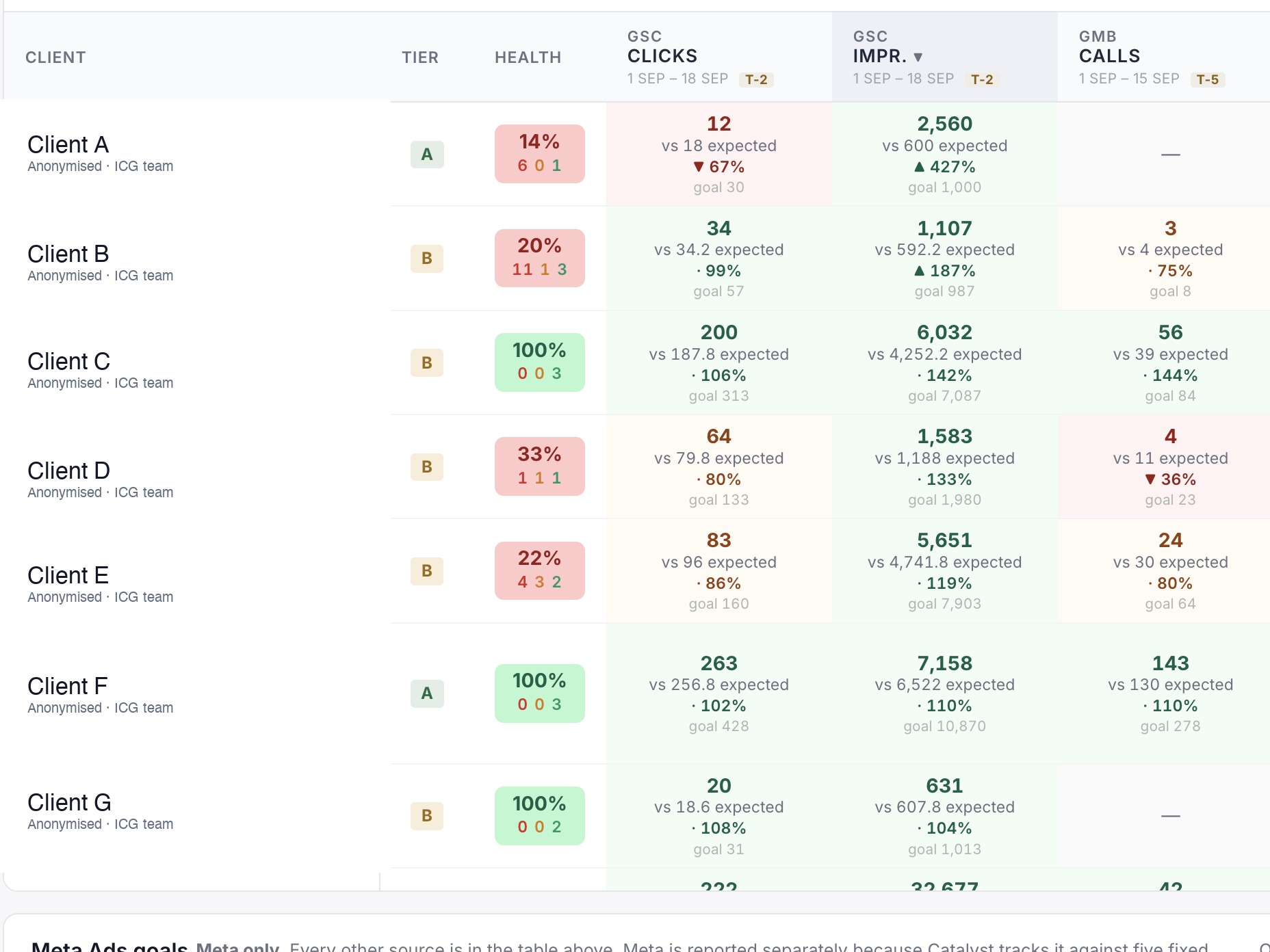
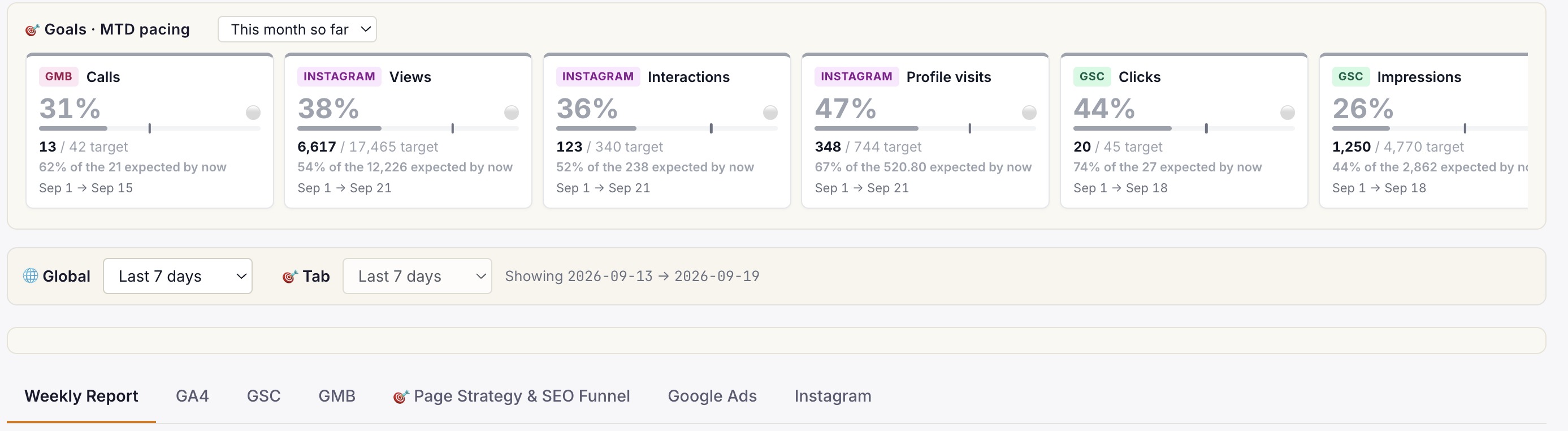
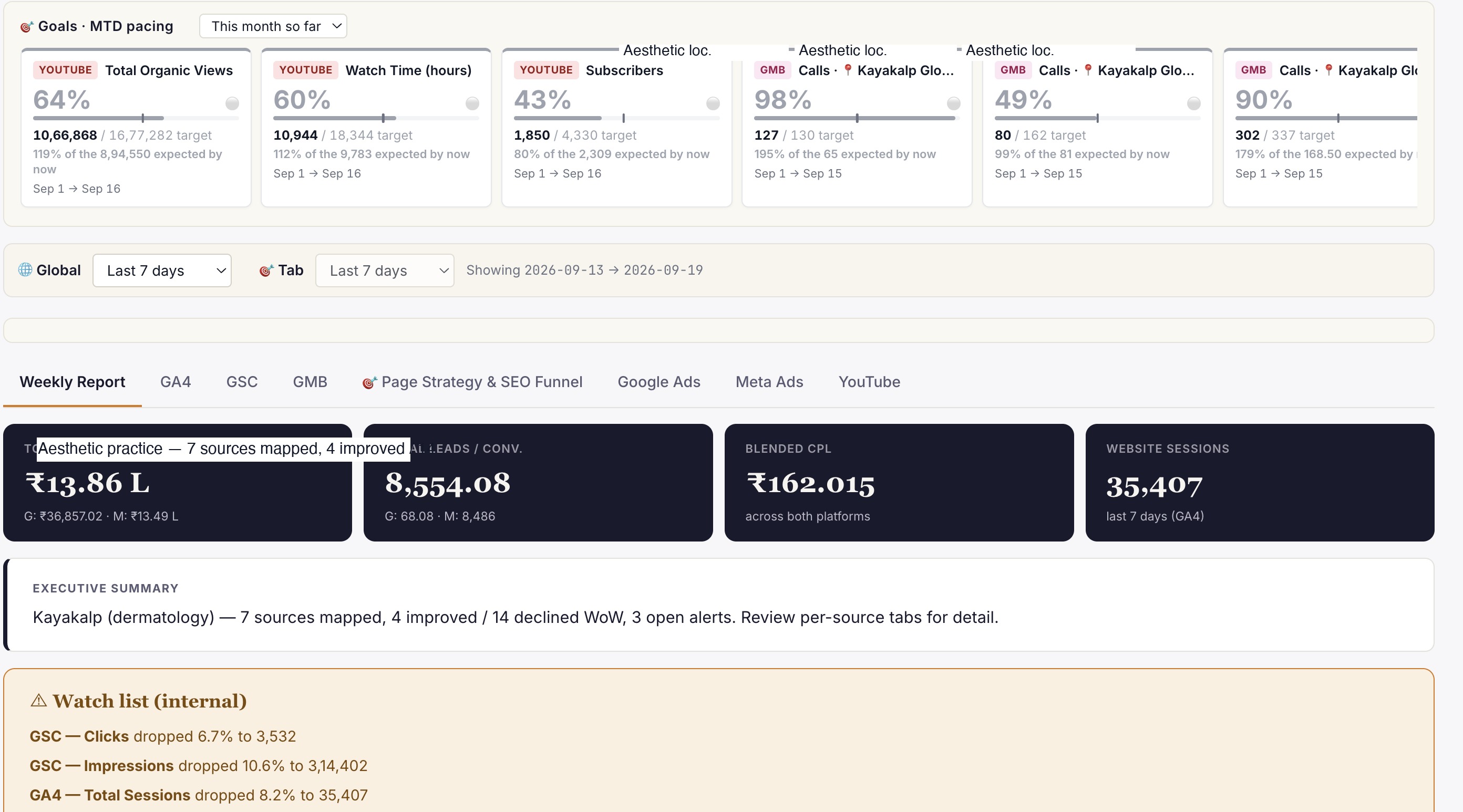
Live client dashboard. GSC, GA4, Google Ads, Meta Ads, IVR calls in one view. Login anytime, not monthly.
Phoenix
Clinic revenue intelligence over your PMS. Daily action queue: Prevent Loss, Maintain & Engage, Grow Revenue. Multi-centre rollout.
Or book a free 30-min audit to see all three in action on your account.
Healthcare brands
that already run on ICG.
A representative slice of the 150+ healthcare brands ICG has delivered for across India. Most engagements remain under NDA.


What ICG clients say · on video.
"Mental health marketing requires a different sensitivity. ICG built compliance-aware campaigns that respect both patients and our..."
"Bariatric surgery patients need a long consideration cycle. ICG built a content + paid system that respects that timeline."
"Working with ICG felt like working with an in-house growth team that happens to specialise in healthcare."
Need help operationalising this?
Every ICG service is healthcare-only, NMC + DPDP-aware, and built around the patient-research patterns that drive Indian healthcare growth in 2026.
Every practice welcome — packages from ₹20,000/mo.
Goals-Driven engagements · Performance-Linked Payout Models available
More from
ICG.
Five trends shaping Indian healthcare marketing through 2027: AI-first patient research, Conversions API adoption, ABDM discovery, the AEO w...
Healthcare AIO is the discipline of getting your clinic or hospital cited inside Google AI Overviews, ChatGPT and Perplexity answers — not j...
Conversational-search advertising places brand messages inside AI chat answers — ChatGPT, Perplexity, Copilot — rather than beside a results...
Stop guessing.
Book a Diagnostic.
30 minutes. Free. With the AI-powered healthcare-only marketing agency 150+ brands already run on. No slides, no pitch, no hard close.


