


The 2026 Patient Journey: Seven Touchpoints Before a Healthcare Enquiry
Most healthcare marketing is optimised for Stage 3 of the patient's journey: the enquiry. Stage 3 is where the WhatsApp message arrives, the form gets…
No pitch. Written root-cause diagnosis. AI-powered, healthcare only.
Direct answer
Most healthcare marketing is optimised for Stage 3 of the patient's journey: the enquiry. Stage 3 is where the WhatsApp message arrives, the form gets…
TL;DR
Author: Deep Das · Co-Founder, ICG · July 2026
Most healthcare marketing is optimised for Stage 3 of the patient's journey: the enquiry. Stage 3 is where the WhatsApp message arrives, the form gets submitted, the phone rings. Stages 1 and 2 — the patient's research journey before the enquiry — are largely invisible to the marketing team. Stages 4 through 7 — from consultation booking through lifetime advocacy — are largely invisible to the marketing system.
The result: a marketing system that sees only one of seven patient touchpoints, optimises for that one touchpoint, and by doing so, systematically under-invests in the touchpoints that generate the highest-quality patients.
The 7-stage patient journey
Stage 1 — Discovery: The patient identifies a health concern or curiosity. In 2026, 18–22% of urban Indian patients start this stage on ChatGPT or Perplexity — asking "what does this symptom mean?" or "what should I look for in a cardiologist in Mumbai?" The ICG system at this stage: AEO/LLM citation infrastructure. The metric: AIO citation rate.
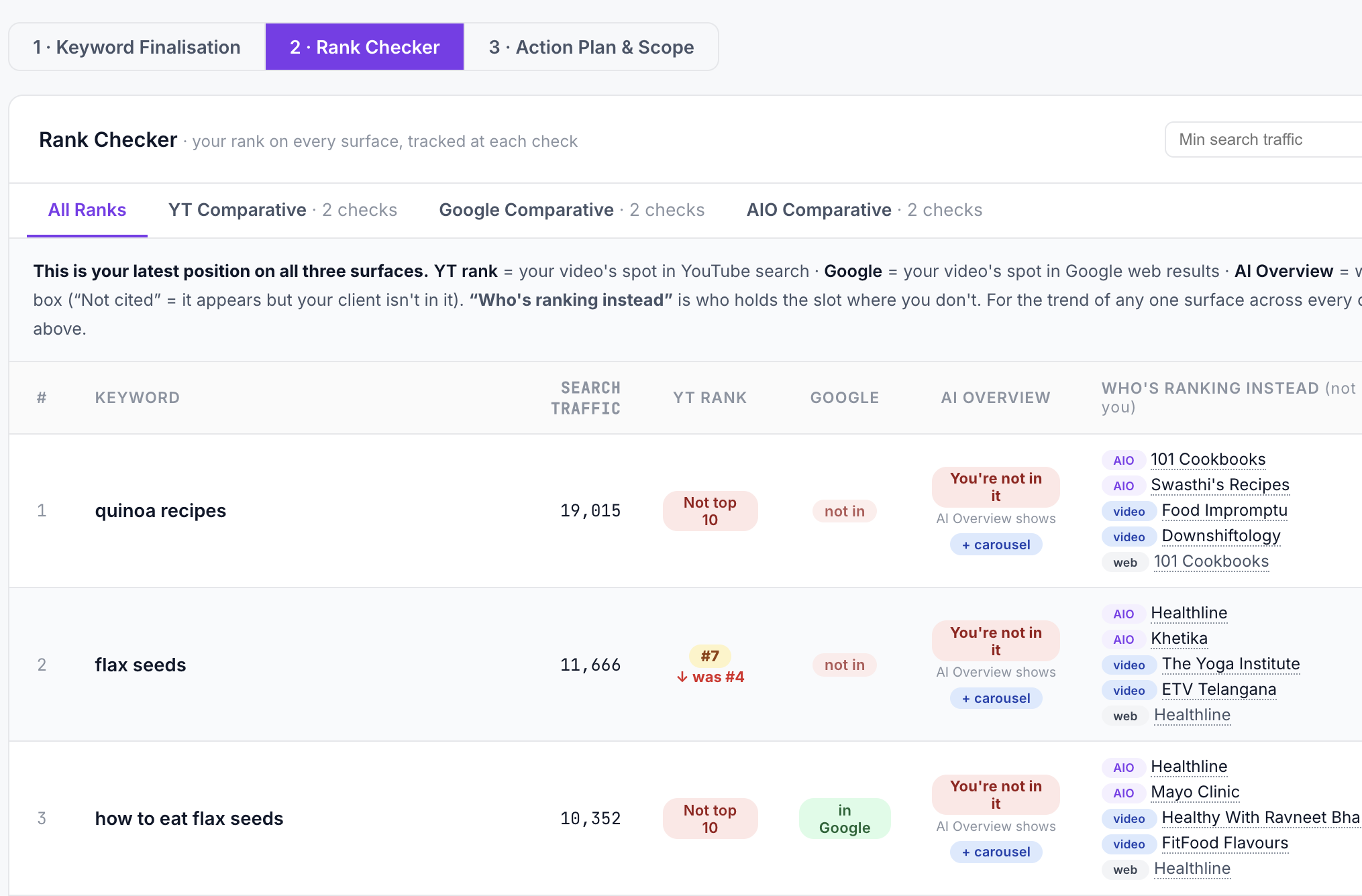
Stage 2 — Research: The patient deepens their understanding. Google Search, YouTube, Google Maps reviews, hospital/clinic website browsing. They are building a shortlist. The ICG system: SEO topical authority (blog articles, specialty hub pages, programmatic city pages), YODA YouTube content, GBP optimisation. The metric: organic search impressions, YouTube views, GBP engagement.
Stage 3 — Enquiry: The patient takes the first action — WhatsApp message, form submission, phone call. The ICG system: Beacon CAPI capture (server-side), WhatsApp 4-Bot (4-minute first response), CRM source attribution. The metric: CPL by channel.
Stage 4 — Qualification: The consultation is booked. The patient is confirmed — date, time, doctor. The ICG system: 4-Bot consultation confirmation sequence, appointment reminder (24 hours prior, 2 hours prior). The metric: consultation booking rate from enquiry (stage 3 → stage 4 conversion).
Stage 5 — Conversion: The patient attends the consultation. The ICG system: attendance confirmation in CRM (within 24 hours), offline conversion import to Google and Meta (teaches the algorithm what a converting patient looks like). The metric: CPQL (the primary metric — cost per attended consultation).
Stage 6 — Retention: The patient returns for follow-up, books a follow-up procedure, purchases a health package, or subscribes to an annual wellness programme. The ICG system: Phoenix (post-procedure recall, cross-specialty education, package upsell, annual health check reminder). The metric: retention rate by specialty, MRR per patient.
Stage 7 — Advocacy: The patient leaves a review, refers a family member, shares the hospital's YouTube video. The ICG system: Beacon WhatsApp review request (at day 3–7 post-consultation), structured referral programme (referral incentive, WhatsApp referral link). The metric: review count + rating, referral volume, NPS.
Why optimising only Stage 3 is expensive
The standard approach: invest in Google Ads and Meta Ads to generate Stage 3 enquiries. Measure CPL. Optimise CPL. End.
What this misses:
Stage 1 (LLM/AEO): If 18–22% of patients start their journey here and the hospital is not cited, these patients begin their shortlist without the hospital in consideration. No Stage 3 enquiry will arrive from a patient who was not in consideration at Stage 1.
Stage 5 (offline conversion): If Stage 5 data (consultation attendance) is not fed back to the algorithm, the algorithm optimises for Stage 3 (enquiry) not Stage 5 (attended consultation). Over 6 months, the campaign shifts toward cheaper Stage 3 conversions that do not convert to Stage 5.
Stage 6 (retention): A patient who had a Stage 5 consultation and was never re-engaged at Stage 6 represents a lost second consultation, a lost procedure referral, a lost package sale. Hawk at Stage 3–4 recovers limbo leads. Phoenix at Stage 6 captures the retention opportunity that most hospitals leave to chance.
Stage 7 (advocacy): A 4.7+ Google Maps rating generates 25–40% higher click-through from Maps vs a 4.3 rating. The structured review request system (Beacon WhatsApp at day 3–7 post-consultation) is one of the highest-ROI interventions in the full patient journey — and most hospitals manage it inconsistently or not at all.
The system that covers all 7 stages
ICG's full patient journey architecture:
- Stage 1: AEO/LLM infrastructure (AIO Intel Tool monitoring weekly)
- Stage 2: SEO topical authority + YODA YouTube + GBP optimisation
- Stage 3: Beacon CAPI + 4-Bot + CRM source attribution
- Stage 4: 4-Bot appointment confirmation sequence + reminders
- Stage 5: Attendance confirmation + offline conversion import
- Stage 6: Phoenix recall + Hawk limbo recovery + cross-specialty programme
- Stage 7: Beacon review request + referral programme
The single metric that reflects system performance across all 7 stages: CPQL — because it is the cost of successfully completing Stage 5, which requires Stages 1–4 to have worked and sets up Stages 6–7.
A hospital that optimises only Stage 3 has a CPL. A hospital that optimises all 7 stages has a CPQL — and it is 29–51% below the market median.
→ Patient Journey Optimisation
If this is your organisation's situation at enterprise scale, the linked ICG engagement is where the framework, technology stack, and Co-Founder engagement come together.
Read more →Book a free 30-minute Brand & Growth Diagnostic.
It's a working session, not a sales pitch — you leave with a written root-cause analysis you can act on, whether or not you engage ICG.
The three platforms
behind every ICG engagement.
Beacon
CAPI middleware that fixes Event Match Quality, translates CRM statuses to Meta-standard events, dedups across channels.
Agency OS
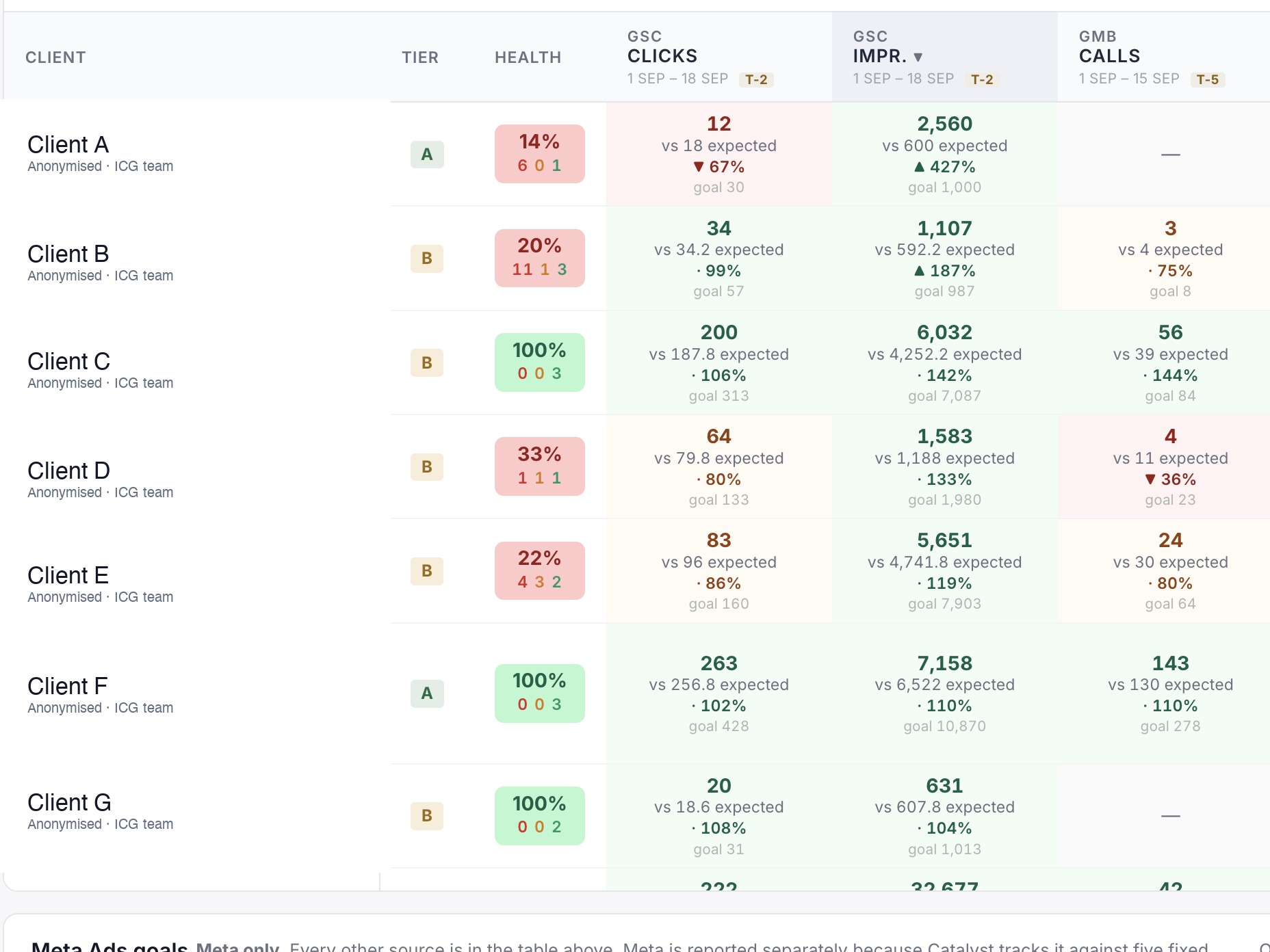
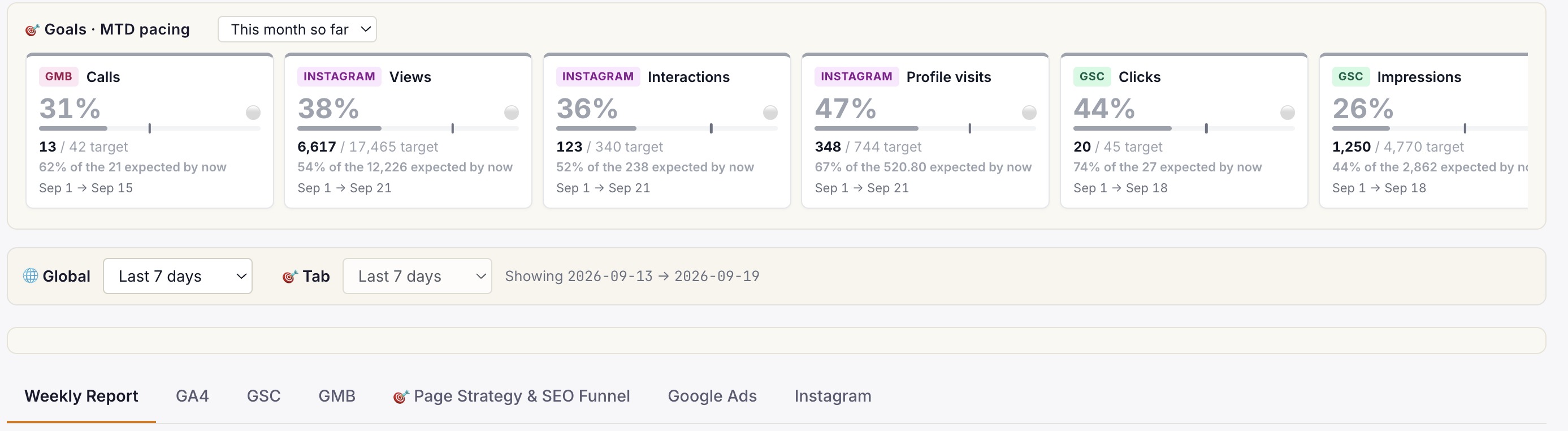
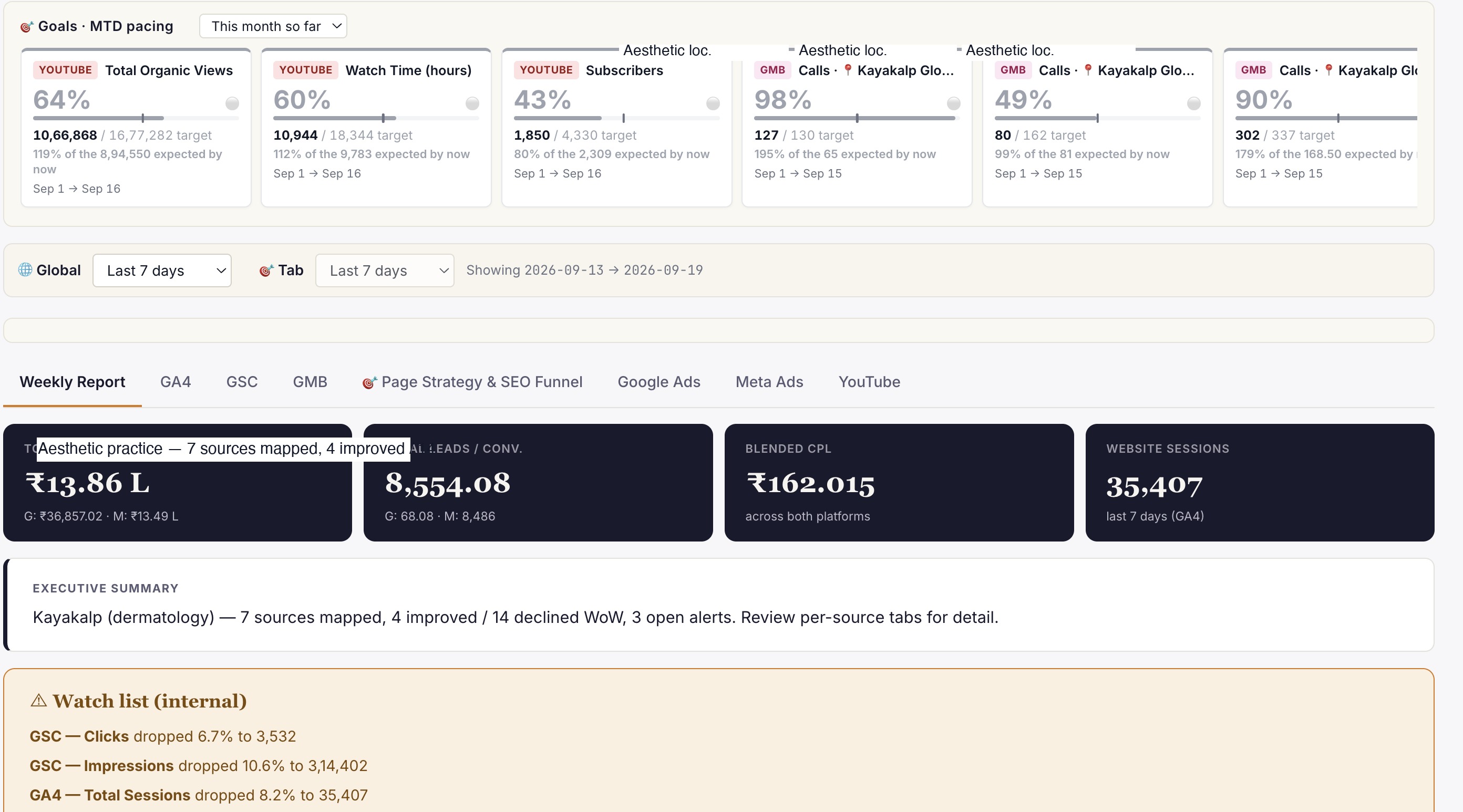
Live client dashboard. GSC, GA4, Google Ads, Meta Ads, IVR calls in one view. Login anytime, not monthly.
Phoenix
Clinic revenue intelligence over your PMS. Daily action queue: Prevent Loss, Maintain & Engage, Grow Revenue. Multi-centre rollout.
Or book a free 30-min audit to see all three in action on your account.
Healthcare brands
that already run on ICG.
A representative slice of the 150+ healthcare brands ICG has delivered for across India. Most engagements remain under NDA.


What ICG clients say · on video.
"Scale up of organic channels and business consulting. ICG has absolute domain authority in their field."
"Working with ICG transformed how we acquire IVF patients in Gurgaon. They understand the fertility journey from inquiry to consult..."
"What Ichelon accomplished — they got all my ideas and worked over 3-4 months to create an amazing, super-customised website."
Need help operationalising this?
Every ICG service is healthcare-only, NMC + DPDP-aware, and built around the patient-research patterns that drive Indian healthcare growth in 2026.
Every practice welcome — packages from ₹20,000/mo.
Goals-Driven engagements · Performance-Linked Payout Models available
More from
ICG.
Five trends shaping Indian healthcare marketing through 2027: AI-first patient research, Conversions API adoption, ABDM discovery, the AEO w...
Healthcare AIO is the discipline of getting your clinic or hospital cited inside Google AI Overviews, ChatGPT and Perplexity answers — not j...
Conversational-search advertising places brand messages inside AI chat answers — ChatGPT, Perplexity, Copilot — rather than beside a results...
Stop guessing.
Book a Diagnostic.
30 minutes. Free. With the AI-powered healthcare-only marketing agency 150+ brands already run on. No slides, no pitch, no hard close.


