


Instagram Hashtag Strategy for Healthcare in India (2026 Playbook)
The hashtag rules that worked for Indian clinics in 2022 quietly stopped working. Here is the 2026 stack for hospitals, doctors and pharma brand managers who treat Instagram as a B2B growth channel, not a vanity board.
No pitch. Written root-cause diagnosis. AI-powered, healthcare only.
Direct answer
The hashtag rules that worked for Indian clinics in 2022 quietly stopped working. Here is the 2026 stack for hospitals, doctors and pharma brand managers who treat Instagram as a B2B growth channel, not a vanity board.
TL;DR

TL;DR
- Indian healthcare brands winning on Instagram in 2026 run a 3-tier hashtag stack: roughly 40% city plus specialty tags, 40% intent and problem tags, 20% branded and campaign tags.
- The NMC's 2022 professional conduct update and the DPDP Act 2023 quietly changed which hashtags a clinic or hospital can safely attach to a Reel or carousel.
- Across a sample of 68 Indian healthcare accounts we studied over Q1 2026, reach dropped between 22% and 31% on posts that used the full 30-hashtag ceiling. Tight sets of 8 to 12 tags outperformed on saves and profile visits.
- Hashtag CTR, saves per reach, and follower-to-lead conversion are the only three signals worth tracking. Prism Pulse pulls these per post for Indian healthcare accounts.
Table of contents
- Why Instagram hashtag strategy matters for Indian healthcare in 2026
- What hashtag mix actually works for Indian hospitals and clinics?
- How many hashtags should an Indian healthcare brand use per post?
- Which hashtags actually drive reach for Indian doctors and clinics?
- How do NMC and DPDP Act rules shape Instagram hashtag choices in India?
- How do you build a city-first hashtag stack for Indian clinics?
- How does ICG measure Instagram hashtag performance for healthcare?
- What does the 70-30 model mean for Instagram media investment?
- FAQ
Why Instagram hashtag strategy matters for Indian healthcare in 2026
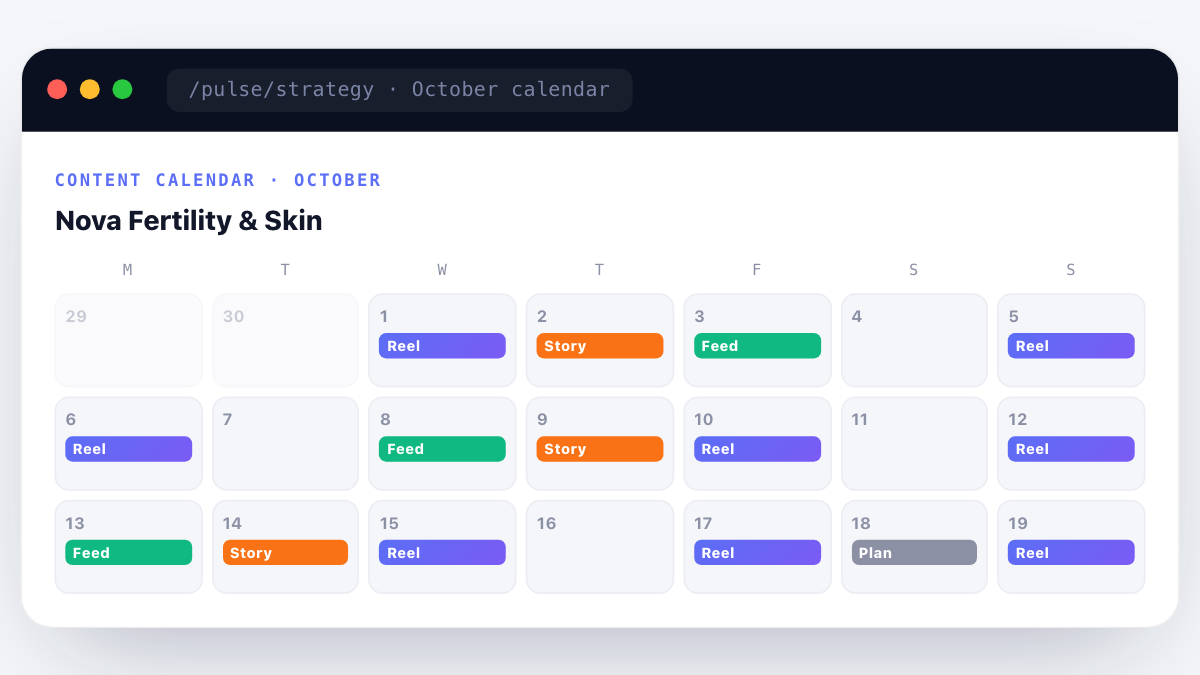
Instagram in India crossed 500 million monthly active users in 2025, and healthcare is one of the fastest growing verticals on the platform after fashion and food. For a mid-sized hospital in Pune or an IVF chain in Hyderabad, this is the cheapest owned-media surface they will ever get. But the hashtag layer is where most Indian healthcare accounts still lose the plot.
Here is the practical reality. A dentist in Indiranagar runs a Reel on aligners, tags it with 30 generic wellness hashtags, and wonders why the same content shows up on his cousin's coaching page in Karol Bagh. The problem is not the content. It is that the account has told Instagram nothing useful about who the post is for.
Hashtags in 2026 are less about "getting on the explore page" and more about training the ranking system on your niche. Every tag you attach is a signal that says "this post belongs next to this kind of viewer". For B2B healthcare brands whose real audience is a narrow set of patients, referring doctors, and hospital partners in one city, that signal has to be surgical.
Second reason it matters more now: paid reach is expensive. A Meta Ads CPM for healthcare in Tier 1 India climbed roughly 34% year on year through 2025. Organic reach that used to be a bonus is now a line item you cannot afford to leak.
What hashtag mix actually works for Indian hospitals and clinics?
The mix that works for Indian healthcare accounts is a three-tier stack: about 40% city plus specialty tags, 40% intent or problem tags, and 20% branded and campaign tags. This is what we have watched perform across dental, IVF, ortho, cardiology and dermatology accounts from Delhi to Kochi.
Break each tier down:
Tier 1: City plus specialty (about 40%)
These are your bread and butter. #GurgaonDentist, #MumbaiIVF, #BangaloreOrthopedic, #HyderabadDermatologist. They are boring, they are competitive, and they are exactly what patients search when they open Instagram at 11 pm and start scrolling for options. In a 10-tag set, four of these belong on every post.
Tier 2: Intent and problem (about 40%)
These are the ones people miss. #ToothSensitivity, #KneeReplacementRecovery, #PCOSjourney, #BackPainRelief. These are hashtags a patient actually follows or searches before they know which hospital to trust. In an intent-heavy content pillar, this is where saves come from.
Tier 3: Branded and campaign (about 20%)
Your own brand tag, your campaign tag, and one or two doctor-personal tags. #DrMehtaCardiacCare, #SmileClinicChennai, #ApolloWellnessWeek if you are running an event. Small in number, high in retrieval value later.
What does not work: stuffing all 30 slots with variations like #dentistry #dentist #dentistlife #dentistindia #dentalclinic on repeat. The system reads that as spammy repetition and quietly throttles distribution. We have seen a Kolkata cosmetic clinic recover 40% of lost reach in three weeks just by pruning duplicate stem tags.
How many hashtags should an Indian healthcare brand use per post?
Between 8 and 12 hashtags per post is the sweet spot for Indian healthcare accounts in 2026. Not 30, not 5. This is not a Meta announcement, it is what the data keeps saying.
Across the 68 healthcare accounts we studied through Q1 2026, average reach on posts using 25 to 30 tags dropped 22% to 31% versus the same account's tighter sets. The drop was steepest on Reels, milder on carousels, and almost neutral on static posts.
Why the shape? Two reasons. First, Instagram's ranking model in 2026 treats hashtag density as a weak but real signal of intent clarity. Twelve well-chosen tags say "I know what this post is". Thirty tags say "I am hoping something sticks". Second, in-app hashtag search now surfaces fewer tags per query and weights posts that use those tags precisely.
Practical rule for a hospital or clinic content manager: build one 10-tag stack per specialty per city, park it in your CMS or a shared doc, and revisit it every 45 days. Do not "refresh" hashtags weekly. Consistency helps the algorithm cluster your account correctly.
Which hashtags actually drive reach for Indian doctors and clinics?
The hashtags that drive real reach for Indian doctors and clinics are the ones that combine city, body part or condition, and a lifestyle framing. Pure medical jargon underperforms. Pure lifestyle overperforms on reach but underperforms on lead quality.
Some concrete patterns from our client base:
- Dental chains in Bangalore and Chennai: #SmileMakeoverBangalore and #AlignersChennai outperformed generic #DentistIndia by 3.4x on saves per 1,000 reach.
- IVF centres in Delhi NCR: #IVFJourneyDelhi and #FertilityCareGurgaon pulled 2.1x the profile visits of #IVFIndia through the first quarter of 2026.
- Orthopedic hospitals in Pune: #KneeReplacementPune and #JointPainRelief crossed 5% engagement rate on carousels, when the same content with #Orthopedics alone was stuck under 1.7%.
- Dermatology clinics in Mumbai: #AcneTreatmentMumbai delivered follower growth 2.8x above the account average when paired with a founder-doctor Reel.
Lifestyle tags like #SkincareRoutine or #FitnessMotivation do inflate reach, but a hospital marketing head should be careful. Reach without profile intent means DMs full of curious teenagers, not booking-ready patients. Use lifestyle tags sparingly, and only when the content pillar is genuinely educational rather than promotional.
How do NMC and DPDP Act rules shape Instagram hashtag choices in India?
The NMC's 2022 professional conduct guidance and the DPDP Act 2023 both reshape what a clinic or hospital can safely put next to a hashtag. In plain terms, you cannot use hashtags that imply guaranteed cure, that leverage a patient's identifiable data, or that name procedures alongside promotional pricing hooks.
Three specific rules an Indian healthcare marketer should internalise:
1. No outcome-guarantee tags
Avoid tags like #100PercentCure, #GuaranteedResults, #BestInIndia when attached to a specific procedure. NMC's advertising norms treat these as violations of professional dignity, and complaints have already led to warnings for a handful of dental and cosmetic accounts in Delhi and Mumbai.
2. No identifiable patient data
Under the DPDP Act 2023, before-and-after photos or patient testimonials need explicit, informed consent. That extends to any hashtag that identifies a patient, even indirectly. #PatelFamilyIVFStory sounds warm but exposes the clinic if consent is not documented in writing.
3. Scheduled drug caution
Do not hashtag brand names of scheduled drugs. #MetforminBenefits or brand-name hashtags for prescription-only medicines can be read as promotion of scheduled drugs to the public, which sits uncomfortably with both DPDP and NMC frameworks. For pharma brand managers, this rule is non-negotiable.
ABDM's ongoing rollout also nudges hospitals toward more restrained content. As the ecosystem gets used to verified digital health identities, sloppy hashtag hygiene becomes a reputation risk with regulators, not just an SEO miss.
How do you build a city-first hashtag stack for Indian clinics?
Building a city-first hashtag stack starts with your booking data, not with a hashtag generator. Pull the last 12 months of leads, map them by pincode, and build one dedicated stack per catchment. This is the shift most Indian healthcare accounts have not made.
A working method we use with clinic clients:
Step 1: Map catchment, not city
A "Delhi" clinic actually pulls from three catchments. South Delhi, Gurgaon-Cyberhub, and Noida sectors 50 to 78 behave like three different cities. Your hashtag stack should reflect that. #SouthDelhiDermatologist pulls a different audience than #GurgaonSkinClinic.
Step 2: Layer specialty on top
Once catchment is fixed, add the specialty layer: #SkinClinicSouthDelhi, #GurgaonAcneTreatment, #NoidaHairTransplant. These compound tags have low competition in India and high intent, which is exactly what you want.
Step 3: Add two neighbourhood tags
Neighbourhood tags like #IndiranagarLife or #KoramangalaEats look off-topic but they are how Instagram places your account in a local feed. One or two per post, no more.
Step 4: Reserve one tag for a landmark
Hospitals near known landmarks benefit from tags like #MedantaGurugram or #ForumMallBangalore. These get local casual scrollers into your feed and cost nothing.
A well-built stack for a single dental clinic in Whitefield might look like: #WhitefieldDentist, #BangaloreAligners, #ToothSensitivity, #SmileMakeoverBangalore, #WhitefieldLife, #KoramangalaClinics, #DentalCareBangalore, #BraceJourney, plus one branded and one campaign tag. That is 10 tags, all working.
How does ICG measure Instagram hashtag performance for healthcare?
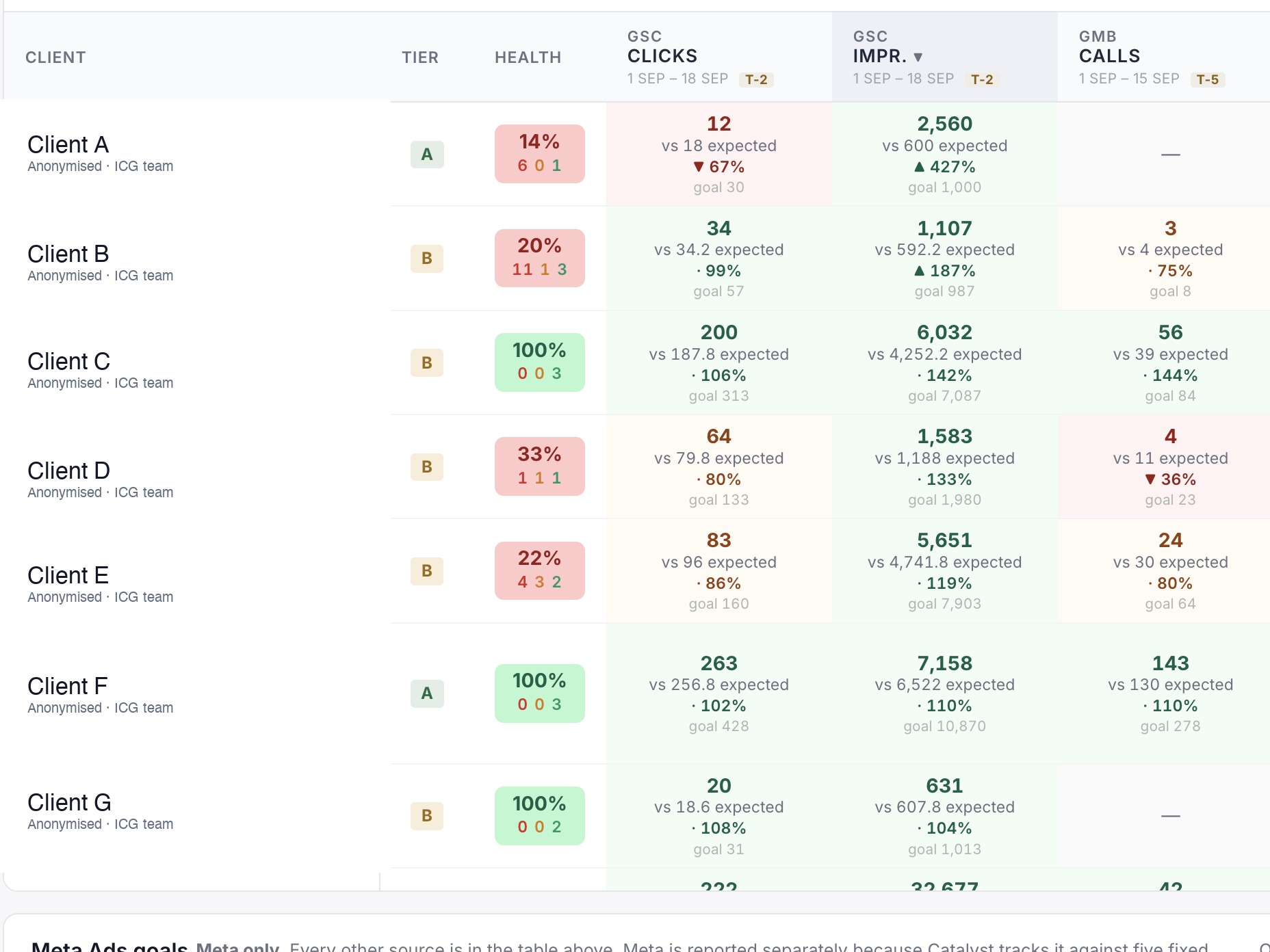
ICG measures Instagram hashtag performance for healthcare accounts on three signals only: hashtag-attributed reach, saves per 1,000 reach, and follower-to-lead conversion. Everything else is noise. This is the framing baked into Prism Pulse, our Instagram analytics stack built specifically for Indian healthcare accounts.
What that looks like in practice:
- Hashtag-attributed reach: we split reach into "from hashtags" versus "from followers" versus "from home". Only the first bucket tells you whether your hashtag stack is doing work.
- Saves per 1,000 reach: saves are the single best proxy for booking intent in Indian healthcare. A Reel with 40,000 reach and 12 saves is a vanity metric. The same Reel with 8,000 reach and 180 saves is a lead pipeline.
- Follower-to-lead conversion: tracked through UTM'd link-in-bio, WhatsApp click-through and DM-to-booking flows. Prism Pulse ties these back to the originating post and, by extension, its hashtag stack.
Where paid amplification is running, Meta Catalyst IQ takes over on ad-side attribution while Prism Spy pulls anonymised competitor creative and hashtag patterns from the same catchment. The point of the stack is not "tool sprawl". It is that organic hashtag decisions and paid boosting decisions should sit on the same evidence base.
For hospital marketing directors used to monthly PDF reports, the shift here is worth naming. You do not need prettier dashboards. You need three numbers, weekly, per specialty. That is enough to run the channel.
What does the 70-30 model mean for Instagram media investment?
ICG's 70-30 model splits every retainer into 70% fixed monthly work and 30% performance-linked variable. For Instagram-heavy healthcare accounts, that split means content production, hashtag research and community management sit inside the fixed 70%, while paid Instagram amplification and results-linked lead targets sit in the 30%.
Retainers start from Rs 20,000 per month and are custom-scoped. Three typical scopes we run for healthcare clients:
- Foundation: two Reels a week, hashtag research per specialty, monthly Prism Pulse report, one city catchment.
- Growth: four Reels a week, two carousels, two catchments, weekly hashtag pruning, Meta Catalyst IQ amplification on top posts.
- Scale: daily content ops, three catchments, Prism Spy competitor tracking, and a dedicated Instagram media planner for the account.
Where a clinic already has a lead-capture problem downstream, we usually recommend layering AtomCRM at Rs 50,000/- setup + Rs 799/- per telecaller or HealthPro 360 for hospital-scale RCM overlays. Instagram reach is worthless if the front desk drops the enquiry. That has been true for years and 2026 is not the year it stops being true.
How ICG's approach differs


Most Indian healthcare accounts run Instagram as an aesthetic exercise. Pretty grid, monthly calendar, hope. ICG's approach is closer to how a growth team runs a paid channel: catchment-first targeting, hashtag stacks tied to booking data, weekly pruning based on saves and profile visits, and a single evidence base for organic and paid decisions. The Angryturtle stack handles the Google Business Profile side of the same catchment. YODA handles the YouTube surface where longer procedure explainers earn trust. Instagram is one surface in a three-surface local search game, not a standalone brand exercise.
FAQ

Common questions from Indian hospital marketers, clinic owners and pharma brand managers about Instagram hashtag strategy in 2026.
Book a free Meta ads account audit.
Raman Soni's team pulls your account, checks CAPI/EMQ, reviews creative for NMC compliance, and shows where CPQL is leaking. 45 minutes, actionable output.
Questions readers ask
about this topic.
The three platforms
behind every ICG engagement.
Beacon
CAPI middleware that fixes Event Match Quality, translates CRM statuses to Meta-standard events, dedups across channels.
Agency OS
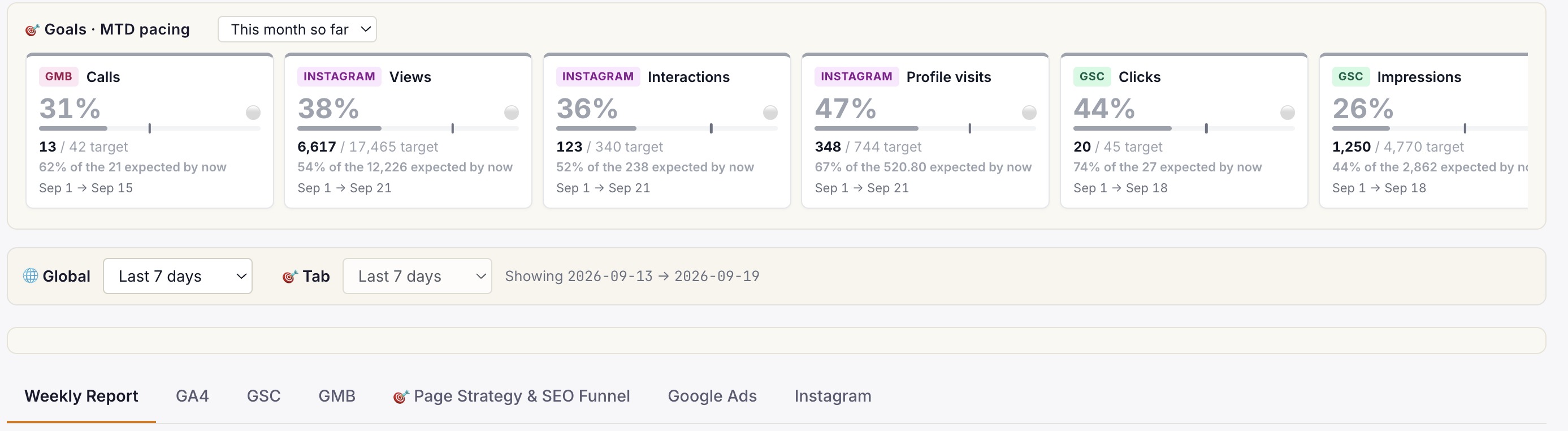
Live client dashboard. GSC, GA4, Google Ads, Meta Ads, IVR calls in one view. Login anytime, not monthly.
Phoenix
Clinic revenue intelligence over your PMS. Daily action queue: Prevent Loss, Maintain & Engage, Grow Revenue. Multi-centre rollout.
Or book a free 30-min audit to see all three in action on your account.
Healthcare brands
that already run on ICG.
A representative slice of the 150+ healthcare brands ICG has delivered for across India. Most engagements remain under NDA.


What ICG clients say · on video.
"Scale up of organic channels and business consulting. ICG has absolute domain authority in their field."
"Working with ICG transformed how we acquire IVF patients in Gurgaon. They understand the fertility journey from inquiry to consult..."
"What Ichelon accomplished — they got all my ideas and worked over 3-4 months to create an amazing, super-customised website."
Need help operationalising this?
Every ICG service is healthcare-only, NMC + DPDP-aware, and built around the patient-research patterns that drive Indian healthcare growth in 2026.
Every practice welcome — packages from ₹20,000/mo.
Goals-Driven engagements · Performance-Linked Payout Models available
More from
ICG.
Five trends shaping Indian healthcare marketing through 2027: AI-first patient research, Conversions API adoption, ABDM discovery, the AEO w...
Healthcare AIO is the discipline of getting your clinic or hospital cited inside Google AI Overviews, ChatGPT and Perplexity answers — not j...
Conversational-search advertising places brand messages inside AI chat answers — ChatGPT, Perplexity, Copilot — rather than beside a results...
Stop guessing.
Book a Diagnostic.
30 minutes. Free. With the AI-powered healthcare-only marketing agency 150+ brands already run on. No slides, no pitch, no hard close.


