


Cosmetic surgery clinics ChatGPT Ads India — capture patient intent inside the conversational search that pre-consultation happens on
Almost every cosmetic surgery decision in India today begins with a long, private, question-heavy conversation with an AI assistant, months before a patient ever names a surgeon. ICG runs a healthcare-only ChatGPT Ads practice built specifically for cosmetic surgery clinics — liposuction, tummy tuck, mommy makeover and body-contouring intent captured pre-consultation, compliance-clean from the first ad.
Conversational-search behaviour specific to cosmetic surgery clinics patients in 2026
Cosmetic surgery research runs longer and deeper than almost any other elective-healthcare category ICG tracks, because the decision is surgical, involves genuine risk, and disrupts a patient's routine for weeks during recovery. Someone considering liposuction rarely opens with "best lipo clinic near me" — they open with "how painful is liposuction recovery really" or "does fat come back after lipo if I gain weight," and only reach a shortlisting question many exchanges and often several days later. That earlier, anonymous conversation is where ICG places a cosmetic surgery clinic's presence, not just at the final booking-ready moment when the patient has already formed an opinion elsewhere.
This category also produces a distinctly medical research pattern. A patient weighing a tummy tuck wants to understand anaesthesia type, hospital stay length, scar placement, and how soon they can return to caring for young children, before they will even consider naming a surgeon. ChatGPT's multi-turn conversational format suits this kind of sequential, clarifying-question research far better than a traditional search-engine results page, which is one reason cosmetic surgery queries inside AI assistants have grown sharply through 2026 relative to non-surgical aesthetic treatments that carry lower perceived risk.
The mommy makeover has become a distinct and fast-growing research cluster within this category. Post-partum patients researching a combined tummy tuck, liposuction and sometimes breast procedure ask a specific sequence of questions — is combining procedures in one surgery actually safe, how much longer is recovery for a combined surgery versus doing them separately, and what does a realistic package price look like — and this sequence differs meaningfully from a single-procedure liposuction or tummy tuck conversation. Clinics that treat the mommy makeover as a single marketing line item rather than its own conversational journey consistently under-perform against clinics that address the combined-procedure safety question directly and early.
Finally, cosmetic surgery patients anchor on cost earlier and more insistently than in most healthcare categories ICG serves, because surgical packages in India span a wide price range depending on technique, hospital stay and surgeon experience, and patients want to understand where a given clinic sits on that range before investing time in a consultation. A cosmetic surgery clinic's ChatGPT Ads strategy has to be willing to name realistic package price bands early in the conversation, or it loses the patient to a competitor prepared to answer the cost question honestly rather than deferring everything to a phone call.
Intent bucket map for cosmetic surgery clinics
ICG structures every cosmetic surgery account around five to six named intent buckets rather than one blended campaign, because the category's research arc is unusually long, medically detailed, and each stage needs a distinct bid strategy and a distinct piece of compliance-cleared ad copy.
| Intent bucket | Example query | Typical CPC band (₹) |
|---|---|---|
| Safety and risk exploration | "how safe is liposuction, what are the real complication risks" | 20–45 |
| Recovery and downtime | "tummy tuck recovery time, when can I go back to work" | 40–90 |
| Cost anchoring | "liposuction cost in India, full body package price" | 65–140 |
| Combined-procedure / mommy makeover | "is a mommy makeover safe, tummy tuck and lipo together" | 55–120 |
| Surgeon shortlisting (local) | "experienced cosmetic surgeon in [city] for tummy tuck, board-certified" | 150–320 |
| Booking-ready / consultation | "what tests are needed before liposuction surgery consultation" | 100–210 |
Safety-exploration and recovery-downtime queries carry the lowest CPCs but the highest volume, and ICG deliberately maintains a presence here rather than skipping straight to shortlisting bids, because a clinic that has already answered a patient's risk and recovery questions gets recalled by name at the far more expensive shortlisting stage — which materially lowers the effective cost of surgeon-shortlisting traffic. The combined-procedure bucket sits at a moderate CPC band precisely because fewer clinics currently build dedicated ad copy for the mommy makeover as its own journey, which is the whitespace ICG points cosmetic surgery clients toward first.
Surgeon-shortlisting queries are the highest-CPC bucket and the one where credential-specific authority signals matter most — a named, board-certified plastic surgeon with a stated case volume consistently outperforms a generic clinic-brand mention at this stage. ICG's default budget allocation for a new cosmetic surgery account weights roughly 15% to safety and risk exploration, 15% to recovery and downtime, 15% to cost anchoring, 20% to combined-procedure/mommy makeover, 25% to surgeon shortlisting, and 10% to booking-ready confirmation, rebalanced against real conversation-completion data after the first month.
Multi-procedure surgical practices — those offering liposuction, tummy tucks, mommy makeovers and body-contouring under one roof — typically need the full six-bucket structure from day one, because collapsing procedure categories into a single bucket blends CPC bands that don't belong together and produces misleading blended cost-per-conversation numbers. Single-procedure specialists (a liposuction-only or tummy-tuck-only surgeon) can start with three to four buckets and expand as data supports it.
Compliance overlays for cosmetic surgery clinic ad copy
Cosmetic surgery advertising in India sits under stricter enforcement than most non-surgical aesthetic categories, because the procedures involve genuine surgical risk and the temptation toward outcome-guarantee language is correspondingly higher. ChatGPT Ads doesn't relax any of this — a conversational follow-up question can easily push an AI-generated response toward an implied guarantee the clinic never actually made, so ICG reviews both the ad copy and the follow-up-response guardrails before any bucket goes live.
NMC Section 6 prohibits guaranteed-outcome language and any comparative "best results" claim, and it specifically restricts before/after result claims tied to a named surgeon without the required disclaimers. Cosmetic surgery ad copy is particularly exposed to this rule because phrases like "guaranteed flat stomach" or "permanent fat removal" cross directly into a prohibited outcome guarantee, and because the underlying procedure is surgical, the regulatory scrutiny on this category runs higher than on non-invasive treatments. Every ICG-written cosmetic surgery ad avoids this category of language entirely, favouring factual, procedure-and-technique-specific descriptions instead.
ASCI Chapter III requires clear sponsored-content disclosure and prohibits misleading efficacy, safety or recovery-time claims — a rule ICG applies with particular care to recovery-timeline messaging, since understated downtime is one of the most common misleading claims in cosmetic surgery marketing generally. ICG's cosmetic surgery ad templates are pre-cleared against this chapter, and any recovery or downtime language is written to reflect a realistic range rather than a best-case number designed purely to drive bookings.
DPDP 2023 governs every landing page a cosmetic surgery campaign points to. Because procedure-interest data in this category often touches body-image concerns and pre-existing health conditions relevant to surgical fitness, ICG treats consent language as strictly required rather than boilerplate — explicit purpose statements, no pre-ticked marketing boxes, and clear data-handling language on every lead form. Because this is a surgical category, ICG additionally builds mandatory risk-and-recovery disclosure language into every landing page and ad variant, a discipline that goes beyond what non-surgical aesthetic treatments require and one ICG applies to every cosmetic surgery account regardless of procedure.
Landing-page pattern that converts for cosmetic surgery clinics
A patient arriving from a ChatGPT Ads citation for a cosmetic surgery procedure has usually already had part of the safety-and-recovery conversation with the AI — they don't need to be persuaded that the procedure exists, they need their specific risk and recovery questions confirmed and their remaining hesitation addressed. ICG's cosmetic surgery landing pages are built short, factual and machine-scannable for exactly this reason, keeping five elements above the fold: the specific procedure named in the headline (never a generic "our surgical services" heading), the operating surgeon's name and board certification, an honest recovery-timeline section stated in a realistic range, a package-pricing range rather than a vague "contact for quote," and a single clear next action.
Honest recovery-timeline language does real conversion work in this category specifically. A landing page that states "most patients return to light activity within 10–14 days and full activity by six weeks, with final results visible around three to six months" converts better than a page implying a fast, effortless recovery, because the patient arriving from an AI conversation has often already been told a similar honest range by the assistant itself — a landing page that contradicts what the AI just explained reads as untrustworthy and increases bounce.
The single clear next action stays deliberately narrow, matching ICG's approach across the healthcare ChatGPT Ads practice: one consultation-booking form and one WhatsApp option, not a form, a phone number, a chatbot widget and a downloadable price list competing for the same click. Cosmetic surgery clinics running multiple competing CTAs on a single landing page lose a meaningful share of otherwise-qualified conversation-attributed traffic to decision fatigue at the point of conversion — a pattern ICG has confirmed repeatedly across accounts in this vertical, and one that matters more here than in lower-consideration categories given how much research effort a surgical patient has already invested by the time they click.
Because attribution runs on conversation-completion rather than click-through, the landing page must also close the loop the AI conversation opened. If the originating question was about mommy makeover safety, the page needs to answer that specific combined-procedure question in the first two lines rather than opening with a broad clinic introduction. ICG writes a distinct landing-page variant per intent bucket — safety, recovery, cost, combined-procedure, shortlisting, booking-ready — rather than routing every bucket to one shared cosmetic-surgery homepage, and links each variant back to the clinic's broader clinics ChatGPT Ads account structure for consistency.
Pricing
Retainers from ₹20,000/month · Custom-scoped per engagement.
The first 90 days for a cosmetic surgery clinic
Weeks one and two are compliance and setup — bucket definition against the clinic's actual procedure mix, ad copy drafted and cleared against NMC Section 6 and ASCI Chapter III, DPDP-compliant landing pages built per bucket with honest recovery-and-risk disclosure language, and the AI Assistant channel correctly wired in GA4 so conversation-completions are captured from day one.
Weeks three through six are typically when the first qualified, conversation-attributed leads start arriving, usually from the safety-exploration and recovery-downtime buckets first, with surgeon-shortlisting leads following once the clinic has built recall through the earlier stages. Cost-per-conversation is volatile in this window, particularly in higher-CPC buckets like surgeon shortlisting, and shouldn't be judged against a steady-state number yet — the surgical research-to-consultation cycle in this category runs longer than for non-surgical aesthetic treatments.
By week eight to twelve, bucket-level bid data has matured enough for ICG to rebalance spend toward whichever buckets are actually producing conversation-completions at an acceptable cost — commonly a shift toward the combined-procedure/mommy makeover bucket once its steady conversion rate becomes clear against the clinic's actual booking data. The clinic gets its first full-cycle report showing cost-per-consultation against each bucket rather than the campaign as a whole, and ICG makes a data-based tier recommendation for the next quarter.

Get your cosmetic surgery clinic into the ChatGPT Ads whitespace before it closes
Almost no agency in India runs a dedicated, compliance-checked ChatGPT Ads practice for cosmetic surgery clinics yet. ICG does, and the 90–180 day first-mover window is already narrowing.
ICG's healthcare ChatGPT Ads practice operates within NMC Section 6, ASCI Chapter III and DPDP 2023. See the full ChatGPT Ads for Healthcare pillar, or the dedicated clinics ChatGPT Ads page for general-practice variants.
ChatGPT Ads and LLM marketing in the nine-stage patient journey
- 0Foundations
- 1Demand gen
- 2Capture
- 3Lead quality
- 4Lead mgmt
- 5Scheduling
- 6Show-up
- 7Conversion
- 8Retention
It works in demand generation, inside the AI assistants patients now ask before they search. SIE tracks the sessions and enquiries those AI engines send. Our own software runs the work, and every stage is reported against a monthly target on Ichelon Agency OS.
See all nine stages and the tool behind each one →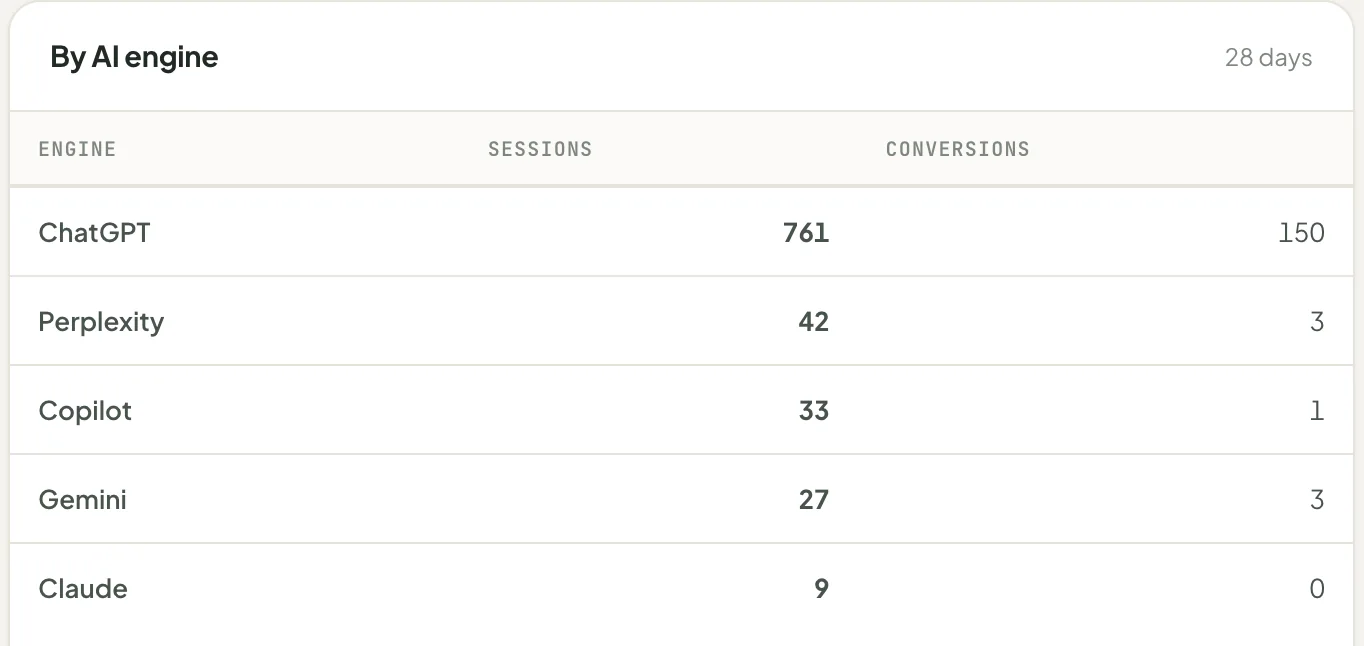
Frequently asked questions
What is ChatGPT Ads for cosmetic surgery clinics?
ChatGPT Ads places a sponsored response or citation inside a live ChatGPT conversation while a prospective patient is actively researching a surgical procedure — liposuction cost, tummy tuck recovery, or whether a mommy makeover combines multiple surgeries in one sitting — rather than waiting for that person to type a keyword into a search engine. For cosmetic surgery clinics this matters because the pre-consultation research phase is unusually long, medically detailed and risk-focused, and a clinic absent from that phase rarely gets considered once the patient is ready to book a consultation.
Why do cosmetic surgery patients research differently than other healthcare categories?
Cosmetic surgery is invasive, carries genuine surgical risk, and involves a recovery period that affects a patient's work and family life for weeks — so patients ask far more detailed, sequential questions about anaesthesia, complication rates, scarring and downtime than they would for a non-surgical aesthetic treatment. Much of this research happens privately inside an AI conversation precisely because the questions feel too clinical or too personal for a public forum, which makes conversational search the dominant early-research channel for this category in India.
How much does ChatGPT Ads management cost for a single cosmetic surgery clinic?
ICG's engagement for a single-surgeon cosmetic surgery clinic begins at ₹20,000/month starting (inclusive of 18% GST), covering one to two intent buckets, compliance-reviewed ad copy, one conversational landing-page variant and monthly conversation-attribution reporting. Ad spend is planned separately based on city, procedure mix and existing lead volume.
What compliance rules govern cosmetic surgery ad copy on ChatGPT Ads?
Every bucket ICG builds for a cosmetic surgery clinic is checked against NMC Section 6 (no guaranteed-outcome language, no implied result tied to a named surgeon without disclaimers, no misleading claims about surgical risk), ASCI Chapter III (mandatory sponsored-content disclosure and no misleading safety or recovery-time claims), and DPDP 2023 (explicit consent language on every lead form, since procedure-interest data touching body-image and health history is sensitive). Because this is a surgical category, ad copy and landing pages carry mandatory risk-and-recovery disclosure language that non-surgical aesthetic treatments do not.
Is the mommy makeover a real conversational query volume driver for cosmetic surgery clinics?
Yes — mommy makeover queries, which typically combine a tummy tuck with liposuction and sometimes a breast procedure in a single sitting, are one of the fastest-growing conversation clusters ICG tracks in the cosmetic surgery vertical, driven by post-partum patients researching combined-procedure safety, single-surgery recovery time and total package cost. ICG bids into this cluster deliberately, because patients researching a mommy makeover are unusually comparison-heavy and reward a clinic that answers the combined-procedure safety question honestly and early.
How is a lead attributed and reported for a cosmetic surgery clinic campaign?
ChatGPT Ads attributes on conversation-completion events, not clicks — a lead is credited when a prospective patient completes an intent journey such as requesting a callback or submitting a consultation-booking form. In Google Analytics 4 this surfaces under the 'AI Assistant' channel; across ICG's healthcare accounts this channel shows a 10.49% key-event rate, roughly twice organic search and seventeen times direct traffic.
What does a converting landing page for a cosmetic surgery clinic look like?
It needs to be short, factual and machine-scannable — the specific procedure named in the headline, the operating surgeon's name and surgical credentials, an honest recovery-timeline and risk-disclosure section, realistic package-pricing ranges rather than a vague 'contact for quote,' and a single clear next action. This format converts a patient who has already had part of the safety-and-recovery conversation with the AI, and it is also what ChatGPT's own citation mechanics favour when a user asks a follow-up question later in the same session.
How long before a cosmetic surgery clinic sees qualified leads from ChatGPT Ads?
Most cosmetic surgery clinics on ICG's Starter and engagements see qualified conversation-attributed leads within three to four weeks of a compliance-cleared campaign going live — slightly longer than non-surgical aesthetic categories because the research-to-consultation cycle for surgery is inherently longer — with cost-per-conversation stabilising by around week eight once bucket-level bid data has matured.
Do ChatGPT Ads replace Google Ads or Meta Ads for a cosmetic surgery clinic?
No. ICG runs ChatGPT Ads as an addition inside the paid stack alongside Google Ads and Meta Ads. Google Ads still captures high-volume, bottom-funnel searches such as procedure pricing near a location; Meta Ads still builds visual, before/after-adjacent awareness within compliance limits; ChatGPT Ads captures the earlier, longer research-and-risk conversation that neither of the other two channels was built to reach.
Who runs ICG's ChatGPT Ads practice for cosmetic surgery clinics?
ICG's cosmetic surgery paid-search practice, including ChatGPT Ads, is led on the growth and business side by Rohit Gupta. Every campaign is compliance-reviewed before it goes live and reported monthly against conversation-attribution data, not click volume alone.
