


Aesthetic and skin clinics ChatGPT Ads India — capture patient intent inside the conversational search that pre-consultation happens on
Nearly every medi-aesthetic decision in India today starts with a private, question-heavy conversation with an AI assistant, long before a patient names a clinic. ICG runs a healthcare-only ChatGPT Ads practice built specifically for aesthetic and skin clinics — botox, fillers, HIFU/RF, laser and skin-brightening intent captured pre-consultation, compliance-clean from the first ad.
Conversational-search behaviour specific to aesthetic and skin clinics in 2026
Medi-aesthetic patients research differently from almost any other healthcare category. The decision is elective, non-urgent, and often carries a degree of social self-consciousness that pushes people away from public forums and clinic comment sections and toward a private, anonymous conversation with an AI assistant instead. Someone considering botox for the first time rarely opens with "best botox clinic near me" — they open with "does botox actually look natural or does it freeze your face," and only reach a clinic-shortlisting question several exchanges later. That earlier, anonymous conversation is where ICG places an aesthetic clinic's presence, not just at the final booking-ready moment.
This category also produces an unusually long comparison phase. A patient weighing a filler against a thread lift, or HIFU against RF for skin tightening, typically wants to understand pain level, downtime, longevity and realistic cost before they will even consider naming a provider. ChatGPT's conversational format is built for exactly this kind of multi-turn, clarifying-question research, which is why aesthetic and skin clinic queries inside AI assistants have grown faster in 2026 than almost any other elective-healthcare sub-category ICG tracks. A clinic that isn't present in that comparison phase is frequently invisible by the time the shortlisting question is finally asked.
There's a second, India-specific behaviour worth naming directly: skin-brightening and pigmentation queries carry a much higher volume-to-competition ratio than the more visible botox and filler categories, because most agencies and clinics still treat brightening treatments as a lower-priority service line to advertise. ICG has found this to be one of the highest-value whitespace pockets inside the aesthetic vertical right now — high genuine search volume, low compliance-checked paid presence, and a patient base that converts well once safety concerns (skin-tone suitability, hyperpigmentation risk) are addressed directly in the ad copy and landing page rather than glossed over.
Finally, aesthetic clinic patients are disproportionately price-anchored before they ever contact a clinic. Cost questions — "how much does under-eye filler cost," "is HIFU cheaper than a facelift" — appear earlier in the conversation than in almost any other specialty ICG serves, which means an aesthetic clinic's ChatGPT Ads strategy has to be comfortable naming realistic price ranges early, rather than deferring all pricing to a phone call, or it loses the conversation to a competitor willing to answer the question honestly.
Intent bucket map for aesthetic and skin clinics
ICG structures every aesthetic clinic account around five to six named intent buckets rather than one blended campaign, because the category's research arc is unusually long and each stage needs a distinct bid strategy and a distinct piece of compliance-cleared ad copy.
| Intent bucket | Example query | Typical CPC band (₹) |
|---|---|---|
| Safety exploration | "is botox safe, what are the actual side effects" | 15–40 |
| Technology comparison | "HIFU vs RF for skin tightening, which lasts longer" | 45–95 |
| Cost anchoring | "how much does under-eye filler cost in India" | 60–120 |
| Pigmentation / brightening | "best treatment for melasma that actually works on Indian skin" | 35–85 |
| Provider shortlisting (local) | "good aesthetic clinic in [area] for lip filler, experienced doctor" | 130–280 |
| Booking-ready / consultation | "what should I ask before my first botox consultation" | 90–190 |
Safety-exploration and technology-comparison queries carry the lowest CPCs but the highest volume, and ICG deliberately maintains a presence here rather than skipping straight to shortlisting bids, because a clinic that has already answered the safety and comparison questions gets recalled by name at the shortlisting stage — which materially lowers the effective cost of that far more expensive bucket. Pigmentation and brightening queries sit at a lower CPC band than botox or filler comparison queries specifically because fewer clinics currently bid on them, which is the whitespace ICG points aesthetic clients toward first.
Provider-shortlisting queries are the highest-CPC bucket and the one where doctor-specific authority signals matter most — a named, credentialed dermatologist or cosmetic physician consistently outperforms a generic clinic-brand mention at this stage. ICG's default budget allocation for a new aesthetic clinic account weights roughly 15% to safety exploration, 20% to technology comparison, 15% to cost anchoring, 15% to pigmentation/brightening, 25% to shortlisting, and 10% to booking-ready confirmation, rebalanced against real conversation-completion data after the first month.
Multi-procedure clinics — those offering botox, filler, laser and skin-brightening under one roof — typically need the full six-bucket structure from day one, because collapsing procedure categories into a single bucket blends CPC bands that don't belong together and produces misleading blended cost-per-conversation numbers. Single-procedure specialists (a laser-only or filler-only practice) can start with three to four buckets and expand as data supports it.
Compliance overlays for aesthetic and skin clinic ad copy
Aesthetic advertising sits under some of the most literally enforced restrictions in Indian healthcare marketing, precisely because outcome claims and before/after imagery are so central to how the category has traditionally sold itself. ChatGPT Ads doesn't relax any of this — a conversational follow-up question can easily push an AI-generated response toward an implied guarantee the clinic never actually made, so ICG reviews both the ad copy and the follow-up-response guardrails before any bucket goes live.
NMC Section 6 prohibits guaranteed-outcome language and any comparative "best results" claim, and it specifically restricts before/after result claims tied to a named doctor without the required disclaimers. This is the single most-violated rule ICG sees in aesthetic clinic advertising generally, because "look years younger" and "flawless skin" language reads as harmless marketing copy but crosses directly into a prohibited outcome guarantee. Every ICG-written aesthetic clinic ad avoids this category of language entirely, favouring factual, procedure-specific descriptions instead.
ASCI Chapter III requires clear sponsored-content disclosure and prohibits misleading efficacy or safety claims — a rule that applies with particular force to device-based procedures, where marketing language often overstates how "non-invasive" or "instant" a result will be. ICG's aesthetic clinic ad templates are pre-cleared against this chapter, and any device-comparison copy (HIFU vs RF, for instance) is written to describe mechanism and typical downtime honestly rather than overselling either option.
DPDP 2023 governs every landing page an aesthetic clinic campaign points to. Because procedure-interest data (a specific concern like acne scarring or pigmentation) is sensitive, ICG treats consent language as strictly required rather than boilerplate — explicit purpose statements, no pre-ticked marketing boxes, and clear data-handling language on every lead form. Device references throughout the ad copy and landing pages stay at the category level (HIFU, RF, laser) rather than naming specific manufacturer platforms with implied regulatory claims the clinic cannot independently substantiate — a discipline ICG applies to every aesthetic account regardless of what equipment the clinic actually uses.
Landing-page pattern that converts for aesthetic and skin clinics
A patient arriving from a ChatGPT Ads citation for an aesthetic procedure has usually already had part of the safety-and-cost conversation with the AI — they don't need to be persuaded that the procedure exists, they need their specific concern confirmed and their remaining hesitation addressed. ICG's aesthetic clinic landing pages are built short, factual and machine-scannable for exactly this reason, keeping five elements above the fold: the specific procedure or concern named in the headline (never a generic "our aesthetic services" heading), the treating doctor's name and relevant credentials, the technology category used described honestly (with realistic downtime and expectation-setting language), a single clear next action, and a compliance-cleared line about what outcomes the clinic can and cannot promise.
Expectation-setting language does real conversion work in this category specifically. A landing page that honestly states "results typically become visible over two to four weeks and require a maintenance session at four to six months" converts better than a page implying instant, permanent transformation, because the patient arriving from an AI conversation has often already been told the honest version by the assistant itself — a landing page that contradicts what the AI just explained reads as untrustworthy and increases bounce.
The single clear next action stays deliberately narrow, matching ICG's approach across the healthcare ChatGPT Ads practice: one consultation-booking form and one WhatsApp option, not a form, a phone number, a chatbot widget and a downloadable price list competing for the same click. Aesthetic clinics running multiple competing CTAs on a single landing page lose a meaningful share of otherwise-qualified conversation-attributed traffic to decision fatigue at the point of conversion — a pattern ICG has confirmed repeatedly across accounts in this vertical.
Because attribution runs on conversation-completion rather than click-through, the landing page must also close the loop the AI conversation opened. If the originating question was about pigmentation-treatment cost, the page needs to answer that specific question in the first two lines rather than opening with a broad clinic introduction. ICG writes a distinct landing-page variant per intent bucket — safety, comparison, cost, pigmentation, shortlisting, booking-ready — rather than routing every bucket to one shared aesthetic-clinic homepage, and links each variant back to the clinic's broader clinics ChatGPT Ads account structure for consistency.
Pricing
Retainers from ₹20,000/month · Custom-scoped per engagement.
The first 90 days for an aesthetic or skin clinic
Weeks one and two are compliance and setup — bucket definition against the clinic's actual procedure mix, ad copy drafted and cleared against NMC Section 6 and ASCI Chapter III, DPDP-compliant landing pages built per bucket with honest expectation-setting language, and the AI Assistant channel correctly wired in GA4 so conversation-completions are captured from day one.
Weeks three through six are typically when the first qualified, conversation-attributed leads start arriving, usually from the safety-exploration and technology-comparison buckets first, with shortlisting-stage leads following once the clinic has built recall through the earlier stages. Cost-per-conversation is volatile in this window, particularly in higher-CPC buckets like provider shortlisting, and shouldn't be judged against a steady-state number yet.
By week eight to twelve, bucket-level bid data has matured enough for ICG to rebalance spend toward whichever buckets are actually producing conversation-completions at an acceptable cost — commonly a shift toward pigmentation/brightening or technology-comparison buckets once their lower CPC and steady conversion rate become clear. The clinic gets its first full-cycle report showing cost-per-consultation against each bucket rather than the campaign as a whole, and ICG makes a data-based tier recommendation for the next quarter.

Get your aesthetic or skin clinic into the ChatGPT Ads whitespace before it closes
Almost no agency in India runs a dedicated, compliance-checked ChatGPT Ads practice for aesthetic and skin clinics yet. ICG does, and the 90–180 day first-mover window is already narrowing.
ICG's healthcare ChatGPT Ads practice operates within NMC Section 6, ASCI Chapter III and DPDP 2023. See the full ChatGPT Ads for Healthcare pillar, or the dedicated clinics ChatGPT Ads page for general-practice variants.
ChatGPT Ads and LLM marketing in the nine-stage patient journey
- 0Foundations
- 1Demand gen
- 2Capture
- 3Lead quality
- 4Lead mgmt
- 5Scheduling
- 6Show-up
- 7Conversion
- 8Retention
It works in demand generation, inside the AI assistants patients now ask before they search. SIE tracks the sessions and enquiries those AI engines send. Our own software runs the work, and every stage is reported against a monthly target on Ichelon Agency OS.
See all nine stages and the tool behind each one →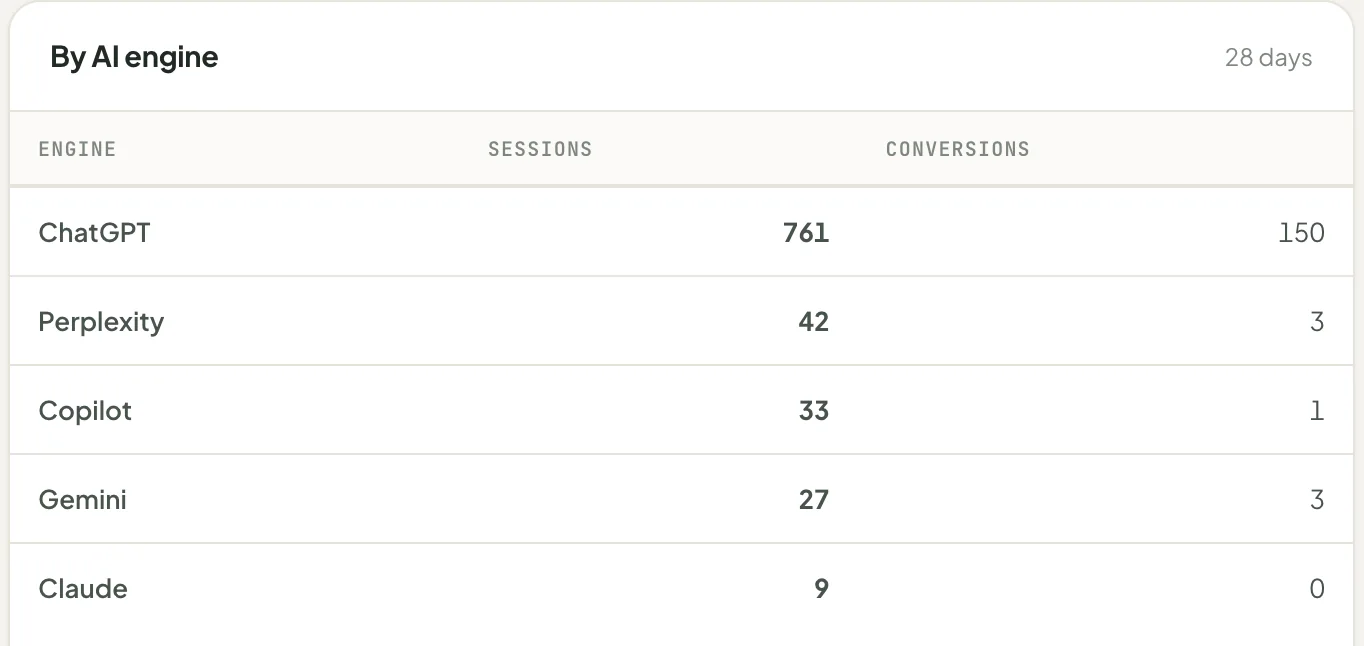
Frequently asked questions
What is ChatGPT Ads for aesthetic and skin clinics?
ChatGPT Ads places a sponsored response or citation inside a live ChatGPT conversation while a prospective patient is actively researching a cosmetic procedure — botox cost, filler safety, HIFU vs RF, or a pigmentation treatment — rather than waiting for that person to type a keyword into a search engine. For aesthetic clinics this matters because the research phase before a consultation is unusually long and question-heavy, and a clinic absent from that phase is often absent from the shortlist entirely.
Why do aesthetic clinic patients research differently than other healthcare categories?
Medi-aesthetic decisions are elective, non-urgent and reputationally sensitive, so patients ask far more clarifying questions before ever contacting a clinic — about safety, downtime, technology differences, and realistic outcomes — and they frequently do this anonymously inside an AI conversation rather than on a public forum or a clinic's own comment section. That anonymity is precisely why conversational search has become the dominant early-research channel for this category in India.
How much does ChatGPT Ads management cost for a single aesthetic or skin clinic?
ICG's engagement for a single-location aesthetic or skin clinic begins at ₹20,000/month starting (inclusive of 18% GST), covering one to two intent buckets, compliance-reviewed ad copy, one conversational landing-page variant and monthly conversation-attribution reporting. Ad spend is planned separately based on city, procedure mix and existing lead volume.
What compliance rules govern aesthetic clinic ad copy on ChatGPT Ads?
Every bucket ICG builds for an aesthetic or skin clinic is checked against NMC Section 6 (no guaranteed-outcome language, no implied before/after result tied to a named doctor), ASCI Chapter III (mandatory sponsored-content disclosure, no misleading safety or efficacy claims), and DPDP 2023 (explicit consent language on every lead form, since procedure-interest data is sensitive). Devices marketed alongside a procedure — HIFU or RF platforms — are referenced only by category, never with implied regulatory claims the clinic cannot substantiate.
Is HIFU vs RF a real conversational query volume driver for aesthetic clinics?
Yes — device-comparison queries like HIFU versus RF for skin tightening are one of the highest-frequency comparison-stage conversations ICG sees in the aesthetic vertical, because patients want to understand pain, downtime and cost differences before they ever name a clinic. ICG bids into this stage deliberately, because it is where a clinic's specific technology stack and doctor expertise can be positioned ahead of the shortlisting stage rather than competing purely on price once the patient is ready to book.
How is a lead attributed and reported for an aesthetic clinic campaign?
ChatGPT Ads attributes on conversation-completion events, not clicks — a lead is credited when a prospective patient completes an intent journey such as requesting a callback or submitting a consultation-booking form. In Google Analytics 4 this surfaces under the 'AI Assistant' channel; across ICG's healthcare accounts this channel shows a 10.49% key-event rate, roughly twice organic search and seventeen times direct traffic.
What does a converting landing page for an aesthetic clinic look like?
It needs to be short, factual and machine-scannable — the specific procedure or concern named in the headline, the treating doctor's credentials, the exact technology used (with category-only device references), realistic expectation-setting language, and a single clear next action. This format converts a patient who has already had part of the safety-and-cost conversation with the AI, and it is also what ChatGPT's own citation mechanics favour when a user asks a follow-up question later in the same session.
How long before an aesthetic clinic sees qualified leads from ChatGPT Ads?
Most aesthetic and skin clinics on ICG's Starter and engagements see qualified conversation-attributed leads within two to three weeks of a compliance-cleared campaign going live, with cost-per-conversation stabilising by around week six once bucket-level bid data has matured.
Do ChatGPT Ads replace Google Ads or Meta Ads for an aesthetic clinic?
No. ICG runs ChatGPT Ads as an addition inside the paid stack alongside Google Ads and Meta Ads. Google Ads still captures high-volume, bottom-funnel searches such as procedure pricing near a location; Meta Ads still builds visual, before/after-adjacent awareness within compliance limits; ChatGPT Ads captures the earlier, longer research-and-safety conversation that neither of the other two channels was built to reach.
Who runs ICG's ChatGPT Ads practice for aesthetic and skin clinics?
ICG's aesthetic and skin clinic paid-search practice, including ChatGPT Ads, is led on the growth and business side by Rohit Gupta. Every campaign is compliance-reviewed before it goes live and reported monthly against conversation-attribution data, not click volume alone.
