


Wellness retreat marketing agency India — inbound and domestic growth for Ayurveda, yoga and panchakarma retreats
A retreat stay is a high-ticket, multi-day decision, not a single-visit booking, and it's researched by two very different buyers: an international traveller planning a destination trip, and a corporate HR team scoping a group wellness offsite. ICG runs both funnels for Ayurveda retreats, yoga retreats and panchakarma centres, inside AYUSH advertising guidelines, using the Search Intelligence Trifecta.
TL;DR
- Wellness retreat marketing splits into two funnels — inbound international tourism and domestic corporate wellness — each with different keywords, creative and booking cycles.
- Ayurveda retreats, yoga retreats and panchakarma centres carry near-zero organised digital competition in most Indian regions outside a handful of established circuits.
- Per-booking value is high, often lakhs per group or per long-stay guest, which changes the cost-per-lead math compared to most healthcare verticals.
- Every campaign runs inside AYUSH advertising guidelines, ASCI Chapter III and DPDP 2023 — no disease-cure claims, ever.
- ICG runs this practice through the Search Intelligence Trifecta: Angryturtle for Google Business Profile, SIE for search intelligence, and YODA for YouTube AI-overview capture.
The vertical market shape in India 2026
India's wellness retreat category sits at an unusual crossroads in 2026: global wellness-tourism demand is climbing steadily, India's Ayurveda and yoga heritage gives it a credibility no other destination can claim, and yet most individual retreat centres — from a 20-room Ayurveda property in Kerala to a panchakarma clinic outside Rishikesh — still market themselves the way a small hotel would, through a basic website and word-of-mouth referrals. The gap between global demand and local digital sophistication is one of the widest ICG sees across any vertical it works in.
That gap splits cleanly into two buyer types, and treating them as one audience is the single most common mistake retreat marketing makes. The first is the inbound international traveller — someone in the Middle East, Europe or North America researching a multi-week Ayurveda or panchakarma programme months in advance, comparing destinations, treatment philosophies and practitioner credentials before ever reaching out. The second is the domestic corporate wellness buyer — an HR or people-operations lead in an Indian company scoping a group retreat for a team offsite or an employee wellness benefit, working to a shorter timeline and a very different decision process involving procurement and budget approval rather than personal travel research.
Both buyers are underserved by the same structural gap: almost no retreat centre in India runs AYUSH-compliant, destination-aware search or social campaigns tuned to either audience specifically. Inbound queries about "authentic panchakarma retreat India" or "best Ayurveda retreat for stress recovery" return a scattering of aggregator listings and a handful of well-known properties, leaving most genuinely good retreat centres invisible to exactly the traveller they're built for. Domestic corporate queries fare even worse — HR buyers searching for "corporate wellness retreat package India" mostly find generic team-outing vendors with no wellness specialisation at all.
Add to this the compliance dimension unique to the category: because Ayurveda, yoga and panchakarma sit under AYUSH's advertising guidelines, disease-cure claims that a generic wellness resort could freely make are off-limits here, which means most retreat centres either under-market their genuine therapeutic depth out of caution, or occasionally overstep into risky claim territory out of inexperience. ICG's practice exists to close both gaps at once — building the digital presence a global wellness-tourism buyer expects, inside the compliance boundary the category actually requires.
What ICG delivers for this vertical
ICG's engagement for a retreat centre starts by separating the two funnels structurally, because collapsing them into one generic "book your retreat" campaign under-serves both buyer types and makes reporting meaningless. The inbound funnel is built around destination-and-treatment discovery — search intelligence targeting long-research-cycle queries like "Ayurveda retreat for chronic fatigue India" or "panchakarma detox programme Kerala cost," paired with Google Business Profile optimisation so the property surfaces correctly when a traveller narrows down to a specific region, and YouTube content built to answer the exact questions AI assistants get asked about Ayurveda and yoga retreats in India.
The domestic corporate funnel runs on a different logic entirely — shorter sales cycles, a named decision-maker (usually HR or an office administrator), and a package-comparison mindset rather than a personal-journey mindset. ICG builds dedicated landing pages describing group capacity, per-person package pricing, day-structure options and logistics (transport, accommodation grading, dietary accommodation), because a corporate buyer evaluating three or four retreat options side by side needs this information laid out plainly, not buried inside inspirational brand copy.
Across both funnels, ICG handles: Google Business Profile setup and ongoing optimisation for every physical location a retreat operates from, search-intelligence-driven keyword and content strategy split by funnel, AYUSH-compliant ad copy and landing pages reviewed before every launch, YouTube video strategy and AI-overview capture for the category's most-asked questions, enquiry-form design with DPDP-compliant consent language for any health-history field, and monthly reporting built around booking value and funnel-level cost-per-enquiry rather than raw click volume.
What ICG deliberately does not do is treat a retreat centre like a hospital or clinic account. The content voice, the claim boundaries and the conversion path are all built around a wellness-and-lifestyle framing rather than a medical-treatment framing, because that's both what AYUSH guidelines require and what actually converts a traveller or a corporate buyer who isn't looking for a diagnosis — they're looking for a transformative stay.
The Trifecta-powered stack for retreat centres
ICG runs every retreat account through the Search Intelligence Trifecta — three connected engines that, for most healthcare verticals, work independently, but for a retreat centre reinforce each other unusually well because the buyer journey is long enough for all three to matter inside a single decision.
Angryturtle (Google Business Profile) matters more for retreat centres than almost any other vertical ICG serves, because destination search behaviour leans heavily on Maps and local-pack results even for a multi-day stay decision — a traveller narrowing down to "Ayurveda retreats near Kochi" or a corporate buyer checking "wellness retreat venues near Bangalore" both surface profile-optimised listings before they ever reach a website. ICG optimises photos, service categories, guest review response and posts specifically for the retreat's treatment offerings and setting.
Illustrative Google Business Profile layout for an Ayurveda retreat — profile-driven destination discovery.
SIE (Search Intelligence) handles the content and keyword layer across both funnels — inbound destination-comparison content, treatment-philosophy explainers, and domestic corporate package pages — structured so both traditional search and AI-assistant citation can surface the retreat correctly for its actual specialisation rather than a generic wellness-resort label.
YODA (YouTube AI-overview) closes the loop for the category's naturally visual, naturally video-friendly content: a walkthrough of a panchakarma programme's daily structure, a practitioner explaining what a specific therapy actually involves, or a guest testimonial about a retreat stay. These are exactly the video formats AI assistants pull from when a user asks conversational questions about what an Ayurveda retreat is actually like.
Illustrative domestic corporate landing page — package tiers laid out for HR buyer comparison.
Run together, the Trifecta covers a retreat's presence at every stage a real buyer moves through: found on Maps or in a local pack, found in AI-assistant answers to research questions, and found on YouTube when the buyer wants to see rather than just read about the experience — all feeding the same enquiry calendar.
Compliance overlay specific to this vertical
Wellness retreat marketing carries its own compliance layer, distinct from the general healthcare rules ICG applies elsewhere, centred on AYUSH advertising guidelines. AYUSH restricts disease-cure claims for Ayurveda, yoga and panchakarma programmes — no ad copy, landing page or video script may state or imply that a specific disease or condition will be cured, reversed or permanently resolved by a retreat programme. This is the single most important line ICG's compliance review checks before any retreat campaign goes live.
In practice, this means retreat copy is built around wellness, rejuvenation, lifestyle-management and stress-recovery language rather than disease-name-plus-cure framing. A panchakarma programme can be described by what it does — the classical therapies involved, the daily structure, the qualifications of the treating physicians — without claiming it cures a named condition. ICG's writers are trained to hold this line even when a genuine, well-documented therapeutic benefit exists, because the claim boundary is about advertising language, not clinical reality.
ASCI Chapter III layers on top, requiring sponsored-content disclosure on any paid placement and prohibiting misleading before/after or outcome-implying claims — relevant for retreat testimonial content and guest transformation stories, which need careful framing to avoid implying a guaranteed outcome for every guest.
DPDP 2023 governs any enquiry form collecting health-history, dietary-restriction or medical-condition information, which most retreat intake forms do — ICG builds explicit consent language into every form and ensures this data is handled with the same care as any health-information collection elsewhere in ICG's practice.
Every retreat account is compliance-logged monthly, and every new landing page or campaign is reviewed against this AYUSH-plus-ASCI-plus-DPDP framework before launch, not after — the review sits upstream of publishing, not as a post-launch audit.
90-day engagement plan
Weeks one and two are structural setup — separating the inbound and domestic corporate funnels formally, auditing and optimising Google Business Profile for every physical location, defining the keyword and content map for each funnel, and drafting AYUSH-compliant landing pages and ad copy for compliance review before anything goes live.
Weeks three through six typically bring the first domestic corporate enquiries, since that funnel's shorter buyer cycle and clearer package-comparison intent converts faster than inbound international research. Inbound queries begin surfacing in search and AI-assistant results during this window too, but bookings from that funnel usually lag behind enquiries by weeks or months given the longer international travel-planning cycle.
Weeks seven through twelve bring the first full-cycle data: which inbound destination or treatment angle is actually driving qualified enquiries, which domestic corporate package tier is converting best, and where Google Business Profile and YouTube content are showing up in AI-assistant answers. This is when ICG rebalances spend and content priority toward whichever funnel and angle is producing the strongest booking-value return, and makes a first informed recommendation on whether to expand into additional source markets or additional corporate-outreach channels.
Case scenarios
The following are illustrative scenarios based on the patterns ICG typically sees across this vertical, not disclosed client results.
Ayurveda retreat, Kerala — inbound funnel
A mid-sized Ayurveda retreat with strong practitioner credentials but almost no digital presence beyond a basic website builds out Google Business Profile, destination-comparison content and a compliant panchakarma landing page. Within the first quarter, qualified inbound enquiries from international travellers begin arriving through search and AI-assistant-surfaced content, at a materially lower cost-per-enquiry than the retreat's previous reliance on travel-agent referrals alone.
Yoga retreat, Rishikesh — domestic corporate funnel
A yoga retreat centre with spare group capacity outside peak inbound season builds a dedicated corporate wellness package page and runs targeted domestic outreach to HR buyers at mid-size companies. Group offsite enquiries begin filling previously idle mid-week capacity within the first 45 days, converting at a meaningfully higher per-booking value than the retreat's individual-guest rate.
Panchakarma centre, tier-2 city — compliance-led rebuild
A panchakarma clinic previously ran ad copy that strayed close to disease-cure claims and had been flagged informally by a platform's ad review. ICG rebuilds the copy and landing pages around AYUSH-compliant wellness framing, restoring ad account standing while actually improving conversion — because plain, credible programme-structure information converts better than vague cure-adjacent promises once traffic reaches a compliance-cleared page.
Pricing
Retainers from Rs 20,000/month · Custom-scoped per engagement.
Pricing
ICG's retreat marketing retainers start from Rs 20,000/month and scale based on scope: how many funnels are active (inbound-only, domestic-only, or both), how many physical locations need Google Business Profile management, and whether YouTube content production is included alongside search and social work. There is no fixed tier structure — each engagement is scoped against the retreat's actual capacity, season calendar and existing digital presence, because a 15-room boutique retreat and a 60-room wellness resort need genuinely different scopes of work, not the same package at a different price point.
Ad spend for inbound international campaigns is typically planned separately from the retainer and tends to run higher than domestic corporate outreach spend, reflecting both higher international CPCs on relevant platforms and the longer nurture sequence international travellers usually need before enquiring. Domestic corporate campaigns generally require lower spend to generate the same volume of qualified enquiries, since the buyer pool is narrower and more precisely targetable through direct outreach and search intent.
Every engagement includes AYUSH-compliant copy and landing pages, monthly reporting built around booking value rather than raw traffic, and a compliance review on every new piece of content before it launches. The starting retainer figure is a floor, not a typical figure for a multi-location or multi-funnel retreat operation — most active engagements ICG runs for retreat centres with real inbound and domestic pipelines scope well above the entry point once both funnels and Google Business Profile, search and YouTube are all active.
Who this is for and who it isn't
This practice fits Ayurveda retreats, yoga retreats, panchakarma centres and wellness resorts that already have a real, differentiated programme to sell — qualified practitioners, an actual daily therapeutic structure, a genuine setting — and need that quality made visible to buyers who currently can't find it. It also fits retreat operators with spare capacity looking to build a domestic corporate wellness pipeline alongside their existing inbound guest base, and centres that have run into AYUSH or ASCI compliance friction on previous marketing and need a rebuild rather than a patch.
It is not a fit for a property positioning itself as a general hotel or resort with an incidental spa, since the funnels, keywords and buyer psychology ICG builds around are specific to wellness-retreat intent rather than general hospitality booking. It's also not a fit for an operator looking to make disease-cure or guaranteed-outcome claims — that's a compliance boundary ICG holds firmly regardless of what a prospective client's previous marketing may have promised. Finally, it isn't the right starting point for a retreat with no established programme structure yet; ICG can market a real offering effectively, but can't substitute for the underlying programme itself.

Build your retreat's inbound and domestic wellness pipeline before the whitespace closes
Almost no Ayurveda, yoga or panchakarma retreat in India runs a properly split, AYUSH-compliant marketing engine for both inbound and domestic corporate demand yet. ICG does, and the first-mover window in most regions is still wide open.
ICG's wellness retreat marketing practice operates within AYUSH advertising guidelines, ASCI Chapter III and DPDP 2023. Explore the broader ChatGPT Ads for Healthcare pillar or the AYUSH Guidelines compliance overlay.
We cover every stage, from first search to repeat visit
- 0Foundations
- 1Demand gen
- 2Capture
- 3Lead quality
- 4Lead mgmt
- 5Scheduling
- 6Show-up
- 7Conversion
- 8Retention
We work across all nine stages, from foundations to past patients, and fix the stage that leaks first. Our own software runs the work, and every stage is reported against a monthly target on Ichelon Agency OS.
See all nine stages and the tool behind each one →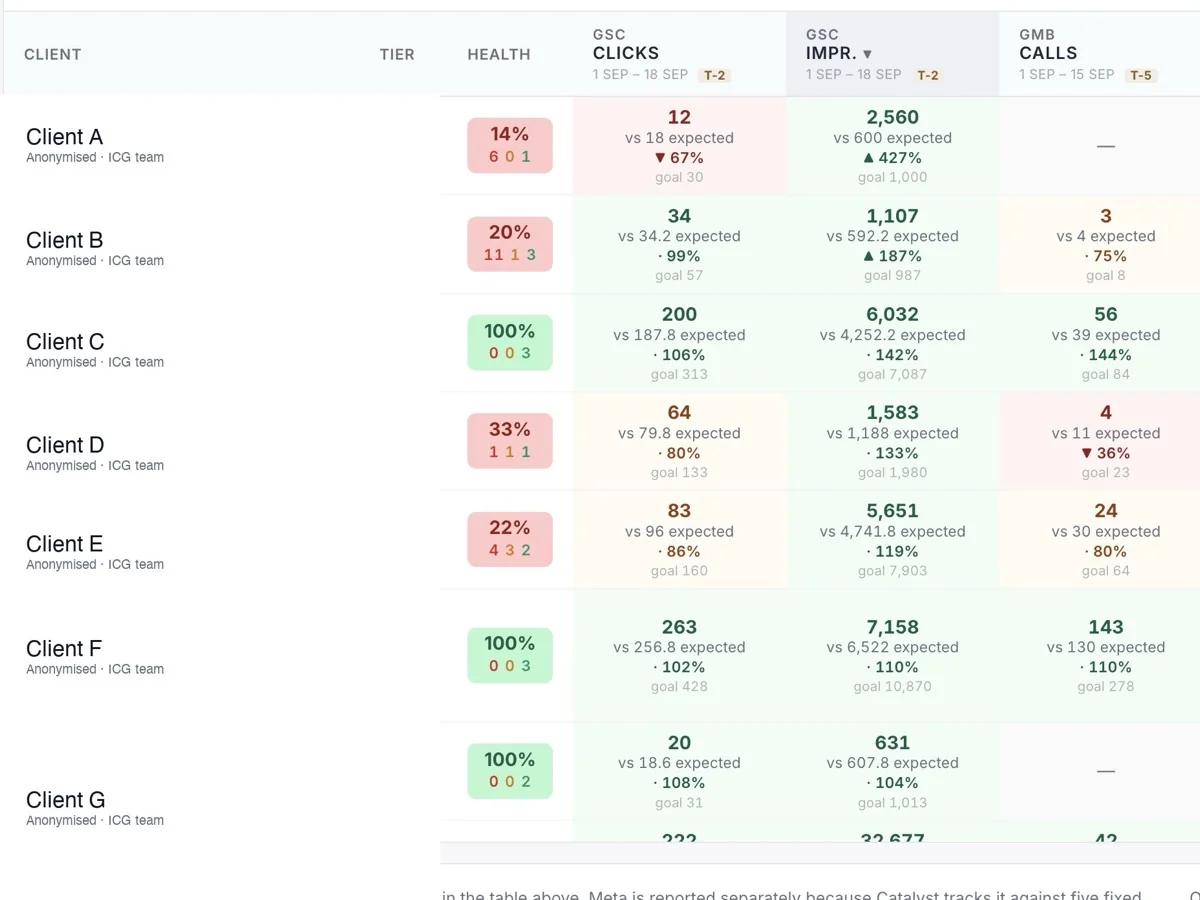
Frequently asked questions
What makes wellness retreat marketing different from general hospitality or clinic marketing?
A wellness retreat sells a multi-day, high-ticket, trust-heavy stay rather than a single procedure or a room-night, so the buyer research cycle runs much longer and involves both inbound international travellers evaluating a destination and domestic corporate buyers evaluating a group booking for their team. ICG treats these as two separate funnels with separate keyword sets, separate ad creative and separate landing pages rather than one generic retreat page trying to serve both.
Does ICG handle both inbound international tourists and domestic corporate wellness clients?
Yes. Inbound demand is built around long-lead-time destination and treatment-comparison queries from travellers researching Ayurveda or panchakarma retreats in India, while domestic corporate demand is built around HR and wellness-budget buyers researching group retreat packages for employee wellness programmes. Both run inside the same account under separate campaign structures because the booking value, decision timeline and decision-maker are different.
What AYUSH compliance rules apply to Ayurveda retreat and panchakarma marketing?
AYUSH advertising guidelines restrict disease-cure claims for Ayurveda and panchakarma programmes, meaning no ad copy or landing page may promise a cure, a guaranteed medical outcome, or use disease-name-plus-cure framing. ICG writes retreat copy around wellness, rejuvenation and lifestyle-management language, cross-checked against ASCI Chapter III sponsored-disclosure rules and DPDP 2023 consent requirements on any enquiry form collecting health-history information.
How much does wellness retreat marketing cost with ICG?
Retainers start from Rs 20,000/month and are custom-scoped to the retreat's size, the number of funnels being run (inbound-only, domestic-only, or both) and whether search, social and YouTube are all in scope. Ad spend is planned separately from the retainer and is typically higher for inbound international campaigns than for domestic corporate outreach.
What is the Search Intelligence Trifecta and how does it apply to retreat centres?
The Search Intelligence Trifecta is ICG's umbrella for three connected growth engines: Google Business Profile optimisation for local and destination discoverability, search intelligence for keyword and AI-overview capture across long-research-cycle queries, and YouTube AI-overview work for video content that AI assistants cite when travellers ask about Ayurveda or yoga retreats in India. For a retreat centre, all three feed the same booking calendar.
Why does per-booking value matter so much for wellness retreat marketing economics?
A single retreat booking, whether a 14-day inbound Ayurveda programme or a domestic corporate group booking for 20 employees, is typically worth many multiples of a single clinic consultation. This changes the marketing math: a retreat can profitably pay a higher cost-per-lead than most healthcare verticals because one converted enquiry can be worth lakhs in booking value, which is why ICG builds retreat funnels around fewer, higher-quality leads rather than volume.
How long does it take to see results from wellness retreat marketing?
Domestic corporate wellness enquiries typically start arriving within the first 30 to 45 days once landing pages and outreach are live, because the buyer cycle is shorter and more transactional. Inbound international bookings usually take 60 to 90 days to show the first confirmed bookings, since international travellers research further in advance and the booking window itself can run several months out from the actual stay.
Can ICG market a panchakarma centre without making medical claims?
Yes, this is the core discipline of AYUSH-compliant retreat marketing. Panchakarma copy describes the classical therapies offered, the daily structure of a programme and the qualifications of the treating Ayurveda physicians, without stating or implying that any specific disease will be cured or reversed. ICG's compliance review checks every panchakarma page against this line before it goes live.
Does ICG build the retreat website and booking pages, or only run the marketing?
Both, depending on scope. ICG can build dedicated landing pages for each funnel (inbound destination pages, domestic corporate package pages) inside an existing website, or work with a retreat's current site if it already has the structure needed. Every landing page is built to the same AYUSH and ASCI-compliant standard regardless of which option is chosen.
Which cities and regions does ICG's wellness retreat marketing practice cover?
The practice is national, covering established retreat regions such as Kerala, Rishikesh, Goa, the Himalayas and Karnataka, as well as newer wellness-tourism circuits. Inbound campaigns are typically run in source markets including the Middle East, Europe and North America; domestic corporate campaigns are run against HR and wellness-budget buyers across India's major metro and tier-2 business hubs.
Who leads ICG's wellness retreat marketing practice?
ICG's wellness and AYUSH-adjacent marketing practice, including retreat centre growth, is led on the business and growth side by Rohit Gupta, one of ICG's three Co-Founders. Every retreat account is compliance-reviewed before any campaign goes live and reported monthly against booking-value data, not just click volume.
