


ASCI Chapter III — aesthetic and cosmetic ChatGPT Ads guidance
ChatGPT Ads sits inside a live, multi-turn conversation — which means a compliant opening line can still be pulled into a non-compliant follow-up if the underlying copy isn't written to hold up across the whole exchange. ICG applies ASCI Chapter III to every aesthetic and cosmetic ChatGPT Ads account it runs, alongside NMC Section 6 and DPDP 2023, before any bucket goes live.
What the rule actually says
ASCI Chapter III is the section of the Advertising Standards Council of India's Code for Self-Regulation that governs advertisements touching health, personal care and aesthetic outcomes. It was updated in 2023 to sharpen three areas that matter most for aesthetic and cosmetic advertising: before/after claims, superiority claims, and testimonials — and ASCI's Consumer Complaints Council has continued to rule against violations across digital formats through 2026, not just legacy print and television placements. ICG treats the current published wording of the chapter, not a summarised version from a training-data snapshot, as the source document for every compliance review, because ASCI issues periodic clarifications and the exact phrasing of a permitted disclaimer or an acceptable substantiation standard can shift between updates.
On before/after claims, the chapter requires that any depiction or description of a visible change resulting from a treatment be substantiated with genuine, current, comparable evidence — same lighting, same angle, same time-relevant context — and prohibits implying a typical or guaranteed result from what may be a best-case outlier. Importantly for a text-first ad format like ChatGPT Ads, the rule doesn't only apply to photographs; descriptive language that implies a specific verifiable visible outcome is treated the same way an unsubstantiated photo pair would be.
On superiority claims, the chapter requires that any "best," "number one," "most advanced" or comparably absolute claim be backed by objective, dated, producible evidence, and that comparisons not misleadingly disparage an unnamed category of competitor by implication. This is a stricter standard than many advertisers assume — a claim doesn't need to name a specific rival to trigger scrutiny if it implies unearned superiority over the category as a whole.
On testimonials, the chapter permits genuine patient testimonials but requires that they reflect an actual, current experience, avoid implying a typical or guaranteed result for a new patient, and where relevant carry a results-vary disclaimer. Testimonials that quote or imply a specific visible outcome inherit the same substantiation burden as a direct before/after claim, which is the detail advertisers most commonly miss.
How it applies to conversational-ad copy specifically
A static Google search ad or a Meta feed post is a fixed, reviewable unit — the exact text a compliance reviewer signs off on is the exact text every viewer sees. A ChatGPT Ads sponsored response is different in a way that matters directly to Chapter III: the initial ad copy is fixed and reviewable, but the conversation frequently continues past it, with the user asking a follow-up question that pulls the AI toward elaborating on the original claim. If the opening ad line says "visible skin improvement in as little as two sessions" and the user's next message is "how visible, can you show me," the compliance risk now depends on what the connected landing page and any linked content say next — not just on the original ad text.
This is why ICG's compliance review for aesthetic and cosmetic ChatGPT Ads covers three layers rather than one: the sponsored-response copy itself, the citation text that appears if the AI references the brand in its own generated answer, and the landing page the click resolves to. A brand can pass a Chapter III review on the ad copy alone and still be exposed if the landing page it sends traffic to contains an unsubstantiated before/after gallery or an outcome-guarantee headline — because ASCI's complaint process, and NMC's parallel process for the practitioner, both look at the full user journey, not the isolated ad unit.
The auction mechanics compound this. ChatGPT Ads bids are pegged to conversation-stage rather than a fixed keyword, so the same aesthetic brand might appear in an early, low-cost "is this treatment safe" exchange and, separately, in a late-stage, high-cost "should I book with this clinic" exchange. Chapter III applies with equal force at both stages, but the practical risk is higher at the late stage, because that is where a user is most likely to ask a direct efficacy or outcome question the AI has to answer using whatever the brand has published — which is why ICG writes landing-page content for the booking-ready intent bucket with the same before/after and testimonial discipline as the ad copy itself, not a looser standard.
Attribution on conversation-completion events, rather than clicks, also means a non-compliant elaboration doesn't need to produce a click to matter — a user who reads a misleading AI-generated elaboration on a brand's claim and then abandons the conversation has still been exposed to non-compliant content the brand's own account made possible, even without a measurable ad interaction. ICG treats this as a reason to over-invest in guardrail language within the ad copy itself, since the brand cannot fully control what the model generates in response to an open-ended follow-up.
Common violations and how to avoid them
The most frequent Chapter III issue ICG catches in pre-existing aesthetic ad copy is unsubstantiated before/after language dressed as a neutral description rather than a claim. An anonymised example from a dermatology brand's draft copy read "see dramatic pigmentation clearance in just 3 sessions" — this reads as a factual timeline but is functionally a before/after claim with no substantiation file behind the specific number, and ASCI has upheld complaints against near-identical phrasing in other categories. The fix ICG applied was to shift the claim to a range grounded in what the clinic could actually document — "many patients notice visible improvement over a course of sessions, typically 4–8 depending on pigmentation depth" — which preserves the marketing message while removing the unsubstantiated specific-outcome guarantee.
The second most common issue is superiority language with no evidence file behind it. A hair transplant brand's draft opened with "India's most advanced FUE technique" — a superiority claim that would require dated, objective, producible evidence of category leadership to survive an ASCI complaint, evidence that essentially no single clinic in a fragmented category can actually produce without disputable methodology. ICG's standard fix is to replace the superiority claim with a specific, factual differentiator the clinic can actually substantiate — graft survival methodology, surgeon case volume, or equipment specification — rather than an unearned absolute.
The third recurring issue is a testimonial quote that smuggles in an outcome claim. A cosmetic surgery clinic's draft testimonial read "I lost 3 sizes and my confidence came back" attributed to a named patient — the specific numeric outcome inside a testimonial inherits the same substantiation burden as a direct before/after claim, and pairing it with an emotional confidence line doesn't exempt it. ICG's fix strips the specific numeric outcome from any quoted testimonial and keeps testimonial content focused on the experience — communication quality, comfort during the procedure, aftercare support — which is defensible without a substantiation file because it isn't an outcome claim at all.
A fourth issue specific to the conversational format: brands sometimes write ad copy that reads as neutral, unbiased information rather than promotional content, in an apparent attempt to blend into the AI's own answer style. This runs against the sponsored-content disclosure requirement in spirit even when the platform's own sponsored label is technically present, because the intent of the disclosure rule is that a consumer recognise promotional content as promotional. ICG writes aesthetic ad copy to read honestly as an offer — naming the clinic, naming the treatment, making a clear promotional ask — rather than mimicking the AI's own neutral, informational tone.
What "clean copy" looks like inside a ChatGPT Ad for this domain
Below are worked before/after pairs from ICG's aesthetic ChatGPT Ads practice, each anonymised and each representing a real compliance correction made before launch.
Non-compliant draft: "Guaranteed visible fat loss after just one session — see the transformation for yourself. Best body contouring clinic in the city."
Compliant rewrite: "Non-surgical body contouring at [clinic] — most patients notice gradual improvement over a course of 4–6 sessions, with results varying by body composition. Board-certified team, transparent package pricing."
The rewrite removes the outcome guarantee, replaces the single-session claim with a realistic multi-session range, drops the unearned superiority line, and adds a results-vary qualifier without losing the promotional intent of the ad.
Non-compliant draft: "Our patients say it's the most natural-looking hair transplant results they've ever seen — permanent, guaranteed density."
Compliant rewrite: "FUE hair transplant with a documented graft-survival protocol — natural-looking density that develops over 8–12 months. Book a scalp assessment to see if you're a candidate."
The rewrite drops both the unattributed testimonial paraphrase and the permanence guarantee, replaces them with a factual, verifiable process detail (the graft-survival protocol) and a realistic development timeline, and moves the call to action to an assessment rather than an implied commitment to a specific density outcome.
A third pattern ICG applies consistently across the aesthetic and cosmetic vertical: pricing and package language stays factual and range-based ("packages typically range from ₹X to ₹Y depending on area treated") rather than framed as a discount urgency claim, because Chapter III scrutiny extends to misleading pricing presentation as well as outcome claims, and an aesthetic patient researching cost inside a ChatGPT conversation responds better to an honest range than to a limited-time framing that reads as manufactured urgency in a medical context.
ICG's compliance checklist before every ChatGPT Ad push
Every aesthetic and cosmetic ChatGPT Ads bucket ICG builds passes through the same written checklist before it goes live, run against the current published wording of Chapter III rather than a cached summary:
- No before/after claim — descriptive or photographic — without a documented, current, comparable substantiation file on record.
- No superiority language ("best," "number one," "most advanced," "leading") without objective, dated, producible evidence; specific factual differentiators used instead.
- Any testimonial reflects a genuine, current patient experience, avoids a specific quantified outcome claim, and carries a results-vary qualifier where relevant.
- Recovery, duration and efficacy language stated as a realistic range, never a best-case number presented as typical.
- No implied outcome guarantee anywhere in the ad copy, citation text, or connected landing page — checked as one journey, not three isolated units.
- Sponsored-content intent is honest in tone, not written to mimic the AI's own neutral informational voice.
- Pricing presented as a factual range, not framed with artificial urgency or discount pressure.
- DPDP 2023 consent language present and unambiguous on every connected lead form, with no pre-ticked marketing consent.
This checklist runs at three points in the account lifecycle: before initial launch, whenever ASCI or NMC issues a public update or clarification, and whenever an existing ad's connected landing page is edited — because a landing-page change can silently break compliance on an ad that was fully compliant at launch. ICG logs the checklist result for every bucket, not just the launch date, so a clinic has a documented compliance trail if a complaint or an internal audit ever asks for one.
For clinics that write some or all of their own ad copy, ICG runs the identical checklist against externally drafted copy before agreeing to push it live inside a managed ChatGPT Ads account — a clinic's in-house draft gets the same scrutiny as copy ICG wrote itself, because the compliance exposure sits with the campaign and the practitioner's registration, not with who typed the words.
What happens if you're audited
An ASCI complaint typically begins with a consumer, competitor or the council's own monitoring flagging an advertisement; the Consumer Complaints Council reviews it against the current code and can direct the advertiser to modify or withdraw the ad, usually within a defined response window. Persistent or serious non-compliance can be escalated further, including to sectoral regulators for digital media, and for a healthcare advertiser it can also trigger a parallel NMC Section 6 inquiry against the named practitioner independent of the ASCI process — the two tracks run separately and a clean outcome on one doesn't resolve exposure on the other.
Because a ChatGPT Ads sponsored response and its connected landing page are both time-stamped and archivable, an audit response is materially easier when the compliance review itself was documented at launch rather than reconstructed after a complaint arrives. ICG keeps the checklist result, the reviewed copy version, and the date of review for every bucket in an aesthetic or cosmetic account, so a clinic facing a complaint can produce its substantiation position — what evidence backed a given claim, and when it was reviewed — rather than starting that documentation from zero under time pressure.
None of ICG's aesthetic or cosmetic ChatGPT Ads clients has had an ad upheld against under Chapter III to date, which ICG attributes directly to reviewing every bucket before launch rather than reactively after a complaint — a discipline that costs nothing extra beyond the standard tier fee, since compliance review is built into every ICG ChatGPT Ads engagement rather than sold as a separate audit product.

Get your aesthetic or cosmetic ChatGPT Ads copy compliance-checked before it goes live
A conversational ad format raises the compliance surface area in ways most agencies haven't yet built a checklist for. ICG has, and runs it on every bucket before launch.
ICG's healthcare ChatGPT Ads practice operates within NMC Section 6, ASCI Chapter III and DPDP 2023. See the full ChatGPT Ads for Healthcare pillar, or the dedicated aesthetic ChatGPT Ads and cosmetic surgery ChatGPT Ads pages for procedure-specific detail.
ChatGPT Ads and LLM marketing in the nine-stage patient journey
- 0Foundations
- 1Demand gen
- 2Capture
- 3Lead quality
- 4Lead mgmt
- 5Scheduling
- 6Show-up
- 7Conversion
- 8Retention
It works in demand generation, inside the AI assistants patients now ask before they search. SIE tracks the sessions and enquiries those AI engines send. Our own software runs the work, and every stage is reported against a monthly target on Ichelon Agency OS.
See all nine stages and the tool behind each one →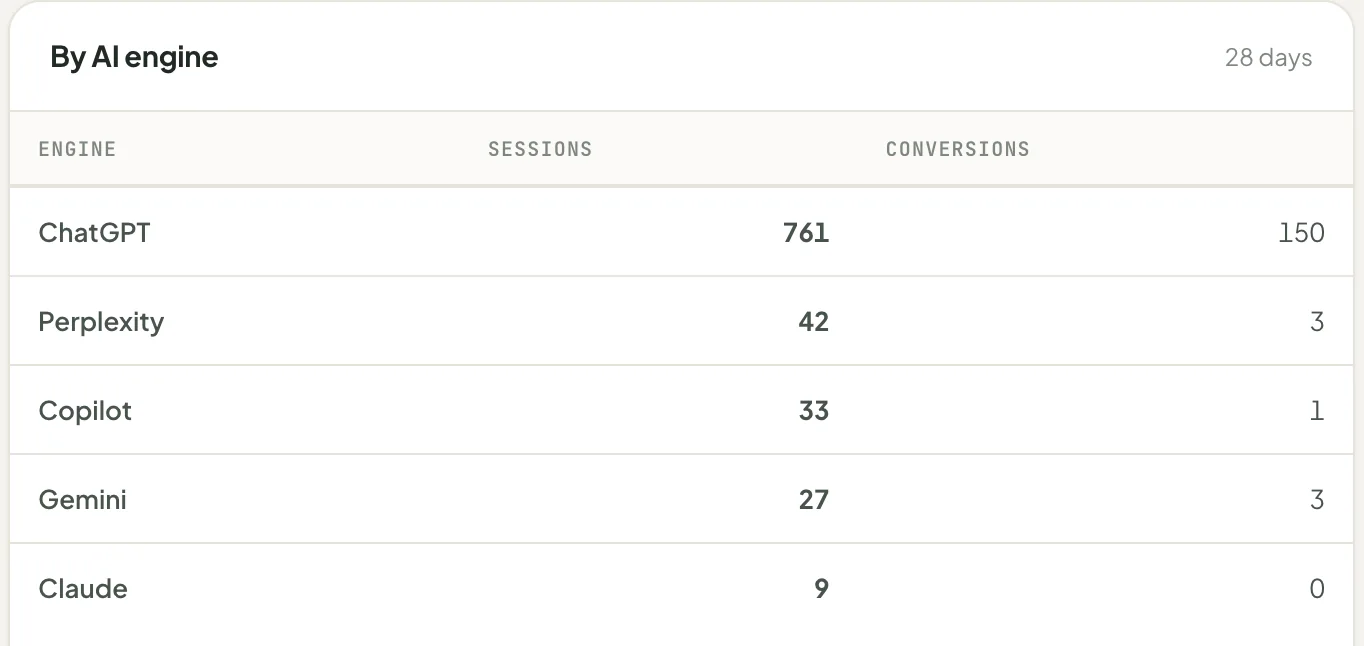
Frequently asked questions
Does ASCI Chapter III apply to ChatGPT Ads specifically?
Yes. ASCI's code applies to the substance of an advertisement regardless of the medium carrying it, and a sponsored response or citation inside a ChatGPT conversation is an advertisement for these purposes just as a Google search ad or an Instagram post would be. The conversational, multi-turn format actually raises the compliance surface area, because a follow-up question can pull a compliant opening line into a non-compliant elaboration if the underlying ad copy and any connected content isn't written to hold up across multiple turns.
What counts as a before/after claim under Chapter III?
Any language, image or implied comparison that suggests a specific visible change resulted from a specific treatment counts as a before/after claim, whether or not an actual photograph is shown. In ChatGPT Ads, where the format is text-first, this most often shows up as descriptive language — 'see visible results in two sessions' or 'skin transformation guaranteed' — which ASCI treats the same way it would treat an unsubstantiated before/after photo pair, because the claim still implies a specific, verifiable outcome without the required substantiation.
Can an aesthetic clinic claim to be the best or number one on ChatGPT Ads?
Not without independently verifiable, current substantiation on file. Chapter III's superiority-claim rules require that any 'best,' 'number one,' 'most advanced' or 'leading' claim be backed by objective, dated evidence the advertiser can produce on request — and because ICG's clients operate in a category where no single brand can honestly claim market leadership without disputable methodology, ICG's house rule is to avoid superiority language entirely and use specific, factual differentiators instead.
Are patient testimonials allowed in ChatGPT Ads for aesthetic treatments?
Testimonials are permitted only when they reflect a genuine, current patient experience, do not imply a guaranteed or typical outcome for a new patient, and carry an appropriate disclaimer that results vary by individual. In a conversational ad format, ICG avoids quoting specific outcome language inside a testimonial excerpt entirely, and instead uses testimonial content to speak to experience quality — communication, comfort, follow-up care — rather than to the visible result itself.
What is the mandatory sponsored-content disclosure requirement?
Chapter III, read with ASCI's broader digital advertising guidelines, requires that a sponsored response be clearly identifiable as paid or promotional content rather than presented as neutral, organic information. On ChatGPT Ads this disclosure is largely handled by the platform's own sponsored-response labelling, but ICG additionally writes ad copy that reads honestly as promotional rather than attempting to mimic an unbiased answer, since the intent of the rule is disclosure in substance, not just in a platform-level label.
What happens if a brand's ChatGPT Ad is found non-compliant?
ASCI can uphold a complaint and direct the advertiser to modify or withdraw the ad; repeated or serious non-compliance can be escalated to sectoral regulators including the Ministry of Information and Broadcasting for digital media, and healthcare advertisers face the additional exposure of NMC Section 6 action against the named practitioner. ICG's clients have not had a ChatGPT Ad upheld against under Chapter III to date, because every bucket is compliance-reviewed before it goes live rather than after a complaint is filed.
How is Chapter III different from NMC Section 6 for aesthetic advertising?
NMC Section 6 is a medical-council regulation that governs a registered practitioner's professional conduct, including advertising restrictions tied to the practitioner's registration; ASCI Chapter III is an industry self-regulatory code that governs the advertisement itself, regardless of who placed it. The two overlap heavily for aesthetic and cosmetic advertising — a before/after claim can violate both simultaneously — which is why ICG reviews every aesthetic ChatGPT Ad against both frameworks together rather than treating them as separate checks.
How much does ICG's compliance review add to a ChatGPT Ads engagement?
Compliance review against ASCI Chapter III, NMC Section 6 and DPDP 2023 is included in every ICG ChatGPT Ads engagement, starting from ₹20,000/month (inclusive of 18% GST) for a single-clinic engagement, rather than billed as a separate add-on. Ad spend is planned separately based on city, procedure mix and existing lead volume.
Does Chapter III apply to non-surgical aesthetic treatments like Botox or chemical peels the same way it applies to surgery?
The same before/after, superiority and testimonial rules apply, but the practical risk profile differs — non-surgical treatments carry lower physical risk, so ASCI and NMC scrutiny tends to concentrate more heavily on efficacy and duration claims (how long a filler or peel result actually lasts) than on safety claims, which is where surgical advertising draws the sharper enforcement. ICG writes duration language for non-surgical treatments as a realistic range rather than a fixed promise, for the same reason it writes surgical recovery timelines as a range rather than a best case.
Can ICG audit ad copy a clinic already wrote before it goes live on ChatGPT Ads?
Yes — ICG's compliance checklist runs the same way whether the copy originated with ICG or with the clinic's existing marketing team, and a pre-existing draft is checked against the same Chapter III, NMC Section 6 and DPDP 2023 criteria before ICG will push it live inside a ChatGPT Ads campaign.
Who owns compliance review inside ICG's ChatGPT Ads practice?
ICG's aesthetic and cosmetic ChatGPT Ads compliance practice is led on the growth and business side by Rohit Gupta, with every ad and connected landing page reviewed against the current Chapter III wording before launch and re-reviewed whenever ASCI issues an update.
