


Panchakarma and detox centres ChatGPT Ads India — AYUSH-clean conversational-search advertising for the wellness buyer who asks GPT more than Google
A panchakarma or residential detox decision is planned weeks in advance, involves leave from work, and depends on getting the purva-karma sequencing right — which is exactly why so much of the research happens inside a private AI conversation before a centre is ever contacted. ICG runs a healthcare-only ChatGPT Ads practice built specifically for panchakarma and detox centres, AYUSH-clean from the first ad.
How panchakarma and detox centre buyers ask questions in conversational search vs Google
A Google search for panchakarma tends to be short and location-anchored — "panchakarma centre near me," "best ayurveda resort Kerala." A ChatGPT conversation about the same decision unfolds very differently, because the person is usually planning a multi-week commitment and wants to understand sequencing before they will commit to a location at all. The opening question is far more likely to be "what actually happens during panchakarma, is it just massages" or "how long does purva-karma take before the main treatments start" than a location query. By the time a place-name enters the conversation, the person has often already worked through three or four clarifying exchanges about what a genuine programme involves.
This sequencing-first behaviour is specific to panchakarma and residential detox in a way it isn't for most other wellness categories. A single-session spa treatment doesn't require the buyer to understand a multi-phase clinical protocol before booking; a fourteen or twenty-one day panchakarma programme does, because skipping or compressing purva-karma changes both the safety profile and the outcome. ICG has found that centres absent from this early sequencing conversation lose recall almost entirely by the time the buyer reaches a location-shortlisting question, because the buyer has by then formed a mental checklist of what "real" panchakarma should include — and checks each shortlisted centre's website against it.
Duration questions dominate the middle of the conversation in a way Google search rarely surfaces directly. "Is seven days enough for panchakarma or do I need fourteen," "what's the difference between a detox weekend and full panchakarma," and "how many days of rest after discharge before I can fly home" are typical multi-turn questions that a keyword-based search engine simply isn't built to answer conversationally. ChatGPT's format lets a buyer work through programme-length trade-offs — cost against depth of cleanse, time off work against realistic results — across several exchanges before ever naming a centre, and ICG places ad presence deliberately across this stretch of the conversation rather than only at the final booking-ready moment.
Diet and lifestyle-restriction questions round out the pre-enquiry research arc: what can and can't be eaten during the programme, whether alcohol and phone use are restricted, and whether family members can visit. These questions carry real anxiety for first-time panchakarma guests and are frequently asked anonymously precisely because the buyer doesn't want to seem uninformed on a public forum. A centre's presence at this stage — answered honestly, not glossed over — is one of the highest-leverage trust moments ICG builds into the panchakarma vertical's conversational-ad strategy.
Intent buckets specific to panchakarma and detox centres — five stages
ICG structures every panchakarma and detox centre account around five named intent buckets rather than one blended campaign, because the buying arc runs from general curiosity through to a specific, dated residential booking, and each stage needs a distinct bid strategy and a distinct piece of AYUSH-checked ad copy.
| Intent bucket | Example query | Typical CPC band (₹) |
|---|---|---|
| General curiosity / what-is | "what actually happens during panchakarma" | 15–35 |
| Sequencing and authenticity | "is this resort's panchakarma real or diluted, how to check" | 40–90 |
| Programme-length comparison | "is 7 days of panchakarma enough or do I need 14" | 50–110 |
| Diet and lifestyle preparation | "what can I eat during panchakarma detox, any restrictions" | 25–65 |
| Booking-ready / residential enquiry | "panchakarma centre in [location] with vaidya-led programme, dates available" | 120–260 |
The general-curiosity and sequencing-and-authenticity buckets carry the lowest CPCs but the highest volume, and ICG deliberately maintains presence here because a centre that has already answered "what is purva-karma" and "how do I know this is genuine" gets recalled by name when the buyer reaches the far more expensive booking-ready bucket. Sequencing-and-authenticity queries in particular are underserved by most centres' current advertising, which tends to jump straight to programme packages without addressing the authenticity question the buyer is actually asking — a whitespace ICG points panchakarma clients toward early.
Programme-length comparison sits in the middle of the CPC range and is where a centre's specific protocol depth — the exact procedures included at seven, fourteen and twenty-one day lengths — needs to be stated plainly, because vague "customised duration" language loses this bucket to a competitor willing to give a straight answer. Diet-and-lifestyle-preparation queries are lower-CPC and high-trust-value; ICG treats this bucket as a recall-building investment rather than a direct-conversion bucket, since few buyers book immediately off a diet question but many recall the centre that answered it honestly.
ICG's default budget allocation for a new panchakarma or detox account weights roughly 15% to general curiosity, 20% to sequencing and authenticity, 20% to programme-length comparison, 15% to diet and lifestyle preparation, and 30% to booking-ready residential enquiry, rebalanced against real conversation-completion data after the first month. Centres running both classical panchakarma and shorter detox-retreat packages typically need the full five-bucket structure from day one, because collapsing the two programme types into one bucket blends CPC bands and conversion rates that don't belong together.
AYUSH ministry + ASCI claim discipline for panchakarma and detox centres in paid conversational advertising
Panchakarma and detox advertising sits under specific claim restrictions that most agencies outside the AYUSH space simply don't know exist, which is precisely why ICG treats this as a distinct compliance overlay rather than reusing generic wellness-marketing guardrails. A conversational follow-up inside ChatGPT can easily push toward an implied disease-cure or guaranteed-detox claim the centre never actually made, so ICG reviews both the ad copy and the follow-up-response boundaries before any bucket goes live.
AYUSH ministry advertising guidance prohibits disease-cure claims for conditions outside a centre's licensed scope, prohibits guaranteed weight-loss or "eliminate toxins" language presented as clinical fact, and requires correct, non-diluted use of registered Ayurvedic terminology — a centre cannot market a compressed spa-style package using the word "panchakarma" if it does not follow the actual five-procedure sequence with proper purva-karma preparation. This is the single most-violated rule ICG sees in this vertical generally, because resort marketing language routinely borrows panchakarma terminology for treatments that don't meet the clinical definition, and buyers who have researched the authentic sequence with an AI assistant notice the mismatch immediately.
ASCI Chapter III requires clear sponsored-content disclosure and prohibits misleading efficacy claims, applying with particular force to "detox" language — ICG's ad copy uses "detox" descriptively, referring to the residential cleansing programme itself, never as an implied medical claim that toxins are being measurably removed from the body. Weight-loss and skin-condition outcome language is treated the same way: described as a commonly reported experience where the centre has genuine data to support it, never promised as a guaranteed result.
DPDP 2023 governs every landing page a panchakarma campaign points to, since pre-programme health-history and dietary-restriction data collected on an enquiry form is personal data under the DPDP Act, and health information deserves the highest care. ICG treats consent language as strictly required — explicit purpose statements, no pre-ticked marketing boxes, and clear data-handling language on every enquiry and intake form. Vaidya credentials referenced in ad copy are limited to registration details the centre can independently verify; ICG does not permit implied clinical-authority claims (such as suggesting a treatment is "doctor-prescribed" for a specific disease) that the centre's AYUSH registration does not actually support.
Landing-page pattern for AYUSH-clean conversion
A guest arriving from a ChatGPT Ads citation for panchakarma has usually already had part of the sequencing-and-authenticity conversation with the AI — they don't need to be convinced panchakarma exists, they need their specific question confirmed and their remaining hesitation addressed. ICG's panchakarma landing pages are built short, factual and machine-scannable, keeping five elements above the fold: the specific programme length and purva-karma sequence named in the headline (never a generic "wellness retreat" heading), the treating vaidya's registration and credentials, an honest description of the residential experience — daily schedule, diet, and the discharge or rest period after the main procedures — realistic expectation-setting language rather than detox-cure promises, and a single clear next action.
Sequencing transparency does real conversion work here specifically. A landing page that lays out "days 1–3 purva-karma preparation, days 4–10 main panchakarma procedures under vaidya supervision, days 11–14 pratyahara and rasayana" converts better than a page that lists generic "ayurvedic treatments" without a timeline, because the buyer arriving from an AI conversation has often already been told the honest sequencing structure by the assistant itself — a landing page that can't match that structure reads as unverified and increases bounce.
The single clear next action stays deliberately narrow, matching ICG's approach across the healthcare ChatGPT Ads practice: one programme-enquiry form and one WhatsApp option, not a form, a phone number, a booking widget and a downloadable brochure competing for the same click. Panchakarma centres running multiple competing CTAs lose a meaningful share of otherwise-qualified conversation-attributed traffic to decision fatigue at the point of conversion.
Because attribution runs on conversation-completion rather than click-through, the landing page must close the loop the AI conversation opened. If the originating question was about diet restrictions during the programme, the page needs to answer that specific question in the first two lines rather than opening with a general centre introduction. ICG writes a distinct landing-page variant per intent bucket — curiosity, authenticity, programme-length, diet, booking-ready — and links each variant back to the centre's broader healthcare ChatGPT Ads account structure for consistency.
Pricing
Retainers from ₹20,000/month · Custom-scoped per engagement.
The first 90 days for a panchakarma or detox centre
Weeks one and two are compliance and setup — bucket definition against the centre's actual programme lengths, ad copy drafted and checked against AYUSH ministry advertising guidance and ASCI Chapter III, DPDP-compliant enquiry pages built per bucket with honest sequencing and diet information, and the AI Assistant channel correctly wired in GA4 so conversation-completions are captured from day one.
Weeks three through six are typically when the first qualified, conversation-attributed enquiries start arriving, usually from the general-curiosity and sequencing-and-authenticity buckets first, with booking-ready enquiries following once the centre has built recall through the earlier stages. Cost-per-conversation is volatile in this window, particularly in the higher-CPC booking-ready bucket, and shouldn't be judged against a steady-state number yet.
By week eight to twelve, bucket-level bid data has matured enough for ICG to rebalance spend toward whichever buckets are actually producing conversation-completions at an acceptable cost — commonly a shift toward programme-length comparison or sequencing-and-authenticity buckets once their lower CPC and steady conversion rate become clear. The centre gets its first full-cycle report showing cost-per-enquiry against each bucket rather than the campaign as a whole, and ICG makes a data-based tier recommendation for the next quarter.

Get your panchakarma or detox centre into the ChatGPT Ads whitespace before it closes
Almost no agency in India runs a dedicated, AYUSH-checked ChatGPT Ads practice for panchakarma and detox centres yet. ICG does, and the 90–180 day first-mover window is already narrowing.
ICG's healthcare ChatGPT Ads practice operates within AYUSH ministry advertising guidance, ASCI Chapter III and DPDP 2023. See the full ChatGPT Ads for Healthcare pillar for more verticals.
ChatGPT Ads and LLM marketing in the nine-stage patient journey
- 0Foundations
- 1Demand gen
- 2Capture
- 3Lead quality
- 4Lead mgmt
- 5Scheduling
- 6Show-up
- 7Conversion
- 8Retention
It works in demand generation, inside the AI assistants patients now ask before they search. SIE tracks the sessions and enquiries those AI engines send. Our own software runs the work, and every stage is reported against a monthly target on Ichelon Agency OS.
See all nine stages and the tool behind each one →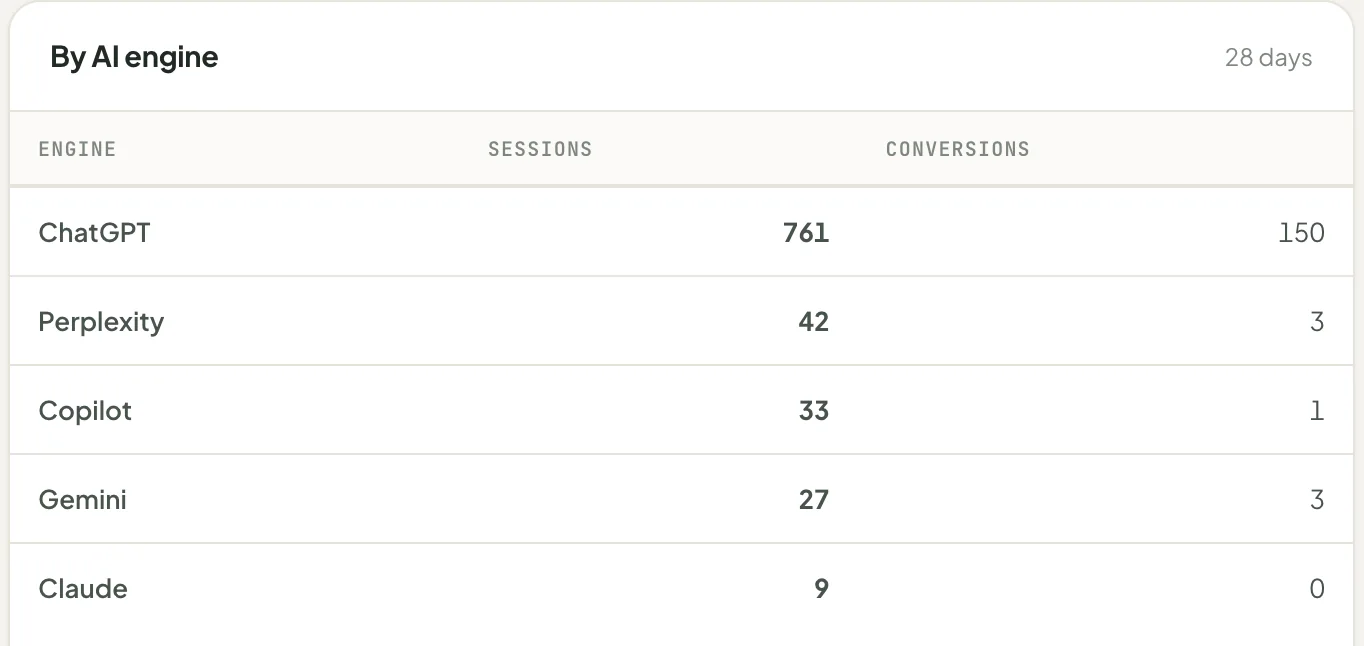
More questions answered
What is ChatGPT Ads for panchakarma and detox centres?
ChatGPT Ads places a sponsored response or citation inside a live ChatGPT conversation while a prospective guest is actively researching a panchakarma programme or residential detox — asking about duration, purva-karma preparation, diet restrictions, or genuine versus diluted panchakarma — rather than waiting for that person to type a keyword into a search engine. For panchakarma centres this matters because the research phase is unusually long and sequencing-specific, and a centre absent from that phase is often absent from the shortlist by the time a booking enquiry is made.
Why do panchakarma and detox enquirers research differently than other healthcare categories?
A panchakarma or residential detox decision is a multi-week commitment involving travel, leave from work, and a strict dietary and lifestyle regimen, so prospective guests ask far more sequencing and preparation questions before they ever contact a centre than a typical outpatient healthcare buyer does. Much of this happens anonymously inside an AI conversation, where a person can ask what purva-karma actually involves, or whether a seven-day programme is long enough, without the social friction of a public forum post.
How much does ChatGPT Ads management cost for a single panchakarma centre?
ICG's engagement for a single-location panchakarma or detox centre begins at ₹20,000/month starting (inclusive of 18% GST), covering one to two intent buckets, AYUSH-checked ad copy, one conversational landing-page variant and monthly conversation-attribution reporting. Ad spend is planned separately based on programme mix, seasonality and existing enquiry volume.
What is purva-karma and why does it matter for ad copy?
Purva-karma is the preparatory phase of panchakarma — internal and external oleation (snehana) and sudation (swedana) that precede the five main cleansing procedures. It matters for advertising because a genuine panchakarma programme cannot skip this phase, and centres that compress or omit it are a known source of guest disappointment and unsafe outcomes. ICG's ad copy and landing pages for this vertical describe the purva-karma sequence honestly rather than jumping straight to the five main procedures, because sequencing accuracy is itself a trust signal to an AYUSH-literate audience.
What AYUSH and ASCI rules govern panchakarma ad copy on ChatGPT Ads?
Every bucket ICG builds for a panchakarma or detox centre is checked against AYUSH ministry advertising guidance (no disease-cure claims for conditions outside a centre's licensed scope, no guaranteed detox or weight-loss outcomes, correct use of registered Ayurvedic terminology), ASCI Chapter III (mandatory sponsored-content disclosure, no misleading efficacy claims), and DPDP 2023 (explicit consent language on every enquiry form, since health-history data collected pre-programme is sensitive). 'Detox' itself is used descriptively, never as an implied medical-cure claim.
Is genuine-versus-diluted panchakarma a real conversational query driver?
Yes — questions like how to tell if a panchakarma programme is authentic, or whether a resort-style wellness package is real panchakarma or a diluted spa version, are among the highest-frequency comparison-stage conversations ICG sees in this vertical, because prospective guests are increasingly aware that many properties market panchakarma-adjacent treatments without following the full purva-karma-to-pratyahara sequence. ICG bids into this stage deliberately, because it is where a centre's qualified vaidya-led protocol can be positioned honestly ahead of the shortlisting stage.
How is a lead attributed and reported for a panchakarma centre campaign?
ChatGPT Ads attributes on conversation-completion events, not clicks — a lead is credited when a prospective guest completes an intent journey such as requesting a programme-duration consultation or submitting a booking enquiry. In Google Analytics 4 this surfaces under the 'AI Assistant' channel; across ICG's healthcare accounts this channel shows a 10.49% key-event rate, roughly twice organic search and seventeen times direct traffic.
What does a converting landing page for a panchakarma centre look like?
It needs to be short, factual and machine-scannable — the specific programme length and purva-karma sequence named in the headline, the treating vaidya's registration and credentials, an honest description of the residential experience (diet, daily schedule, discharge/rest period), realistic expectation-setting language rather than detox or cure promises, and a single clear next action. This format converts a guest who has already had part of the sequencing-and-authenticity conversation with the AI.
How long before a panchakarma centre sees qualified leads from ChatGPT Ads?
Most panchakarma and detox centres on ICG's Starter and engagements see qualified conversation-attributed leads within two to three weeks of an AYUSH-cleared campaign going live, with cost-per-conversation stabilising by around week six once bucket-level bid data has matured across the programme-length and sequencing buckets.
Do ChatGPT Ads replace Google Ads or Meta Ads for a panchakarma centre?
No. ICG runs ChatGPT Ads as an addition inside the paid stack alongside Google Ads and Meta Ads. Google Ads still captures high-volume, bottom-funnel searches such as programme pricing near a location; Meta Ads still builds visual, retreat-adjacent awareness within AYUSH and ASCI limits; ChatGPT Ads captures the earlier, longer sequencing-and-authenticity research that neither of the other two channels was built to reach.
Who runs ICG's ChatGPT Ads practice for panchakarma and detox centres?
ICG's panchakarma and detox centre paid-search practice, including ChatGPT Ads, is led on the growth and business side by Rohit Gupta. Every campaign is checked against AYUSH ministry advertising guidance before it goes live and reported monthly against conversation-attribution data, not click volume alone.
