Plastic surgery practice marketing services for US surgeons
- Six services a US plastic surgery practice can buy as a set or one at a time: Google profile management, procedure SEO and AI answers, before/after galleries, YouTube video, reviews, and consultation conversion.
- Built for every kind of US plastic surgery practice: solo board-certified surgeons, multi-surgeon and multi-location groups, practices with an attached med spa, facial plastics, and reconstructive service lines.
- Our 2026 benchmark of 874 US plastic surgery Google profiles found a 4.74-star average, a median of 107 reviews, and only 14.5% listing weekend hours.
- Every asset passes a compliance overlay: state medical board advertising rules, board-certification language, HIPAA-safe before/after handling and FTC substantiation.
- Retainers start from $499/month, custom-scoped to your goals, with Goals-Driven engagements and Performance-Linked Payout Models available. BAA signed with every US client.
Looking for how we approach the specialty as an agency? See our plastic surgery marketing agency overview. This page covers the services themselves.
The six marketing services we run for plastic surgery practices
A plastic surgery patient's research runs for weeks: cost, before/after galleries, surgeon credentials, reviews, video, then a consultation request. Each service below covers one part of that journey. Most practices already have one or two in decent shape, so we scope around the gaps rather than selling the whole list.
1. Google Business Profile management
Categories, attributes, services, hours and posts for every location, run through Angryturtle. Photo uploads are checked against Google's policies before they go live, because a flagged before/after image can put a profile at risk.
2. Procedure SEO and AI-answer content
Procedure pages for rhinoplasty, breast augmentation, tummy tuck, facelift, liposuction and the rest of your mix, plus cost and recovery explainers built to be cited in AI Overviews and ChatGPT. SIE tracks rank and AI Share of Voice per procedure.
3. Before/after gallery build
Galleries organized by procedure, with consent records, consistent photo standards, and disclosures for lighting, timeframe and individual variation. See our before-and-after photo compliance guide.
4. YouTube procedure and surgeon video
Procedure explainers, recovery-timeline videos and surgeon introductions planned with YODA against the questions patients actually search. Surgeon reputation drives conversion in this specialty, and video is where patients form a view of the surgeon.
5. Reviews and HIPAA-safe responses
A steady review-request rhythm per location, plus response templates that let staff thank a patient or address a complaint without confirming treatment details.
6. Consultation conversion
The website and enquiry flow that turn research into a booked consult: clear procedure pricing guidance where the practice is comfortable sharing it, short forms, fast response, and tracking that keeps protected health information out of ad pixels.
What the US plastic surgery map pack looks like in 2026
We reviewed the public Google Business Profiles of 874 plastic surgery practices across 20 US metros in September 2026. The average rating was 4.74 stars and the median practice had 107 reviews. 29.9% had fewer than 50 reviews and 7.7% had 500 or more. Only 14.5% listed weekend hours.
The spread between metros is wide, which is why we scope city by city rather than nationally:
| Metro | Practices reviewed | Avg rating | Median reviews | Weekend hours |
|---|---|---|---|---|
| All 20 metros | 874 | 4.74 | 107 | 14.5% |
| Miami | 59 | 4.71 | 295 | 39.0% |
| Houston | 47 | 4.79 | 151 | 4.3% |
| New York | 65 | 4.82 | 122 | 21.5% |
| Los Angeles | 57 | 4.79 | 93 | 52.6% |
| Boston | 42 | 4.81 | 47 | 14.3% |
| San Diego | 36 | 4.40 | 20 | 19.4% |
In Miami, 35.6% of practices carry 500 or more reviews, so a new practice there faces a review gap that takes sustained work to close. In San Diego the median is 20, and a practice that builds a steady review rhythm can stand out quickly. The full figures are in the plastic surgery Google benchmarks and on the plastic surgery marketing statistics page.
Which service wins which kind of search
Plastic surgery search splits into buckets with very different decision timelines. "Botox near me" converts in days; "rhinoplasty recovery timeline" sits weeks before a consult. Each bucket maps to a different service.
| Intent bucket | Example queries | Service that wins it |
|---|---|---|
| Non-surgical / injectable (fast decision) | "botox near me", "lip filler cost" | Google Business Profile management, plus consultation conversion |
| Surgical cost and comparison | "rhinoplasty cost", "tummy tuck cost", "breast augmentation price near me" | Procedure SEO and AI-answer content |
| Recovery and procedure education | "how long is rhinoplasty recovery", "what to expect after a facelift" | YouTube video plus procedure content |
| Body contouring | "mommy makeover near me", "liposuction vs tummy tuck" | Before/after galleries plus comparison content |
| Reconstructive | "breast reconstruction after mastectomy", "insurance covered plastic surgery" | Separate, insurance-aware procedure pages |
| Surgeon credibility and brand | "Dr. [Name] reviews", "board certified plastic surgeon near me" | Reviews, surgeon video and Brand Search Trend tracking |
Compliance built into every service
Plastic surgery advertising sits under some of the tightest rules in healthcare marketing. State medical board rules on cosmetic claims, before/after disclosure requirements and FTC substantiation standards all apply at once, and a practice that publishes without checking them risks a takedown, a board complaint or a profile suspension months later. Ichelon Consulting US signs a BAA with every US client, and the US team holds HIPAA compliance training certificates.
Board-certification language
"Board-certified" claims checked against the surgeon's actual certifying board and the state's rules. See our board certification advertising guide.
State medical board advertising rules
Cosmetic-procedure claim language and comparative statements checked against the rules for the state each location sits in.
HIPAA-safe before/after and testimonials
Imagery and testimonials collected with documented consent and shown without exposing protected health information beyond what the patient agreed to.
FTC truth-in-advertising
Pricing claims, outcome language and before/after comparisons checked against FTC substantiation standards before they go into any ad or post.
The overlay is re-applied every time new content ships, because guidance and platform photo policies change. Anything that needs the practice's own sign-off is flagged before publishing. ICG does not practice medicine or law, and final sign-off on clinical claims stays with the practice.
How the services roll out over 90 days
Week 1-2 — Diagnostic
Audit of every GMB location, procedure keyword rankings, AI Overview citations, the website's gallery and enquiry flow, and a compliance scan of live claims, testimonials and imagery. The output is a ranked list of which services to start with.
Week 3-4 — Profile fixes and gallery setup
GMB category, attribute and photo-policy fixes across all locations. Gallery templates, consent workflow and disclosure language set up. Keyword map finalized against the practice's actual procedure mix.
Week 5-8 — Content and video
Cost, comparison and recovery pages published. First procedure explainer and surgeon-introduction videos scripted and released. Review-request rhythm live at every location.
Week 9-12 — Conversion and measurement
Enquiry-flow fixes live, with response-time reporting. First review of ranking movement, AI Share of Voice and consult requests, and a scoped plan for month four based on what is compounding fastest.
GMB fixes move fastest, usually within 30-45 days. Procedure SEO and AI-answer gains show a first tranche by day 60-90. Video and brand search build from month three onward, which is why surgeon video starts early even though it pays off later.
How pricing works
Custom-scoped to your goals · Goals-Driven engagements · Performance-Linked Payout Models
Retainers start from $499/month, custom-scoped to your goals, with Goals-Driven engagements and Performance-Linked Payout Models available. There are no fixed package tiers. Scope depends on how many locations you have, how many procedure lines you run, which of the six services you need, and how competitive your metro is. Read the full engagement model.
FAQ — plastic surgery practice marketing services
Which marketing services does ICG provide to US plastic surgery practices?
Google Business Profile management for every location, procedure-level SEO and AI-answer (AEO) content, compliant before/after gallery builds, YouTube procedure and surgeon-credibility video, review generation with HIPAA-safe responses, and consultation-conversion work on the website and enquiry flow. Practices can take the full set or only the services they are missing.
What kinds of US plastic surgery practices do you work with?
Solo board-certified plastic surgeons, multi-surgeon and multi-location aesthetic groups, practices with an attached med spa, facial plastic surgery practices, and practices with a reconstructive service line. Each gets a different service mix: a solo surgeon usually leads with surgeon-brand video and reviews, while a multi-location group needs per-location profile discipline first.
How is this page different from your plastic surgery marketing agency page?
Our plastic surgery marketing agency page explains who we are and how we approach the specialty. This page lists the specific services a practice can buy, what each one includes, and how they fit together over the first 90 days.
Do you sign a BAA with US plastic surgery practices?
Yes. Ichelon Consulting US signs a Business Associate Agreement with every US client before any patient-adjacent data is handled, and the US team holds HIPAA compliance training certificates.
Is plastic surgery advertising content checked for state medical board and FTC rules?
Every page, gallery, GMB post and ad goes through a compliance overlay built around state medical board advertising rules for cosmetic procedures, board-certification language, HIPAA-safe before/after and testimonial handling, and FTC substantiation standards for outcome claims. Anything that needs the practice's own sign-off is flagged before publishing. ICG does not practice medicine or law.
Can ICG manage multiple plastic surgery locations?
Yes. Angryturtle was built for multi-location Google Business Profile management. It currently manages 143 GBPs at a 4.76 average rating with zero suspensions, which matters in a specialty where a flagged before/after photo can put a profile at risk.
How long before a plastic surgery practice sees movement?
GMB fixes usually move local-pack visibility within 30-45 days. Organic and AI-answer gains on procedure keywords generally show a first tranche within 60-90 days. YouTube and brand-search effects build from month three onward.
What do plastic surgery marketing services cost?
Retainers start from $499/month, custom-scoped to your goals, with Goals-Driven engagements and Performance-Linked Payout Models available. There are no fixed package tiers; scope depends on location count, procedure lines and which services the practice needs.
Ready to grow your US plastic surgery practice?
Book a free diagnostic or reach us on WhatsApp. You get a scoped proposal, not a generic package pitch.
Ichelon Consulting US · 3714 Matador Dr, Dallas, TX 75220 · +1 (724) 612-3694
We cover every stage, from first search to repeat visit
- 0Foundations
- 1Demand gen
- 2Capture
- 3Lead quality
- 4Lead mgmt
- 5Scheduling
- 6Show-up
- 7Conversion
- 8Retention
We work across all nine stages, from foundations to past patients, and fix the stage that leaks first. Our own software runs the work, and every stage is reported against a monthly target on Ichelon Agency OS.
See all nine stages and the tool behind each one →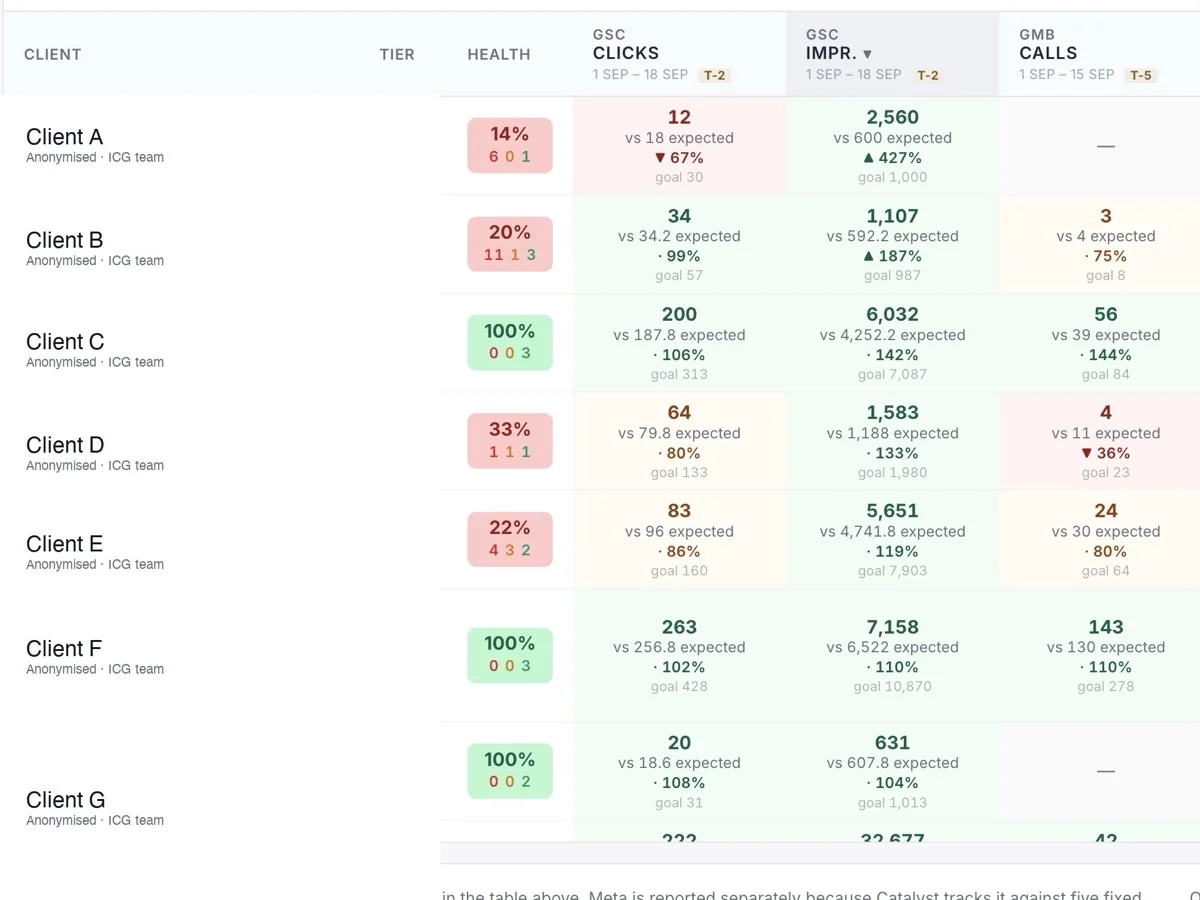
-
 Primary Care · North Dallas, TXCase study →
-
 MedSpa · North Dallas, TX
-
 Skin Care · Beverly Hills, CA
-
 Dental · Christiansburg, VACase study →
-
 Pediatrics · Blacksburg, VACase study →
-
 Pediatric Dentistry · Blacksburg, VACase study →
-
 Dental · Roanoke, VACase study →
-
 Functional Medicine · Telehealth · USACase study →
“They were able to get all my ideas and work with me over a period of three to four months and create this amazing website. It's super customized, very modern, and it incorporates all the elements that I had wanted — the patient portal, nice pictures, a very interactive website, patient reviews. I would highly recommend their company to anyone who wants to make an excellent website.”