Medical Devices ChatGPT Ads India — paid conversational search built for medical devices that need real leads
Procurement committees, biomedical engineers and clinical department heads now research device categories inside ChatGPT before they ever open an RFP document. ICG runs healthcare-only ChatGPT Ads for Indian medical device manufacturers and distributors — structured around HCP-buyer intent, RFP-adjacent timing and technical KOL positioning, not generic keyword bidding.
Why medical devices need ChatGPT Ads specifically
A device sale in India rarely closes on a single click. It moves through a research phase that can run six to eighteen months — biomedical engineering shortlisting a category, a department head validating clinical fit, a procurement committee comparing specifications, and finance signing off on a capital or consumable line item. Search engines have always captured fragments of that journey through keyword queries, but conversational engines now capture the connective research in between: the "what should I consider before choosing a portable ultrasound for a 50-bed facility" question that a Google keyword can't cleanly represent but a ChatGPT conversation answers in full context.
ChatGPT Ads arrived in India's ad ecosystem in mid-2026 through OpenAI's ad partner network, and it sits alongside Google Ads and Meta Ads as a third paid channel — except this one runs inside the answer itself, as a native sponsored response or a follow-up citation, rather than beside it. For a device manufacturer, that placement matters more than it does for most B2C categories, because the buyer isn't scanning a results page for a familiar brand name — they're asking a direct question and trusting whatever answer comes back with genuine authority. A sponsored response that reads like a specification comparison, not an advertisement, earns the click a banner ad never would from a procurement engineer mid-research.
The auction mechanics reinforce this. ChatGPT Ads bidding is intent-first rather than keyword-first: early-exploration conversations ("types of patient monitors for ICU expansion") bid cheap, while late-stage, comparison-ready conversations ("CDSCO-approved multiparameter monitors under a 50-bed hospital budget") bid six to twelve times higher because the buyer is closer to a decision. For device manufacturers whose sales cycles are long and whose customer lifetime value is high — a single hospital account can represent years of consumables and service revenue — that late-stage premium is still cheap relative to a KAM's cost of manually surfacing the same lead through cold outreach or distributor networks.
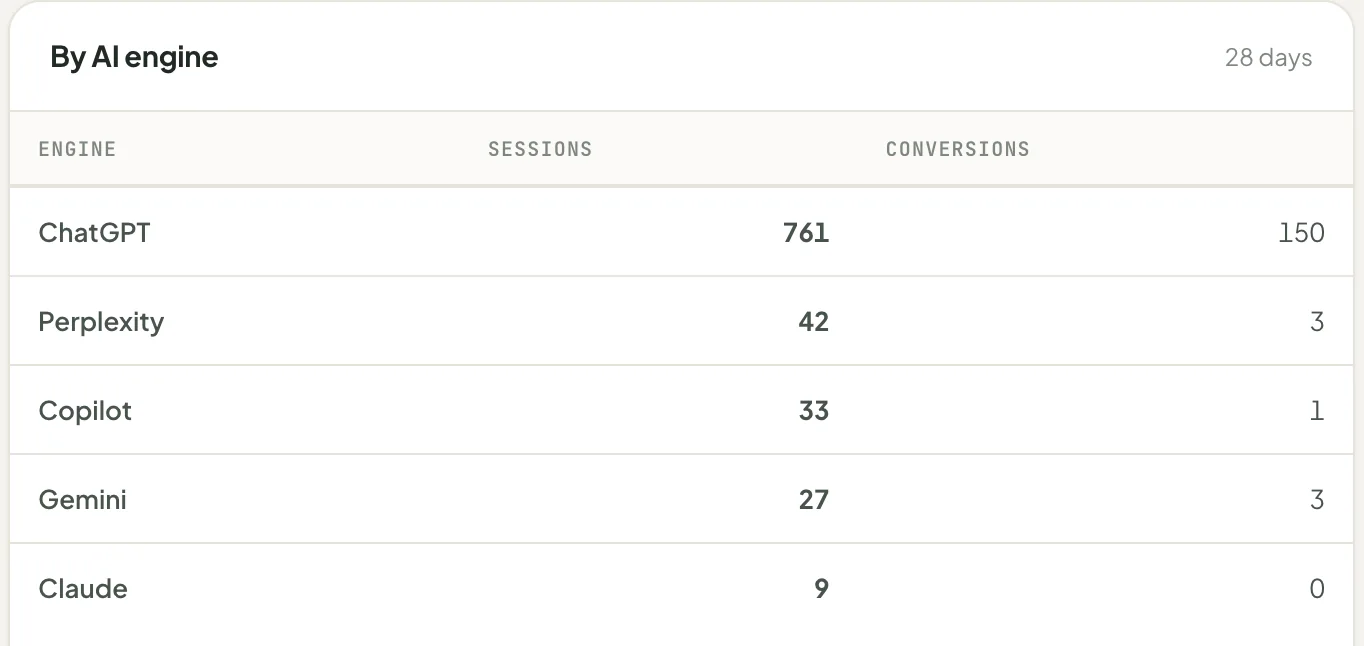
Attribution runs on conversation-completion events, not link clicks, which is the other reason this channel fits devices better than it fits transactional retail categories. A device researcher's conversation might span several turns before a form submission or spec-sheet download closes the loop, and ChatGPT Ads credits that full completion rather than a single click — which means the reporting reflects an actual research-to-lead journey instead of a shallow click metric. ICG's cross-vertical data shows this channel converting into GA4 key events at 10.49%, roughly double organic search and seventeen times direct traffic, and device accounts running technical, specification-anchored creative tend to outperform that average once the KOL and compliance layers described below are in place. ICG's healthcare ChatGPT Ads practice was built around exactly this kind of long-cycle, technically-literate buyer, and medical devices is one of the categories where the fit is cleanest.
There's also a structural reason devices outperform many other B2B categories on this channel once campaigns are correctly built: the buyer group is small, technically literate, and asks unusually specific questions. A biomedical engineer or a department head doesn't type vague queries — they ask about anaesthetic gas monitoring accuracy tolerances, or about interoperability between a proposed monitoring system and an existing hospital information system. That specificity is exactly what a conversational engine is built to reward with a detailed, cited answer, and it's exactly the kind of query a generic keyword-bid campaign on a different platform struggles to target efficiently, because the query volume behind any single such phrase is too low to build a keyword campaign around, yet the conversational intent behind it is unmistakably high-value.
Intent stages a medical devices buyer moves through in conversational search
Device procurement research doesn't happen in one sitting, and treating every ChatGPT Ads impression as equally close to a sale is the single most common mistake device marketers make when they first try this channel. ICG maps five distinct stages before building any campaign, because each stage needs a different message, a different bid, and often a different landing experience.
Category orientation. A biomedical engineer or department head is scoping a category for the first time — "what to consider when choosing a hospital-grade defibrillator" or "types of surgical navigation systems available in India." No brand is named yet. The right ad here is educational, not promotional, and the right bid is low because the conversation is still several steps from a decision.
Specification comparison. The buyer now has a shortlist forming and is asking pointed, comparative questions — battery life, portability, interoperability with existing hospital systems, service network coverage, CDSCO registration status. This is where a manufacturer's technical content earns citations, and it's the stage where a well-built landing page starts converting spec-sheet downloads at a meaningfully higher rate than a generic product page.
Regulatory and compliance verification. Before a device reaches a procurement committee, someone verifies CDSCO approval, CE marking, ISO certification, or FDA clearance where relevant. Conversations at this stage are highly specific and highly valuable — a buyer asking "is [device category] CDSCO Class C or Class D" is close to placing that product on a formal evaluation list.
Vendor and pricing evaluation. The buyer is now comparing named or near-named vendors, asking about total cost of ownership, AMC terms, consumable pricing, and financing options. Campaigns here need to be careful — India's device advertising norms don't allow disparaging comparison, so ICG builds these responses around category positioning and factual differentiation rather than head-to-head competitor claims.
Distributor and partnership intent. Running in parallel to the clinical-buyer journey, a separate and often under-served conversation thread exists: regional distributors and channel partners researching which manufacturers are recruiting representation in their territory. This intent bucket converts differently — a distributor application form, not a hospital lead — and manufacturers who ignore it are leaving a cheaper, high-value lead source unbid. Each of these five stages gets its own creative and its own place in the campaign structure below, and each links back into the broader intent-mapping methodology ICG uses across the full healthcare ChatGPT Ads programme.
Campaign structure ICG uses — named intent buckets
Rather than one undifferentiated device campaign, ICG builds four to six named intent buckets per account, each with its own budget, bid ceiling and creative set. This structure keeps cheap, high-volume exploration traffic from crowding out budget that should go to expensive, high-intent procurement conversations.
| Intent bucket | Example query | Approx. CPC band |
|---|---|---|
| Category orientation | "types of patient monitoring systems for ICU" | Rs 25–60 |
| Specification comparison | "portable vs cart-based ultrasound for rural hospitals" | Rs 60–150 |
| Regulatory verification | "CDSCO Class C device approval timeline for imaging equipment" | Rs 90–180 |
| Vendor/pricing evaluation | "total cost of ownership for hospital sterilisation equipment" | Rs 150–350 |
| Procurement-committee/RFP-adjacent | "evaluation criteria for tender for surgical navigation system" | Rs 250–600 |
| Distributor/partnership intent | "medical device distributorship opportunities India orthopaedic" | Rs 20–50 |
The category-orientation and distributor buckets run cheapest and drive volume — useful for building a retargeting-eligible audience and for feeding the top of a longer sales cycle. The regulatory-verification and RFP-adjacent buckets cost considerably more per conversation but produce the leads a KAM team can act on immediately, because a buyer asking tender-evaluation-criteria questions is functionally pre-qualified. ICG's account structure typically weights spend 40% toward the top-of-funnel buckets and 60% toward the three higher-intent buckets once thirty days of conversation data establishes which specific queries convert for a given product line.
Creative for each bucket is built differently. Category-orientation ads answer the underlying educational question first and mention the manufacturer's category expertise second — a promotional-first response gets down-ranked by the platform's relevance scoring and converts poorly regardless. Regulatory and RFP-adjacent buckets lean on factual, citable content: CDSCO registration numbers, published clinical evaluation data, ISO certification references. Distributor-intent creative speaks a completely different language — territory availability, margin structure, training and support commitments — and routes to a dedicated distributor-application landing page rather than a clinical product page.
Every bucket also carries a negative-intent filter layer specific to devices: consumer and patient-facing queries (someone asking about a device for personal home use, or a patient asking about a procedure that happens to use the device) get explicitly excluded, since those conversations don't belong to a B2B device manufacturer's buyer set and would only waste budget. This filtering discipline is one of the reasons a healthcare-only ChatGPT Ads practice like ICG's outperforms a generalist agency running device campaigns as a side category — the exclusion lists themselves take a full sales-cycle of data to calibrate correctly.
Bid ceilings across the six buckets are reviewed monthly rather than set once at launch. A device category with a genuinely long sales cycle — capital equipment like MRI or CT systems, for instance — will show its RFP-adjacent bucket taking longer to mature than a consumables or diagnostics category, where the procurement cycle can compress to a matter of weeks. ICG's account managers adjust bid bands to reflect that difference by product line rather than applying one national CPC ceiling across an entire portfolio, because a single ceiling either overspends on the fast-cycle SKUs or underfunds the slow-cycle ones. KAM teams typically get a weekly digest of which specific intent-bucket conversations produced leads in their territory, which lets a regional KAM prioritise follow-up on a spec-sheet download from a named hospital group over a lower-intent category-orientation click from an unidentified visitor.
Compliance overlays specific to medical devices
Device advertising in India carries a lighter regulatory load than pharma, but "lighter" is not "none," and the mistakes ICG sees most often from in-house teams trying this channel unmanaged are compliance mistakes, not targeting mistakes. NMC Section 6 restricts inducement-style claims aimed at clinicians — ad copy and landing pages can present clinical evidence and specifications, but can't frame a device purchase as tied to a personal benefit for the prescribing or purchasing clinician. ASCI Chapter III governs substantiation: any efficacy, safety or comparative claim in a device ad needs a defensible source behind it, and unsubstantiated superiority language ("the best," "most advanced," without a cited basis) is the single most common reason device ad copy gets flagged in review.
DPDP 2023 shapes how lead-capture forms on device landing pages are built — explicit consent language before capturing a procurement contact's phone number or email, a clear statement of what the data will be used for, and a retention policy that doesn't quietly repurpose a spec-sheet download into an unrelated marketing list. For device categories that intersect with AYUSH-adjacent wellness equipment, the AYUSH advertising code applies an additional layer of claim restriction that ICG's compliance review checks before any creative goes live.
The comparison-claim question deserves its own note because it comes up in nearly every device account: India's advertising norms do not allow disparaging or misleading comparison against a named competitor's device, and ICG's house policy goes further — no named-competitor mentions in any creative or landing content, full stop. Comparative positioning is built around category framing instead ("compared to cart-based systems in this class" rather than naming a specific competing product), which keeps campaigns compliant without losing the persuasive value of a comparison.
Every device account also passes through a registration-status verification step before launch — CDSCO classification, CE marking where relevant for imported devices, and any FDA clearance claims are checked against the manufacturer's actual documentation, not taken at face value from marketing copy. A device ad claiming a regulatory status the product doesn't actually hold is both a compliance risk and, in a conversational-search context, a credibility risk that damages every other claim in the same campaign once a buyer catches the discrepancy. This review sits alongside the trust framework ICG applies across every healthcare vertical it serves, from device manufacturers to hospital systems to pharma brands running the parallel ChatGPT Ads programme for prescriber-facing campaigns.
Landing-page pattern that converts
Traffic arriving from a ChatGPT Ad behaves differently than traffic arriving from a Google search click, and a landing page built for one underperforms for the other. A buyer who has just spent several conversation turns getting a specific, cited answer expects the page they land on to continue that same register — factual, scannable, and immediately confirming the answer they were just given. A long-form marketing page with a hero video and three scrolls of brand story loses that buyer within seconds.
ICG's device landing-page pattern opens with a two-line factual statement of what the product is and who it's for, immediately followed by a specification table rather than buried in prose further down the page. Regulatory status — CDSCO classification, CE marking, ISO certification — is stated plainly near the top, not left for a buyer to hunt for in a downloadable PDF, because that's often the exact fact the ChatGPT conversation was trying to verify. One comparison framework follows, built around category positioning rather than named competitors, giving the procurement researcher the differentiation context they came looking for without crossing into disparaging-claim territory.
The conversion action itself matters as much as the content above it. A long qualification form kills conversion for this traffic — procurement-stage buyers are usually not ready to hand over budget authority or timeline detail on a first visit, and forcing that upfront produces abandonment, not leads. ICG routes most device landing pages to a single low-friction action: a spec-sheet download that captures name, organisation and a work email under DPDP-compliant consent language, or a 30-minute call booking for buyers further along. The spec-sheet download alone typically becomes the highest-volume, lowest-friction entry point into a KAM's pipeline, with the call-booking option reserved for regulatory-verification and RFP-adjacent traffic that's already close to a decision.
Machine-scannability isn't a nice-to-have on these pages, it's functional. ChatGPT's citation engine re-reads a landing page to decide whether to cite it in a follow-up turn of the same conversation, and a page cluttered with marketing language rather than clear factual statements gets cited less often than a competitor's cleaner page — even when the underlying product is equivalent or better. This is the same discipline ICG applies to every landing page built for traffic off the healthcare ChatGPT Ads pillar, and it's one of the more counterintuitive lessons for device marketers used to writing for a human reader alone: the page now has two audiences, and the machine reader arrives first.
Pricing
Retainers from ₹20,000/month · Custom-scoped per engagement.
The first 90 days
Days 1 through 30 focus on foundation, not lead volume. ICG sets up conversation-completion tracking through GA4's AI Assistant channel, builds and compliance-clears the initial creative set across the two or three intent buckets a Starter or Growth account launches with, and verifies regulatory-status documentation for every product entering the campaign before a single ad goes live. Early results in this window are directional — enough conversation data to see which query patterns are actually reaching the account, not yet enough to optimise bids with confidence.
Days 31 through 60 typically produce the first qualified leads, usually weighted toward the cheaper, faster-converting buckets — category-orientation traffic that resolves quickly, and distributor-intent traffic where the decision cycle (does a territory partnership make sense) is shorter than a hospital procurement cycle. This is also when ICG runs the first bid-band recalibration, shifting budget toward whichever specific queries within each bucket are producing the highest conversation-completion rates for that manufacturer's actual product set, since the CPC bands in the table above are starting ranges, not fixed allocations.
Days 61 through 90 is where procurement-committee and RFP-adjacent intent starts converting meaningfully, because that research cycle runs longer than a single-session query and the buyers reaching that stage in month three are often the same buyers who first appeared in category-orientation conversations during month one. India's healthcare vertical currently has no agency that has claimed this channel at scale, which gives device manufacturers moving now a 90-to-180-day first-mover window before the cost-per-conversation in this space rises to match the more competitive levels already seen in pharma and hospital-system ChatGPT Ads accounts.

ChatGPT Ads and LLM marketing in the nine-stage patient journey
- 0Foundations
- 1Demand gen
- 2Capture
- 3Lead quality
- 4Lead mgmt
- 5Scheduling
- 6Show-up
- 7Conversion
- 8Retention
It works in demand generation, inside the AI assistants patients now ask before they search. SIE tracks the sessions and enquiries those AI engines send. Our own software runs the work, and every stage is reported against a monthly target on Ichelon Agency OS.
See all nine stages and the tool behind each one →