


Clear aligners ChatGPT Ads India — capture the specific sub-specialty intent that ChatGPT Ads surfaces
Aligner patients don't just ask "what do clear aligners cost" — they ask category questions about clinic-supervised treatment versus at-home, remote-monitored alternatives, treatment-length questions, and, for a meaningful share of practices, revision questions from patients whose current treatment isn't tracking as expected. ICG runs a dedicated, healthcare-only dental ChatGPT Ads sub-practice built specifically for orthodontic and aligner-primary practices.
Conversational-search behaviour specific to aligner patients
Clear aligner research has a category-comparison structure that no other dental sub-specialty carries in quite the same way, because the aligner market itself splits into two genuinely different offerings — clinic-supervised treatment with an orthodontist reviewing progress in person, and remote-monitored, mail-order treatment with far less clinical oversight. ICG's aligner accounts consistently see patients open a ChatGPT conversation with some version of "is it worth paying more for clinic-supervised aligners or are the at-home options actually fine," and how a practice's ad copy and landing page answer that exact question determines whether the patient books a consultation or defaults to the cheaper remote option.
This category-framing conversation is the single most important difference between aligner intent and every other dental sub-specialty ICG runs campaigns for. A patient comparing implant systems is comparing within one care model — in-clinic surgery either way. A patient comparing aligner options is often deciding between two entirely different care models, and a clinic-based practice needs its ChatGPT Ads presence to make the case for supervision without disparaging the at-home alternative by name, which ICG's compliance-reviewed copy is specifically built to do.
Once a patient has settled on clinic-supervised treatment, the conversation shifts to treatment-length and cost questions that behave similarly to other elective dental categories — "how long does this actually take for my level of crowding," "what does a full course cost compared to traditional braces." But aligner accounts carry a third, distinctive pattern that ICG sees far less of in implant or general dental campaigns: revision intent, where a patient already mid-treatment — frequently one who started with an at-home system — asks whether their results are tracking correctly, often because they've noticed a gap not closing or a tooth not moving as expected.
This revision pattern is a structural opportunity specific to aligner practices. A patient asking "my aligners aren't working as expected, is this normal or do I need to see someone" has already committed budget and time to the aligner category and is actively looking for the clinical oversight a supervised practice offers — they are, in effect, pre-qualified for exactly what a clinic-based aligner practice sells, and ICG builds a dedicated bucket to capture this conversation rather than losing it inside generic aligner-cost copy.
Intent bucket map for aligner practices
ICG structures aligner-focused accounts around four named buckets, built around the category-comparison, cost, treatment-length and revision conversations that define how aligner patients actually research.
| Intent bucket | Example query | Typical CPC band (₹) |
|---|---|---|
| Category comparison (clinic vs at-home) | "is clinic-supervised aligner treatment worth the extra cost over at-home" | 60–140 |
| Treatment-length research | "how long does clear aligner treatment take for moderate crowding" | 35–85 |
| Cost & booking-ready | "clear aligner cost for a full course at a clinic near me" | 70–160 |
| Revision / mid-treatment concern | "my aligner gap isn't closing on schedule, is a refinement normal" | 90–210 |
Revision-bucket queries run the highest CPC of the four because these patients are already category-committed and closer to booking a supervised consultation than any other bucket — ICG treats this as the aligner practice's equivalent of the second-opinion bucket in implant accounts, and prioritises bid strength here once early data confirms conversion quality. Category-comparison queries run second-highest, since winning this conversation is what determines whether a patient ever reaches the practice's cost or booking pages at all.
Treatment-length queries sit at the lower end of the CPC band because they mix genuine near-term intent with a meaningful share of early, casual research from patients who haven't yet decided between clinic-supervised and at-home options — ICG bids this bucket to build recall and trust rather than expecting immediate conversion. Cost and booking-ready queries sit mid-to-upper range, reflecting patients close to a decision but still comparing pricing across providers.
ICG's default allocation for an orthodontic or aligner-primary practice weights spend roughly 25% to category comparison, 20% to treatment-length research, 30% to cost and booking-ready, and 25% to revision and mid-treatment concern — rebalanced monthly once conversation-attribution data shows which buckets are producing booked consultations rather than casual enquiries. A practice with little revision-query volume in its market can reallocate that share toward category comparison instead, since winning the clinic-vs-at-home conversation compounds into every other bucket's performance.
Compliance overlays for aligner advertising
Aligner advertising carries two specific compliance pressure points ICG treats as non-negotiable: fixed-timeline promises and comparative claims against at-home alternatives. Every bucket's ad copy and landing page is checked against four frameworks before spend goes live, with particular attention to the category-comparison bucket, which is structurally the most likely to drift into disparaging language if not carefully written.
NMC Section 6 prohibits guaranteed-outcome and fixed-timeline claims — "straight teeth in 6 months, guaranteed" is exactly the phrase this framework restricts, and aligner treatment-length copy is written instead as typical ranges by case category (mild, moderate, complex) with a clear compliance-driven caveat that individual timelines depend on wear-time compliance and case complexity. Comparative superiority claims against unnamed alternatives must stay factual rather than absolute.
ASCI Chapter III requires clear sponsored-content disclosure and prohibits misleading efficacy claims, which directly governs how ICG frames the clinic-versus-at-home comparison bucket — the copy describes what clinic supervision structurally adds (in-person bite checks, faster correction of tracking issues, licensed clinician oversight) without disparaging a named or implied at-home competitor, in line with ICG's policy of never naming competitors in any client-facing content across any advertising platform.
DPDP 2023 governs every aligner landing page's consultation or revision-assessment form, with explicit consent language and no pre-ticked marketing boxes, treated with particular care on the revision bucket's forms since these often capture detail about an existing treatment plan started elsewhere. AYUSH advertising norms apply only where a practice markets ayurvedic or traditional oral-care adjacent services alongside aligner treatment, flagged separately by ICG when relevant to a given practice.
Landing-page pattern for aligner practices
A patient arriving from a ChatGPT Ads citation on an aligner practice's page has often already had part of the clinic-versus-at-home conversation inside ChatGPT — the landing page's job is to reinforce that decision with specifics, not restart the argument from scratch. ICG builds aligner landing pages short and factual, with each bucket's page opening directly on that bucket's question.
The category-comparison bucket's page leads with a clear, non-disparaging explanation of what clinic supervision structurally adds — in-person bite and fit checks at defined intervals, a licensed orthodontist reviewing progress rather than an app algorithm alone, and faster correction if tracking deviates from plan — framed as what the patient gains, not what the alternative lacks. This keeps the page compliant while still making the case for the higher-touch option.
Cost and treatment-length pages include an honest range by case category (mild, moderate, complex crowding) rather than a single number or a vague "contact us for pricing," because aligner patients specifically compare cost against the at-home alternative and treat pricing opacity as a reason to default to the cheaper, less-supervised option. The revision bucket's page is structured differently from the other three — it opens with a short self-assessment ("signs your aligner treatment may not be tracking as expected") rather than a sales pitch, because a patient in this bucket needs reassurance and a clear next step (an assessment appointment) more than marketing copy, and this bucket converts best when the page reads as genuinely helpful rather than promotional.
Across all four buckets, ICG keeps the next action narrow — one consultation-booking form and one WhatsApp option — and avoids stacking a phone number, a downloadable brochure and a booking form on the same page competing for the same click, consistent with the landing-page discipline ICG applies across every dental sub-specialty.
Pricing
Retainers from ₹20,000/month · Custom-scoped per engagement.
The first 90 days for an aligner practice
Weeks one and two are compliance and setup — bucket definition against the practice's case mix, ad copy drafted and cleared against NMC Section 6 and ASCI Chapter III with specific attention to fixed-timeline claims and the clinic-versus-at-home comparison framing, DPDP-compliant landing pages built per bucket including the revision bucket's self-assessment page, and the AI Assistant channel wired correctly in GA4 so conversation-completions are captured from day one.
Weeks three through six are where the first qualified, conversation-attributed consultation requests typically start arriving, usually from the cost and treatment-length buckets first, with category-comparison and revision leads following as the comparison page's messaging proves out and bid data matures. ICG holds bids deliberately conservative in the revision bucket during this early window while conversion quality is confirmed, since it carries the highest CPC and an underperforming revision page is the costliest bucket to leave unoptimised.
By week eight to twelve, bucket-level data has matured enough for ICG to rebalance spend toward whichever buckets are producing the highest share of booked, case-accepted consultations, and the practice gets its first full-cycle report broken out by bucket — category comparison, treatment-length, cost, revision — with cost-per-booked-consultation as the headline number. This is also the point at which ICG makes a tier recommendation based on real bucket performance rather than a renewal-date default.

Win the clinic-vs-at-home conversation before it defaults to the cheaper option
Aligner patients are actively deciding between clinic-supervised and at-home treatment inside ChatGPT before they ever contact a practice. ICG runs a dedicated ChatGPT Ads structure built to win that comparison, plus the cost, treatment-length and revision conversations that follow it.
ICG's healthcare ChatGPT Ads practice operates within NMC Section 6, ASCI Chapter III and DPDP 2023. See the full ChatGPT Ads for Healthcare pillar, or the dental clinic variant for practices offering aligners alongside general dentistry.
ChatGPT Ads and LLM marketing in the nine-stage patient journey
- 0Foundations
- 1Demand gen
- 2Capture
- 3Lead quality
- 4Lead mgmt
- 5Scheduling
- 6Show-up
- 7Conversion
- 8Retention
It works in demand generation, inside the AI assistants patients now ask before they search. SIE tracks the sessions and enquiries those AI engines send. Our own software runs the work, and every stage is reported against a monthly target on Ichelon Agency OS.
See all nine stages and the tool behind each one →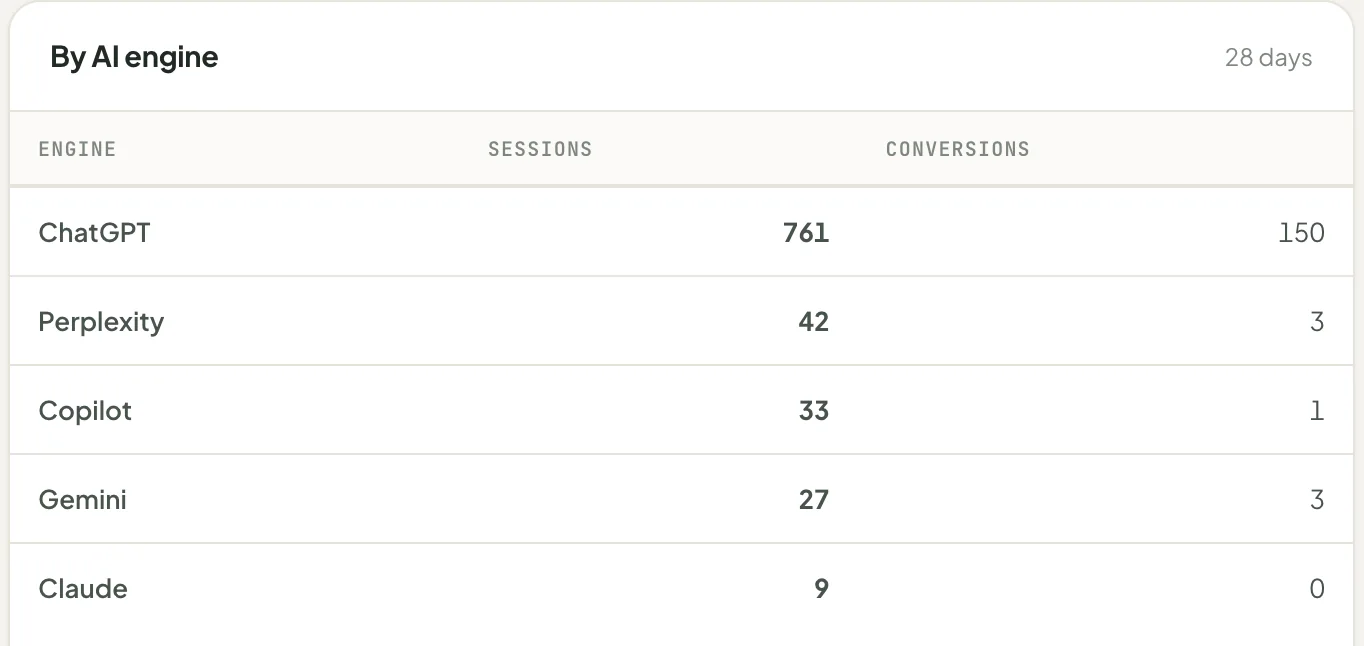
Frequently asked questions
Why does a clear aligner practice need a dedicated ChatGPT Ads page instead of the general dental one?
Aligner patients ask category-level comparison questions — clinic-supervised versus at-home aligner brands, treatment length, mid-course revisions — that a broad dental campaign folds into a single generic 'cosmetic dentistry' bucket, diluting both bid strategy and copy specificity. ICG runs aligner-focused practices on a dedicated three-to-four-bucket structure built entirely around aligner-category intent, which captures the at-home-versus-clinic comparison conversation general dental campaigns miss almost entirely.
How does ICG frame the at-home versus clinic-supervised aligner comparison without naming competitor brands?
ICG's ad copy and landing pages describe the category difference — remote-monitored, mail-order aligner systems versus in-person, clinician-supervised treatment with physical check-ins — without naming any specific at-home aligner brand, in line with ICG's policy of never naming competitors in client content. The comparison is framed around what clinic supervision adds (in-person bite and fit checks, faster correction of tracking issues, a licensed orthodontist reviewing progress) rather than criticising a named alternative.
How much does ChatGPT Ads cost for a single clear aligner practice?
ICG's engagement for a single-location aligner-focused practice begins at ₹20,000/month starting (inclusive of 18% GST), covering one to two aligner-specific intent buckets, compliance-reviewed copy addressing cost and treatment-length questions, one landing-page variant and monthly conversation-attribution reporting. Ad spend is planned separately based on city and typical case complexity.
What is the revision-intent bucket and why does it matter for aligner practices?
The revision bucket captures patients mid-treatment or near the end of a course who are asking whether their results are on track — 'my aligners aren't closing my gap as expected, is a refinement normal' — often after starting treatment elsewhere, including at-home. This bucket converts at a high rate because these patients are already committed to the category and are specifically looking for clinic-supervised correction, which is exactly what a clinic-based aligner practice offers over a remote-monitored alternative.
What compliance rules apply to clear aligner advertising on ChatGPT Ads?
Aligner ad copy is checked against NMC Section 6, which restricts fixed-timeline promises ('straight teeth guaranteed in 6 months') and outcome guarantees, and ASCI Chapter III, which prohibits misleading efficacy claims and requires clear sponsored-content disclosure. Treatment-length claims are written as typical ranges dependent on case complexity, and any comparison to at-home aligner options stays factual and non-disparaging rather than claiming blanket superiority.
How does ICG handle treatment-length questions in aligner ad copy?
Treatment-length queries — 'how long does clear aligner treatment actually take for mild crowding' — are answered with typical ranges based on case category (mild, moderate, complex) rather than a single fixed number, with a clear caveat that individual timelines depend on compliance with wear-time and case complexity, keeping the claim within NMC Section 6 while still giving ChatGPT enough specific information to cite accurately in follow-up turns.
Can a general dental clinic that also offers aligners use this page instead of the dental page?
A clinic offering aligners alongside implants, general dentistry or cosmetic work is usually better served by the broader dental ChatGPT Ads structure, which covers aligner intent as one of several buckets. This dedicated aligner page and bucket structure are built for orthodontic and aligner-primary practices where concentrating budget entirely on aligner-category intent produces a materially better cost-per-case than spreading it across other procedures.
Who runs ICG's ChatGPT Ads practice for clear aligner practices?
ICG's dental and orthodontic paid-search practice, including ChatGPT Ads, is led on the growth and business side by Rohit Gupta. Every aligner-specific campaign is compliance-reviewed against NMC Section 6 and ASCI Chapter III before it goes live and reported monthly against conversation-attribution data by bucket.
