


Physiotherapy Clinic Marketing India 2026: SEO, Ads & Referrals
Physiotherapy clinic marketing playbook India 2026 — hyperlocal SEO, ortho referrals, corporate wellness, Google Ads and CPA benchmarks that convert. Talk to ICG.
No pitch. Written root-cause diagnosis. AI-powered, healthcare only.
Direct answer
Physiotherapy clinic marketing playbook India 2026 — hyperlocal SEO, ortho referrals, corporate wellness, Google Ads and CPA benchmarks that convert. Talk to ICG.
TL;DR
TL;DR
- India physiotherapy market: ~85,000 registered practitioners, growing 14%/year (Source: IAP, 2024)
- Winning channel mix: hyperlocal Google Business Profile + orthopaedic surgeon referral + corporate wellness tie-ups
- CAC benchmarks: single-clinic ₹180–₹680 per new patient; chain ₹120–₹450
- Corporate wellness partnerships deliver 3–5× cheaper CAC than paid advertising
Physiotherapy marketing in India is underestimated and underinvested. A specialty treating musculoskeletal conditions that affect 40–60% of the Indian adult working population every year runs marketing programmes appropriate for a niche service. The result: physiotherapy clinics acquire new patients primarily through word-of-mouth and orthopaedic surgeon referrals, with almost no systematic digital marketing, while patient demand goes unmet.
The opportunity: India's physiotherapy market is growing at 14% per year (Source: Indian Association of Physiotherapists, 2024), driven by rising awareness, growing sports and fitness participation, and India's largest-ever volume of post-surgical rehabilitation demand from orthopaedic procedures. The physiotherapy clinic that builds a systematic marketing programme in 2026 is building into a growing market with low marketing competition.
India physiotherapy market landscape 2026
India has approximately 85,000 registered physiotherapists (Source: IAP, 2024) across a population of 1.45 billion — one of the lowest physiotherapist-to-population ratios among middle-income countries. Urban India (Tier-1 and Tier-2 cities) sees 85% of the formal physiotherapy demand. Rural and semi-urban physiotherapy demand is primarily served through government hospitals with chronic staffing shortages.
For a private physiotherapy clinic, this landscape means: in most Indian cities above 300,000 population, the clinic entering the formal private market in 2026 faces moderate direct competition (other physio clinics) but significant untapped patient demand. The marketing challenge is not differentiation from abundant competitors — it is patient education that physiotherapy exists, can treat their condition, and is available locally.
The physiotherapy patient journey — 6-touchpoint funnel
Touchpoint 1: GP or specialist referral — Still the most common initiation point. A GP seeing a patient with back pain or shoulder injury writes a physio referral. This touchpoint is outside the clinic's direct control but is influenced by the clinic's referral relationship with the referring physician.
Touchpoint 2: Orthopaedic surgeon referral — Post-surgical rehabilitation generates the highest-value physio patient (longer treatment course, higher revenue per patient). An ACL reconstruction patient referred by the orthopaedic surgeon who did the surgery generates 20–30 sessions at ₹600–₹2,000 per session.
Touchpoint 3: "Physiotherapy near me" search — The direct digital discovery moment. A patient with knee pain or tennis elbow who decides to try physiotherapy before or instead of surgery. This is the primary digital marketing acquisition opportunity.
Touchpoint 4: Corporate wellness referral — An employer's occupational health programme or corporate wellness tie-up that routes employees with musculoskeletal complaints to the clinic. This is the highest-volume, lowest-CAC channel for well-located urban physiotherapy clinics.
Touchpoint 5: Sports team and gym referral — Clinics affiliated with sports teams, fitness clubs, or running clubs receive consistent injury rehabilitation referrals from the team trainer or club health officer.
Touchpoint 6: Word-of-mouth from existing patients — The highest-quality referral source. A physiotherapy patient who had excellent results recommends the clinic to 2–4 friends and family members annually (ICG internal data, 2026).
Hyperlocal SEO — the "near me" domination strategy
"Physiotherapy near me" — 420,000+ monthly searches in India (Source: Semrush, 2026). "Physiotherapist [city]" — 85,000–240,000 monthly searches depending on city. These are the two highest-converting physiotherapy search terms, and both are captured primarily through Google Business Profile and hyperlocal website pages.
GBP essentials for physiotherapy: Complete all specialty-specific fields — list each sub-specialty as a service (Sports Injury Physiotherapy, Post-Surgical Rehabilitation, Neurological Physiotherapy, Paediatric Physiotherapy, Chronic Pain Management). Add photos of the clinic interior, equipment, and treating therapists. Post 2–3 times per week: condition education posts (what is frozen shoulder, how to treat plantar fasciitis), exercise demonstration videos, and patient experience posts (with consent).
Hyperlocal landing pages: For clinics in major cities, create individual landing pages for every major neighbourhood within a 5km radius — "physiotherapy [locality name], [city]." Each page, 600–800 words, covering the clinic's proximity to that locality, the common conditions treated, and the local community they serve. These pages capture the hyperlocal "physiotherapist in [locality]" searches that account for 30–40% of all local physiotherapy discovery.
Review velocity: 50+ reviews at 4.6+ puts a physiotherapy clinic in the top 15% of local pack visibility in most Indian cities. The review generation SOP: WhatsApp message at end of treatment course ("Thank you for completing your physiotherapy programme — if your recovery met your expectations, we'd appreciate a quick Google review: [direct link]").
 angryturtle/17-auto-review-uploader.png" alt="Angryturtle Auto Review Uploader — NMC-compliant review acquisition + response workflow at scale" loading="lazy" decoding="async" style="width:100%;height:auto;display:block;">
Orthopaedic surgeon referral engineering — the systematic play
The orthopaedic-to-physiotherapy referral relationship is the most commercially significant BD relationship for any physiotherapy clinic. An orthopaedic surgeon performing 30 joint replacement or ACL reconstruction surgeries per month represents 30 potential post-surgical rehabilitation patients — worth ₹6–₹18 lakh in monthly physiotherapy revenue.
Building the referral relationship:
- Map all orthopaedic surgeons within 8km of the clinic (target: 5–15 orthopaedic surgeons)
- Initial introduction visit by the clinic director or senior physiotherapist — bring the clinic brochure, outline post-surgical protocols, and ask about the surgeon's post-operative rehabilitation preferences
- Provide the surgeon with patient intake forms pre-configured for their common surgical cases (ACL, TKR, shoulder arthroplasty, rotator cuff repair)
- Send monthly performance updates for patients referred by that surgeon — "Dr [Name], here is the 30-day outcome summary for the 6 patients you referred this month"
- Quarterly joint case review — 30 minutes where the physiotherapist and surgeon discuss patient progress
Joint line: The physiotherapist who makes the orthopaedic surgeon's patients have excellent outcomes generates referrals. The physiotherapist who makes the orthopaedic surgeon feel informed and included in the rehabilitation process generates loyalty.
Corporate wellness partnerships — the B2B side of physiotherapy
"Corporate wellness tie-ups are the LTV secret of physiotherapy marketing. A corporate account that routes 50 employees to your clinic per month, at a negotiated ₹800/session rate, generates ₹40 lakh/year in predictable revenue at a CAC of ₹200–₹450 per employee — compared to ₹680 average CAC on Google Ads." — Rohit Gupta, Co-Founder, ICG
How corporate wellness partnerships work: The physiotherapy clinic negotiates a service agreement with an employer's HR or occupational health department. The employer communicates the physiotherapy benefit to employees, and employees with musculoskeletal complaints are directed to the clinic. The clinic bills the employer at a negotiated rate (typically 15–25% below retail) and receives consistent patient flow.
Target corporate accounts: IT companies (repetitive strain, lower back pain from desk posture), manufacturing companies (musculoskeletal injuries), financial services (stress-related musculoskeletal complaints), and logistics/e-commerce companies (physical strain injuries). A physiotherapy clinic in Bangalore's Whitefield or Electronic City corridor, or Delhi NCR's Cyber City, is within reach of 50–200 corporate accounts suitable for wellness tie-ups.
Pitching a corporate wellness partnership: The pitch is not about physiotherapy — it is about the employer's cost. "Musculoskeletal conditions are the #1 cause of work absence in Indian corporate India, accounting for 28% of sick days (Source: FICCI Healthcare Report, 2024). A structured physiotherapy access programme reduces average sick days per employee by 3.2 per year. At ₹2,800/day average employee cost, that's ₹8,960 saved per enrolled employee annually — against your investment of ₹800/session/visit."
Sports injury clinic marketing
Sports injury physiotherapy has a distinct patient profile — younger, higher income, faster decision-making, and strong online presence. A physiotherapy clinic with credible sports injury capability (certified sports physiotherapist, experience with athlete rehabilitation, relationship with sports teams or gyms) can build a premium sports injury sub-brand within the broader physiotherapy practice.
Sponsorship and affiliation: Sponsoring a local running club, cricket club, or football team — providing the official physiotherapy support — generates consistent patient referrals, community visibility, and social media content (treatment tables at the sideline, athlete testimonials with consent). The sponsorship cost (₹15,000–₹60,000 per year for local club affiliations) delivers 8–20 new patient referrals per month.
YouTube exercise library: A physiotherapy YouTube channel with a library of condition-specific rehabilitation exercise videos builds organic visibility and patient trust. A 10-video series on ACL rehabilitation exercises gets traction among patients who have been referred for physiotherapy but want to supplement their clinic sessions with home exercises. This content ranks in YouTube search and generates consultation conversions.
Google Ads for physiotherapy — geo-tight and condition-specific
Physiotherapy Google Ads are most effective when geo-targeted to a 5–8km radius (urban) and condition-specific. Broad physiotherapy terms ("physiotherapy") have too diffuse intent. Condition-specific terms convert efficiently: "physiotherapy for back pain [city]," "sports physiotherapist [area]," "knee pain physiotherapy [locality]."
CPC benchmarks: ₹12–₹38 for general physiotherapy terms in major Indian cities; ₹8–₹22 for tier-2 cities. The low CPC makes physiotherapy Google Ads cost-effective compared to higher-CAC specialties — but the low average session revenue (₹600–₹2,000) means the CAC must stay below ₹680 for a campaign to be commercially viable at a single-session measurement horizon. Over a full treatment course (12–25 sessions), the LTV is ₹7,200–₹50,000 per patient — making a ₹680 CAC highly profitable.
Physiotherapy marketing budget benchmarks 2026

| Clinic type | Monthly budget | Expected new patients | Primary channel |
|---|---|---|---|
| Solo physiotherapist | ₹12,000–₹30,000 | 18–45 | Hyperlocal SEO + referral |
| 2–4 therapist clinic | ₹35,000–₹85,000 | 55–140 | SEO + Google Ads + corporate BD |
| 5–8 therapist centre | ₹85,000–₹2,20,000 | 140–380 | Full digital + corporate + sports |
| Physiotherapy chain (8+ locations) | ₹3,00,000–₹8,00,000 | 600–2,000 | Chain digital + corporate contracts |
CAC benchmarks: single-clinic ₹180–₹680; chain ₹120–₹450. Source: ICG internal data, 2026.
Case snapshot
A 4-clinic physiotherapy chain in Bangalore (locations: Indiranagar, Koramangala, Whitefield, JP Nagar) was acquiring 85 new patients per month across all 4 clinics at ₹820 blended CAC. After a 5-month ICG engagement: (1) hyperlocal service area pages for 28 Bangalore neighbourhoods; (2) 3 corporate wellness tie-ups signed with IT companies in Whitefield (60 employees/month routed); (3) sports sponsorship of a local cricket academy; (4) orthopaedic referral programme launched with 8 orthopaedic surgeons. New patient volume grew from 85 to 320/month. Blended CAC dropped from ₹820 to ₹290 due to the zero-CAC corporate channel dominating new volume.
Frequently asked questions
What does physiotherapy marketing cost per month? A solo physiotherapist can run an effective local SEO + GBP programme for ₹12,000–₹25,000/month. A 3–4 therapist clinic with Google Ads and corporate BD should budget ₹50,000–₹1,00,000/month. The most effective early investment is hyperlocal SEO — it generates consistent patient flow at low ongoing cost. Google Ads are appropriate once the clinic has 40+ reviews and local SEO is working.
Is YouTube or Instagram more effective for physiotherapy marketing? YouTube is better for long-term authority building (exercise libraries, condition education series). Instagram is better for awareness and community building among the fitness and sports injury audience (15–45 age group). A physiotherapy clinic should prioritise YouTube if they have a sports injury or specialist focus; Instagram if they serve a fitness-conscious urban demographic. GBP and local SEO generate more new patient bookings than either social platform for most physiotherapy practices.
How do corporate wellness tie-ups work? The clinic negotiates a service agreement with an employer's HR or occupational health team. The employer communicates the benefit to employees; employees with musculoskeletal complaints are directed to the clinic. The clinic bills the employer at a negotiated rate (typically 15–25% below retail). Key elements: a clear pricing agreement, a referral pathway (email or WhatsApp from HR to the clinic), and a quarterly utilisation report from the clinic to the employer showing sessions delivered and conditions treated.
How do I build orthopaedic surgeon referral relationships? Start with 3–5 orthopaedic surgeons in your immediate vicinity. Introduction visit (not a sales call — a professional introduction with your clinic's rehabilitation protocols). Configure intake forms for their common surgical cases. Send monthly patient update summaries. Offer a quarterly joint case review (30 min). The relationship builds through consistently excellent clinical outcomes for their patients. A surgeon who trusts your rehabilitation quality refers patients automatically; the relationship maintenance just accelerates this.
What is the typical insurance coverage for physiotherapy in India? Physiotherapy coverage in Indian health insurance is improving but still limited. Most individual health policies cover physiotherapy as part of post-hospitalisation care (typically 2–4 weeks post-discharge for surgical rehabilitation). Standalone physiotherapy for non-surgical conditions is not covered by most standard policies. A physiotherapy clinic that is empanelled with Star Health, HDFC ERGO, and New India Assurance for post-hospitalisation physiotherapy coverage captures the insurance-driven post-surgical rehabilitation segment. IRDAI guidelines govern empanelment processes.
What content works best for physiotherapy SEO? Condition-specific guides — "what is plantar fasciitis and how is it treated," "physiotherapy for frozen shoulder — what to expect," "post-ACL surgery rehabilitation timeline India" — generate the highest organic search traffic for physiotherapy clinics. Each guide should be 1,500–2,500 words, authored by a named physiotherapist, with FAQPage schema, and with a consultation booking CTA within the content. These pages rank for condition + physiotherapy queries and generate consistent consultation bookings over their lifetime.
CTA primary: Book a physiotherapy clinic marketing strategy session with ICG → Strategy call CTA secondary: See how ICG builds corporate wellness BD programmes → Case studies
Sources: IAP (Indian Association of Physiotherapists) — member statistics 2024 (iaptindia.org); FICCI Healthcare workforce report 2024; WHO rehabilitation needs assessment India; MoHFW allied health professional statistics; ICG internal data, 2026.
Compliance note. Physiotherapy marketing content must not make claims of guaranteed treatment outcomes. NMC Section 6 applies to physiotherapists operating within hospital networks. Patient testimonials require written consent. Corporate wellness agreements should include DPDP Act 2023-compliant data handling provisions covering employee health data.
Seven costly mistakes physiotherapy clinics make with marketing (and how to avoid them in 2026)
Most physiotherapy clinics in India lose more revenue to bad marketing hygiene than to competition. The pattern is consistent across the 40+ physio operators we have audited — the same seven mistakes show up whether the clinic is single-doctor in Faridabad or a five-branch chain in Bengaluru.
- Chasing Instagram followers instead of Google Business Profile reviews. A physio buyer searches "physiotherapy near me" — not Instagram. Reviews and photos on GBP outrank feed engagement every time. Fix this with a disciplined GBP operating system like Angryturtle.
- Running Google Ads without condition-level landing pages. Sending "knee pain" traffic to a generic homepage burns 60-70% of the budget. Build one page per condition (frozen shoulder, sciatica, ACL rehab, post-fracture).
- No orthopaedic surgeon referral tracking. Clinics send thank-you WhatsApps but never measure conversion. A referral CRM with source tagging is non-negotiable.
- Ignoring corporate wellness contracts. One 500-employee IT firm on retainer can outperform three months of paid ads. Most clinics never pitch HR.
- Weak review velocity. Fewer than 4 new Google reviews per month = flat rankings. The Client Elevation Programme ships review automation as a default.
- Blind Meta Ads spend. Physio buyers on Facebook and Instagram require creative testing loops most clinics do not run. Competitor creative libraries via Prism Spy shortcut this by 8-12 weeks.
- No YouTube content for rehab protocols. "How to recover from ACL surgery" is the highest-intent query in the category and almost every clinic ignores it. See how YODA operationalises AI-native healthcare YouTube.
Fix these seven and most clinics see qualified-lead volume double within 90 days — before spending a single extra rupee on ads.
Book a free 30-minute Brand & Growth Diagnostic.
It's a working session, not a sales pitch — you leave with a written root-cause analysis you can act on, whether or not you engage ICG.
Questions readers ask
about this topic.
The three platforms
behind every ICG engagement.
Beacon
CAPI middleware that fixes Event Match Quality, translates CRM statuses to Meta-standard events, dedups across channels.
Agency OS
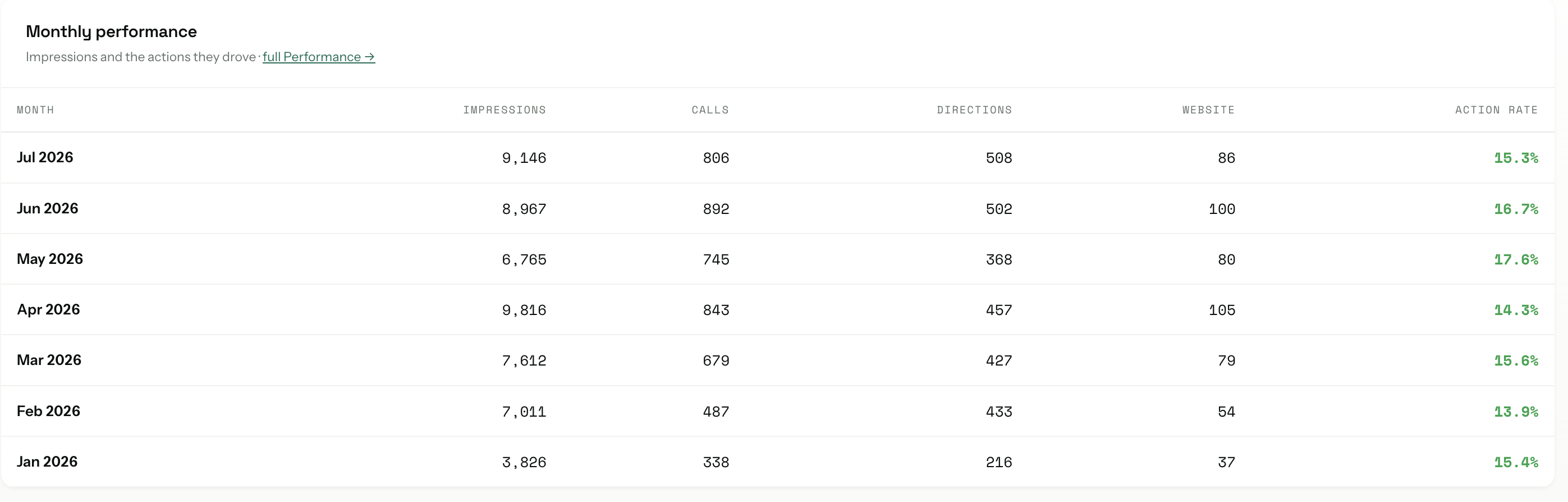
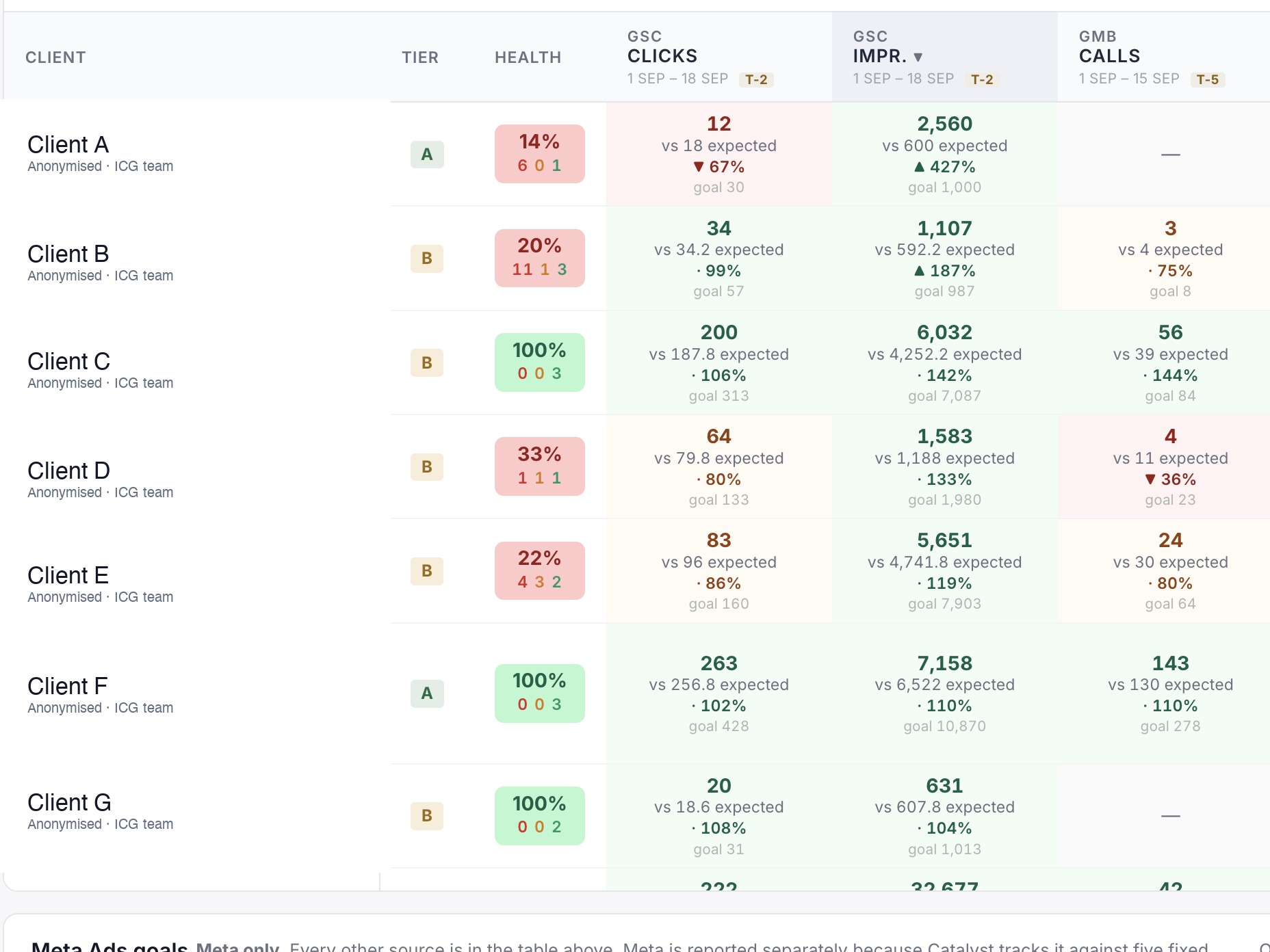
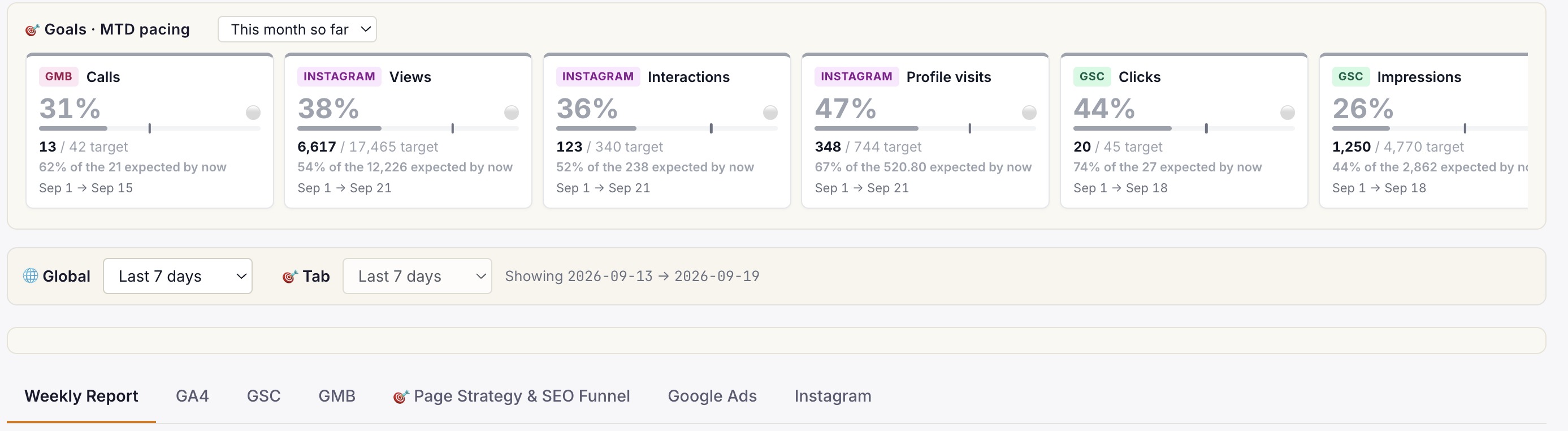
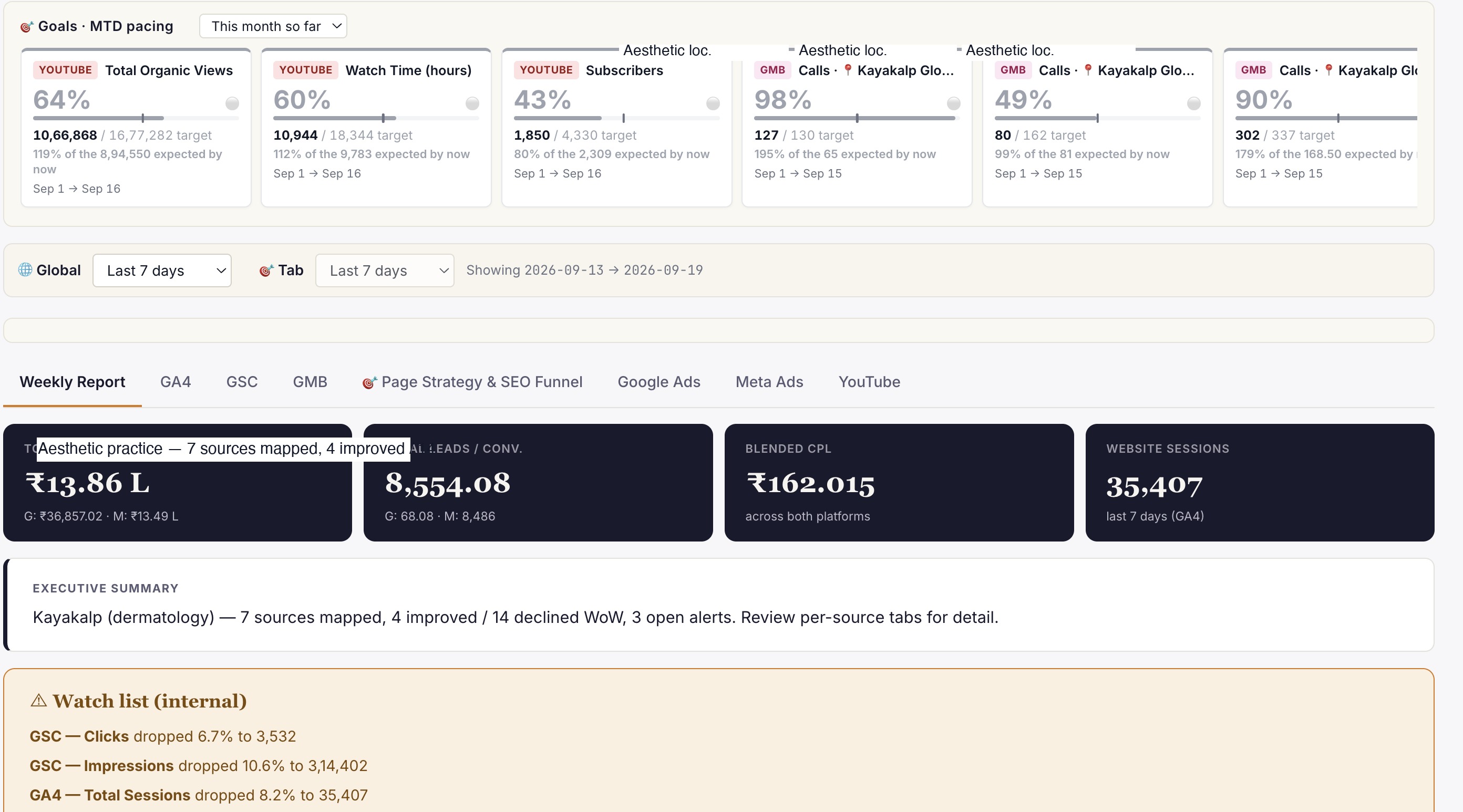
Live client dashboard. GSC, GA4, Google Ads, Meta Ads, IVR calls in one view. Login anytime, not monthly.
Phoenix
Clinic revenue intelligence over your PMS. Daily action queue: Prevent Loss, Maintain & Engage, Grow Revenue. Multi-centre rollout.
Or book a free 30-min audit to see all three in action on your account.
Healthcare brands
that already run on ICG.
A representative slice of the 150+ healthcare brands ICG has delivered for across India. Most engagements remain under NDA.


What ICG clients say · on video.
"Scale up of organic channels and business consulting. ICG has absolute domain authority in their field."
"Working with ICG transformed how we acquire IVF patients in Gurgaon. They understand the fertility journey from inquiry to consult..."
"What Ichelon accomplished — they got all my ideas and worked over 3-4 months to create an amazing, super-customised website."
The intelligence stack behind this playbook.
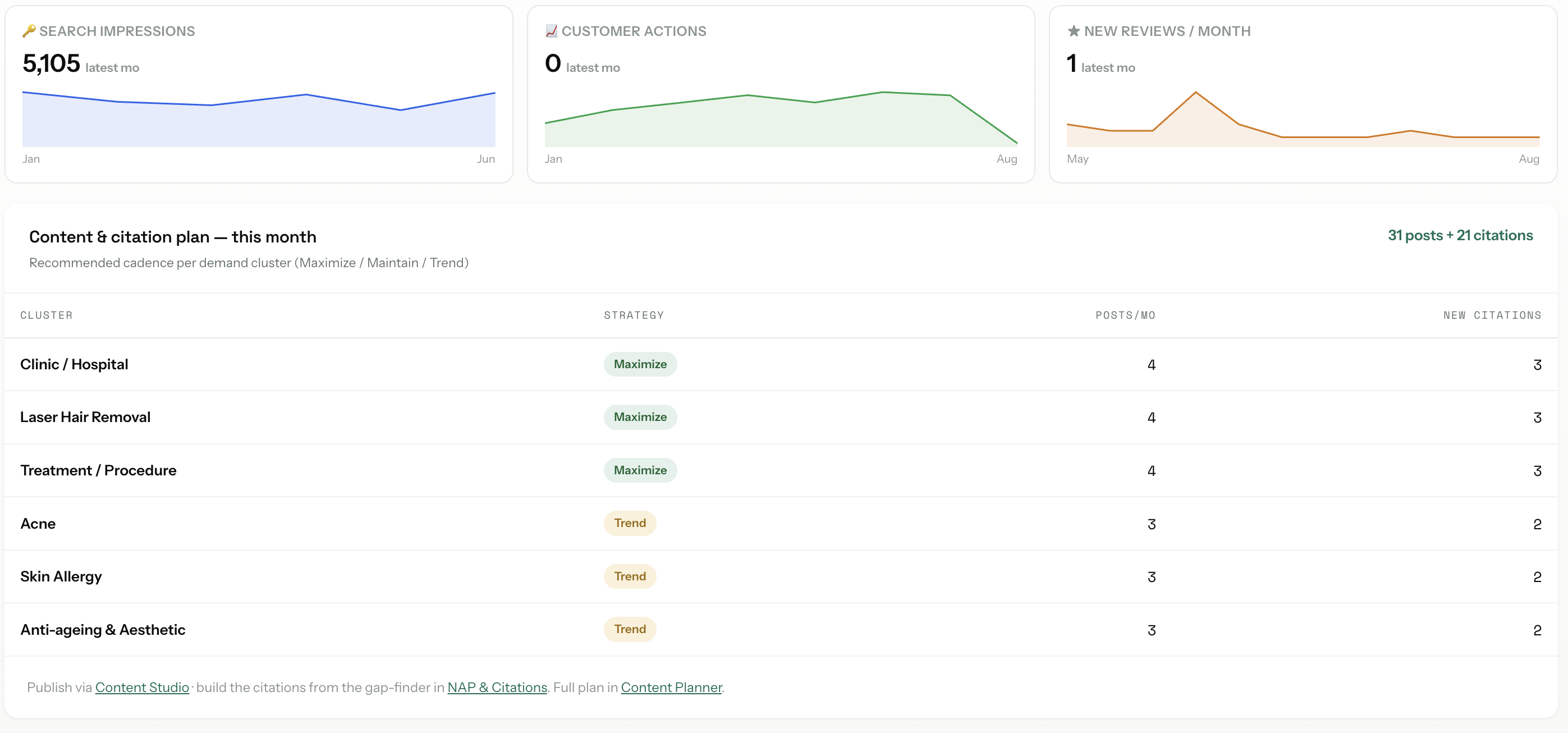
Every ICG engagement runs on the Search Intelligence Trifecta — Angryturtle for GMB, SIE for search and AI Overview, YODA for YouTube. Live product screens below.
Need help operationalising this?
Every ICG service is healthcare-only, NMC + DPDP-aware, and built around the patient-research patterns that drive Indian healthcare growth in 2026.
Every practice welcome — packages from ₹20,000/mo.
Goals-Driven engagements · Performance-Linked Payout Models available
More from
ICG.
Five trends shaping Indian healthcare marketing through 2027: AI-first patient research, Conversions API adoption, ABDM discovery, the AEO w...
Healthcare AIO is the discipline of getting your clinic or hospital cited inside Google AI Overviews, ChatGPT and Perplexity answers — not j...
Conversational-search advertising places brand messages inside AI chat answers — ChatGPT, Perplexity, Copilot — rather than beside a results...
Stop guessing.
Book a Diagnostic.
30 minutes. Free. With the AI-powered healthcare-only marketing agency 150+ brands already run on. No slides, no pitch, no hard close.


