


Healthcare SEO vs Generic SEO: What is Different for Medical Brands
A category-tier buyer guide for hospital marketing directors and clinic owners choosing between generic SEO and specialised healthcare SEO in India. Compares eight axes including NMC, DPDP Act 2023, ABDM readiness, YMYL E-E-A-T, medical schema, and patient-acquisition attribution.
No pitch. Written root-cause diagnosis. AI-powered, healthcare only.
Direct answer
A category-tier buyer guide for hospital marketing directors and clinic owners choosing between generic SEO and specialised healthcare SEO in India. Compares eight axes including NMC, DPDP Act 2023, ABDM readiness, YMYL E-E-A-T, medical schema, and patient-acquisition attribution...
TL;DR
TL;DR
- Healthcare SEO is not a flavour of generic SEO. It is a different discipline built on YMYL scrutiny, medical E-E-A-T, and Indian regulatory frameworks (NMC advertising code, DPDP Act 2023, ABDM interoperability).
- The market clusters into three broad category tiers: generic full-stack SEO, vertical healthcare-tuned SEO, and compliance-first healthcare SEO. Price bands, workflows, and risk exposure move in step with the tier.
- Single-clinic buyers can survive on tier one for local visibility, but any multi-doctor practice, hospital, or diagnostic chain crossing 4-5 locations should default to tier two or three to avoid deindexing and regulator notices.
- The biggest hidden cost of generic SEO for a medical brand is not weak rankings, it is content that a medical council or a patient advocate can flag. That risk lives in the copy, the schema, and the review workflow, not in the keyword list.
- ICG operates as a neutral, feature-based advisor across the tier stack. Our own delivery sits in tier three, and our 70-30 pricing model (Foundation, Growth, Scale) ties 30 percent of the retainer to a 12-month traffic and lead target.
Table of Contents
- Why this comparison matters for Indian healthcare buyers
- The eight axes to compare on
- Main comparison table
- Per-axis deep dives
- Which tier fits which buyer
- How ICG helps as a neutral advisor
- The 70-30 pricing model for healthcare SEO retainers
- FAQ
Why this comparison matters for Indian healthcare buyers
Almost every hospital marketing director we speak to has a version of the same story. They hired a generalist digital agency two or three years ago, rankings climbed for a while, then something broke. Either a competitor with weaker content leap-frogged them, or a page that once ranked for a treatment query dropped off the map after a core update, or a patient support group flagged a claim on a landing page and the legal team took the whole cluster down.
None of this is bad luck. Google has been treating medical content as YMYL, "Your Money or Your Life", since 2018. That designation is what triggers the extra scrutiny on author credentials, source citations, factual accuracy, and site-level medical authority. Indian regulators are catching up fast. The National Medical Commission's ethics regulations already restrict what a registered medical practitioner or their clinic can claim in any promotional material. The Digital Personal Data Protection Act 2023 has changed how patient data captured through a website form, a chatbot, or a lead magnet must be consented, stored, and processed. The Ayushman Bharat Digital Mission is quietly rewriting the discovery layer for hospitals and clinics that register under Health Facility Registry and Healthcare Professionals Registry.
A generalist SEO agency working on a fintech, a D2C brand, and a manufacturing site in parallel is not built to internalise this stack. That is not a criticism, it is a structural fact. The question for a healthcare buyer is not "who ranks the best" but "who understands what will get me flagged, what will get my patient data mishandled, and what will still be ranking after the next YMYL update".
This guide is written to help you make that call. It compares three category tiers of SEO providers, not named vendors, across eight axes that actually move the needle for an Indian medical brand.
The eight axes to compare on
Before we drop into the table, here is what we are measuring against. Every axis below has a direct downstream impact on either traffic, lead quality, regulatory risk, or all three.
- Regulatory alignment: NMC advertising code awareness, DPDP Act 2023 compliance in form and cookie handling, ABDM readiness on schema and structured data.
- YMYL and medical E-E-A-T: how the agency handles Experience, Expertise, Authoritativeness, and Trustworthiness signals for medical content specifically.
- Author and medical review workflow: whether content is written, reviewed, and bylined by qualified professionals or by generalist copywriters.
- Medical schema and structured data: coverage of MedicalOrganization, Physician, MedicalWebPage, MedicalCondition, MedicalProcedure, and related types.
- Local search and citations: Google Business Profile depth for clinics, medical directory coverage, ABDM Health Facility Registry integration.
- Content topic architecture: patient-education pillars, condition and procedure taxonomies, cost pages, and doctor pages, versus generic service-page templates.
- Link acquisition strategy: medical publications, patient advocacy sites, and health journalism placements, versus generic guest posts.
- Attribution and measurement: appointment tracking, patient acquisition cost, and multi-touch attribution across GBP, organic, ads, and offline.
Main comparison table
| Axis | Generic full-stack SEO | Vertical healthcare-tuned SEO | Compliance-first healthcare SEO |
|---|---|---|---|
| Regulatory alignment (NMC, DPDP, ABDM) | Rarely on the checklist. Cookie banners are generic, forms rarely capture granular consent. | Aware of NMC restrictions on testimonials and comparative claims. Partial DPDP alignment. | Copy pre-cleared against NMC ethics code. Forms and chatbots built to DPDP consent standards. ABDM registry signals used in schema. |
| YMYL and medical E-E-A-T | Treats E-E-A-T as a generic checklist item. No medical citation policy. | Author bios and citation lists on flagship pages. Uneven coverage on longer-tail content. | Every medical page has a bylined author, a reviewer, a last-medically-reviewed date, and citations to peer-reviewed sources or Indian guidelines. |
| Author and medical review workflow | Generalist copywriters. No medical review step. | In-house healthcare writers with editorial oversight. Medical review is optional. | Two-stage workflow: subject-matter writer plus a qualified medical reviewer whose credentials are published. |
| Medical schema and structured data | Organization, LocalBusiness, FAQPage. Rarely more. | MedicalOrganization, Physician, FAQPage, Review. Some MedicalWebPage coverage. | Full medical schema graph including MedicalCondition, MedicalProcedure, Drug, MedicalTest, plus HowTo and Speakable for AIO surfaces. |
| Local search and citations | One GBP per location, generic NAP consistency work. | Doctor-level GBP profiles, healthcare directory coverage, review response cadence. | Full GBP operating system with weekly posts, Q and A seeding, service-level attributes, and ABDM HFR / HPR integration in citations. |
| Content topic architecture | Service pages plus a generic blog. Cost pages often missing. | Condition, procedure, cost, and doctor hubs. Patient-education content library. | City-plus-treatment matrix, before-and-after workflows, second-opinion funnels, in-language content pillars for tier-2 and tier-3 city discovery. |
| Link acquisition strategy | Generic guest posts, some paid placements. | Healthcare publications, expert commentary in mainstream media, some journal citations. | HARO-style medical PR, patient advocacy partnerships, Indian medical journal citations, doctor-led thought leadership. |
| Attribution and measurement | Sessions, keywords, form submits. Rarely tied to appointments. | Lead-source dashboards, offline conversion imports. | Patient acquisition cost per specialty, appointment attribution across GBP, organic, ads, WhatsApp, plus CRM feedback loop. |
Per-axis deep dives
1. Regulatory alignment: NMC, DPDP Act 2023, ABDM
This is where the two disciplines part ways hardest. A generic SEO team optimising a SaaS landing page cares about page speed and headline clarity. A healthcare SEO team has to know that under the NMC ethics regulations a registered practitioner cannot solicit patients through comparative claims, guaranteed outcomes, or testimonials that promise specific results. That reality changes how you write H1s, how you build review widgets, and whether a "best cardiologist in Gurgaon" trust badge on your homepage is safe to keep or a notice waiting to happen.
DPDP Act 2023 adds a second layer. Any lead form, appointment booking widget, or chatbot on a medical website is collecting sensitive personal data. You need lawful basis, clear notice, granular consent, a retention policy, and a way to honour deletion requests. A generic agency will usually set up a lead form and stop. A compliance-first team will design the form, the CRM flow, the WhatsApp handover, and the data-retention rule together.
ABDM changes discovery. A hospital that registers under Health Facility Registry and lists its clinicians on Healthcare Professionals Registry can surface those identifiers in schema and citations, and increasingly in ABDM-aware discovery layers being built by ecosystem players. Tier-three teams treat HFR and HPR IDs as first-class SEO signals, not paperwork.
2. YMYL and medical E-E-A-T
Google's Search Quality Rater Guidelines treat medical content as high-YMYL. That means a page about "chest pain causes" is held to a higher bar than a page about "best travel backpack". The rater is instructed to look for the qualifications of the author, the reputation of the site, the accuracy of the claim, and whether the content matches current medical consensus.
Generic SEO tends to treat this as a compliance checkbox: add an author bio, add a review widget, done. A tier-three approach treats it as an operating system. Every medical page has a named author with visible credentials, a separate medical reviewer, a last-medically-reviewed date, and inline citations to Indian guidelines (ICMR, MoHFW, specialist society guidelines) or peer-reviewed literature. Doctor pages carry MCI or state medical council registration numbers where public.
3. Author and medical review workflow
The workflow question decides whether your content library is a liability or an asset. In a generic setup, a copywriter with no medical training researches the topic, writes 1,200 words, and hands it off. Nobody clinical touches it. Two things happen. First, factual drift creeps in, sometimes small (wrong dosage range), sometimes serious (contraindication missed). Second, the language reads to a doctor as unmistakably non-clinical, which erodes trust with the very audience you want to convert.
A vertical healthcare-tuned team upgrades this by hiring healthcare writers. A compliance-first team goes further by pairing every writer with a qualified reviewer, usually a practising clinician or a public health specialist, whose sign-off is published on the page. This adds cost and time, but it is the only workflow that survives a serious YMYL update.
4. Medical schema and structured data
Schema.org has an entire medical vocabulary that most agencies never touch. MedicalOrganization, Hospital, MedicalClinic, Physician, MedicalCondition, MedicalProcedure, Drug, MedicalTest, and DiagnosticProcedure all exist. Each type carries specific properties: an alternateName for a condition, a possibleTreatment reference, an eligibleAge for a procedure, a code from ICD-10 or SNOMED where relevant.
A tier-three implementation builds a full medical schema graph across the site, so a page about "hip replacement" connects the procedure schema to the physicians who perform it, to the hospital where it happens, and to related conditions. This is what feeds AI Overview surfaces and generative answer boxes. A generic implementation drops FAQPage and moves on.
5. Local search and citations
For most Indian clinics and hospitals, GBP is the single highest-leverage surface. It shows up before organic, it drives phone calls, and for tier-2 and tier-3 cities it often outperforms every other channel combined. Yet most generic agencies treat it as a set-up-and-forget asset.
A serious healthcare local-SEO stack keeps GBP active with weekly posts, seeded and monitored Q and A, complete service and attribute lists at doctor and location level, review response cadence with NMC-safe language, and a photo library that refreshes monthly. Individual doctor GBP profiles matter as much as location profiles because patients search for "Dr Sharma cardiologist Faridabad" more often than they search for the hospital name.
Beyond GBP, healthcare directories, patient forums, ABDM HFR and HPR entries, and specialist society listings all contribute citations. A tier-three team maintains the full citation matrix as a living asset.
6. Content topic architecture
A generic SEO content plan for a healthcare brand looks like a services page for every treatment and a blog with 500-word articles on generic wellness topics. It ranks for a while, then plateaus because it does not match how patients and referrers actually search.
Healthcare buyer intent breaks into distinct trees: symptom, condition, diagnostic, treatment option, cost, doctor, hospital, second opinion, and post-treatment recovery. Each tree has different SERP shapes, different competitors, and different conversion behaviour. A compliance-first architecture maps these trees explicitly, then builds city-and-treatment matrix pages for local intent, cost pages with transparent ranges, and doctor pages that carry Physician schema, credentials, and appointment booking. Patient stories, when used, follow NMC-safe framing.
7. Link acquisition strategy
Generic link building for a healthcare site tends to look like link building for any other vertical: guest posts, roundup placements, and paid mentions. This is high-risk in medical because a low-quality link from an unrelated site can be actively harmful under the algorithm's medical-trust filters.
Healthcare-tuned link acquisition prioritises quality over volume. Placements in Indian health publications, expert commentary in mainstream business or lifestyle media where the doctor is named, contributions to specialist society journals, and partnerships with patient advocacy groups all move medical-trust signals. Tier-three teams treat medical PR as an integrated function alongside SEO, often running a HARO-style outreach programme with clinicians on the roster.
8. Attribution and measurement
Generic SEO reports on sessions, keywords, and form submissions. That is not enough for a hospital or a multi-location chain. The metric that matters is patient acquisition cost per specialty, and it has to be reconciled across GBP calls, form submissions, WhatsApp chats, walk-ins, and referrals.
Tier-three attribution wires the CRM into the analytics stack so a lead that came through an organic landing page and converted into a paid consultation three weeks later shows up correctly attributed. It also feeds back into content decisions: if orthopaedic content is generating cheaper leads than cardiology, the plan shifts. This closed loop is the difference between "we published 40 blogs" and "we cut CAC for hair transplant by 32 percent".
Which tier fits which buyer
Single dental clinic in a metro locality
If you run a single-chair or two-chair dental clinic in a Delhi, Bengaluru, or Mumbai locality, your entire SEO game is local. You need a strong GBP, review flow, service-level attributes, and a handful of well-optimised city-plus-service pages. A generic full-stack agency can technically deliver this, but you are usually better served by a vertical healthcare-tuned team because they know how to write about procedures without triggering NMC issues. Budget expectations sit in the Rs 25,000 to Rs 50,000 per month range, and a tier-one compliance-first approach is often overkill unless you are also running paid campaigns.
100-bed multi-speciality hospital in a tier-2 city
This is where tier three earns its keep. You have 8-15 specialties, 40-plus doctors, 3-5 diagnostic services, a corporate desk, and an emergency line. Each specialty needs its own content tree, doctor pages carry Physician schema, cost pages need transparent ranges, and every piece of copy has to clear NMC review. Attribution matters because your marketing head has to justify spend to a promoter or a board every quarter. Retainers here typically sit in the Rs 75,000 to Rs 2,00,000 range for SEO alone, with additional budgets for paid media and content operations.
Mid-tier IVF chain with 5-10 centres
Fertility is one of the most competitive verticals in Indian healthcare, with a mix of chains, boutique clinics, and international brands. It is also one of the most heavily regulated under the ART Act 2021. A generic agency will struggle here on both fronts: they will neither pick the safe angles nor build the multi-city local footprint that this category needs. A compliance-first team is close to mandatory. Content spans conception journeys, treatment protocols, success rate framing (which must be handled carefully), cost ranges, doctor pages, and second-opinion funnels. Retainers usually start at Rs 1,00,000 per month per city cluster.
Diagnostic lab network expanding across 3-4 states
Diagnostics is a hybrid B2C and B2B play: patients search directly, but a large share of volume comes from referring physicians and corporate tie-ups. SEO needs to serve both. Test pages need MedicalTest schema, sample collection and home visit information, and clear pricing. Doctor-referral portals need their own content and access flow. A vertical or compliance-first tier fits, with a bias to compliance-first once you cross 4-5 states because DPDP compliance for pathology data is not a soft requirement.
How ICG helps as a neutral advisor
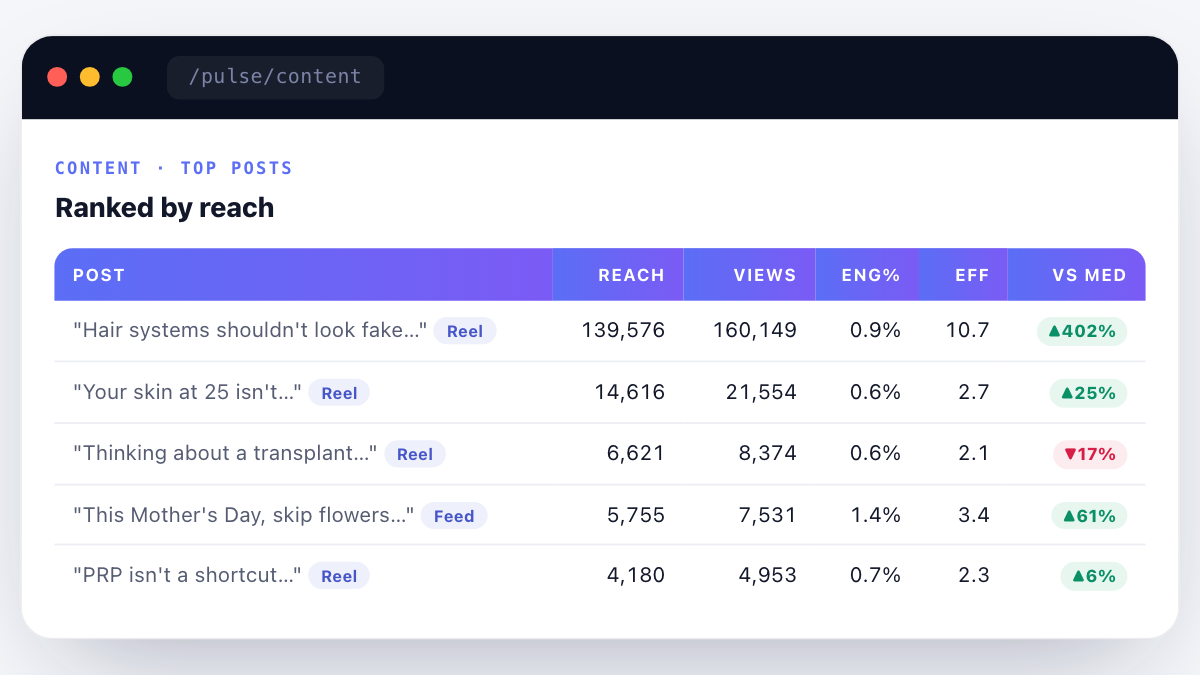
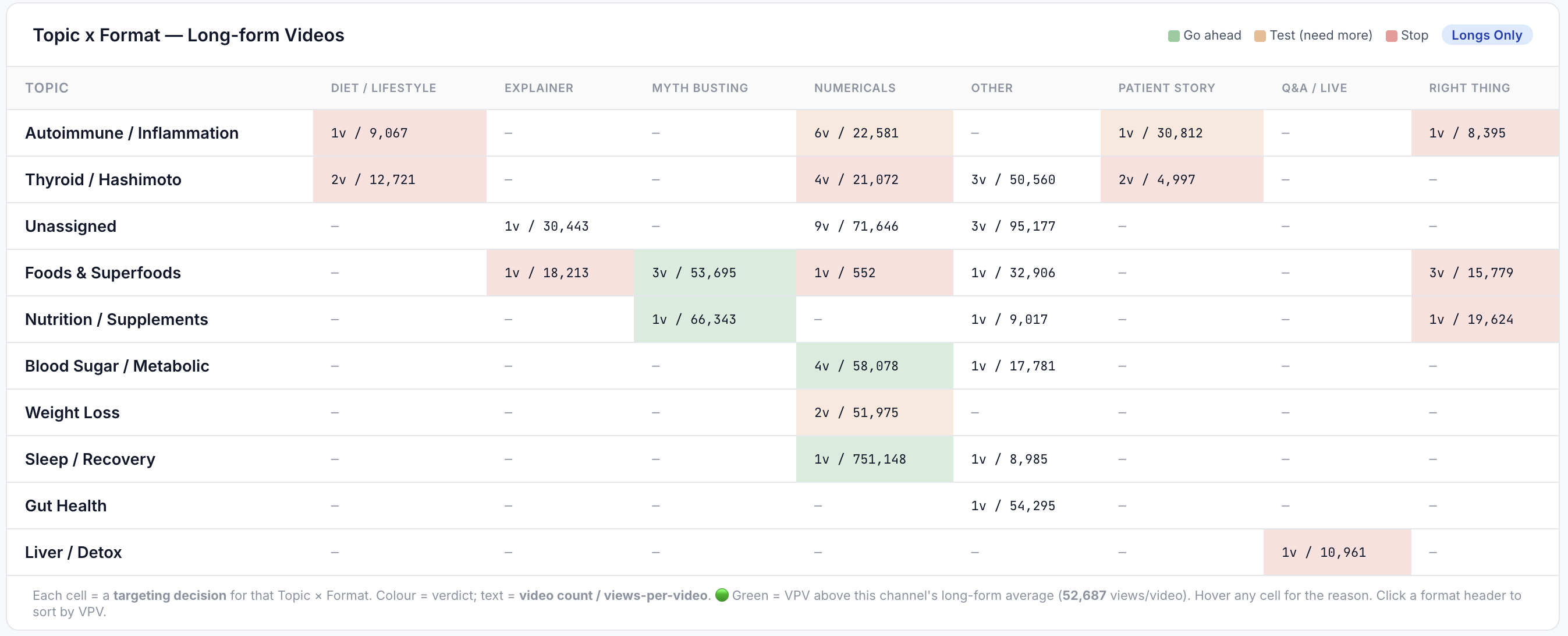
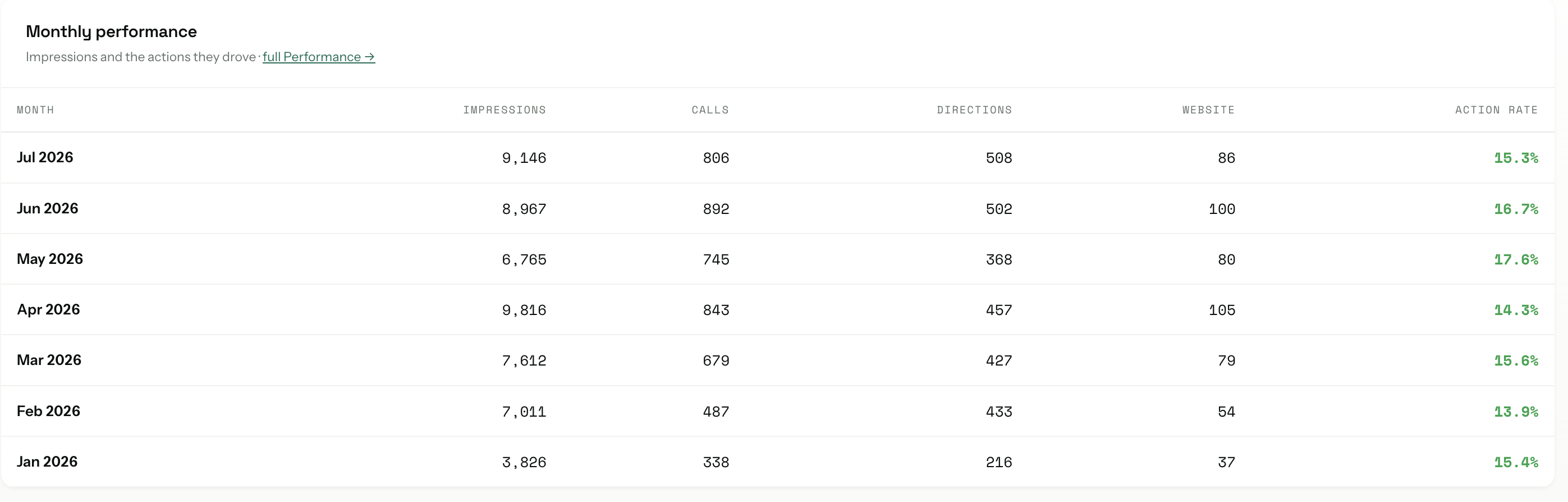
Ichelon Consulting Group works with 300-plus live healthcare clients and has served 150-plus clinics across India. Our own delivery is tier-three by default: every medical page we publish carries an author, a reviewer, a last-reviewed date, medical schema, and NMC-cleared language. But our advisory work is deliberately category-first, not vendor-first. When a hospital CMO asks whether they should move from a generic agency to a vertical or compliance-first setup, we help them build the scorecard against the eight axes above, benchmark their current stack, and decide honestly. Sometimes the answer is that their existing setup is fine for another two quarters. Sometimes it is that the risk exposure has already crossed the line. The product stack we have built, Angryturtle for GBP operations, YODA for healthcare YouTube, Meta Catalyst IQ for medical Meta Ads, Prism Spy for competitor ad intelligence, Prism Pulse for Instagram analytics, AtomCRM at Rs 14,999 per month and HealthPro 360 at Rs 14,999 per month for RCM and EHR overlay, exists so that we can execute end-to-end when a client wants us to, but our first conversation is always feature-based, not sales-first.
The 70-30 pricing model for healthcare SEO retainers


Because healthcare SEO carries a longer horizon than most verticals (six to twelve months to see meaningful movement in organic sessions), we structure retainers on a 70-30 split. Seventy percent of the monthly fee is fixed and covers a defined scope: content publication cadence, technical audit and remediation, schema implementation, local SEO operations, and reporting. Thirty percent is tied to a twelve-month traffic and lead target, released on a sliding-scale slab as the target is met.
Our three healthcare SEO tiers are Foundation at Rs 49,999 per month, Growth at Rs 74,999 per month, and Scale at Rs 99,999 per month. Foundation fits single-location clinics or newly launched brands. Growth fits multi-doctor practices, small chains, and hospitals with a single primary specialty focus. Scale fits full multi-speciality hospitals, IVF and diagnostic chains, and any brand where SEO is expected to be the primary patient acquisition channel. The same 70-30 model extends to Google Ads engagements above Rs 5 lakh monthly budgets and YouTube and AIO retainers from Rs 50,000 per month. The point of the model is alignment: we only earn the upside if we deliver the outcome, and the client is not paying full retainer for months that do not move the number.
FAQ
Is healthcare SEO really that different from generic SEO?
Yes, and the difference is structural, not cosmetic. Every medical page is a YMYL page, which means Google, Indian regulators, and patient advocates all hold your content to a higher bar than they hold a fashion brand or a SaaS product. The workflows, the schema, the citation policy, the review process, and the risk exposure are all different. A generic team can learn healthcare, but until they have rewired their workflow, they are effectively practising a different craft.
Do I really need a medical reviewer for every page?
For any page that describes a symptom, a condition, a treatment, a procedure, a drug, or a diagnostic test, yes. The reviewer does not have to be an in-house employee, but they must be a qualified clinician whose credentials you can publish on the page, and their review must be recent enough to be defensible. For non-clinical content (facility tours, admin FAQs, corporate news), a medical reviewer is not required.
How does the DPDP Act 2023 affect healthcare SEO?
DPDP applies to any personal data you collect through your website, and health data qualifies as sensitive. Your lead forms, chatbot flows, appointment widgets, and cookie banners all need to be updated for lawful basis, granular consent, retention limits, and deletion rights. This is not directly an SEO issue, but a healthcare SEO team will build these into the site by default. A generic team will usually not.
Will generic SEO get my clinic penalised by NMC or Google?
Generic SEO does not automatically create a violation, but it dramatically raises the odds. NMC restrictions on testimonials, comparative claims, and guaranteed outcomes are frequently ignored in generic copy templates. Google's YMYL scrutiny catches sites with weak medical E-E-A-T over time, especially after core updates. The safest path is to audit against both frameworks and remediate before either party notices.
How long does healthcare SEO take to show results?
Expect 90 to 180 days for AI Overview and People Also Ask visibility on well-optimised content, and 6 to 9 months for top-5 organic positions on commercial medical queries in competitive Indian cities. Local pack visibility for GBP can move in 30 to 60 days with disciplined execution. Tier-two and tier-three cities move faster than metros because competition is thinner.
Should I hire a generalist agency or a healthcare-specialist agency?
If you are a single-location clinic with a limited budget, a competent generalist with healthcare experience can work. Beyond a single location, or in any specialty where the regulatory surface is heavy (fertility, oncology, aesthetics, mental health), a specialist agency is worth the premium. The one test worth applying is: ask the agency to show you their medical review workflow. If they do not have one, they are a generalist.
Does ABDM registration affect my SEO?
Directly, not yet. Indirectly, increasingly yes. ABDM's HFR and HPR IDs are becoming citation signals in healthcare directories, and ABDM-aware discovery layers are being built by ecosystem partners. Registering your facility and clinicians is low-cost, gives you cleaner citations, and future-proofs your metadata for schema and discovery layers that will use ABDM identifiers as authoritative sources.
Can AI-generated content work for healthcare SEO?
AI can accelerate research, outlining, and first drafts. It cannot replace medical review, and it cannot be the only voice on the page. Publishing unreviewed AI content on medical topics is the single fastest way to earn a YMYL demotion. The workable model is human-led, AI-assisted: qualified writer plus AI research, then medical review, then publication with author and reviewer named.
How do I measure whether my healthcare SEO is working?
Stop reporting on sessions alone. Report on patient acquisition cost per specialty, appointments booked from organic and GBP, and lead-to-consultation conversion rate. Wire your CRM into your analytics. If your agency cannot tell you which specialty is delivering cheaper leads this quarter versus last, they are running generic SEO on a healthcare brand.
Book a free SEO diagnostic.
Hanuman Sihag's team runs a live crawl, checks technical health, cannibalisation, schema coverage and content gaps. 60 minutes, prioritised fix list.
Questions readers ask
about this topic.
The three platforms
behind every ICG engagement.
Beacon
CAPI middleware that fixes Event Match Quality, translates CRM statuses to Meta-standard events, dedups across channels.
Agency OS
Live client dashboard. GSC, GA4, Google Ads, Meta Ads, IVR calls in one view. Login anytime, not monthly.
Phoenix
Clinic revenue intelligence over your PMS. Daily action queue: Prevent Loss, Maintain & Engage, Grow Revenue. Multi-centre rollout.
Or book a free 30-min audit to see all three in action on your account.
Healthcare brands
that already run on ICG.
A representative slice of the 150+ healthcare brands ICG has delivered for across India. Most engagements remain under NDA.


What ICG clients say · on video.
"Scale up of organic channels and business consulting. ICG has absolute domain authority in their field."
"Working with ICG transformed how we acquire IVF patients in Gurgaon. They understand the fertility journey from inquiry to consult..."
"What Ichelon accomplished — they got all my ideas and worked over 3-4 months to create an amazing, super-customised website."
The intelligence stack behind this playbook.
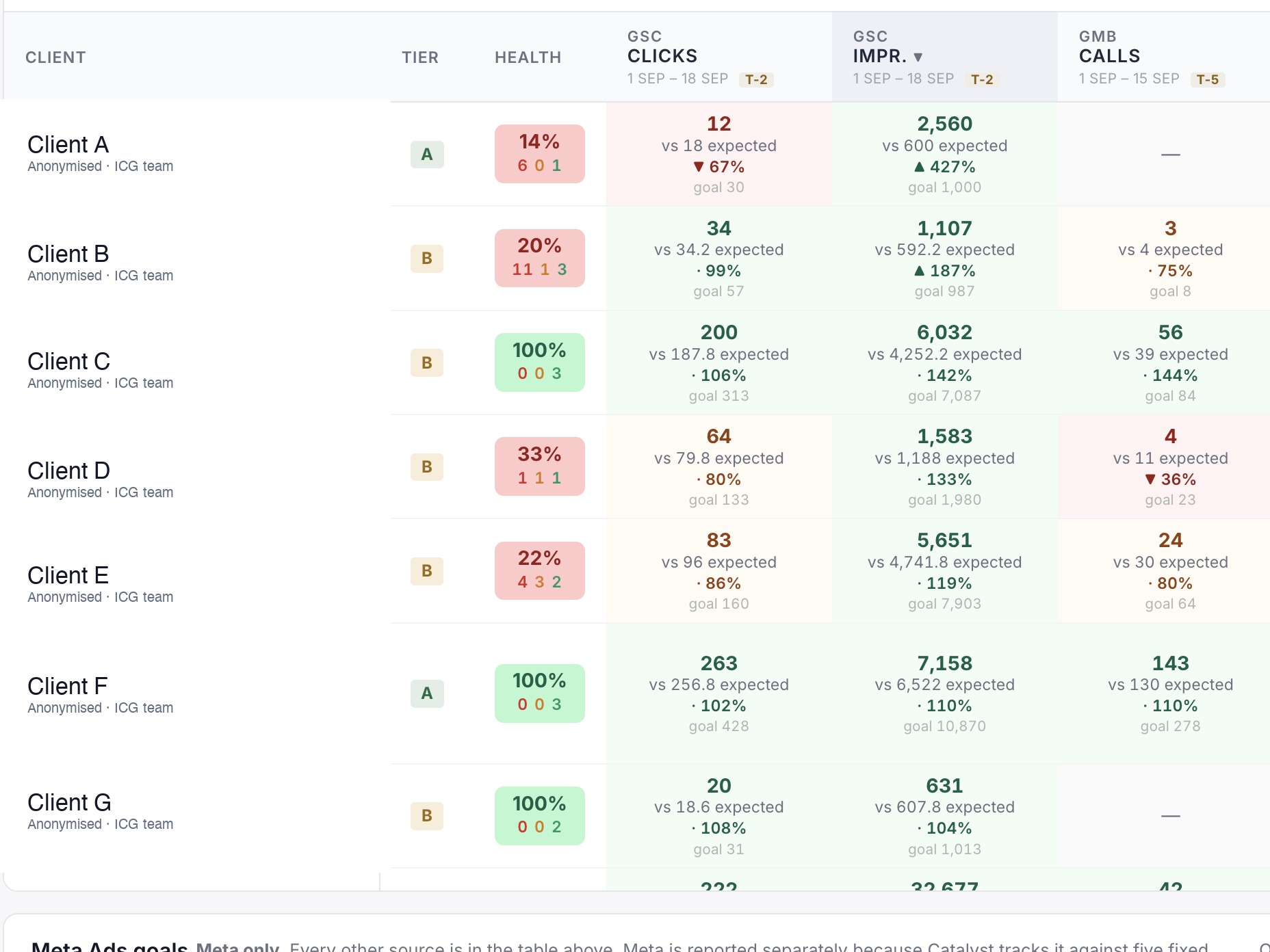
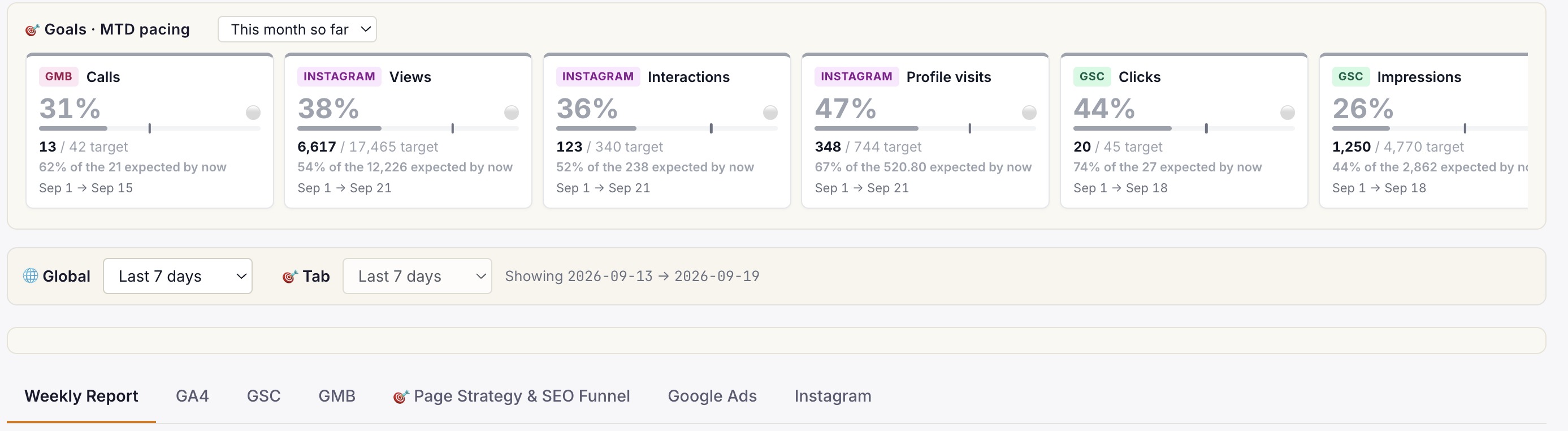
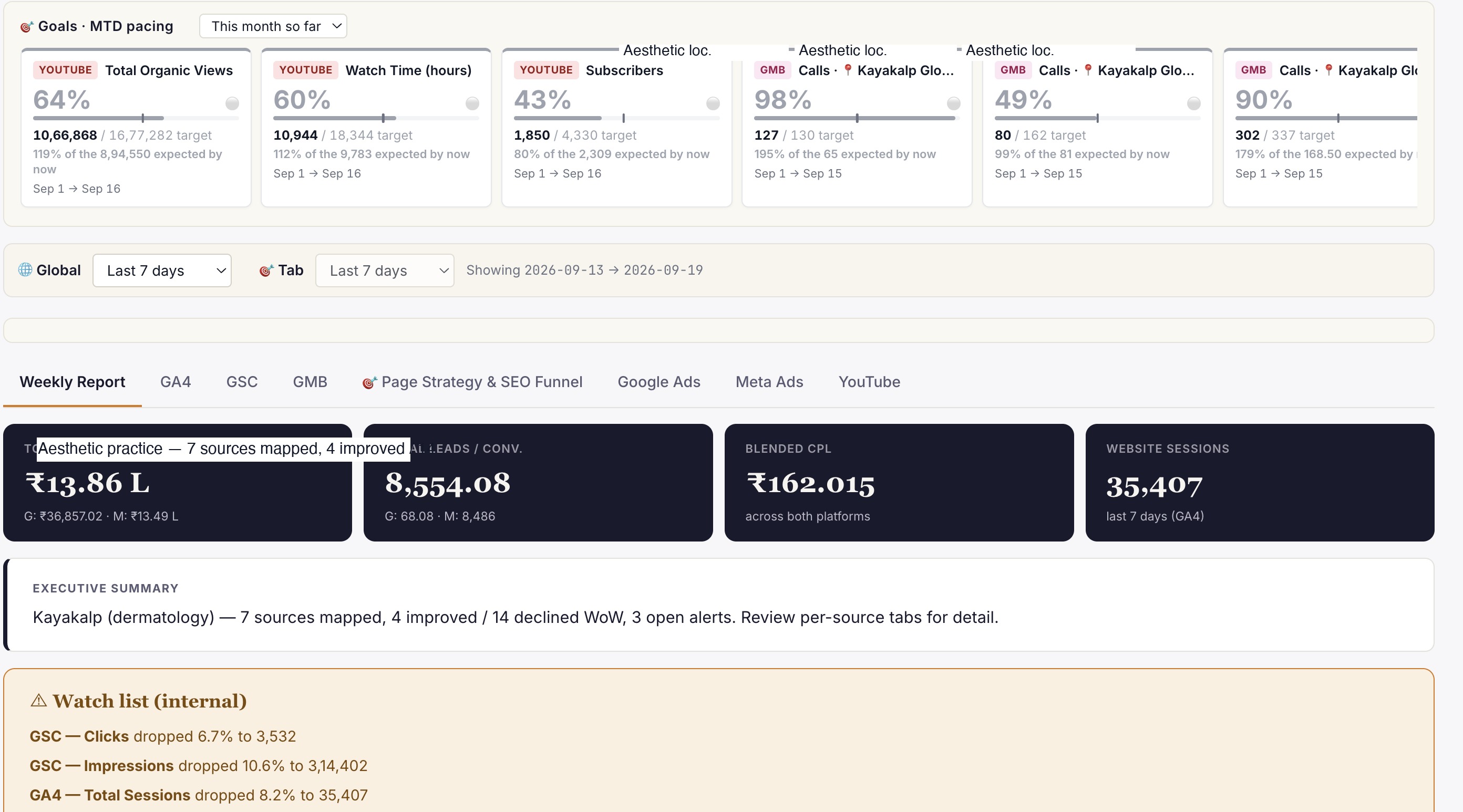
Every ICG engagement runs on the Search Intelligence Trifecta — Angryturtle for GMB, SIE for search and AI Overview, YODA for YouTube. Live product screens below.
Need help operationalising this?
Every ICG service is healthcare-only, NMC + DPDP-aware, and built around the patient-research patterns that drive Indian healthcare growth in 2026.
Every practice welcome — packages from ₹20,000/mo.
Goals-Driven engagements · Performance-Linked Payout Models available
More from
ICG.
Five trends shaping Indian healthcare marketing through 2027: AI-first patient research, Conversions API adoption, ABDM discovery, the AEO w...
Healthcare AIO is the discipline of getting your clinic or hospital cited inside Google AI Overviews, ChatGPT and Perplexity answers — not j...
Conversational-search advertising places brand messages inside AI chat answers — ChatGPT, Perplexity, Copilot — rather than beside a results...
Stop guessing.
Book a Diagnostic.
30 minutes. Free. With the AI-powered healthcare-only marketing agency 150+ brands already run on. No slides, no pitch, no hard close.


