


GMB-Only ORM vs Multi-Platform ORM for Indian Healthcare: A Buyer's Framework
Indian healthcare buyers face a real budget choice: pour ORM spend into Google Business Profile alone, or spread across directories, social, community and video. Here's the feature-based framework for hospitals, clinics, and multi-location chains.
No pitch. Written root-cause diagnosis. AI-powered, healthcare only.
Direct answer
Indian healthcare buyers face a real budget choice: pour ORM spend into Google Business Profile alone, or spread across directories, social, community and video. Here's the feature-based framework for hospitals, clinics, and multi-location chains.
TL;DR

TL;DR
- A GMB-only ORM stack is enough for a single-location clinic doing under 300 patient visits a month, provided the front desk is trained to ask for reviews and someone owns response SLA under 24 hours.
- The moment you cross two locations, run paid ads, or serve high-intent categories like IVF, dental implants, cosmetic surgery, or oncology, a multi-platform ORM approach starts paying back within 90 days.
- DPDP Act 2023 has quietly changed how you can request, store, and reuse patient reviews in India. Any ORM stack that ignores explicit purpose-limited consent is a compliance risk waiting to trigger.
- NMC rules restrict what a doctor can say back to a patient in public. Your ORM response templates need medico-legal review, not just marketing copy polish.
- Typical India monthly spend bands sit between Rs 15,000 for GMB-only single-clinic setups and Rs 1,25,000 to Rs 3,00,000 for multi-platform managed ORM across 5 to 15 healthcare locations.
Table of Contents
- Why this comparison matters for Indian healthcare buyers
- The seven axes to compare ORM on
- Main comparison table
- Axis 1: Platform surface coverage
- Axis 2: NMC and DPDP compliance handling
- Axis 3: Review velocity and response SLA
- Axis 4: Multi-location and multi-doctor scaling
- Axis 5: Negative review escalation workflow
- Axis 6: Integration with the wider marketing stack
- Axis 7: Cost model and unit economics
- Which tier fits which buyer
- How ICG helps you pick without vendor bias
- The 70-30 services model
- Frequently asked questions
Why this comparison matters for Indian healthcare buyers
Walk into any healthcare marketing meeting in India in 2026 and the reputation conversation goes one of two ways. Either the marketing head shows a dashboard of Google Business Profile stars and calls it ORM, or they show a spreadsheet of ratings across seven different platforms and admit nobody actually reads all of them. Both are wrong for most buyers, but for different reasons.
India has an unusual review ecosystem. A patient searching "best IVF centre near me" from Mumbai will see Google Business Profile listings first, then a horizontal carousel of healthcare directory cards, then a "People also ask" block that often pulls from community forum threads, then organic results that increasingly include YouTube video comments and Reddit discussions. A patient searching the same query from Indore or Coimbatore sees a slightly different stack, weighted more towards local review sites and WhatsApp-shared testimonials. The buying journey is fragmented across surfaces that a GMB-only ORM setup simply cannot see.
At the same time, the regulatory environment tightened. The Digital Personal Data Protection Act 2023 requires explicit, purpose-limited consent for how you collect and use patient information, which includes review requests sent by SMS or WhatsApp. The National Medical Commission's professional conduct regulations restrict what a doctor can publicly say in response to a patient complaint. Ignoring either is not a marketing risk. It is a legal risk that can be surfaced in a single complaint to the medical council or the Data Protection Board.
Layer on top the Indian pricing reality. A single-doctor dental practice in a Tier-2 city runs on a marketing budget of Rs 25,000 to Rs 60,000 a month, all in. A 100-bed hospital with cardiology and oncology as flagship departments might allocate Rs 6 to 15 lakh a month across the entire marketing surface. The ORM decision cannot be answered with a global template. It has to sit inside the Indian buyer's actual budget, regulatory exposure, and search behaviour.
The seven axes to compare ORM on
Every ORM conversation collapses into a checklist debate if you don't define the axes first. Here are the seven that actually predict outcomes for Indian healthcare buyers. Each one is a factual feature question, not a vendor preference.
- Platform surface coverage — how many review, listing, and comment surfaces the stack actively monitors.
- NMC and DPDP compliance handling — whether consent capture, response templates, and data retention meet Indian medical and data-protection law.
- Review velocity and response SLA — how fast new reviews are captured and responded to.
- Multi-location and multi-doctor scaling — how the stack handles chains, sister brands, and per-doctor listings.
- Negative review escalation workflow — the process for triaging, medico-legal review, and public response.
- Integration with the wider marketing stack — how ORM data flows into SEO, paid ads, and CRM.
- Cost model and unit economics — flat monthly fee, per-location, per-review, or hybrid, and what it costs to add a new location.
Main comparison table
| Axis | GMB-Only ORM | Directory-Plus Tier | Multi-Platform Managed |
|---|---|---|---|
| Platform surface coverage | Google Business Profile only: reviews, Q&A, posts, photos. | GBP plus 2 to 4 healthcare directories used most in India. | GBP, directories, social platforms, Reddit, Quora, YouTube comments, community forums. |
| NMC and DPDP handling | Manual, usually undocumented. Consent capture depends on staff training. | Written consent templates exist. Retention rules inconsistently applied. | DPDP-aligned consent, medico-legal-reviewed response library, documented retention windows. |
| Review velocity and SLA | Alert per review. Response SLA of 24 to 72 hours if a human owns the inbox. | Alerts across 3 to 5 platforms. SLA of 24 hours typical. | Unified inbox across 8+ surfaces. SLA of 4 to 12 hours, with AI-drafted responses reviewed by a human. |
| Multi-location scaling | Manageable up to 3 locations. Breaks at 5+ without a dashboard. | Comfortable to 10 locations with a lightweight dashboard. | Built for 5 to 100+ locations with per-doctor listings and role-based access. |
| Negative review workflow | Manager decides case-by-case. High risk of NMC-violating response. | Triage rules exist. Escalation to a legal reviewer for serious cases. | Documented triage tiers, mandatory medico-legal review for anything mentioning outcomes, and takedown request tracking. |
| Marketing stack integration | Feeds GBP calls and directions data. Not linked to SEO or paid. | Review data exported to SEO reports monthly. | Continuous flow into local SEO ranking factors, paid ad quality signals, and CRM lead scoring. |
| Cost model | Rs 10,000 to Rs 25,000 a month per location. | Rs 25,000 to Rs 60,000 a month per brand, up to 5 locations. | Rs 1,25,000 to Rs 3,00,000 a month for 5 to 15 locations, tiered per location beyond. |
Axis 1: Platform surface coverage
The first mistake most Indian healthcare marketing teams make is treating Google Business Profile as if it were the entire reputation surface. It is not. GBP is the most visible surface, and for high-intent local search it is often the surface that closes the appointment, but it is only one of eight to twelve places where an Indian patient forms an opinion about your brand before calling.
What GMB-only actually covers
A GMB-only setup gives you review capture, star ratings, Q&A monitoring, posts, and photo management on one surface. That is enough for a solo practitioner or a single-clinic buyer whose entire funnel starts and ends inside Google search. If a patient in Ranchi finds you through "dermatologist near me," reads five reviews, taps call, and books, GMB-only can close that loop.
What it misses in India specifically
The Indian journey rarely stops at GBP. Prospective patients cross-check on healthcare directories, look up the doctor's LinkedIn, read Reddit threads if the procedure is high-cost like bariatric surgery or hair transplant, watch YouTube consultation videos where the comment section reads like a live review feed, and increasingly ask ChatGPT and Gemini for shortlists that pull from all of these surfaces. A multi-platform ORM setup treats these as one continuous surface, not seven separate inboxes.
Axis 2: NMC and DPDP compliance handling
This is the axis most agencies skip and most hospitals discover the hard way. The National Medical Commission's professional conduct code restricts what a doctor can say publicly about a specific patient's case, including in response to a review. Confirming that a person was your patient, revealing what treatment they received, or disputing their account of side effects can all attract a complaint to the state medical council.
DPDP Act 2023 practical impact
DPDP treats health data as sensitive personal data with heightened obligations. Sending an automated review request to every discharged patient via SMS without documented purpose-limited consent is a violation. Reusing a positive review as a testimonial in a Meta ad without a fresh, separately captured consent is a violation. A GMB-only setup usually leaves consent to a paper form at the front desk that nobody actually references later. A multi-platform managed setup keeps consent records timestamped and linked to the review artefact.
What a compliant response library looks like
Response templates for public reviews should be reviewed by a medico-legal advisor, not just a marketing writer. Compliant templates never confirm treatment specifics, always thank the reviewer generically, offer a private channel for detail, and avoid apologising in ways that could later be quoted as an admission. This is boring work, and it is exactly why buyers skip it until an incident forces the audit.
Axis 3: Review velocity and response SLA
Speed of response has measurable ranking and conversion impact. Google's local ranking signals reward businesses that respond to reviews, and Indian patients reading review sections skim for owner responses as a proxy for how the clinic handles complaints.
The 24-hour rule and why it breaks
Most brands set a 24-hour internal SLA and then routinely miss it because the person who owns the review inbox also owns three other jobs. A GMB-only setup that alerts a single manager will hit SLA most of the time until they take leave. Multi-platform managed setups solve this with a shared inbox, an on-call rotation, and AI-drafted responses that a human approves in under two minutes each.
AI-drafted response quality in Indian context
Off-the-shelf AI response drafting struggles with Indian names, code-switched Hindi-English reviews, and the local vocabulary patients use for symptoms. A managed stack that has been tuned on Indian healthcare review data outperforms a generic AI tool by a wide margin on both tone and factual accuracy. This is one of the axes where the gap between DIY and managed is largest.
Axis 4: Multi-location and multi-doctor scaling
A chain of four IVF centres across Delhi NCR is a fundamentally different ORM problem from four unrelated clinics. Same city, same brand, different doctors, shared reputational risk. When one centre gets a negative review that mentions a doctor by name, the response has to protect the brand, protect the individual doctor, and avoid escalating an isolated incident into a chain-wide reputation story.
Per-doctor listings and role-based access
India-registered doctors increasingly have their own listings on healthcare directories, separate from the clinic's listing. A multi-platform ORM stack manages these as linked entities so that a review left on a doctor's personal profile is visible in the same dashboard as the clinic's reviews. Role-based access means the front-desk manager at the Noida branch sees only Noida reviews, while the group marketing head sees the full picture across all five branches.
Where GMB-only breaks
Beyond three locations, GMB-only requires either a spreadsheet or a light dashboard bolted on top. It works, but it slows response time and makes cross-branch pattern spotting nearly impossible. If three of your five clinics are getting the same complaint about billing surprises, GMB-only won't tell you until it becomes a review storm.
Axis 5: Negative review escalation workflow
Negative reviews are inevitable. What separates mature ORM stacks from immature ones is the workflow that kicks in when a negative arrives. A well-run process moves the review through triage, medico-legal review if needed, response drafting, approval, publish, and follow-up private outreach within a defined window.
The three triage tiers most India hospitals need
Tier one is a routine service complaint (wait time, staff behaviour, billing). Standard response template, no legal review needed. Tier two involves clinical outcomes, side effects, or diagnosis disputes. Mandatory medico-legal review before any public response. Tier three is defamatory or fabricated content, or reviews from unverified sources. Legal notice route and platform takedown request, no public response until the process concludes.
Takedown requests and platform-specific rules
Each platform has its own takedown criteria. GBP will remove reviews that violate its content policy but does not adjudicate factual disputes. Healthcare directories in India have varying processes, and some require a legal notice before they will consider takedown. A multi-platform managed ORM stack tracks takedown requests across surfaces with case IDs, timestamps, and outcomes, which becomes evidence you'll want if the matter ever escalates to a consumer forum or a medical council complaint.
Axis 6: Integration with the wider marketing stack
ORM as a standalone silo underperforms ORM that feeds and receives data from the rest of the marketing stack. Review sentiment, review velocity, and star trend are all signals that improve local SEO ranking, paid ad quality, and CRM lead scoring when they flow into those systems.
SEO impact of review signals
Google's local pack ranking factors include review count, review velocity, review sentiment (as inferred from natural language), and response rate. A managed ORM setup that feeds review data into your local SEO reporting lets you correlate a spike in five-star reviews with a jump in "clinic near me" rankings for your target locations. GMB-only setups usually leave this correlation as guesswork.
Paid ads and CRM signals
Meta and Google both use landing page and business quality signals for ad delivery. A clinic with fresh, responded-to reviews consistently outperforms an identical clinic with stale reviews at the same bid. On the CRM side, leads that arrive after reading a positive review thread convert at a materially higher rate than cold leads, and knowing which lead came from which review touchpoint changes how your inside sales team prioritises callback order. This is where the ORM stack should plug into the CRM, not run parallel to it.
Axis 7: Cost model and unit economics
Indian buyers underestimate ORM total cost of ownership because most of it is people-time, not tool-cost. A Rs 12,000 per month GMB-only tool looks cheap until you add the four hours a week of the front-office manager's time, the ad-hoc legal review of any tricky negative, and the marketing head's occasional deep-dive. Add those and the true cost is closer to Rs 25,000 a month for one location.
How multi-platform pricing scales
Multi-platform managed ORM tends to price on a base plus per-location model. A five-location group might pay Rs 1,25,000 a month all-in, which sounds high but breaks down to Rs 25,000 per location including managed response, compliance oversight, dashboard, and monthly reporting. For clinical categories with high procedure value, like IVF cycles at Rs 1.5 to 3 lakh each or dental implants at Rs 40,000 to 80,000 each, one additional patient a month covers the entire ORM cost.
Where the money actually saves
The saving from managed multi-platform ORM is not in tool cost. It is in the incidents you avoid: a review storm that hurts local rankings for a month, an NMC complaint that consumes leadership time, a DPDP notice that requires legal response. Buyers who have lived through any of these pay the multi-platform premium without asking twice.
Which tier fits which buyer
Here is where the framework becomes prescriptive. Match your archetype to the tier and the answer usually becomes obvious.
Single dental clinic, Tier-2 city, one doctor
GMB-only ORM is the right answer, with a simple review request SOP at the front desk and a 24-hour response commitment from the doctor or spouse. Budget: Rs 12,000 to Rs 20,000 a month if you use a light tool, or Rs 5,000 a month plus internal time if you go fully manual. Add multi-platform only when you cross Rs 8 lakh a month in revenue or open a second chair.
100-bed multi-specialty hospital, Tier-1 or Tier-2 metro
Multi-platform managed ORM is the only sensible choice. You have doctor-level listings, department-level reviews, high-value clinical categories with medico-legal exposure, and enough case volume that a single unmanaged incident can hit local rankings for the whole hospital. Budget: Rs 1,75,000 to Rs 3,00,000 a month including managed response, compliance oversight, and stack integration.
Mid-tier IVF chain, three to eight centres across two states
Multi-platform managed, with heavy emphasis on the community forum surface. IVF patients are among the most active researchers on Reddit and closed WhatsApp groups. Your ORM stack has to monitor those surfaces even when it cannot directly respond, because that data feeds your content strategy. Budget: Rs 2,00,000 to Rs 3,50,000 a month with per-centre marginal cost after the first five.
Aesthetic and dermatology chain, three to six centres in Tier-1 metros
Directory-plus tier at minimum, with multi-platform recommended once you spend more than Rs 5 lakh a month on paid ads. Aesthetic patients cross-check social profiles and before-after threads more than any other category, so social ORM cannot be an afterthought. Budget: Rs 90,000 to Rs 2,00,000 a month depending on centre count and social intensity.
Diagnostic lab chain, 15 to 50 collection centres
Multi-platform managed with heavy focus on operational reviews (wait times, report accuracy, home collection experience). Volume is high, individual review value is low, and pattern spotting is what pays back the investment. Budget: Rs 2,50,000 to Rs 5,00,000 a month with tiered pricing after 20 locations.
How ICG helps you pick without vendor bias
ICG has spent seven years running marketing for 150+ healthcare brands across India, from single-doctor clinics to hospital groups. That gives us a working view of what actually moves the needle across every ORM tier, and where buyers get sold features they never use. When a hospital marketing head asks us "should we move to multi-platform ORM," we answer with a two-week audit of their current review surface, incident history, and regulatory exposure, and then recommend the tier that fits, not the tier with the fattest margin. Sometimes that is GMB-only with better staff training. Sometimes it is a full multi-platform managed setup wired into the wider stack. Our review approach also ties into the Angryturtle GBP operating layer for local search dominance and the Prism Pulse Instagram analytics view for social sentiment, so the ORM read is never separated from the rest of the local marketing signal.
The 70-30 services model
When ORM engagement extends into managed services with ICG, we run a 70-30 model. Seventy per cent of your monthly retainer sits with dedicated humans (senior strategist, response manager, compliance reviewer, monthly reporting cadence). Thirty per cent sits with the tooling and platform costs that make the work scale. This ratio keeps buyers protected from the common industry trap where 80 per cent of the fee is software licence and 20 per cent is people, which is exactly the setup that produces slow response times and templated non-answers. Retainers start from Rs 20,000 per month and are custom-scoped: Foundation for lighter ORM oversight paired with SEO, Growth for the standard multi-clinic setup, and Scale for full multi-platform managed ORM inside a wider marketing engagement. For hospitals with a heavier paid layer, the ORM sits inside a Google Ads engagement, and for YouTube-heavy specialists it sits inside a YODA engagement.
Frequently asked questions
What is the minimum ORM stack for a single-location clinic in India?
A verified Google Business Profile with completed information, weekly posts, a documented front-desk review request SOP, and a 24-hour internal response SLA. That is genuinely enough for a solo practitioner doing under 300 monthly visits. Add a light monitoring tool once review volume crosses 20 a month.
How does the DPDP Act 2023 change how we ask for patient reviews?
You need explicit, purpose-limited consent to send a review request via SMS or WhatsApp, and separate consent to reuse the review as a testimonial in ads. Blanket "we may contact you for feedback" language in your admission form is unlikely to survive scrutiny. Rebuild your consent capture at both the admission desk and the discharge point, and store the timestamped record with the patient file.
Can we legally use patient testimonials in ads or reviews under NMC rules?
You can use patient-authored reviews as they appear on public platforms, provided you have consent to amplify them. What you cannot do is have the doctor publicly confirm treatment details, dispute a patient's account of side effects, or use before-after imagery in ways that violate the Drugs and Magic Remedies Act. Get a medico-legal review for anything beyond a generic star-count creative.
How many negative reviews trigger real damage to Google Business Profile ranking?
There is no clean threshold, but a cluster of three or more one-star reviews inside a two-week window, especially on the same theme, tends to correlate with a visible ranking dip for competitive keywords. The dip usually reverses over 30 to 60 days if you get the response workflow right and drive fresh positive reviews.
Should a 100-bed hospital run ORM in-house or agency-led?
A hybrid model works best. Keep an in-house owner (usually the marketing manager) accountable for daily response and escalation, and use an agency for the compliance layer, the medico-legal review library, cross-platform monitoring, and monthly reporting. Fully in-house tends to under-invest in compliance. Fully agency-led tends to lose the internal ownership that keeps SLA tight.
What is the typical monthly cost band for multi-platform ORM in India?
Rs 1,25,000 to Rs 3,50,000 a month for the 5 to 15 location range, all-in including managed response, compliance, dashboard, and reporting. Below 5 locations you can often use a directory-plus tier at Rs 60,000 to Rs 90,000 a month. Above 20 locations, expect tiered per-location pricing that keeps the marginal cost around Rs 15,000 to Rs 20,000 per additional location.
How long does it take to recover from a review-bombing incident?
Assuming the review-bomb is genuine grievance rather than fabricated, expect 45 to 90 days of active work: rapid response to each review, private outreach to affected patients where possible, a documented service change if the complaint pattern is real, and a steady flow of fresh positive reviews to shift the aggregate. Fabricated review-bombs get a different playbook centred on platform takedown and legal escalation.
Do YouTube comments count as ORM surface for healthcare?
Increasingly yes, particularly for specialties where patients research on video first (dental implants, hair transplant, IVF, cosmetic surgery). YouTube comment sections on doctor consultation videos function as live review feeds and are often the surface where the next patient forms their opinion. If your ORM stack ignores video comments, it is blind to a growing part of the funnel.
Is Reddit worth monitoring for Indian healthcare brands?
For high-cost, high-research procedures like IVF, bariatric surgery, hair transplant, and any oncology work, absolutely. Indian subreddits and city-specific subreddits carry brand mentions that never surface in a GMB-only monitoring setup. You mostly cannot respond publicly on Reddit as a brand without backfiring, but the intel feeds your content and paid strategy.
What does ICG recommend as the default starting point for a new hospital marketing head?
Two weeks of audit before you commit to any tier. Map your current review surface across all platforms, pull the last 12 months of incidents, check consent capture against DPDP, and pressure-test your response templates against NMC rules. Only then decide between GMB-only, directory-plus, or multi-platform managed. Buying the tier first and figuring out the fit later is the pattern that produces the highest regret rate in this category.
Book a free 30-minute Brand & Growth Diagnostic.
It's a working session, not a sales pitch — you leave with a written root-cause analysis you can act on, whether or not you engage ICG.
Questions readers ask
about this topic.
The three platforms
behind every ICG engagement.
Beacon
CAPI middleware that fixes Event Match Quality, translates CRM statuses to Meta-standard events, dedups across channels.
Agency OS
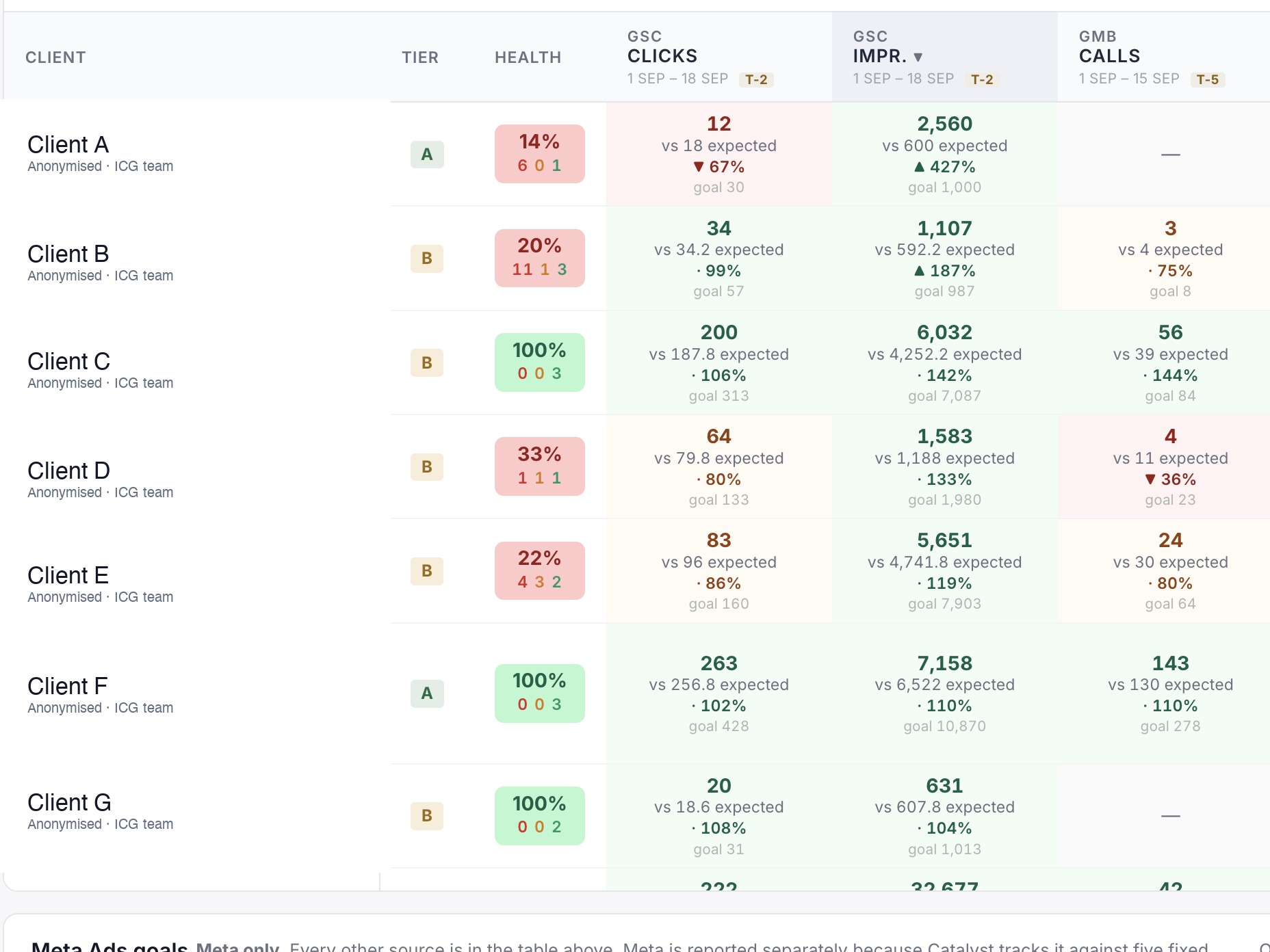
Live client dashboard. GSC, GA4, Google Ads, Meta Ads, IVR calls in one view. Login anytime, not monthly.
Phoenix
Clinic revenue intelligence over your PMS. Daily action queue: Prevent Loss, Maintain & Engage, Grow Revenue. Multi-centre rollout.
Or book a free 30-min audit to see all three in action on your account.
Healthcare brands
that already run on ICG.
A representative slice of the 150+ healthcare brands ICG has delivered for across India. Most engagements remain under NDA.


What ICG clients say · on video.
"Scale up of organic channels and business consulting. ICG has absolute domain authority in their field."
"Working with ICG transformed how we acquire IVF patients in Gurgaon. They understand the fertility journey from inquiry to consult..."
"What Ichelon accomplished — they got all my ideas and worked over 3-4 months to create an amazing, super-customised website."
The intelligence stack behind this playbook.
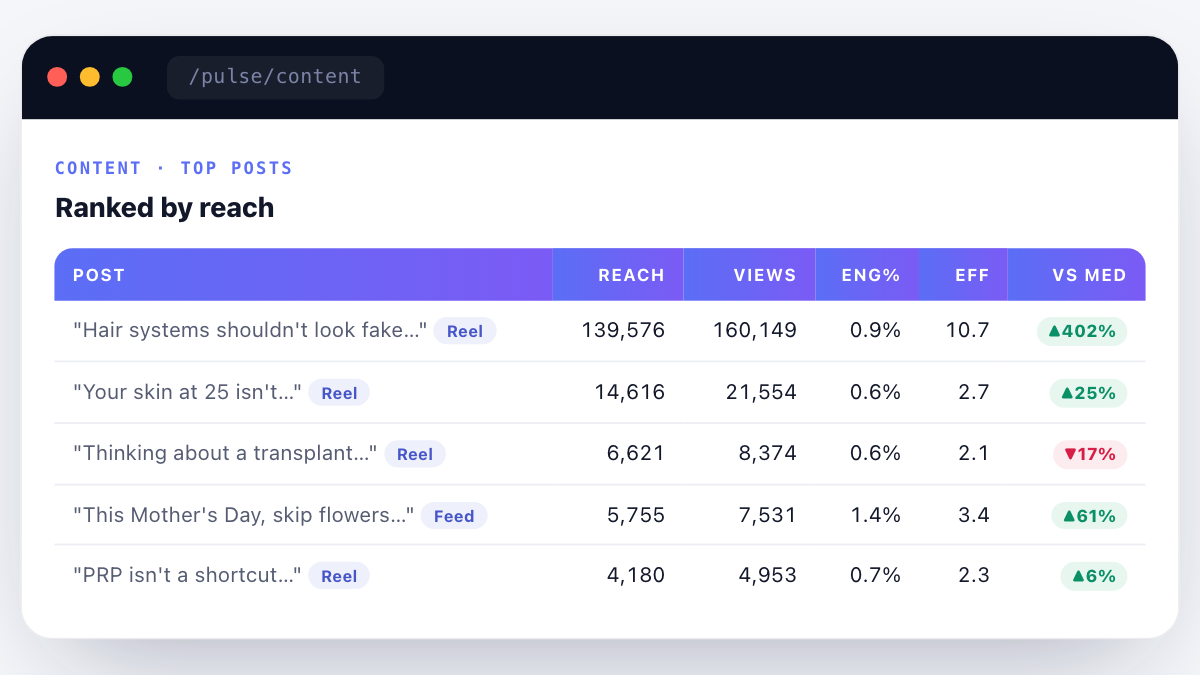
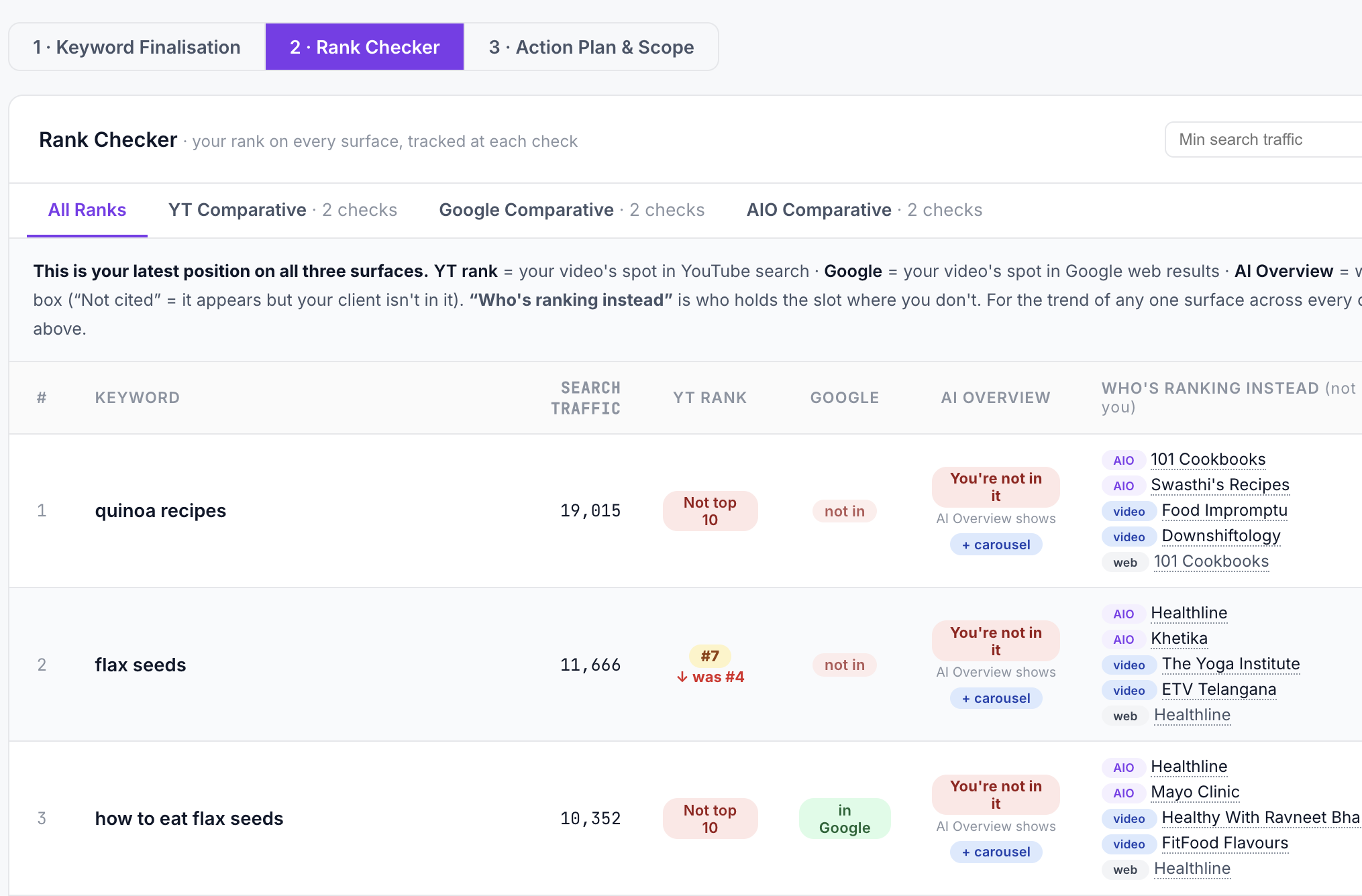
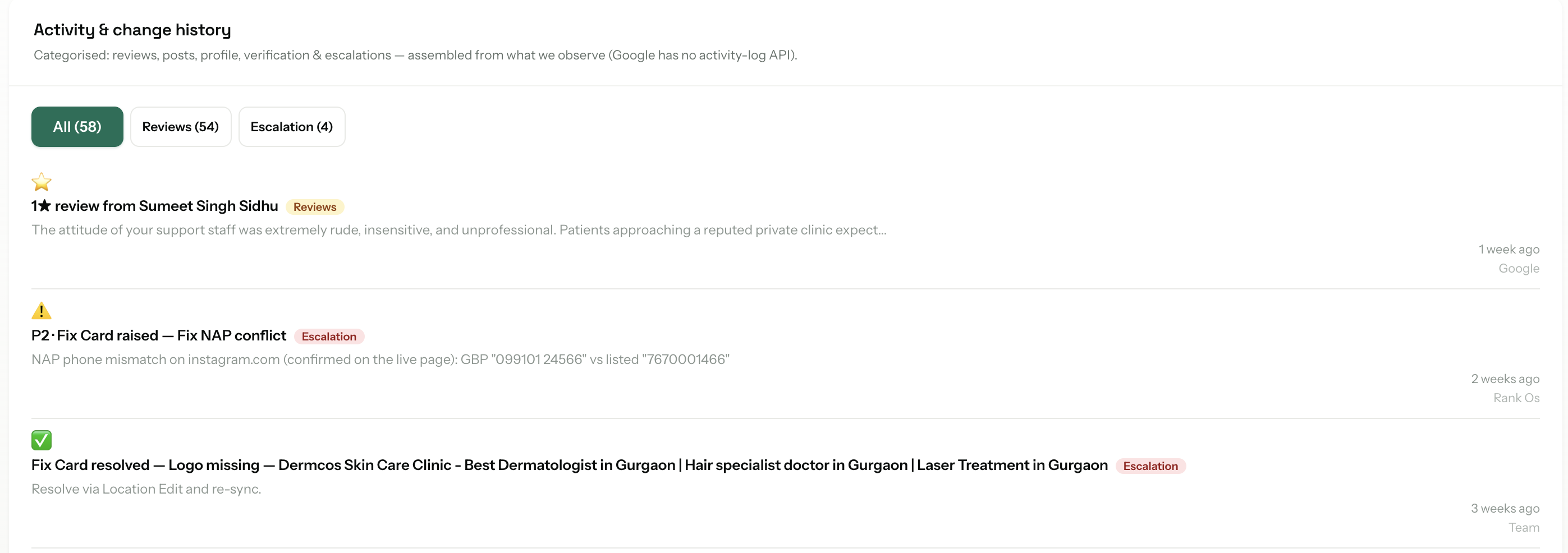
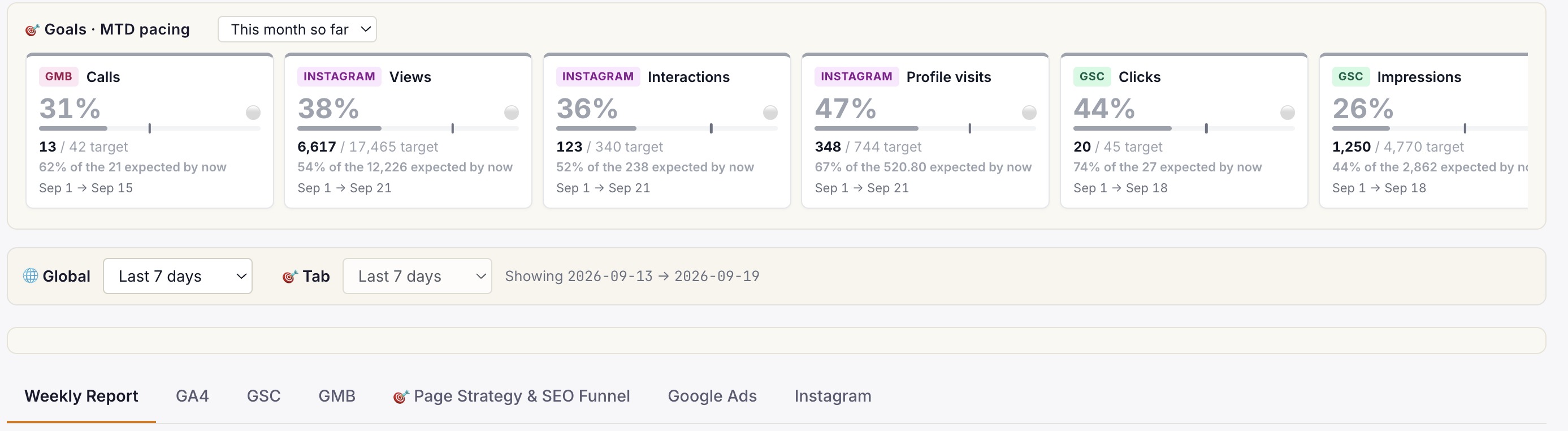
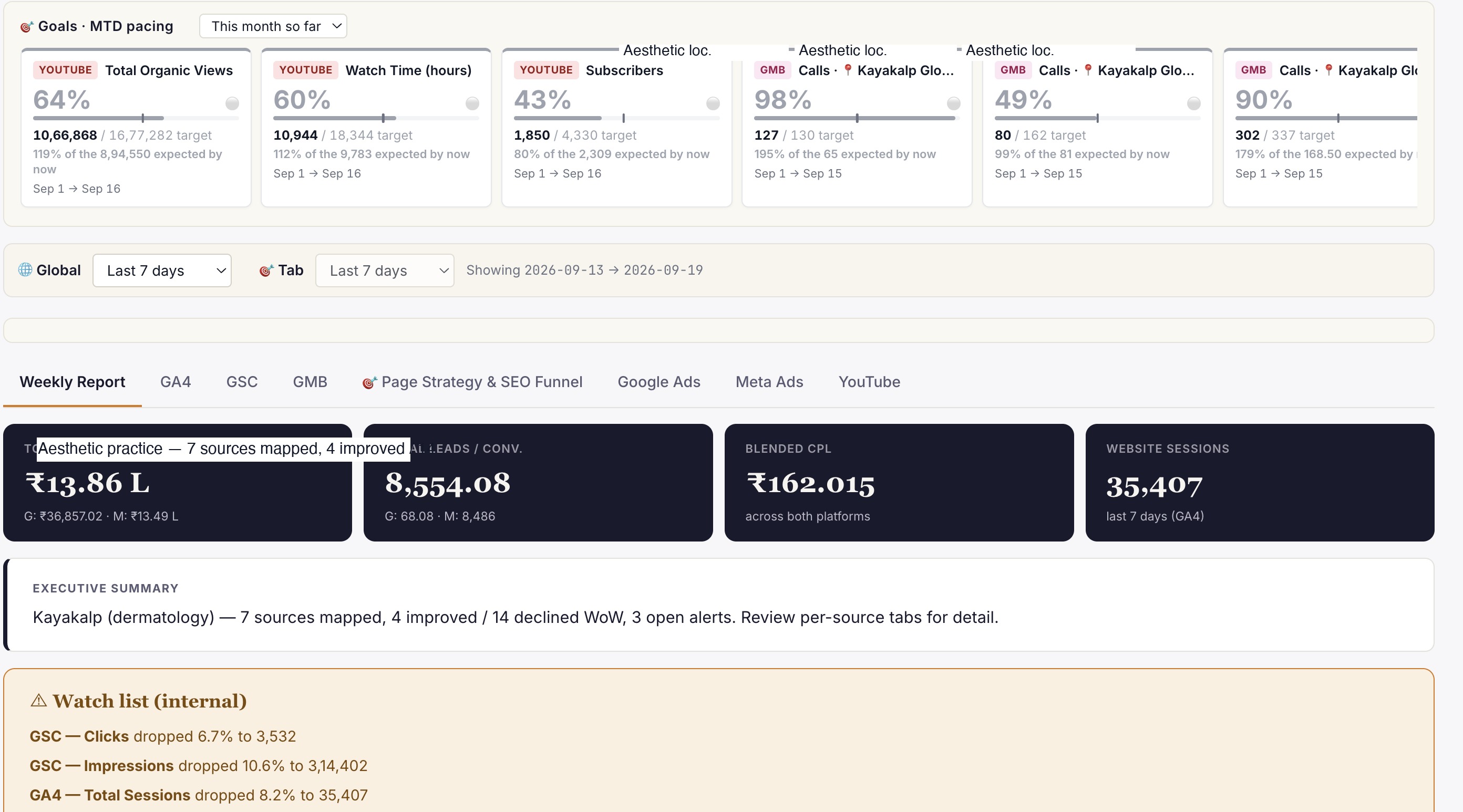
Every ICG engagement runs on the Search Intelligence Trifecta — Angryturtle for GMB, SIE for search and AI Overview, YODA for YouTube. Live product screens below.
Need help operationalising this?
Every ICG service is healthcare-only, NMC + DPDP-aware, and built around the patient-research patterns that drive Indian healthcare growth in 2026.
Every practice welcome — packages from ₹20,000/mo.
Goals-Driven engagements · Performance-Linked Payout Models available
More from
ICG.
Five trends shaping Indian healthcare marketing through 2027: AI-first patient research, Conversions API adoption, ABDM discovery, the AEO w...
Healthcare AIO is the discipline of getting your clinic or hospital cited inside Google AI Overviews, ChatGPT and Perplexity answers — not j...
Conversational-search advertising places brand messages inside AI chat answers — ChatGPT, Perplexity, Copilot — rather than beside a results...
Stop guessing.
Book a Diagnostic.
30 minutes. Free. With the AI-powered healthcare-only marketing agency 150+ brands already run on. No slides, no pitch, no hard close.


