


Eye hospital setup cost in India: ₹1.5 Cr - ₹35 Cr, and why OT throughput decides the return
Eye hospital setup cost in India runs from ₹1.5 Cr to ₹35 Cr, a spread ICG has tracked across its own ophthalmology engagement base. ₹1.5 Cr buys a single-OT, cataract-focused day-care centre: one phaco machine, refraction lanes, an optical dispensary. ₹35 Cr buys a multi-sub-spe
No pitch. Written root-cause diagnosis. AI-powered, healthcare only.
Direct answer
Eye hospital setup cost in India runs from ₹1.5 Cr to ₹35 Cr, a spread ICG has tracked across its own ophthalmology engagement base. ₹1.5 Cr buys a single-OT, cataract-focused day-care centre: one phaco machine, refraction lanes, an optical dispensary. ₹35 Cr buys a multi-sub-spe
TL;DR

Eye hospital setup cost in India runs from ₹1.5 Cr to ₹35 Cr, a spread ICG has tracked across its own ophthalmology engagement base. ₹1.5 Cr buys a single-OT, cataract-focused day-care centre: one phaco machine, refraction lanes, an optical dispensary. ₹35 Cr buys a multi-sub-specialty tertiary hospital with retina, cornea, glaucoma and paediatric ophthalmology, femtosecond and excimer lasers, and its own imaging suite. The fork between them is sub-specialisation, not scale.
Table of contents
- What a single operating slot buys, not what a bed buys
- Why a Tier 2 eye hospital can draw a bigger catchment than a Tier 1 one
- Cost drivers: one OT running eight cases beats three OTs running two each
- Revenue drivers: the optical dispensary turns a clinical visit into a retail sale
- Break-even: the clock runs whether or not the OT is booked
- The most common mistake: budgeting for beds and footfall instead of surgical slots
- FAQ
What a single operating slot buys, not what a bed buys
Eye hospital setup cost in India is best read per operating slot rather than per bed. A cardiac hospital's capital plan turns on cath-lab count; a general hospital's turns on beds and footfall. An eye hospital's turns on how many phaco cases one OT can run in a working day, because cataract surgery is a same-day, minutes-long procedure that never occupies a bed overnight in the first place.
₹1.5 Cr buys one phaco-equipped OT, refraction lanes and a dispensary attached to it — a complete, functioning cataract practice with nothing added on top. ₹35 Cr buys the same core plus retina, cornea, glaucoma and paediatric ophthalmology sub-specialties, femtosecond and excimer laser platforms for refractive work, and in-house diagnostic imaging. Anyone budgeting at the lower end is really pricing an ophthalmology clinic setup cost in India rather than a hospital, and the distinction matters because the two carry different registration and staffing obligations. Everything between those two figures is sub-specialty capability stacked onto the same basic unit, not additional beds. ICG's clinic setup cost guide covers the general capital-planning logic this fork sits inside; ICG's ophthalmology industry page covers positioning and referral questions the capital number alone doesn't answer.
Why a Tier 2 eye hospital can draw a bigger catchment than a Tier 1 one
Cataract backlog concentrates differently than general OPD footfall does. India's untreated cataract burden sits heavily in smaller towns and rural catchments that a Tier 1 hospital's location doesn't reach at all, which is why a well-placed Tier 2 or Tier 3 eye hospital can pull a surgical caseload a similarly sized Tier 1 clinic never sees.
Rent and staffing cost also move by tier, in the direction most founders expect: lower in Tier 2 and 3, higher in Tier 1, alongside a deeper pool of trained ophthalmic technicians and optometrists in the bigger cities.
Day-care surgical registration falls under the Clinical Establishments Act's classification-by-rule structure — the Act itself only authorises the Central Government to prescribe categories and standards for facilities like a day-care ophthalmic centre, leaving the specific state rule to set the fee and process. The Act's classification provision puts that authority in writing; a founder still has to check the state notification for what it actually costs. Biomedical waste authorisation sits alongside it as a second, separate licence.
Cost drivers: one OT running eight cases beats three OTs running two each
Cataract surgery under phaco takes minutes and the patient walks out the same day, so the number that decides an eye hospital's return isn't how many OTs exist, it's how many cases move through each one in a working day. An OT built for eight cases a day and actually running eight outperforms three OTs each running two, on the same capital base, because the second setup is paying for idle theatre time three times over instead of once.
Reading the comparison
The table below isn't a benchmark to copy — the specific case counts are illustrative, chosen to show the shape of the relationship, not a published industry figure. A hospital's real number depends on its own surgeon roster, case mix and turnaround time between patients, none of which are standard across the industry.
| Configuration | OTs | Illustrative cases/day (assumption, not a benchmark) | What limits the number |
|---|---|---|---|
| Single high-utilisation OT | 1 | 8 (assumed) | Surgeon availability, turnaround time between cases |
| Under-booked multi-OT setup | 3 | 2 each (assumed) | Staffing spread thin, surgeon time split across rooms |
| Fully staffed multi-OT setup | 3 | 8 each (assumed) | Same limits as the single-OT case, multiplied |
What the equipment line actually costs
What a phaco platform costs in India scales with the sub-specialty capability wrapped around it — a cataract-only unit needs one phaco machine, while a refractive-laser-equipped centre adds femtosecond and excimer platforms on top of it. Ophthalmology also carries no AERB exposure at all, since the standard equipment stack has no ionising radiation source in it — a real saving in licensing time against the cardiac and oncology builds that carry a radiation bunker or a cath-lab consenting process on top of everything else.
Revenue drivers: the optical dispensary turns a clinical visit into a retail sale
Every refraction visit can convert into a spectacle sale, which gives ophthalmology something almost no other clinical specialty has: a retail margin line attached directly to a consultation. Eye hospital revenue in India breaks into four distinct lines, and they behave nothing alike.
- Clinical and surgical revenue: cataract volume and refractive procedures, billed per case.
- Optical dispensary retail margin: the conversion from a refraction exam to a spectacle or lens sale, sitting on top of the clinical fee rather than replacing it.
- Government and NGO cataract-scheme volume: high case count, low realisation per case, and a capacity-allocation call rather than a pure pricing one. PM-JAY's own Health Benefit Package 2.2 manual sets ward and ICU per-bed-day rates — ₹1,800 for a routine ward day, ₹2,700 for high-dependency care, ₹3,600 for intensive care without ventilator support — and a ₹1 lakh ceiling on any single unspecified-procedure package inside an overall ₹5 lakh limit. The manual states no cataract-specific package rate, so a per-case scheme figure has to come from the relevant state health agency, not from the national HBP document. Source: HBP 2.2 manual
- Refractive surgery, LASIK and similar: elective, cash-pay, and the one line where patient-acquisition cost genuinely drives the P&L rather than clinical capacity.
Break-even: the clock runs whether or not the OT is booked
An OT and the phaco platform inside it depreciate on the same schedule whether a case is booked into that slot or not, so every unbooked hour is a real cost against break-even, not a neutral gap in the calendar. Eye hospital break even is better tracked against surgeon-hours booked per week than against months since opening, because two hospitals that opened on the same date can be on entirely different break-even paths depending on how full their surgical calendar actually runs.
Refractive and LASIK volume is the one lever that moves fastest here, since it's cash-pay and responds directly to marketing spend in a way scheme-driven cataract volume doesn't. A hospital that fills idle OT hours with acquired refractive cases shortens its own break-even path; one that leaves those hours empty is carrying the same depreciation with none of the offsetting revenue.
The most common mistake: budgeting for beds and footfall instead of surgical slots
The recurring mistake in ophthalmic capital planning is assuming more OTs and more beds automatically buy more return. They don't, on their own — the utilisation ceiling covered above means a third OT only adds return if there's a surgeon roster and staffing plan to actually fill it with cases, and plenty of new builds add the room before they've solved for the roster.
Refractive and LASIK's cash-pay, marketing-sensitive nature means acquisition cost, not clinical capacity, is often the real constraint on that revenue line once the OT itself is running efficiently. ICG's marketing engagement typically accounts for engagement-specific and clinic-model-dependent; see CPQL benchmarks for methodology of this clinic type's opex, benchmarked against no published specialty benchmark exists; see CPQL benchmarks for national average methodology — see ICG's CPQL benchmarks. What is measurable across the portfolio: ICG's public CPQL dataset (272 engagements across 16 specialties) puts the median cost per qualified lead at ₹1,220 against a ₹2,100 market median. ICG's ophthalmology marketing page covers the acquisition-cost question this section only opens.
The cost to start an eye hospital in India is, in the end, less a question of how big to build than of how many surgical slots the practice can keep full from the day it opens.
FAQ

What's the realistic entry point to open a single-OT cataract-focused day-care eye hospital in India? ₹1.5 Cr, drawn from ICG's own engagement base, buys one phaco-equipped OT, refraction lanes and an attached optical dispensary. That figure assumes a cataract-only scope with no refractive laser platform or additional sub-specialty added on top.
What does a tertiary, multi-sub-specialty eye hospital cost, and what does that extra capital actually buy? ₹35 Cr sits at the top of ICG's range and buys retina, cornea, glaucoma and paediatric ophthalmology sub-specialties alongside femtosecond and excimer laser platforms and in-house diagnostic imaging. The jump from ₹1.5 Cr isn't more beds, it's more sub-specialty capability stacked on the same operating-slot unit.
Does an eye hospital need an AERB licence? No. The standard ophthalmic equipment stack has no ionising radiation source in it, so AERB's radiation-licensing regime doesn't apply the way it does to a cardiac cath lab or an oncology linac. That's real licensing time saved compared to those two specialties.
How many OTs does an eye hospital actually need to be profitable? Fewer than most founders assume, if the one OT they have is running near its case-per-day ceiling. A single well-utilised OT can outperform three that are each running a fraction of their capacity, because the return comes from cases moved per slot, not slots built.
Is taking government or NGO cataract-scheme volume worth it for a private eye hospital? It's a capacity-allocation decision more than a pricing one. Scheme volume is high in count and low in per-case realisation, and PM-JAY's own package rates don't include a cataract-specific figure, so any state-scheme number has to come from that state's own health agency rather than the national manual.
How much revenue can an in-house optical dispensary realistically add? It depends on the refraction-to-sale conversion the practice actually achieves. What is structurally true is that an optical dispensary attaches retail margin to a clinical visit, which very few specialties can do at all — so the dispensary is worth modelling as its own revenue line rather than as a convenience for patients.
What licences does a day-care ophthalmic surgical centre need before it can operate? Day-care surgical registration under the state's Clinical Establishments Act rules and biomedical waste authorisation are the two floor requirements. The central Act only authorises the categories and standards; the actual fee and process sit with the state notification.
Why does refractive or LASIK surgery need a different marketing approach than cataract volume? Cataract volume is often scheme-driven or referral-driven and doesn't depend heavily on acquisition spend. Refractive surgery is elective and cash-pay, so patient-acquisition cost directly drives its P&L in a way the rest of the practice's revenue doesn't.
What's a realistic break-even timeline for a new eye hospital? It tracks more usefully against surgeon-hours booked per week than against months since opening, since an OT depreciates on the same schedule whether or not it's booked.
Is a phaco machine the biggest line item in setup cost? Not on its own — its price scales with the sub-specialty capability wrapped around it, and a refractive-laser-equipped centre adds femtosecond and excimer platforms that cost more than the base phaco unit.
Written by Rohit Gupta, Co-Founder, Business & Growth. Reviewed by Abhash Kumar, Co-Founder, Strategy.
Neither the author nor the reviewer is a clinician; this is a capital-planning and marketing-economics analysis, not clinical or medico-legal advice.
Book a free 60-minute business-model review.
Rohit Gupta walks through your capex plan, city mix, breakeven assumptions and what marketing spend will actually cost against your revenue projections.
The three platforms
behind every ICG engagement.
Beacon
CAPI middleware that fixes Event Match Quality, translates CRM statuses to Meta-standard events, dedups across channels.
Agency OS
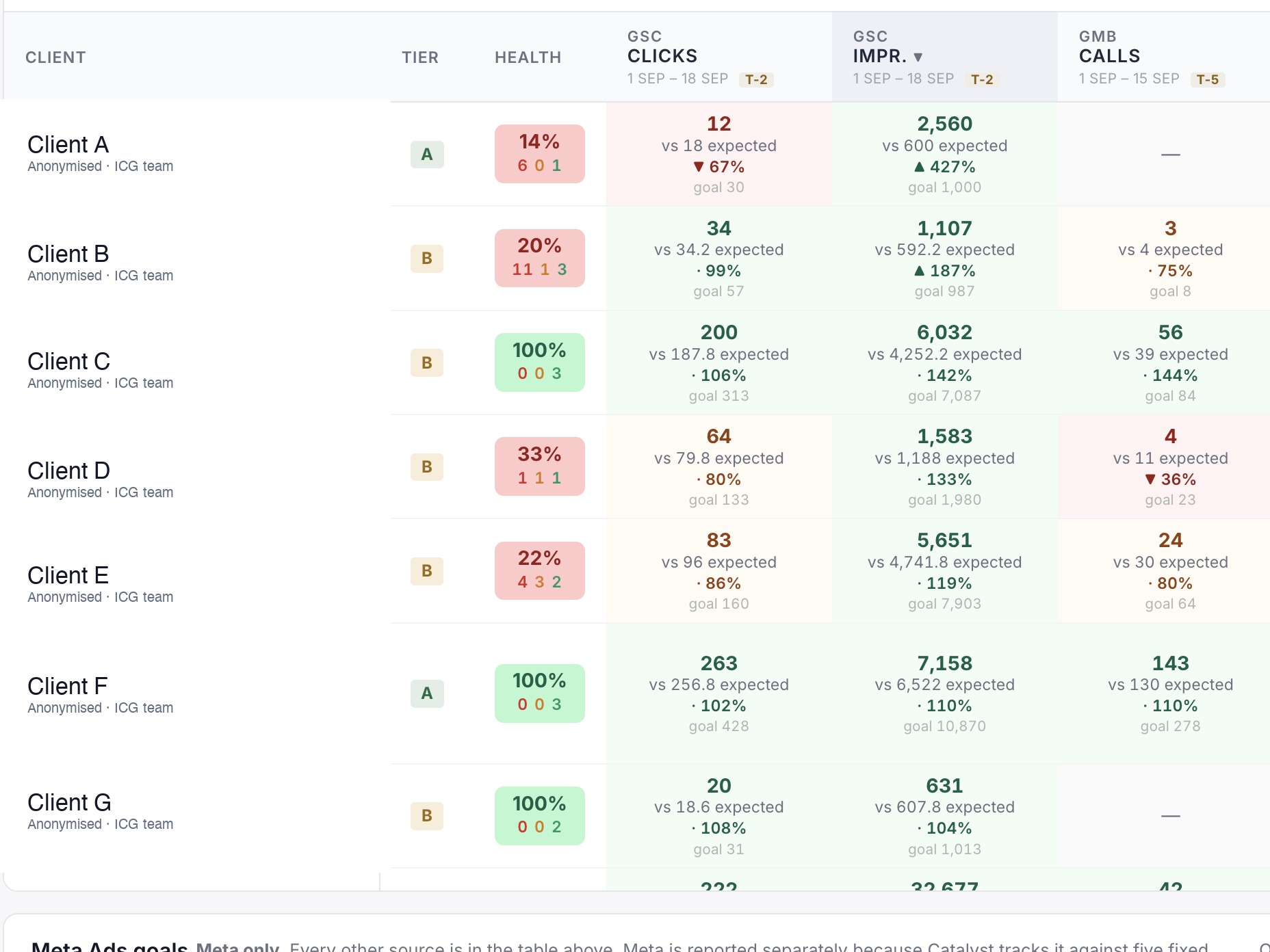
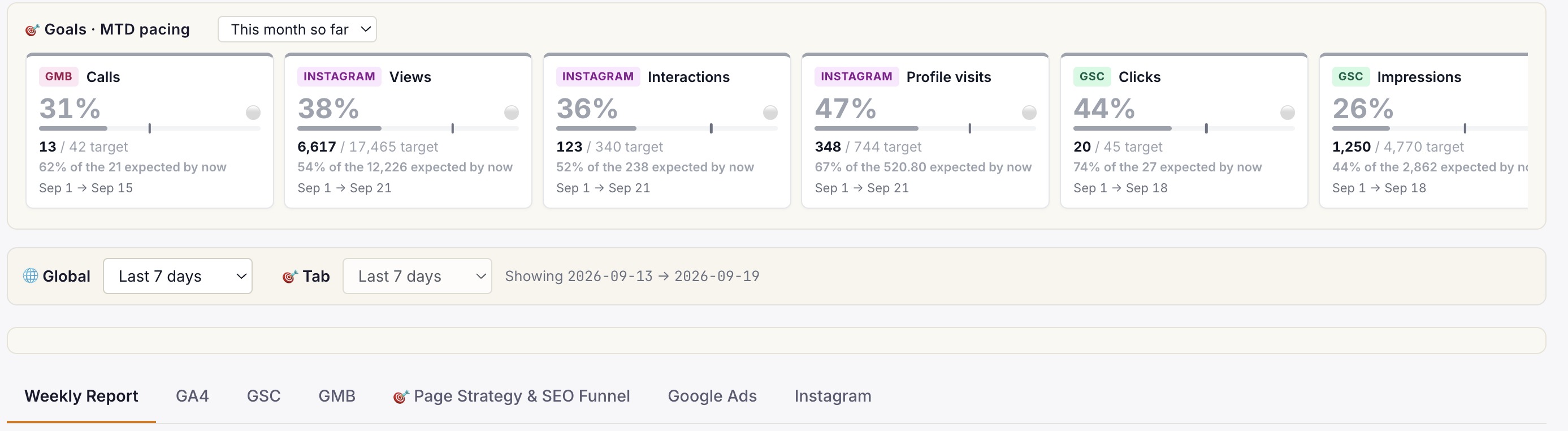
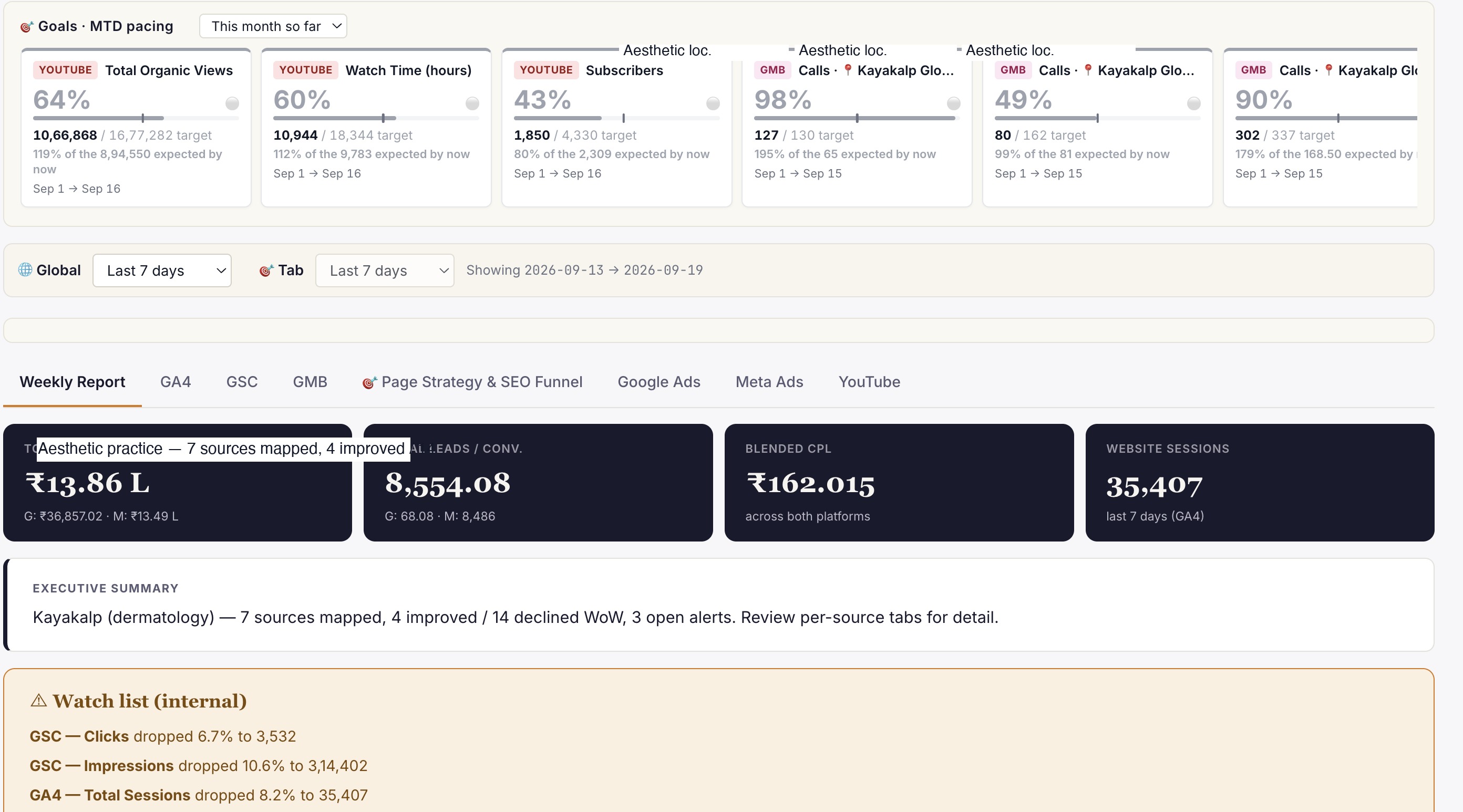
Live client dashboard. GSC, GA4, Google Ads, Meta Ads, IVR calls in one view. Login anytime, not monthly.
Phoenix
Clinic revenue intelligence over your PMS. Daily action queue: Prevent Loss, Maintain & Engage, Grow Revenue. Multi-centre rollout.
Or book a free 30-min audit to see all three in action on your account.
Healthcare brands
that already run on ICG.
A representative slice of the 150+ healthcare brands ICG has delivered for across India. Most engagements remain under NDA.


What ICG clients say · on video.
"ICG's healthcare-only focus made the difference. They speak our language and understand patient acquisition specifics."
"Bariatric surgery patients need a long consideration cycle. ICG built a content + paid system that respects that timeline."
"Dental marketing in Delhi is brutally competitive. ICG's local SEO + Google Ads stack moved the needle steadily."
Need help operationalising this?
Every ICG service is healthcare-only, NMC + DPDP-aware, and built around the patient-research patterns that drive Indian healthcare growth in 2026.
Every practice welcome — packages from ₹20,000/mo.
Goals-Driven engagements · Performance-Linked Payout Models available
More from
ICG.
Five trends shaping Indian healthcare marketing through 2027: AI-first patient research, Conversions API adoption, ABDM discovery, the AEO w...
Healthcare AIO is the discipline of getting your clinic or hospital cited inside Google AI Overviews, ChatGPT and Perplexity answers — not j...
Conversational-search advertising places brand messages inside AI chat answers — ChatGPT, Perplexity, Copilot — rather than beside a results...
Stop guessing.
Book a Diagnostic.
30 minutes. Free. With the AI-powered healthcare-only marketing agency 150+ brands already run on. No slides, no pitch, no hard close.


