


EMR vs EHR vs HIS in India: The 2026 Buyer Comparison Framework
Most Indian healthcare buyers walk into an EMR demo and walk out with an HIS quote. That is because nobody explains where one category ends and the next begins. This buyer framework fixes that at the feature level, tier by tier, in an Indian context.
No pitch. Written root-cause diagnosis. AI-powered, healthcare only.
Direct answer
Most Indian healthcare buyers walk into an EMR demo and walk out with an HIS quote. That is because nobody explains where one category ends and the next begins. This buyer framework fixes that at the feature level, tier by tier, in an Indian context.
TL;DR
TL;DR — the 60-second answer
- EMR is a digital chart for one practice. It lives inside your OPD room and rarely leaves it. Best for single-doctor clinics, small dental setups, and specialty consultants who bill on cash-and-carry.
- EHR is a longitudinal patient record that moves across providers. In India, the meaningful EHR is the one that speaks ABDM — ABHA linking, HIP/HIU roles, consent artefacts. Best for multi-location clinic chains, day-care surgery centres, IVF and dental groups.
- HIS is a hospital operating system — OPD, IPD, OT, Pharmacy, Lab, Radiology, Billing, TPA, RCM, HR — the whole factory floor. Only makes sense above roughly 40-50 beds or when insurance revenue crosses about 30% of the topline.
- India-specific decision drivers that most global buyer guides miss: ABDM stack readiness, DPDP Act 2023 consent handling, TPA + PMJAY workflow, and the sneaky GST-on-SaaS line that bloats 3-year TCO.
- The most expensive mistake in the market right now is buying a full HIS to solve an EMR-shaped problem. The second most expensive is buying an EMR and then bolting on eight point-tools because the category cannot grow with the business.
Table of contents
- Why this comparison matters for the Indian buyer
- The eight axes we compare on
- Main comparison table
- Per-axis deep dive
- Which category fits which buyer
- Where ICG fits as a neutral advisor
- Marketing services pricing: the 70-30 model
- FAQ
Why this comparison matters for the Indian buyer
Three years ago this question was almost academic. A clinic bought an EMR because the neighbouring clinic bought one. A hospital bought a HIS because the board said so. Choices were driven by vendor relationships, not by category logic.
That is no longer a safe way to spend. Four forces have changed the ground under Indian healthcare technology in the last twenty-four months.
First, ABDM has matured from a policy document into a working stack. ABHA numbers, health facility registries, HIP/HIU flows, and consent artefacts are now table-stakes for any provider that wants portable records — and increasingly for TPAs asking for structured discharge summaries. A record system that cannot participate in ABDM is not just old-fashioned. It is a rising liability at renewal time.
Second, the DPDP Act 2023 puts real teeth behind patient consent. Health data is treated as sensitive, cross-border transfer needs a lawful basis, and the "purpose limitation" principle means a marketing team cannot casually pull data from the clinical record. That single sentence rewires how EMR, EHR and HIS should talk to CRM and marketing systems.
Third, the NMC's Telemedicine Practice Guidelines and the tightening around registered medical practitioners mean that record-keeping is auditable in a way it simply was not five years ago. Prescription authorship, timestamps, and identity attestation are now part of the medico-legal record.
Fourth, the capital environment for provider chains has cooled. Nobody is buying an eight-lakh-rupee-per-month HIS on optimism anymore. Every rupee needs a payback story — beds filled faster, TPA cycle shortened, OPD no-shows reduced, pharmacy leakage plugged.
Add these four together and the old habit of asking "which vendor" without first asking "which category" starts to look expensive. This guide is designed to fix the category question first. The vendor question comes later, and gets a lot easier once the category is right.
The eight axes we compare on
Most Indian buyers approach this decision through a two-column axis — price and features. That is not enough. A record system touches clinical safety, revenue leakage, marketing enablement, and legal exposure. We use eight axes with our advisory clients, and we have kept the same set here so you can benchmark any shortlist you already have.
- Scope of the record — single encounter, longitudinal patient journey, or whole-facility.
- ABDM readiness — is the category natively HIP/HIU aware, or is ABDM a bolt-on module.
- DPDP Act 2023 posture — consent artefacts, purpose limitation, data-fiduciary duties.
- Workflow depth — how far the category reaches beyond the consulting room.
- Integration surface — PACS, LIS, HL7/FHIR, PMS, marketing CRM, WhatsApp Business API.
- Deployment model — pure SaaS, hybrid, or on-premise appliance.
- Cost structure — per-user, per-bed, one-time-plus-AMC, or true subscription.
- 3-year total cost of ownership — everything above rolled up, including implementation, training, GST, downtime insurance, and the migration cost when you outgrow the category.
Main comparison table
The table below reads by row. Each row is one axis. Columns are the three category tiers plus a fourth column for buyers who realistically live at the boundary between two tiers.
| Axis | EMR (single-practice) | EHR (network / ABDM-native) | HIS (enterprise hospital) | Hybrid / overlay tier |
|---|---|---|---|---|
| Scope of record | Encounter-level, inside one clinic | Longitudinal, portable across HIPs | Facility-wide, from admission to discharge | EHR core + HIS-lite modules |
| ABDM readiness | Bolt-on module, often optional | Native HIP/HIU, consent artefacts first-class | Enterprise HIP registration, deeper linkage | Native HIP + module-level HIU |
| DPDP Act 2023 posture | Basic consent capture | Purpose-scoped consent, revocation flows | Data-fiduciary tooling, DPO dashboards | Purpose-scoped + role-based redaction |
| Workflow depth | OPD notes, Rx, basic billing | OPD + day-care + soft IPD + basic pharmacy | OPD, IPD, OT, ICU, Pharmacy, Lab, Radiology, RCM | EHR + surgical scheduling + TPA basics |
| Integration surface | PMS + WhatsApp; limited HL7 | FHIR-first, PACS/LIS via APIs, CRM bridge | Deep HL7/FHIR, PACS, LIS, ERP, HR, TPA gateways | FHIR + PACS + LIS + marketing CRM |
| Deployment model | Pure SaaS, single-tenant option rare | Multi-tenant SaaS, private-region hosting | On-prem, private-cloud, or hybrid appliance | Private-cloud SaaS |
| Typical cost band | Rs 1,500 - Rs 6,000 per doctor / month | Rs 25,000 - Rs 1.5 L per site / month | Rs 3 L - Rs 25 L / month or one-time Rs 40 L+ | Rs 75,000 - Rs 3 L / month |
| 3-year TCO signal | Low sticker, high fragmentation cost | Medium sticker, best ratio for growing chains | High sticker, lowest cost per bed at scale | Medium-high sticker, minimises rip-and-replace |
Per-axis deep dive
1. Scope of the record
An EMR is designed around the encounter. A patient walks in, the doctor writes notes, a prescription is generated, a bill is raised. When the patient walks out, the record's job is essentially done. That model works beautifully for a solo cardiologist or a two-chair dental clinic where continuity of care is guaranteed by the fact that the same doctor sees the same patient.
The moment you have more than one provider touching the same patient, the encounter-level scope starts to leak. Referrals get lost in WhatsApp. Lab results sit in email. Prescription history has to be re-collected verbally. That is where an EHR earns its keep — it treats the patient, not the encounter, as the unit of record.
HIS goes one further. It treats the facility as the unit of record. A patient in an HIS is simultaneously a case sheet in Cardiology, a bed number in Ward 4, a chargeable line in Pharmacy, a claim under a TPA, and a scheduled slot on OT-2. The record system has to reconcile all of that in near real time or the hospital bleeds.
2. ABDM readiness
This is where Indian buyer guides tend to be weakest. ABDM is not a "compliance tick" module you buy and forget. A truly ABDM-native system treats the ABHA number the way an EMR treats the patient ID — as the primary key. Care contexts are linked automatically. Consent artefacts are generated per fetch, not per patient. Discharge summaries are structured as FHIR bundles so a TPA or a fellow provider can consume them cleanly.
A category-A EMR usually offers ABDM as an add-on that pushes summaries once a week. An ABDM-native EHR embeds HIP flows in the daily workflow. An enterprise HIS goes further and offers HIU capability so a specialist inside the hospital can pull a patient's cardiac history from another provider with consent, at the bedside.
3. DPDP Act 2023 posture
The DPDP Act treats health data as sensitive. Consent must be purpose-scoped, revocable, and auditable. The marketing team pulling patient contacts to send a WhatsApp campaign for a new IVF package is a lawful activity only if that specific purpose was consented to.
An EMR typically stops at capturing a signed consent form. An EHR built after 2023 usually models consent as an artefact — with purpose, scope, and expiry attached — and can revoke access downstream. An enterprise HIS goes further with data-fiduciary tooling: DPO dashboards, breach notification workflows, cross-border data-flow controls, and role-based redaction so a pharmacy clerk cannot see a psychiatric note.
4. Workflow depth
An EMR handles OPD notes, prescriptions, and a basic bill. If your business is a specialist clinic that bills at the counter, that is enough. An EHR extends into day-care, soft IPD, and light pharmacy — the workflows a multi-location clinic or an IVF chain actually runs.
An HIS is where the factory floor lives. IPD admission, OT scheduling, ICU charting, floor-wise pharmacy indent, doctor-wise consumables reconciliation, TPA pre-auth queues, discharge-to-billing handoff, and the audit trail that lets a CFO answer why yesterday's revenue was Rs 4 L lower than the day before. The workflow depth is what separates a Rs 15,000-per-month product from a Rs 5-lakh-per-month product.
5. Integration surface
The integration story is where category boundaries either save you or crush you. An EMR usually integrates with a PMS and a WhatsApp gateway. That is sufficient at low volume.
An EHR is expected to speak FHIR fluently, integrate with PACS for imaging, with LIS for lab, with a marketing CRM for the funnel, and increasingly with a homegrown patient app. A modern EHR treats APIs as a product, not a favour.
An HIS lives at the top of an integration pyramid — HL7 v2, FHIR R4, DICOM, PACS, LIS, ERP for finance, HRIS for staffing, TPA gateways for insurance, PMJAY connectors, and often a corporate data warehouse. If your provider is not comfortable running that pyramid, the integration bill alone will double the sticker price.
6. Deployment model
EMRs are pure SaaS today. That is fine — the clinical risk is contained. EHRs are typically multi-tenant SaaS but the better ones offer private-region hosting inside India, which matters both for DPDP and for TPA audits.
HIS is where deployment gets interesting. Larger hospitals often want on-premise or hybrid appliances — partly for latency in the ICU, partly for internet redundancy, and partly because their internal audit team is uncomfortable with clinical data sitting in a shared cloud tenant. This decision alone can swing the TCO by Rs 40-60 lakh over three years.
7. Cost structure
EMRs are usually priced per doctor per month, sometimes with a chair or seat variant for dental and salon-adjacent categories. The all-in for a two-chair dental clinic sits comfortably between Rs 3,000 and Rs 12,000 a month.
EHRs move to a per-site or per-provider-network model. Expect Rs 25,000 to Rs 1.5 lakh per site per month for a network EHR with ABDM, CRM bridge, and basic RCM. Implementation is usually a separate Rs 1-4 lakh one-time.
HIS is priced per bed per month, or as a large one-time licence with an AMC. Typical cash-outflow for a 100-bed multispecialty hospital runs Rs 3-8 lakh per month all-in once you include implementation amortisation, integration, and support.
The overlay tier — categories like RCM engines and hospital-CRM overlays — sits between EHR and HIS on price. This is where products like HealthPro 360 from our stack (Rs 14,999 per month) or a light-touch CRM like AtomCRM (Rs 14,999 per month) fill gaps that neither an EHR nor an HIS handles well — patient acquisition, doctor-wise ROI, and marketing attribution.
8. 3-year TCO
The sticker price lies. What matters is what you actually spend over 36 months. For an EMR, the hidden cost is fragmentation — a clinic that adds a CRM, a WhatsApp tool, an appointment engine, and a review-management product typically ends up spending 3x its original EMR sticker.
For an EHR, the hidden cost is migration risk if the network grows past the category's ceiling. Rip-and-replace at year three can cost Rs 40-80 lakh in data migration, retraining, and lost revenue during the switch.
For an HIS, the hidden cost is customisation and internal IT staffing. A 100-bed hospital typically needs at least one full-time HIS administrator and a partial DBA. That is Rs 15-25 lakh a year in headcount before the software fee.
Which category fits which buyer
Archetype A — single-specialty clinic (dental, dermatology, physiotherapy, IVF single centre)
Pick an EMR. Add a lightweight patient CRM if lead volume crosses 300 enquiries a month. Do not buy an EHR for the "future" you might have in three years — the migration cost from EMR to EHR is much lower than the running cost of an over-sized EHR you underuse. Budget Rs 3,000-Rs 12,000 per month for the EMR itself. Layer a CRM like AtomCRM at Rs 14,999 per month once your funnel deserves it.
Archetype B — multi-location clinic chain or day-care surgery network (3-15 sites)
Pick an ABDM-native EHR. This is the sweet spot the Indian market has under-served for years. You want longitudinal records across sites, consent artefacts, WhatsApp Business API integration, and a marketing CRM that talks to the clinical system without violating DPDP purpose limitation. Budget Rs 25,000-Rs 1.5 lakh per site per month, plus a one-time implementation of Rs 2-5 lakh across the network. Add a hospital-CRM overlay only if your funnel size justifies dedicated attribution.
Archetype C — 40 to 120-bed multispecialty hospital
This is the hardest decision on the market. You can either buy a mid-tier HIS (Rs 2-5 lakh per month) or run an EHR-plus-overlay pattern. The right answer depends on how much of your revenue is TPA-driven. If it is more than about 30%, buy the HIS — the TPA workflow, PMJAY connectors, and floor-wise pharmacy alone justify it. If it is under 20% and you are largely OPD-cash, an EHR plus an overlay like HealthPro 360 at Rs 14,999 per month for RCM and marketing attribution is usually the better bet.
Archetype D — 150-bed-plus enterprise hospital or hospital chain
Pick a full enterprise HIS. The cost per bed drops as you scale, the integration story only works with a proper HIS backbone, and the audit posture your board will want is difficult to fake with an overlay pattern. Expect Rs 3-8 lakh a month all-in, plus internal IT headcount.
Where ICG fits — as a neutral category advisor, not a reseller
Ichelon Consulting Group is India's AI-first healthcare marketing agency. We do not sell EMRs or HIS platforms and we do not take referral fees from health-IT vendors. What we do run is the front office that the record system feeds into and gets fed by — marketing, patient acquisition, funnel management, doctor-wise attribution, review management, and the marketing-CRM layer.
Because our stack sits directly downstream of whatever record system you choose, we spend a lot of time helping clients avoid the two most expensive mistakes in this decision. First, buying "up" a tier — a HIS when an EHR would do — because the vendor demo was slick. Second, buying "down" a tier — an EMR when an EHR is the honest answer — because the sticker is friendlier. Both mistakes end in a rip-and-replace within 18 months.
Our products — Angryturtle for Google Business Profile, YODA for YouTube SEO and AIO, Meta Catalyst IQ for Meta Ads, Prism Spy for competitor Meta ad intelligence, and Prism Pulse for Instagram analytics — are all designed to integrate above the record system, not compete with it. That neutrality is what lets us give you an honest category recommendation before a single rupee is spent on the wrong tier.
Marketing services pricing — the 70-30 model
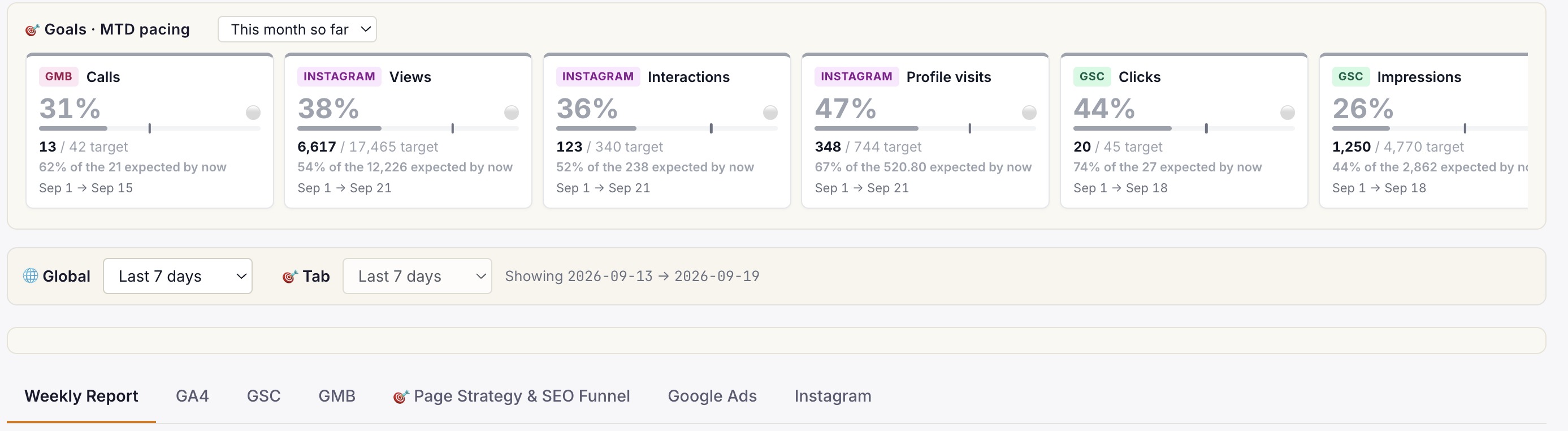
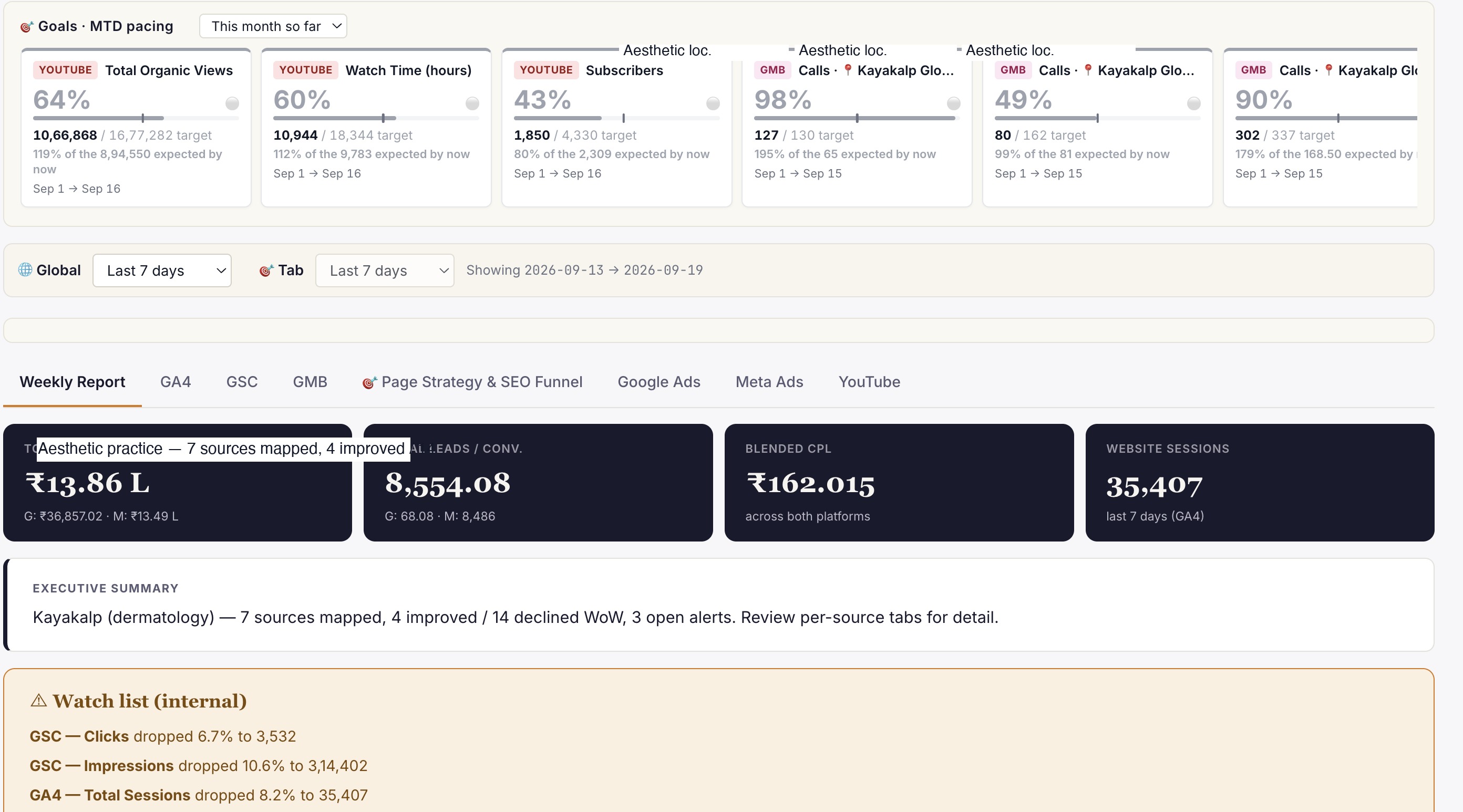
 Meta Catalyst IQ SLC Framework view scoring Meta Ads accounts across Setup, Learning and Compounding phases with per-phase health metrics" width="1200" height="675" loading="lazy" decoding="async" style="width:100%;height:auto;display:block;">
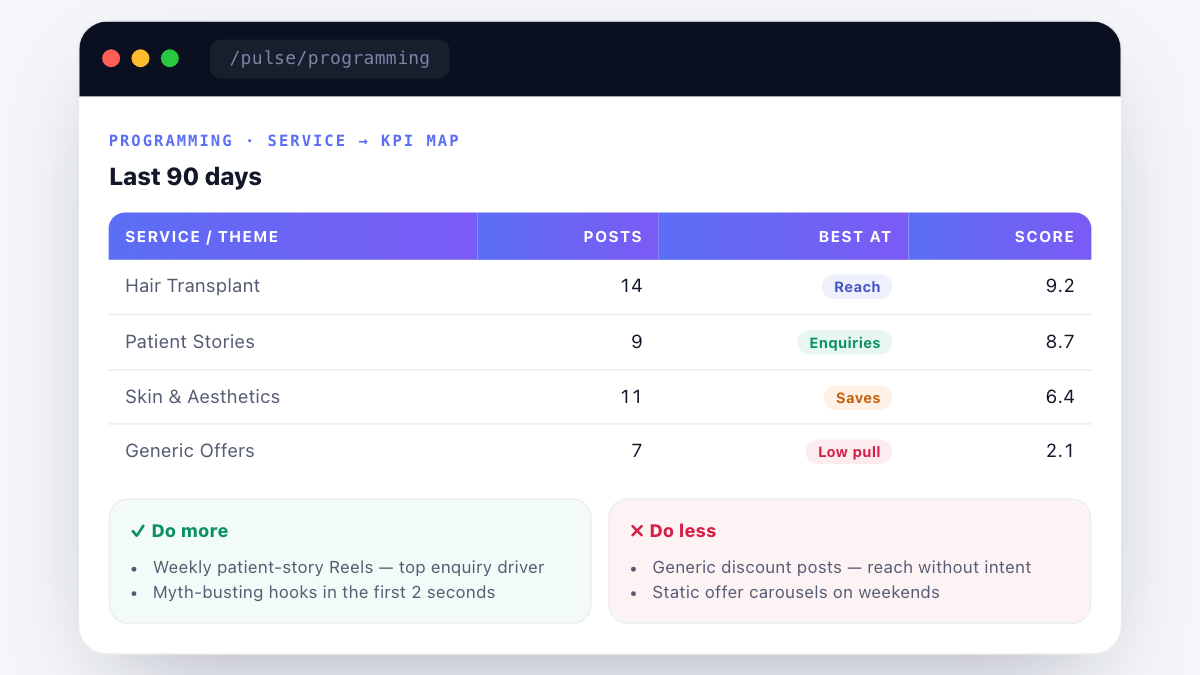 Prism Pulse Programming view mapping content pillars to Instagram KPIs with a do-more and do-less recommendation matrix for a healthcare account" width="1200" height="675" loading="lazy" decoding="async" style="width:100%;height:auto;display:block;">
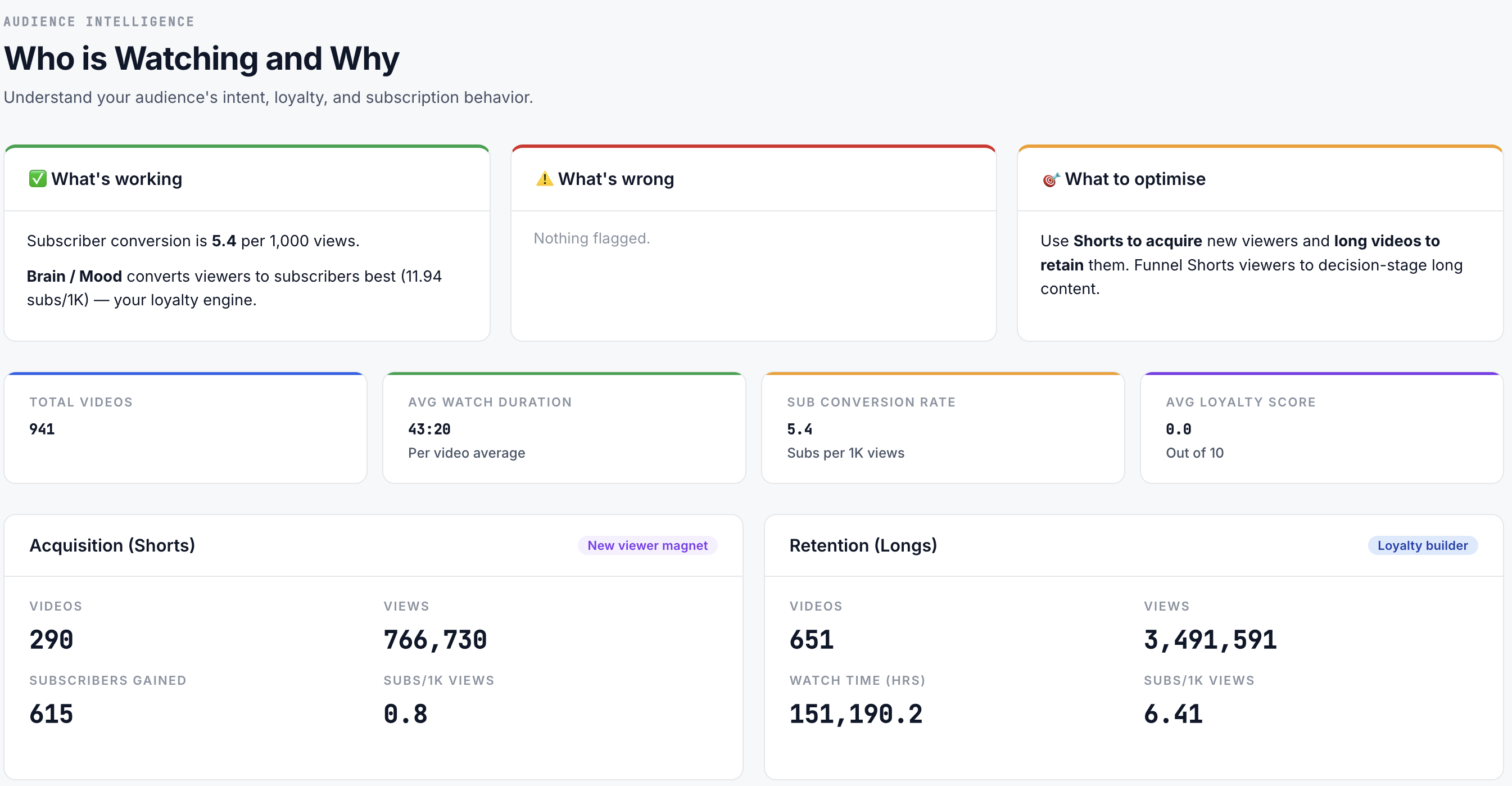
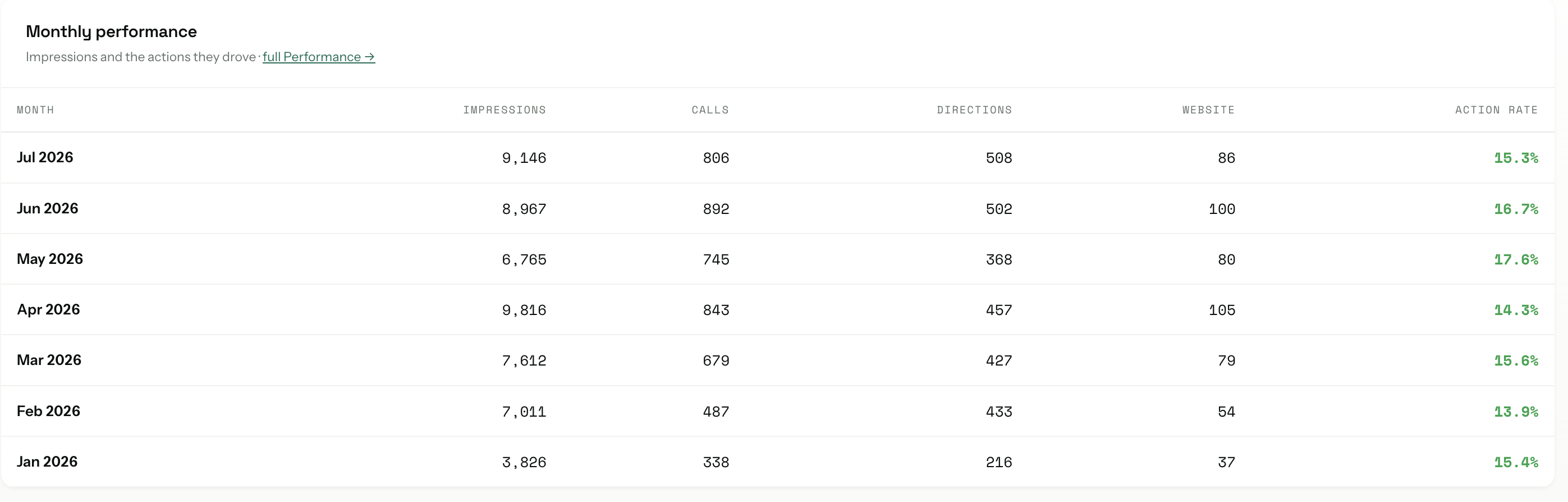
Whichever record-system category you land on, the marketing pipeline that feeds it is a separate spend. We publish our pricing openly because opacity in this market has done enough damage.
- Foundation — Rs 49,999 per month. Full-funnel SEO baseline for a single-specialty clinic or a small chain up to three sites.
- Growth — Rs 74,999 per month. The default for growing clinic networks and 40-100-bed hospitals.
- Scale — Rs 99,999 per month. Multi-city chains, enterprise hospitals, and provider groups running national-level campaigns.
All three sit inside a 70-30 outcome model. Seventy per cent of the fee is fixed and covers the guaranteed scope. Thirty per cent is tied to the 12-month traffic and lead target on a sliding-scale slab. If we miss the target, we do not earn the outcome portion. If we exceed it materially, the slab flexes up. The same model extends to Google Ads (5 L+ monthly ad budgets) and YouTube / AIO SEO (from 50 K per month).
FAQ
Book a free 30-minute Brand & Growth Diagnostic.
It's a working session, not a sales pitch — you leave with a written root-cause analysis you can act on, whether or not you engage ICG.
Questions readers ask
about this topic.
The three platforms
behind every ICG engagement.
Beacon
CAPI middleware that fixes Event Match Quality, translates CRM statuses to Meta-standard events, dedups across channels.
Agency OS
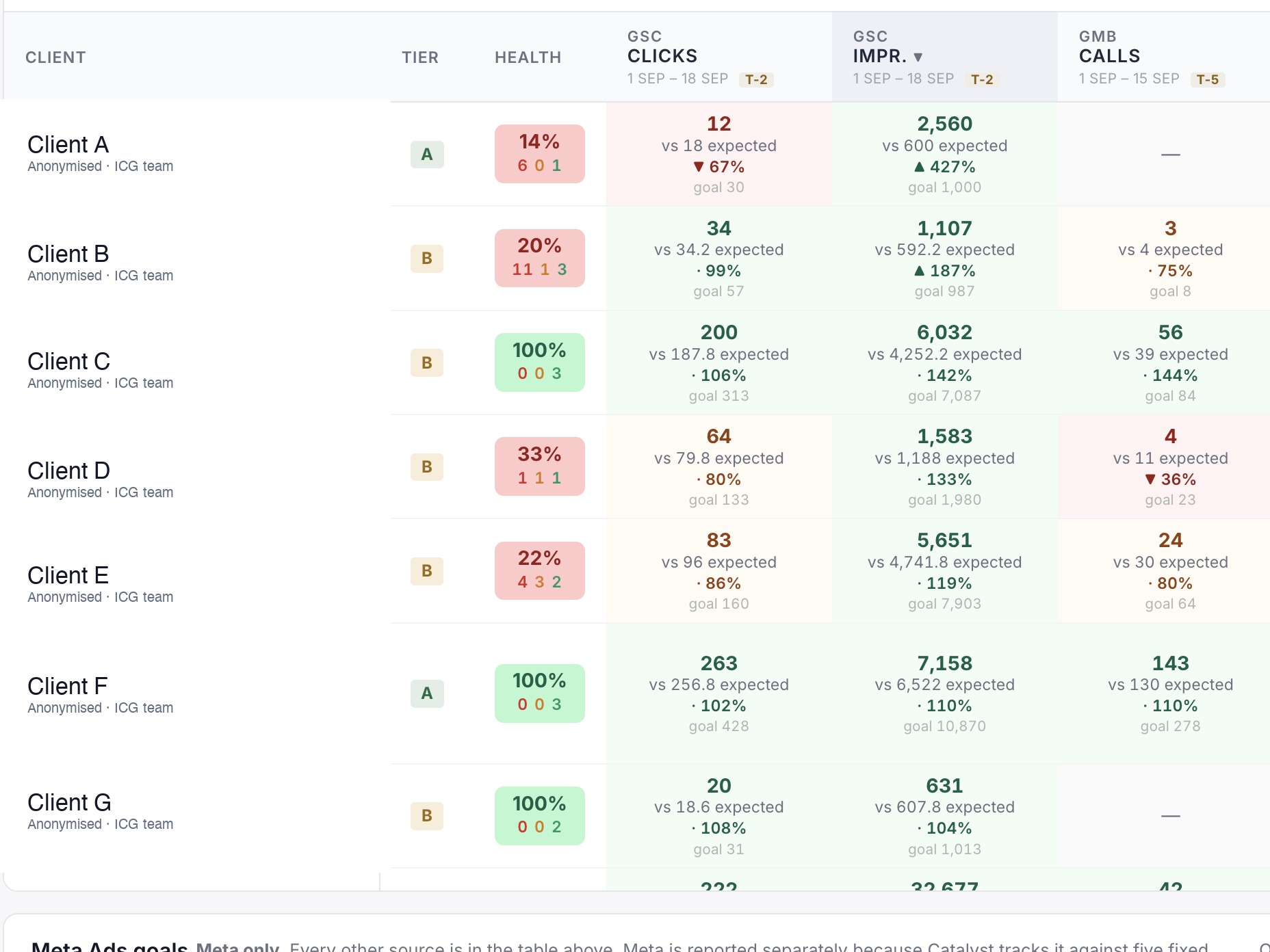
Live client dashboard. GSC, GA4, Google Ads, Meta Ads, IVR calls in one view. Login anytime, not monthly.
Phoenix
Clinic revenue intelligence over your PMS. Daily action queue: Prevent Loss, Maintain & Engage, Grow Revenue. Multi-centre rollout.
Or book a free 30-min audit to see all three in action on your account.
Healthcare brands
that already run on ICG.
A representative slice of the 150+ healthcare brands ICG has delivered for across India. Most engagements remain under NDA.


What ICG clients say · on video.
"Scale up of organic channels and business consulting. ICG has absolute domain authority in their field."
"Working with ICG transformed how we acquire IVF patients in Gurgaon. They understand the fertility journey from inquiry to consult..."
"What Ichelon accomplished — they got all my ideas and worked over 3-4 months to create an amazing, super-customised website."
Need help operationalising this?
Every ICG service is healthcare-only, NMC + DPDP-aware, and built around the patient-research patterns that drive Indian healthcare growth in 2026.
Every practice welcome — packages from ₹20,000/mo.
Goals-Driven engagements · Performance-Linked Payout Models available
More from
ICG.
Five trends shaping Indian healthcare marketing through 2027: AI-first patient research, Conversions API adoption, ABDM discovery, the AEO w...
Healthcare AIO is the discipline of getting your clinic or hospital cited inside Google AI Overviews, ChatGPT and Perplexity answers — not j...
Conversational-search advertising places brand messages inside AI chat answers — ChatGPT, Perplexity, Copilot — rather than beside a results...
Stop guessing.
Book a Diagnostic.
30 minutes. Free. With the AI-powered healthcare-only marketing agency 150+ brands already run on. No slides, no pitch, no hard close.


