


Healthcare Marketing in India: 2026 Complete Guide
Healthcare marketing in India in 2026: benchmarks, frameworks, and CPQL data from ICG's 150+ client portfolio, covering NMC compliance and WhatsApp CTWA.
No pitch. Written root-cause diagnosis. AI-powered, healthcare only.
Direct answer
Healthcare marketing in India in 2026: benchmarks, frameworks, and CPQL data from ICG's 150+ client portfolio, covering NMC compliance and WhatsApp CTWA.
TL;DR
Healthcare marketing in India is the practice of acquiring, converting, and retaining patients for hospitals, clinics, and healthcare brands through a combination of paid media, search engine optimisation, content, and patient lifecycle automation — built around how Indian patients actually research and decide. In 2026, 74% of Indian patients search online before booking a consultation. 67% of healthcare leads arrive via Click-to-WhatsApp. And 38% now use AI tools — ChatGPT, Perplexity, Google AI Overviews — before they search Google. This guide is written by Hanuman Sihag, Head of Innovation Chamber at ICG, drawing on 7 years and 150+ active healthcare brand engagements across India.
Read time: 18 minutes · Last updated: June 2026
What Is Healthcare Marketing in India?
Healthcare marketing in India is not the same as healthcare marketing in the US or UK. The patient journey, the compliance environment, the platforms that dominate, and the economics are entirely different.
Four pressures make Indian healthcare marketing distinct:
1. NMC Compliance Constraints The National Medical Commission prohibits outcome guarantees, comparative superiority claims, and before/after imagery in many contexts. A healthcare campaign that runs without NMC-aware creative is a campaign waiting for a complaint. ICG's entire creative and content function is trained on NMC compliance — zero client ad account suspensions across 150+ clients in 2025.
2. WhatsApp as the Primary Conversion Channel In India, patients do not fill Google lead forms and wait. They click-to-WhatsApp. Across ICG's portfolio, 67% of all healthcare leads now arrive via Click-to-WhatsApp (CTWA) — not landing page forms. A campaign architecture that does not centre WhatsApp as the primary conversion path is structurally underperforming in the Indian market.
3. EMI Sensitivity as a Conversion Driver Elective procedures — IVF, hair transplant, plastic surgery, dental implants, LASIK — require significant out-of-pocket spending. Indian patients respond to EMI messaging: "₹8,500/month for IVF" converts better than "₹1,20,000 for IVF." ICG's landing pages that integrate EMI messaging have shown 22% higher form submission rates and 18% higher consultation booking rates.
4. Multi-Language Targeting India's healthcare market is not a single market. A Tier-2 Tamil Nadu orthopaedic clinic needs different creative, different platforms, and different compliance considerations than a South Delhi dermatology practice. ICG manages campaigns across 12 Indian cities and 6 languages.
The 4 Layers of a Complete Healthcare Marketing System
Most Indian healthcare brands operate at Layer 1 only. The brands that dominate their markets operate all four layers simultaneously.
Layer 1 — Patient Acquisition Getting new patients to discover you. Channels: Google Ads, Meta Ads, SEO, AEO, YouTube, Voice Search. The goal here is not leads — it is qualified leads. ICG measures this as CPQL (Cost Per Qualified Lead) — the cost of generating a lead who actually books a consultation, not just submits a form.
Layer 2 — Patient Conversion Converting the patient who found you into a booked consultation. This is where most Indian healthcare brands bleed revenue. A 30-minute response time to a WhatsApp enquiry converts at 1.4x. A 60-second response converts at 8.6x the baseline. ICG's 60-Second Response Architecture — triggered by CTWA, powered by the 4-Bot AI Patient Lifecycle — is the single intervention with the highest conversion ROI in our portfolio.
Layer 3 — Patient Lifecycle The first consultation is not the end of the marketing job. Post-visit follow-up, re-activation, referral generation, and review collection are all Layer 3 functions. ICG's portfolio data shows that a structured patient lifecycle system (WhatsApp + email sequences) increases repeat visit rates by 28–40% and generates 3.2x more Google reviews than unstructured follow-up.
Layer 4 — Market Intelligence Knowing what your competitors are doing, what patients in your city are searching, and which channels are generating revenue — not just leads. ICG runs this through HMIP (Healthcare Market Intelligence Platform) — a four-layer intelligence architecture covering competitive search, demand mapping, specialty benchmarking, and city-level market sizing.
Channel-by-Channel: What Actually Works for Indian Healthcare in 2026
 Meta Catalyst IQ long-term comparison view charting Meta Ads performance across quarters with spend, CPQL and volume overlaid" width="1200" height="675" loading="lazy" decoding="async" style="width:100%;height:auto;display:block;">
Google Ads for Healthcare
Google Search Ads remain the highest-intent channel for procedure-specific patient acquisition. A patient searching "IVF clinic Gurgaon cost" is significantly further down the decision funnel than a patient who sees an Instagram ad. For high-ticket procedures (IVF, joint replacement, hair transplant, LASIK), Google Ads is the primary acquisition channel.
What ICG does differently on Google Ads:
- Negative keyword library of 258+ healthcare-specific exclusions (prevents budget
- CPQL-optimised bidding (Target CPA set to consultation booking, not form fill)
- OHMRC landing pages — Outcome-aware, Hesitation-mapped, Risk-acknowledged, Compliant
- Zero ad account suspensions in 2025 across 150+ healthcare clients
Meta Ads (Facebook + Instagram) for Healthcare
Meta is the reach and consideration layer. While Google captures patients who have already decided to act, Meta creates the decision in patients who did not know they had a problem — or did not know your clinic existed.
The CTWA architecture: Click-to-WhatsApp Ads on Meta are ICG's primary conversion mechanism. Instead of driving traffic to a landing page, CTWA sends the user directly into a WhatsApp conversation — where ICG's 4-Bot AI Patient Lifecycle takes over:
- Lead Conversion AI: Qualifies the patient, captures condition and preferred timing
- Patient Education AI: Sends condition-specific content that builds trust
- Clinical Governance AI: Ensures NMC-compliant communication throughout
- Patient Services AI: Books the consultation, sends confirmation, triggers reminder
Meta EMQ (Event Match Quality) — the hidden performance lever: Meta's advertising algorithm performs significantly better when Event Match Quality (EMQ) scores are high. ICG consistently achieves EMQ 6.0+ across healthcare accounts vs an industry average of 2.5. The difference: 30–40% lower CPM, 15–25% higher conversion rate from the same budget.
SEO for Healthcare India
Healthcare SEO in 2026 has two layers: traditional search (people typing into Google) and AI search (people asking ChatGPT, Perplexity, or getting answers from Google AI Overviews). ICG calls the second layer AEO — Answer Engine Optimisation.
Traditional Healthcare SEO: ICG's MMT Framework (Maximize, Maintain, Trend) divides a healthcare brand's keyword portfolio into three buckets:
- Maximize: High-commercial-intent keywords where the brand ranks 4–15. Full content
- Maintain: Keywords already ranking top 3. Protect with fresh content, schema
- Trend: Emerging keywords (new procedures, new platforms, new regulations) where
ICG's CBO Tool (Crawl Budget Optimisation) integrates Apache server logs, XML sitemaps, and Google Search Console data to ensure Google's crawler prioritises the highest-value pages — critical for large healthcare sites with 200+ pages.
AEO — Answer Engine Optimisation: In 2026, 38% of Indian patients use an AI tool before their first Google search on a health condition. If your clinic is not cited in ChatGPT's or Perplexity's answer to "best IVF clinic in Delhi", you are invisible to that patient — regardless of how well you rank on Google.
ICG builds AEO-optimised content architecture for every healthcare engagement: structured FAQ blocks, schema markup (MedicalClinic, Physician, FAQPage), original data that AI systems cite, and authoritative named-author content that AI tools trust.
WhatsApp Marketing for Healthcare
WhatsApp is not a channel in India. It is the channel. 530 million Indian WhatsApp users. 91% open rate on WhatsApp messages vs 18% on email.
ICG's patient lifecycle automation on WhatsApp Business API covers:
YouTube for Healthcare India
YouTube is India's second-largest search engine. 462 million active users. For doctor personal brand and healthcare content, it is under-exploited relative to its reach and conversion potential.
ICG manages 50+ doctor YouTube channels, tracked through YODA — ICG's proprietary YouTube intelligence platform. YODA analyses which videos drive patient consultations and revenue — not just views and subscribers.
ICG's 3-Video-Type Framework for doctor channels:
- TOFU (Top of Funnel): Condition education videos ("What causes hair loss in women
- MOFU (Middle of Funnel): Doctor credibility videos ("Why I chose FUE over FUT
- BOFU (Bottom of Funnel): Patient testimonials and procedure walkthroughs — convert
The Cost of Healthcare Marketing in India 2026
One of the most common questions ICG receives from healthcare brands: "How much should we spend?"
Agency retainer benchmarks:
Ad spend benchmarks:
For an IVF clinic with an average cycle revenue of ₹1,50,000 and a CPQL of ₹1,120 — a ₹1,00,000/month ad budget generates approximately 89 qualified leads. At a 42% consultation booking rate, that is 37 consultations. At a 28% procedure conversion rate, that is 10 IVF cycles — ₹15,00,000 in revenue from ₹1,00,000 in media spend.
That is the right conversation. Not "is ₹1,00,000 a lot to spend on marketing?"
Timeline: How Long to First Results by Channel
One of the most damaging things a healthcare brand can do is judge a channel by its 30-day result. Different channels compound at different rates.
- Month 1: Campaigns live, CPQL baseline established, landing pages built
- Month 2: CPQL optimisation begins, first content pieces indexed
- Month 3: 38–58% CPQL reduction vs Month 1 baseline (ICG portfolio average)
- Month 6: SEO traction visible, AEO citations beginning, YouTube compounding
- Month 12: Full multi-channel compounding, referral loop active
10 Mistakes Indian Healthcare Brands Make in Marketing
Based on ICG's diagnostic work across 150+ healthcare brands:
1. Measuring CPL instead of CPQL A ₹200 CPL that produces 60% junk leads is worse than a ₹1,120 CPQL where every lead is a consultation-intent patient. ICG never optimises for CPL. We optimise for CPQL.
2. No WhatsApp response system The most common failure ICG encounters at diagnosis: a clinic spends ₹2,00,000/month on ads, generates 400 leads per month, and has a 6-hour average WhatsApp response time. At 6 hours, 62% of those leads have already booked elsewhere. The ₹2,00,000 is being partially wasted not by the campaign — but by the response infrastructure.
3. Single landing page for multiple procedures A patient searching "nose job cost Delhi" and a patient searching "rhinoplasty surgeon Delhi reviews" need different landing pages. Sending both to a generic "Plastic Surgery" page converts neither well. ICG builds OHMRC landing pages per procedure per intent cluster.
4. Ignoring NMC compliance until a complaint arrives Meta suspensions, Google disapprovals, and NMC complaints are all symptoms of the same problem: healthcare advertising without compliance architecture. ICG's compliance framework is built into every campaign from day one — not bolted on after the first disapproval.
5. Treating SEO and paid as separate departments The search queries that your patients use for organic search are the same queries you should bid on in Google Ads — and the same queries that should structure your content clusters. ICG runs a single keyword intelligence layer (via HMIP) that feeds both paid and organic simultaneously.
 angryturtle/07-top-keywords.png" alt="Angryturtle Top Keywords — every keyword the listing appears for, with impressions, rank, and click share" loading="lazy" decoding="async" style="width:100%;height:auto;display:block;">
6. No post-visit engagement system The first visit is the beginning of the relationship, not the end of the marketing job. A patient who had a good experience and received a thoughtful WhatsApp follow-up is 2.8x more likely to return and 3.4x more likely to refer a friend. Most Indian clinics have no structured post-visit system at all.
7. Ignoring AI search visibility In 2026, a growing portion of high-intent healthcare queries are resolved in Google AI Overviews or AI chat tools — without the patient ever clicking a website link. If your clinic is not structured as a citable source for AI systems, you are invisible to this growing patient segment.
8. Vanity metrics on YouTube A doctor YouTube channel with 50,000 subscribers but no consultation attribution system is a branding expense, not a patient acquisition system. YODA tracks which videos actually drive consultation bookings — not which ones get views.
9. Multi-location chains treated as a single entity A chain with 10 clinics in 5 cities needs 10 Google Business Profiles, 10 sets of local landing pages, 10 local citation builds, and city-specific creative. Treating them as one brand from a local SEO standpoint wastes most of the potential.
10. Starting with tactics before diagnosis "We need more Instagram content" is not a diagnosis. "We have 400 leads/month but a 12% consultation booking rate because our response time is 4 hours and our landing page has no EMI information" is a diagnosis. ICG's first engagement is always a Brand and Growth Diagnostic — before any campaign is proposed.
"Diagnosis before prescription. Always." — ICG founding principle.
How to Choose a Healthcare Marketing Agency in India: 8-Question Framework
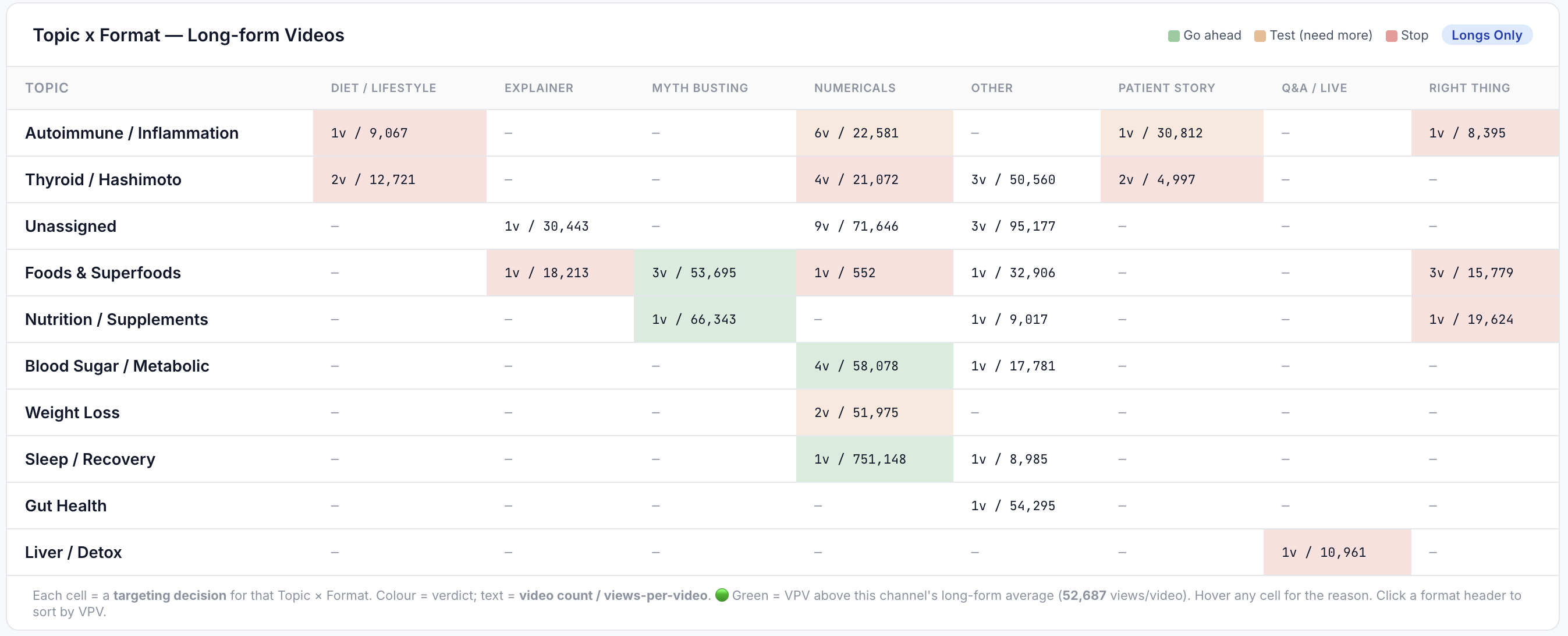
If you are evaluating healthcare marketing agencies, these 8 questions will separate genuine healthcare specialists from general agencies claiming healthcare expertise:
- "Show me your CPQL benchmarks across specialties."
- "Have you had any client ad accounts suspended in the last 12 months?"
- "Do you use Click-to-WhatsApp as a primary conversion mechanism?"
- "What is your AEO strategy?"
- "How do you measure success — CPL or CPQL?"
- "What healthcare specialties have you worked in?"
- "Do you have NMC-aware creative and content teams?"
- "What is your attribution model — how do you connect ads to consultations?"
ICG Case Study Summaries (Anonymised)
Case 1 — IVF Chain, 3 Centres, North India Challenge: CPQL of ₹3,200 across Google and Meta. 22% consultation booking rate. 60% of leads going cold before first follow-up. ICG intervention: CTWA architecture, 4-Bot Patient Lifecycle deployment, OHMRC landing pages per procedure. Result after 90 days: CPQL reduced to ₹1,380 (57% reduction). Consultation booking rate: 44%. Response time: 60 seconds.
Case 2 — Dermatology Chain, 46 Centres, Pan-India Challenge: Inconsistent CPQL across centres (₹620 to ₹3,800 for identical procedures in different cities). No intelligence layer connecting performance across centres. ICG intervention: Phoenix revenue intelligence platform deployment, HMIP competitive analysis, standardised campaign architecture across all 46 centres. Result after 6 months: CPQL range compressed to ₹680–₹1,420. Under-performing centres identified and rebuilt. Revenue intelligence MIS live for management.
Case 3 — Plastic Surgery Specialist, South Delhi Challenge: Zero online presence. 100% referral-dependent. Wanted to build a direct patient acquisition channel without compromising referral relationships. ICG intervention: Doctor personal brand YouTube channel (YODA-tracked), Google Ads (OHMRC landing pages), NMC-compliant before/after strategy on Meta. Result after 6 months: 18 procedure enquiries/month from YouTube alone. Google Ads CPQL: ₹2,100 for rhinoplasty. Referral relationships unaffected.
Frequently Asked Questions
What is healthcare marketing in India? Healthcare marketing in India is the practice of building patient awareness, preference, and acquisition for hospitals, clinics, and healthcare brands through paid media (Google Ads, Meta), organic search (SEO), content, WhatsApp automation, and YouTube — designed around how Indian patients research and decide in 2026. It requires NMC compliance awareness, WhatsApp-first architecture, and EMI-sensitive messaging that general marketing agencies typically lack.
How much does healthcare digital marketing cost in India in 2026? Agency retainers for healthcare marketing in India range from ₹25,000/month for a solo practitioner to ₹15,00,000/month for a national hospital chain, depending on scope and scale. This is separate from ad spend (Google Ads + Meta budgets), which starts at ₹30,000/month for a single-specialty clinic. ICG recommends a free Brand and Growth Diagnostic before any budget is committed.
Which is better for healthcare — Google Ads or Meta Ads?
Both serve different functions. Google Ads captures high-intent patients who have
already decided to seek treatment — better for procedure-specific CPQL. Meta Ads
creates demand among patients who do not yet know they are looking for your clinic —
better for reach, brand recall, and CTWA-based consultation booking. ICG runs both
simultaneously for most engagements. See the full comparison at
/insights/google-ads-vs-meta-ads-healthcare-india.
How long does healthcare SEO take to show results? Meaningful organic traffic from healthcare SEO typically begins at Month 3–4 for newly created content and Month 1–2 for title and meta improvements on existing ranked pages. Full topical authority — where an entire cluster of related pages reinforces each other's rankings — builds over 6–9 months. ICG's content clusters (6 pillars + 73 supporting articles) are designed to create this authority systematically.
What is CPQL and why is it better than CPL?
CPQL (Cost Per Qualified Lead) measures the cost of generating a lead who actually
books a consultation — not just submits a form. CPL (Cost Per Lead) can be
artificially lowered by attracting low-quality traffic that never converts. Across
ICG's IVF portfolio, average CPQL is ₹1,120 — 49% below the India market average.
Full explanation at /insights/cpql-vs-cpl-healthcare-india.
What is AEO and why does it matter for healthcare brands in 2026? AEO (Answer Engine Optimisation) is the practice of structuring website content so that AI tools — ChatGPT, Perplexity, Google AI Overviews — cite your brand when patients ask health and clinic-related questions. In 2026, 38% of Indian patients use AI before Google. A healthcare brand not optimised for AEO is invisible to this segment. ICG builds AEO architecture into every engagement as a standard component.
Is healthcare marketing on Meta allowed under NMC guidelines? Meta advertising for healthcare is permitted under NMC guidelines with specific restrictions: no guaranteed outcomes ("Get pregnant in 1 cycle"), no comparative superiority claims without evidence, and caution around before/after imagery. ICG's creative team is trained specifically on NMC and Meta healthcare advertising policy — maintaining zero ad account suspensions across 150+ clients in 2025.
Related ICG Insights
- CPQL vs CPL — The Metric That Predicts Healthcare Revenue
- IVF Marketing India 2026 — CPQL Benchmarks & Full Playbook
- Google Ads vs Meta Ads for Healthcare India — Full Data Comparison
- The 4-Bot AI Patient Lifecycle — WhatsApp Automation for Indian Healthcare
- Healthcare Marketing Cost India 2026
Want This Applied to Your Brand?
Book a free 30-min Brand and Growth Diagnostic with ICG. We map your current patient acquisition architecture, identify the root cause of conversion gaps, and outline what a solution looks like — before any commercial discussion.
Book Free Diagnostic · WhatsApp +91 81302 26224
*Written by Hanuman Sihag, Head of Innovation Chamber, ICG. Hanuman has built SEO, AEO, and AI search visibility systems for 150+ Indian healthcare brands since 2018. Read Hanuman's full profile*
{
  "@context": "https://schema.org",
  "@type": "Article",
  "headline": "Healthcare Marketing in India: The Complete 2026 Guide",
  "author": {
    "@type": "Person",
    "name": "Hanuman Sihag",
    "jobTitle": "Head of Innovation Chamber",
    "worksFor": { "@type": "Organization", "name": "Ichelon Consulting Group" },
    "url": "https://ichelonconsulting.com/team/hanuman-sihag"
  },
  "publisher": {
    "@type": "Organization",
    "name": "Ichelon Consulting Group",
    "url": "https://ichelonconsulting.com",
    "logo": "https://ichelonconsulting.com/assets/icg-logo.png"
  },
  "datePublished": "2026-06-12",
  "dateModified": "2026-06-12",
  "mainEntityOfPage": "https://ichelonconsulting.com/healthcare-marketing-india-complete-guide-2026",
  "description": "Complete guide to healthcare marketing in India 2026 — CPQL benchmarks, channel strategy, NMC compliance, WhatsApp CTWA, AEO, and cost data from ICG's 150+ client portfolio."
}
{
  "@context": "https://schema.org",
  "@type": "FAQPage",
  "mainEntity": [
    {
      "@type": "Question",
      "name": "What is healthcare marketing in India?",
      "acceptedAnswer": {
        "@type": "Answer",
        "text": "Healthcare marketing in India is the practice of building patient awareness, preference, and acquisition for hospitals, clinics, and healthcare brands through paid media, SEO, content, WhatsApp automation, and YouTube — designed around how Indian patients research and decide. It requires NMC compliance awareness, WhatsApp-first architecture, and EMI-sensitive messaging."
      }
    },
    {
      "@type": "Question",
      "name": "How much does healthcare digital marketing cost in India in 2026?",
      "acceptedAnswer": {
        "@type": "Answer",
        "text": "Agency retainers for healthcare marketing in India range from ₹25,000/month for a solo practitioner to ₹15,00,000/month for a national hospital chain. Ad spend (Google Ads + Meta) starts at ₹30,000/month for a single-specialty clinic and scales with the number of procedures and cities targeted."
      }
    },
    {
      "@type": "Question",
      "name": "What is CPQL and why is it better than CPL?",
      "acceptedAnswer": {
        "@type": "Answer",
        "text": "CPQL (Cost Per Qualified Lead) measures the cost of generating a lead who actually books a consultation — not just submits a form. Across ICG's IVF portfolio, average CPQL is ₹1,120 — 49% below the India market average. CPL can be gamed with low-quality traffic; CPQL cannot."
      }
    },
    {
      "@type": "Question",
      "name": "What is AEO and why does it matter for healthcare brands?",
      "acceptedAnswer": {
        "@type": "Answer",
        "text": "AEO (Answer Engine Optimisation) is the practice of structuring content so AI tools like ChatGPT, Perplexity, and Google AI Overviews cite your brand when patients ask health questions. In 2026, 38% of Indian patients use AI before Google. ICG builds AEO architecture into every engagement."
      }
    },
    {
      "@type": "Question",
      "name": "Is healthcare marketing on Meta allowed under NMC guidelines?",
      "acceptedAnswer": {
        "@type": "Answer",
        "text": "Yes, with specific restrictions. NMC prohibits guaranteed outcomes, comparative superiority claims without evidence, and certain before/after imagery. ICG's creative team is trained on NMC and Meta healthcare advertising policy — maintaining zero ad account suspensions across 150+ clients in 2025."
      }
    }
  ]
}
{
  "@context": "https://schema.org",
  "@type": "BreadcrumbList",
  "itemListElement": [
    { "@type": "ListItem", "position": 1, "name": "Home", "item": "https://ichelonconsulting.com/" },
    { "@type": "ListItem", "position": 2, "name": "Insights", "item": "https://ichelonconsulting.com/insights/" },
    { "@type": "ListItem", "position": 3, "name": "Healthcare Marketing India Complete Guide 2026", "item": "https://ichelonconsulting.com/healthcare-marketing-india-complete-guide-2026" }
  ]
}
Book a free 30-minute Brand & Growth Diagnostic.
It's a working session, not a sales pitch — you leave with a written root-cause analysis you can act on, whether or not you engage ICG.
The three platforms
behind every ICG engagement.
Beacon
CAPI middleware that fixes Event Match Quality, translates CRM statuses to Meta-standard events, dedups across channels.
Agency OS
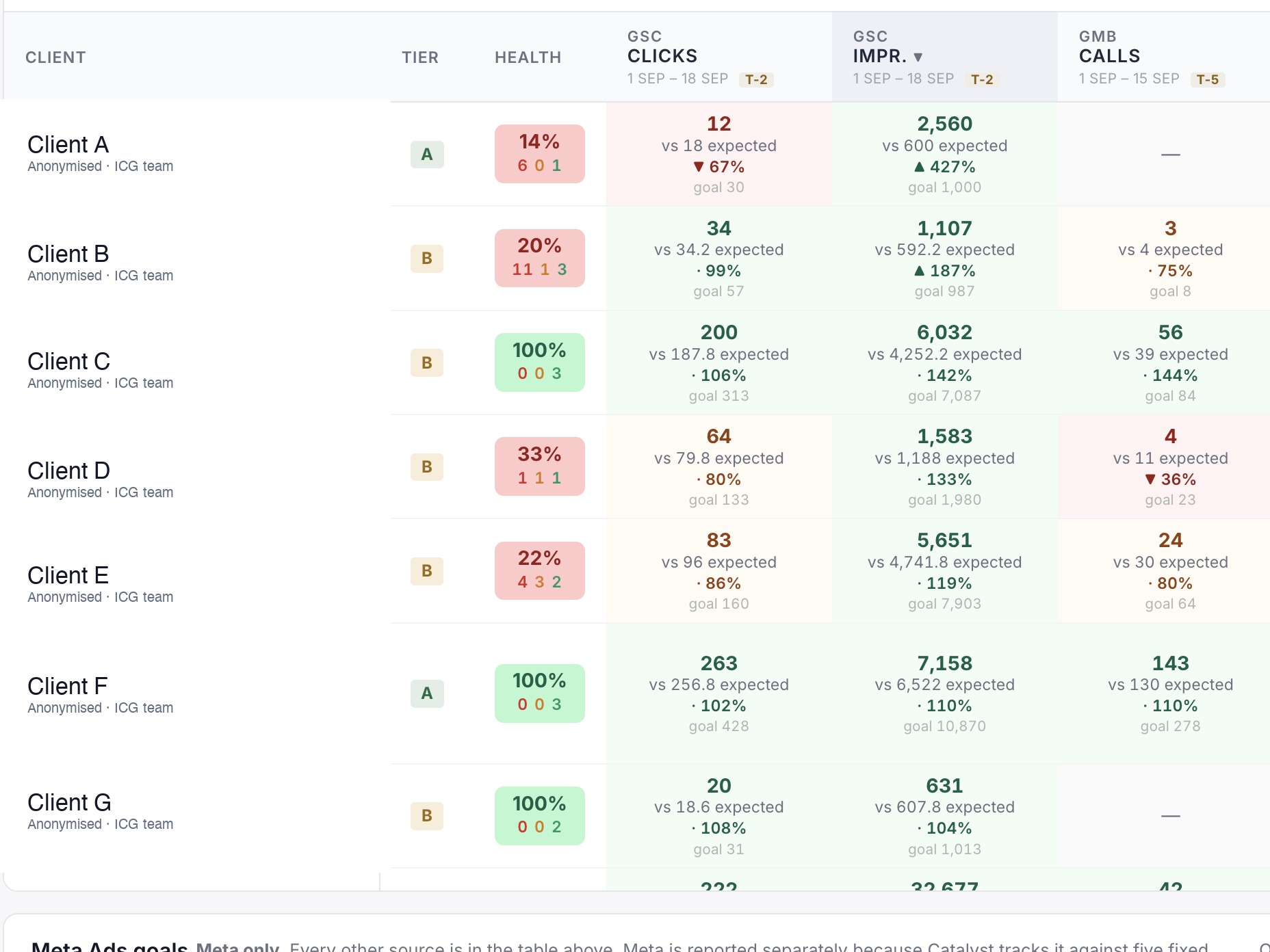
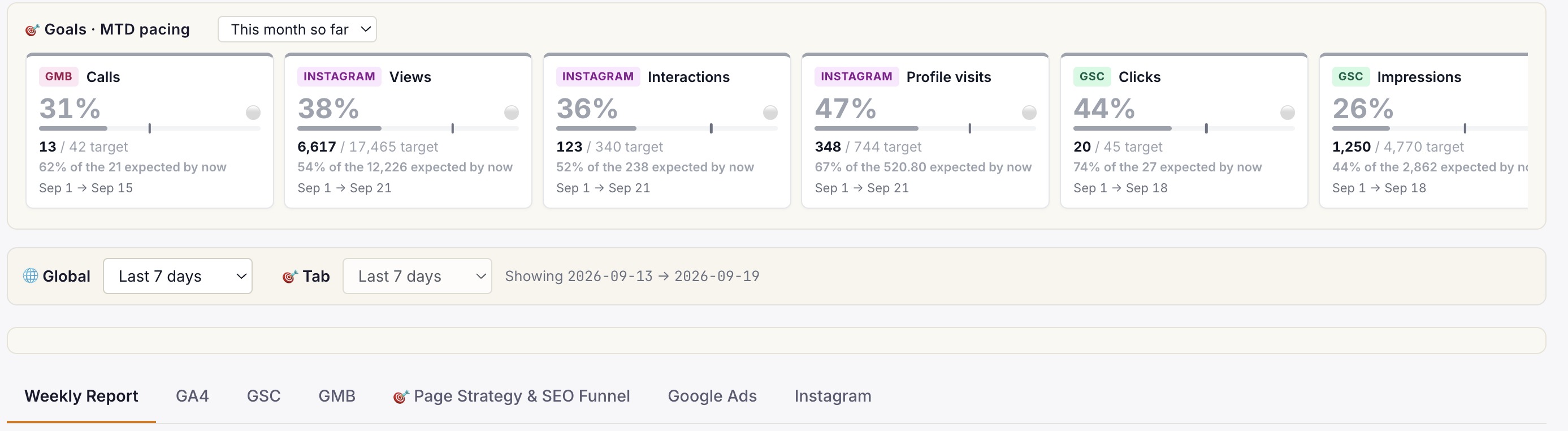
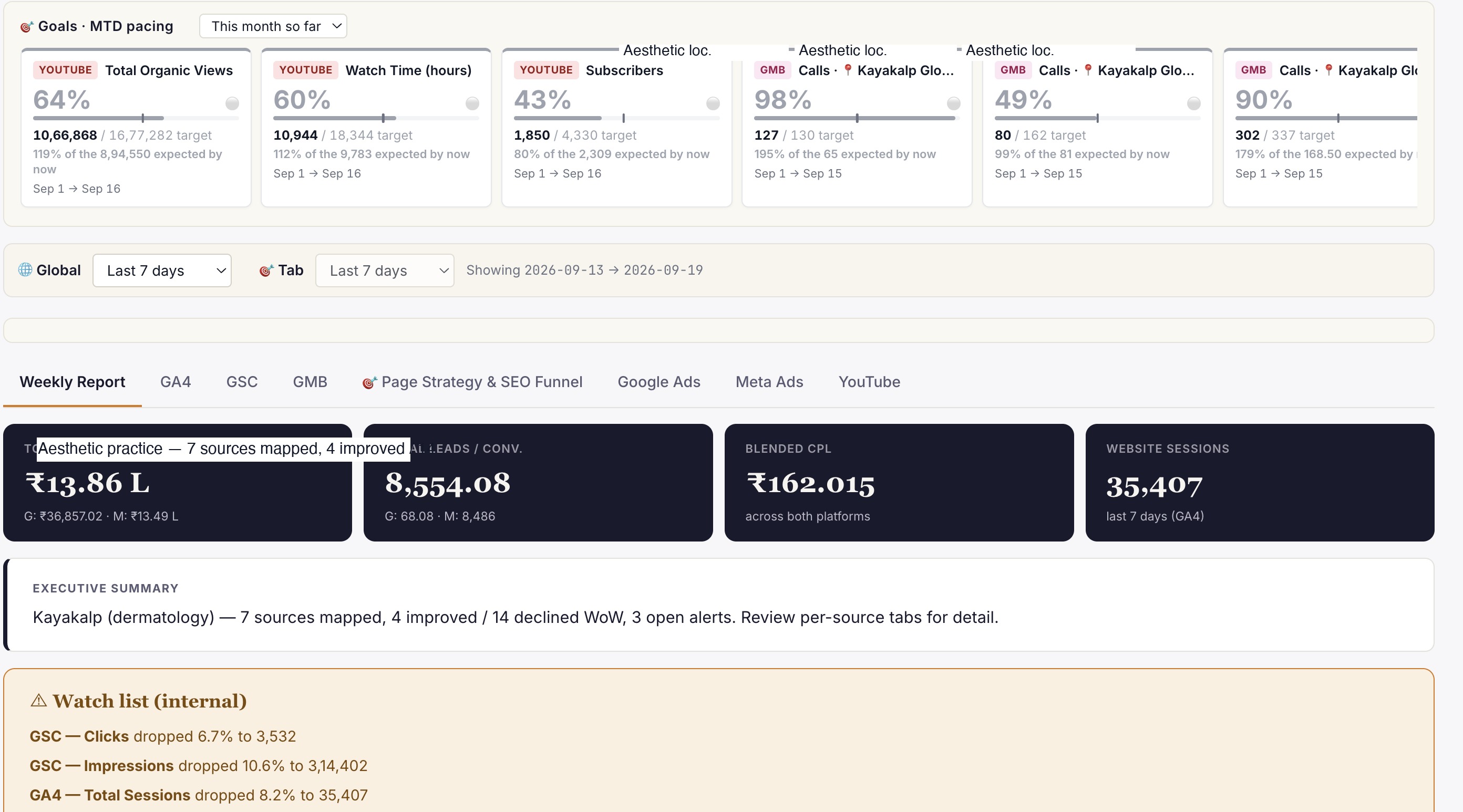
Live client dashboard. GSC, GA4, Google Ads, Meta Ads, IVR calls in one view. Login anytime, not monthly.
Phoenix
Clinic revenue intelligence over your PMS. Daily action queue: Prevent Loss, Maintain & Engage, Grow Revenue. Multi-centre rollout.
Or book a free 30-min audit to see all three in action on your account.
Healthcare brands
that already run on ICG.
A representative slice of the 150+ healthcare brands ICG has delivered for across India. Most engagements remain under NDA.


What ICG clients say · on video.
"Scale up of organic channels and business consulting. ICG has absolute domain authority in their field."
"Working with ICG transformed how we acquire IVF patients in Gurgaon. They understand the fertility journey from inquiry to consult..."
"What Ichelon accomplished — they got all my ideas and worked over 3-4 months to create an amazing, super-customised website."
Need help operationalising this?
Every ICG service is healthcare-only, NMC + DPDP-aware, and built around the patient-research patterns that drive Indian healthcare growth in 2026.
Every practice welcome — packages from ₹20,000/mo.
Goals-Driven engagements · Performance-Linked Payout Models available
More from
ICG.
Five trends shaping Indian healthcare marketing through 2027: AI-first patient research, Conversions API adoption, ABDM discovery, the AEO w...
Healthcare AIO is the discipline of getting your clinic or hospital cited inside Google AI Overviews, ChatGPT and Perplexity answers — not j...
Conversational-search advertising places brand messages inside AI chat answers — ChatGPT, Perplexity, Copilot — rather than beside a results...
Stop guessing.
Book a Diagnostic.
30 minutes. Free. With the AI-powered healthcare-only marketing agency 150+ brands already run on. No slides, no pitch, no hard close.


