How should med spas market acne and acne-scar treatments?
Med spas should market active acne and acne scars as two separate service lines, with different buyers, pages and rules. Active-acne programs often involve teens and parents, prescription questions and dermatology referral. Acne-scar treatment is an adult, plan-based purchase built on devices with specific FDA-cleared uses. Both need empathetic, judgment-free content, consented results and no cure language.

- Split the service line: active acne and acne scars attract different buyers, so they need separate pages, ads and KPIs.
- Respect the medical boundary: prescription treatment needs a licensed prescriber, and some cases belong with a dermatologist.
- Device claims follow FDA authorization: FDA has authorized certain microneedling devices to improve the appearance of facial acne scars in adults aged 22 and older.
- Under-18 buyers change the flow: plan parent or guardian consent, and keep online data collection from children under 13 out of scope.
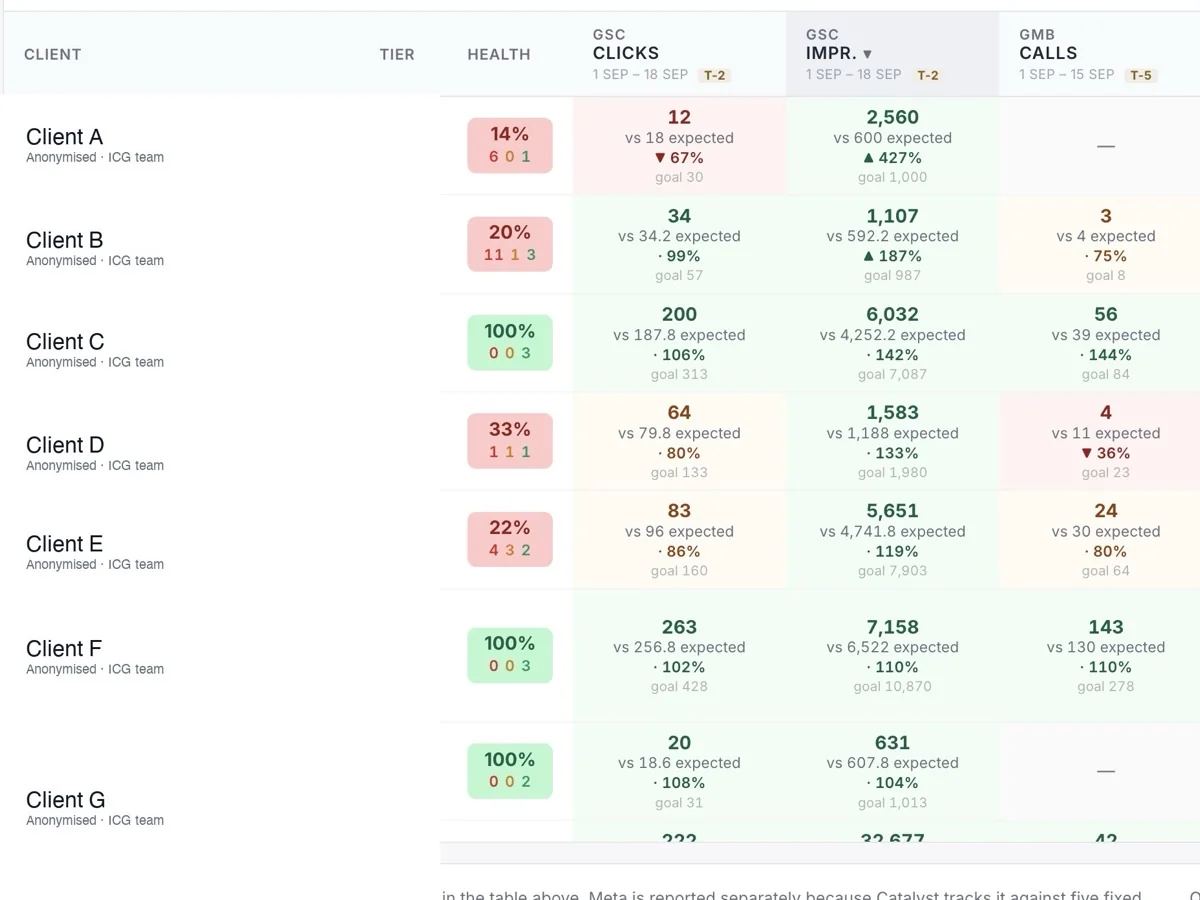
- Every practice welcome — retainers from $499/mo, Goals-Driven engagements, Performance-Linked Payout Models available.
- Dallas, Texas LLC
- US client team · Central Time (CST)
- 25+ US healthcare clients
- BAA signed with every client
- HIPAA compliance training across client and delivery teams
- Contracts and invoices in USD
-
 Primary Care · North Dallas, TXCase study →
-
 MedSpa · North Dallas, TX
-
 Skin Care · Beverly Hills, CA
-
 Dental · Christiansburg, VACase study →
-
 Pediatrics · Blacksburg, VACase study →
-
 Pediatric Dentistry · Blacksburg, VACase study →
-
 Dental · Roanoke, VACase study →
-
 Functional Medicine · Telehealth · USACase study →
“They were able to get all my ideas and work with me over a period of three to four months and create this amazing website. It's super customized, very modern, and it incorporates all the elements that I had wanted — the patient portal, nice pictures, a very interactive website, patient reviews. I would highly recommend their company to anyone who wants to make an excellent website.”
Who searches for acne and acne-scar treatment, and what do they need?
Two very different groups search. Active-acne searchers are often teenagers, young adults and parents looking for help that has not come from drugstore products. Acne-scar searchers are mostly adults whose acne has settled but left texture or marks. Both groups carry emotional weight, so tone matters as much as information.
Active acne
- Who: teens (with a parent deciding and paying), young adults, and adults with breakouts later in life.
- Search language: "acne facial near me", "acne treatment for teens", "why is my skin breaking out".
- What they need to know: whether your program includes a medical provider, whether you prescribe or refer, how long a program typically runs, and what happens if it does not help.
Acne scars
- Who: adults, often after years of feeling self-conscious, frequently researching for months before booking.
- Search language: "acne scar treatment", "microneedling for acne scars", "laser for pitted scars".
- What they need to know: which scar types respond to which treatments, how many sessions are typical, realistic improvement, and downtime.
Questions the front desk hears
- "Do you prescribe, or will I still need a dermatologist?"
- "Can my teenager come without me?"
- "Will this work on old, pitted scars?"
- "Is this safe for my skin tone?"
- "How long before I see a change?"
Collect these for a month before writing. They tell you which answers belong at the top of each page.
What this means for the marketer
Do not put both groups on one page with one call to action. A parent researching a program for a teenager and an adult comparing scar devices make different decisions. Separate pages, separate ad groups and separate email tracks let each speak plainly. Write without shame words such as "flawless", "perfect skin" or "fix your face"; buyers in this category notice, and so do reviewers.
How should a med spa position acne programs and acne-scar plans?
Position active-acne care as a structured, medically supervised program with clear referral rules, and acne-scar treatment as an assessed, multi-session plan matched to scar type. In both cases the offer is the assessment and the plan. Avoid cure, clear-skin-guaranteed or one-session language.
| Active-acne program | Acne-scar plan | |
|---|---|---|
| Primary buyer | Teen with parent, or young adult | Adult |
| Typical entry point | Skin assessment and acne facial | Consult with a provider and scar assessment |
| Medical boundary | Prescriptions only by a licensed prescriber; refer complex or severe cases to dermatology | Device and procedure choice by the medical team, within cleared indications |
| Core message | Steady support, a home routine, check-ins | Gradual improvement in appearance over a planned series |
| Offer format | Program with scheduled visits and product guidance | Series priced as a plan, with a review visit |
| Language to avoid | "Cure", "clear skin guaranteed", drug claims for cosmetic products | "Erase scars", "permanent removal", device claims beyond cleared uses |
Building a referral boundary into the offer
A med spa that says, on its page, "if your acne needs prescription treatment beyond our scope, we will refer you to a dermatologist" usually earns more trust, not less. It also creates a referral relationship: dermatology practices often prefer to send settled-acne patients elsewhere for cosmetic scar work. Keep any arrangement free of per-referral payments unless counsel approves it, because state fee-splitting and anti-kickback rules can apply.
Pricing presentation
Active-acne programs suit a monthly format, because support continues over time and clients value check-ins. Acne-scar plans suit series pricing presented after assessment, with any financing disclosed accurately. Either way, avoid low-price "first session" ads; they attract clients who expect a fast fix and leave after one visit.
For practices that already run dermatology services, our dermatology claims and before-and-after guide covers the overlap with medical dermatology marketing.
Which channels reach acne and acne-scar buyers?
Search and your Google profile capture both groups when pages are specific. Social video reaches younger active-acne audiences but requires strict rules on minors and claims. Email nurtures scar buyers through a long decision. Dermatology and primary-care relationships send the right patients both ways. The channel mix differs by service line.
Search and Maps
- List acne facials and acne-scar treatments as separate services on your Google profile, with honest descriptions.
- Build one page for the active-acne program and one for acne scars, plus supporting pages by scar treatment type.
- Run paid search with separate campaigns, budgets and landing pages for each line. Our local SEO guide covers page structure.
Social video
- Esthetician and provider explainers on routines, what an acne facial does, and how scar plans are chosen.
- Do not feature minors in marketing without written parent or guardian consent, and consider avoiding minors entirely.
- Do not target ads to minors by health interest. Meta restricts health-based targeting, and age targeting rules apply.
Email and SMS
Scar buyers research for a long time. A consented email series on scar types, plan structure and recovery keeps you in the conversation. For active-acne programs, send reminders and routine tips to the adult client or the parent who consented. Get documented consent before any marketing text.
Referral relationships deserve their own channel plan. Send local dermatology and primary-care practices a one-page summary of what you treat, what you refer out and how you report back, with patient authorization where required. Keep the tone collegial and the promises modest.
Reviews
Acne clients may be reluctant to post reviews. Ask after a plan milestone, never tie rewards to a positive rating, and never reply in a way that confirms someone is a patient. Our reviews and reputation guide covers safe responses.
What should acne and acne-scar landing pages include?
Each page should open with a plain answer about what the service can and cannot do, explain how the plan is chosen, name the providers and the medical oversight, show consented typical results, and offer one next step. The acne page also needs parent and referral information; the scar page needs scar-type and device information.
Active-acne page checklist
- A direct opening answer on what the program includes and who it suits.
- Who is involved: esthetician, nurse, physician or other prescriber, and when a client is referred out.
- What a program looks like: assessment, visits, home routine, check-ins.
- A section for parents: consent process, who attends, what is shared with them.
- Product guidance described with cosmetic language unless the product is a drug marketed under the right rules.
Acne-scar page checklist
- A direct opening answer on how scar treatment improves appearance gradually.
- Scar types in plain words, and which of your treatments the medical team uses for each.
- Each device described by its FDA-cleared or authorized use, with "cleared" rather than "approved" where that is the status.
- Session ranges confirmed by the medical team, downtime and the review visit.
- Consented results with treatment, session count and time since treatment.
- Consult booking, with health and photo intake handled only inside a HIPAA-safe system.
What to leave off both pages
- Close-up images of active acne used for shock value.
- "Cure", "erase", "permanent" or "guaranteed".
- Photos of minors, or results shown without written marketing consent.
- Device brand names you do not own, or uses beyond a device's cleared or authorized indications.
Neither page should collect health details in an open web form or load ad pixels on booking steps. For general layout rules, see our healthcare landing page guide.
What compliance rules apply to acne and acne-scar marketing?
This service line touches FDA device and drug rules, FTC advertising rules, children's privacy law, state scope-of-practice and consent rules, and HIPAA. The main risks are drug claims for cosmetic products, device claims beyond authorized uses, marketing to or collecting data from children, and acne photos leaking through tracking. Confirm specifics with counsel and your medical team.
FDA
- FDA says it has authorized certain microneedling devices to improve the appearance of facial acne scars, facial wrinkles and abdominal scars in patients aged 22 and older. Do not market those devices to younger clients as if authorized for them.
- FDA classifies products by intended use. Its guide Is It a Cosmetic, a Drug, or Both? names cleansers intended to treat acne as drugs. Acne-treatment claims on house-brand products bring drug rules.
- In October 2025 FDA issued a safety communication on certain uses of RF microneedling. If you offer it for scars, keep risk language consistent with that notice.
FTC and children's privacy
- The FTC Health Products Compliance Guidance requires competent and reliable scientific evidence for health claims; testimonials do not substitute.
- The Endorsement Guides require disclosure of generally expected results when a featured result is atypical, and the FTC rule on fake reviews has applied since October 2024.
- The COPPA Rule applies to online services directed to children under 13 or that knowingly collect their personal information. Keep booking and marketing aimed at parents and adults.
State rules and HIPAA
States set who may prescribe, who may perform each procedure, and how minors consent to treatment. Treat facial photos as protected health information. Follow HHS guidance on online tracking, keep pixels off booking and intake flows, and sign a BAA with every vendor that handles patient data. Our HIPAA advertising guide for med spas has detail.
What we found when we studied 555 US med spas on Google
Patients praise the care almost without exception. The one area where complaints outnumber praise is booking and communication, and that is where most med spas can win.
Full study · 555 US med spas across 20 metros · roughly ±4% nationally · review velocity and themes from a 115-spa subsample · verified against raw data.
Which KPIs should a med spa track for acne and acne-scar services?
Track each line separately. For active acne, measure assessments booked, program starts, visit adherence and referral-out rates. For acne scars, measure consults, consult-to-plan conversion, series completion and review-visit attendance. Combining them in one report hides which line is working and which one needs fixing, because the buyers, timelines and offers differ.
| Service line | KPI | Why it matters |
|---|---|---|
| Active acne | Assessments booked, by source | Shows whether pages reach the right audience, including parents |
| Active acne | Program start rate | Tests whether the program is explained clearly at assessment |
| Active acne | Visit adherence | Missed check-ins predict dropouts and unhappy reviews |
| Active acne | Referrals to dermatology | Confirms the medical boundary is working, and builds partner trust |
| Acne scars | Consult-to-plan rate | Shows whether expectations online match the consult |
| Acne scars | Series completion and review attendance | Scar results build over a series; early stops mean disappointed clients |
| Both | Cost per booked appointment, by channel | Shows where to move budget within each line |
Scar buyers often take months to decide, so a monthly view will undercount what a channel produced. Record the source at first contact and at booking, and review scar-line results by quarter. For active acne, watch the share of program clients who came through parents, since that tells you whether parent-focused content is working.
Some active-acne clients become scar clients years later. Tag the first service in your CRM so you can see that journey over time.
What does a 90-day acne and acne-scar launch plan look like?
Use the first 30 days to define the medical boundary, minor-consent process and device language, and to build two separate pages. Use days 31 to 60 for your Google profile, consented client list and referral conversations. Use days 61 to 90 for paid search and adult-focused social, then review each line on its own KPIs.
Days 1–30
- Medical lead defines who prescribes, when to refer, and which devices are used for which scar types.
- Owner and counsel confirm the minor-consent process for your state.
- Publish the active-acne and acne-scar pages; set up HIPAA-safe tracking with BAAs.
Days 31–60
- Add both services to the Google profile with separate descriptions.
- Send a consented email series to adult clients about scar plans.
- Meet local dermatology and primary-care practices about two-way referrals.
Days 61–90
- Run separate paid search campaigns for each line, with adult-focused targeting.
- Publish provider explainers and consented adult results.
- Review program starts, consult-to-plan rates and completion; adjust pages where questions repeat.
What the owner provides
- A written medical boundary: what the practice treats, who prescribes, when to refer.
- Device list with manufacturer marketing rules and cleared or authorized uses.
- Minor-consent and photo-consent language approved by counsel.
- Access to booking, CRM, the Google profile and ad accounts, with a BAA signed.
To plan this with a healthcare-only team, book a call with Ichelon Consulting US, or see our approach to med spa marketing in the USA.
Related pages from the US team
Med spa marketing agency USA
How Ichelon Consulting US plans and runs med spa marketing across service lines.
Microneedling marketing guide
Positioning and claims for one of the most common acne-scar treatments.
Laser treatment marketing guide
Marketing laser services, including resurfacing for texture and scars.
Before-and-after photo compliance
Consent, editing and typical-results rules for aesthetic images.
Every practice welcome — Goals-Driven engagements from $499/mo
We benchmark your last 90 days, agree monthly goals with you, and track them live on Ichelon Agency OS with a report every Monday. Performance-Linked Payout Models are available. Our US leadership is based in Dallas, and strategy calls run in US business hours.
Common questions
How should a med spa market acne treatments?
Treat active acne and acne scars as separate service lines. Market active-acne care as a medically supervised program with clear referral rules and a parent pathway for teens. Market acne-scar treatment to adults as an assessed, multi-session plan. Use empathetic language, consented typical results, and no cure or guaranteed-clear-skin claims.
Can med spas advertise microneedling for acne scars?
Yes, within the device's authorized use. FDA states that it has authorized certain microneedling devices to improve the appearance of facial acne scars, facial wrinkles and abdominal scars in patients aged 22 and older. Describe the device by that use, avoid claims of erasing scars, and confirm the specific device's authorization and wording with the manufacturer.
Can a med spa market acne treatments to teenagers?
Market to parents and adults rather than to minors directly. States set rules on how minors consent to treatment, so build a parent or guardian process with counsel. The FTC's COPPA Rule covers online services directed to children under 13, so keep forms and ads aimed at adults and avoid featuring minors without written consent.
Can med spas sell take-home products that treat acne?
Only under the right rules. FDA classifies products by intended use, and it names cleansers intended to treat acne as drugs. A product sold with acne-treatment claims must meet drug requirements. Cosmetic products should be described by cosmetic effects, such as improving the look of skin. Review product claims with counsel before publishing.
Should a med spa refer acne patients to a dermatologist?
Often, yes. Med spas should define which cases they treat and which go to a dermatologist, such as severe or prescription-dependent acne. Stating that boundary on the website builds trust, and two-way relationships with dermatology practices can send settled-acne patients back for scar work. Avoid per-referral payments unless counsel approves the arrangement.
Which KPIs matter for acne-scar marketing?
Track consults booked by source, consult-to-plan conversion, series completion, review-visit attendance and cost per booked appointment by channel. Scar improvement builds over a planned series, so completion is the clearest early sign of satisfied clients. Report acne-scar numbers separately from active-acne programs so each line can be judged and improved on its own.
A note on this guide: it explains marketing practice, not legal advice. Rules on privacy, advertising and insurance change and vary by state, so confirm anything compliance-related with your own counsel.
Building an acne or acne-scar service line?
A 30-minute call with the US team. We will review your pages, referral boundary, consent flows and tracking, and suggest a 90-day plan for each line. We sign a BAA with every US client, and retainers start from $499/month, custom-scoped.
We cover every stage, from first search to repeat visit
- 0Foundations
- 1Demand gen
- 2Capture
- 3Lead quality
- 4Lead mgmt
- 5Scheduling
- 6Show-up
- 7Conversion
- 8Retention
We work across all nine stages, from foundations to past patients, and fix the stage that leaks first. Our own software runs the work, and every stage is reported against a monthly target on Ichelon Agency OS.
See all nine stages and the tool behind each one →