Medspa marketing agency for Houston med spas — HIPAA, FDA and TMB Rule 165.5-compliant patient acquisition
Houston is a dense medspa market. That density is opportunity and threat in the same paragraph — the demand is present, and so is the competition. Ichelon Consulting US is a Dallas, TX-headquartered specialist agency building compliance-first patient acquisition for Houston med spas across Galleria, River Oaks, Memorial, Sugar Land, The Woodlands and Katy. Retainers start from $499/month, custom-scoped to your goals, with Goals-Driven engagements and Performance-Linked Payout Models available.
- Houston medspa demand is driven by energy-sector high-income buyers, a large medical district anchor at TMC, and diverse GCC and Latin American cosmetic patient inflow.
- Marketing a Houston medspa is not marketing a Frisco medspa with a different city name — the neighborhood mix, procedure demand, regulatory scrutiny and referral pattern all differ.
- Ichelon Consulting US runs the full channel stack — Google, Meta, TikTok, YouTube, GBP density and reputation — inside a HIPAA, TCPA, FDA advertising, FTC Endorsement Guides and Texas Medical Board Rule 165.5 envelope.
- Retainers start from $499/month, custom-scoped to your goals, with Goals-Driven engagements and Performance-Linked Payout Models available. Media pass-through is invoiced at cost.


- Dallas, Texas LLC
- 10-person US client team · Central Time (CST)
- 25+ US healthcare clients
- BAA signed with every client
- HIPAA compliance training across client and delivery teams
- Contracts and invoices in USD
-
 Primary Care · North Dallas, TXCase study →
-
 MedSpa · North Dallas, TX
-
 Skin Care · Beverly Hills, CA
-
 Dental · Christiansburg, VACase study →
-
 Pediatrics · Blacksburg, VACase study →
-
 Pediatric Dentistry · Blacksburg, VACase study →
-
 Dental · Roanoke, VACase study →
-
 Functional Medicine · Telehealth · USACase study →
“They were able to get all my ideas and work with me over a period of three to four months and create this amazing website. It's super customized, very modern, and it incorporates all the elements that I had wanted — the patient portal, nice pictures, a very interactive website, patient reviews. I would highly recommend their company to anyone who wants to make an excellent website.”
The compliance envelope every Houston medspa campaign runs inside
Med spa marketing sits at the intersection of six regulatory bodies. Miss any of them and a well-crafted campaign becomes a demand letter. Ichelon Consulting US scopes every Houston medspa engagement against the full stack before creative goes out.
Texas Medical Board Rule 165.5 — testimonials, endorsements, before-after
This is the rule that catches most under-scoped medspa advertising in Texas. Rule 165.5 requires disclosures on paid testimonials, before-after photography, and endorsements from patients or public figures. A Houston medspa cannot post a before-after Reel without noting whether the depicted patient received compensation (including free or discounted treatment), whether the depicted result is typical, and whether the photograph has been retouched. The rule reads short; the enforcement history is long. Every asset we ship for a Houston medspa is vetted against Rule 165.5 before publish.
Texas Medical Board Rule 165.1 — false or deceptive claims
Words like "best" and "leading" trigger scrutiny under Rule 165.1 unless they can be substantiated. Superlative claims about outcomes, safety, or provider experience all sit under this rule. Ichelon Consulting US maintains a claims-substantiation register for every practice we run, so every superlative in ad copy has a defensible basis on file.
Texas medical director delegation and RN scope of practice
Texas requires physician medical direction over the practice of medicine, and Board of Nursing rules constrain what RNs can do autonomously. Marketing cannot depict an RN or aesthetician as autonomously diagnosing, prescribing, or performing procedures that require physician oversight. Every campaign is scoped to the actual delegation structure the medspa operates under, and creative reflects the physician oversight in the copy rather than hiding it.
FDA advertising rules on off-label injectables
Botox, Dysport, Xeomin, Daxxify, Juvederm, Restylane and every other injectable in a Houston medspa's cabinet are FDA-approved for a specific set of indications. Off-label uses — masseter reduction, trap-tox, lip flip, DAO relaxation, chin filler for slimming, jawline sculpting with Sculptra — are legitimate clinical practice but cannot be marketed as FDA-approved indications. We keep the approved-indications sheet on file per product and vet ad copy against it.
HIPAA on tracking and PHI
The 2022 OCR guidance treats condition and treatment information passed to third-party analytics as PHI when tied to an identifier. A booking event on a "hyperhidrosis Botox" landing page is PHI in the OCR framing. Every Ichelon Consulting US engagement runs PHI scrubs across GA4, Meta Pixel, Google Ads, session-recording tools and third-party embeds before campaigns launch.
TCPA on SMS reminders and marketing outreach
Every lead form carries TCPA-compliant consent language for SMS and voice. Marketing SMS — package promos, monthly Botox events, loyalty program launches — requires a separate express-written consent. TCPA statutory damages are $500 to $1,500 per message, which turns a single sloppy blast into a five-figure risk.
FTC Endorsement Guides on influencer content
The 2023 FTC update tightened rules on paid partnerships, gifted procedures, and employee posts. A Houston medspa that gifts a Hydrafacial to a local micro-influencer has to disclose the material connection. We provide the disclosure copy, review posts before they go live, and keep documentation the FTC would expect on audit.
Why Ichelon Consulting US for Houston medspa marketing
Three market variables make Houston structurally different from every other major US medspa metro.
Energy-sector income concentration
Houston's medspa buyer base skews older, wealthier, and more package-driven than the coastal metros. The oil-and-gas executive layer — plus the professional services layer that supports E&P, midstream, and refining — carries discretionary aesthetic spend most metros only see in tech-hub pockets. A Galleria medspa's average ticket runs meaningfully higher than a suburban Frisco medspa's average ticket, and the package-attach rate is higher too. Marketing that pushes single-visit offers under-optimizes for how this buyer actually shops.
Texas Medical Center adjacency
TMC is the world's largest medical district. Houston medspas that sit adjacent to TMC — Museum District, Bellaire, West University, Rice Village — draw from a patient base that already lives inside the healthcare ecosystem. That base is more compliance-aware, more likely to ask about medical direction, and more likely to convert once the practice's clinical credibility is visible. Marketing that leans on medical credibility (physician byline, clinical training pedigree, medical director profile) outperforms glamour-only creative in these catchments.
Multicultural cosmetic demand
Houston is one of the most demographically diverse metros in the US. Latin American, GCC, South Asian, West African and Southeast Asian communities each drive distinct cosmetic demand — melasma management, hyperpigmentation on Fitzpatrick IV to VI skin, PIH prevention, keloid-safe injection planning, culture-specific facial harmony preferences. Sugar Land, Bellaire and parts of the Museum District have some of the densest South Asian and GCC populations in the state. A Houston medspa's creative library has to reflect this actual patient mix or it under-performs demographically.
What we found when we studied 555 US med spas on Google
Patients praise the care almost without exception. The one area where complaints outnumber praise is booking and communication, and that is where most med spas can win.
City figures from 36 med spas; smaller samples swing more, so read them as typical rather than exact.
Full study · 555 US med spas across 20 metros · roughly ±4% nationally · review velocity and themes from a 115-spa subsample · verified against raw data.
Full-stack medspa acquisition — what runs under the retainer
Every Houston medspa engagement runs on six channels. Weighting varies by procedure mix and neighborhood competitive intensity, but the delivery spine stays the same.
Google Search + Performance Max
Procedure, neighborhood, condition and brand-adjacent queries. Enhanced conversions with hashed first-party data only. Offline conversion import so we optimize on cost-per-consult-booked, not cost-per-click.
Meta and Instagram
Advantage+ campaigns with TMB Rule 165.5-compliant before-after creative. Reels-first video creative that reflects real Houston patient demographics. Lead-form campaigns with proper TCPA consent copy baked in.
TikTok discovery
Younger Houston aesthetic buyers — 22 to 35 — increasingly discover injectables and laser on TikTok first. Compliant creative that stays inside FDA off-label rules and FTC endorsement guidelines.
YouTube provider authority
YODA framework — long-form procedure walkthroughs, medical director interviews, before-after protocols and post-treatment care briefings. AI-Overview-optimized for the questions Houston aesthetic patients actually search.
GBP density on every clinical address
Angryturtle-run posting cadence, review response inside 24 hours, Q&A seeding on every procedure the medspa offers, service catalog depth. Multi-location groups get consolidated review monitoring.
Reputation, reviews and PR-signal
Review velocity ramps, response templates that stay HIPAA-safe, negative-review escalation. Reddit and YouTube-comment monitoring for the medspa name and each key provider's name.
Mapping the Houston medspa patient buyer journey
A first-time Houston medspa consult is almost never a first-touch conversion. Ichelon Consulting US maps the full six-touch pathway a Houston aesthetic buyer runs through and weights media spend against the touches that actually move the decision.
Touch 1 — discovery on social
The buyer sees an aesthetic Reel, a TikTok result, or a before-after carousel from a friend. The medspa's brand handle is now in the consideration set even if no click happened. Marketing that ignores this touch under-invests in top-of-funnel Meta and TikTok reach.
Touch 2 — informational search
The buyer searches "how much is Botox in Houston", "best filler for tear troughs", "Sculptra vs Radiesse". These queries rarely convert on the first click but seed the consideration set. Content SEO — long-form, byline-backed, TMB Rule 165.5-safe — answers these questions and wins the visit.
Touch 3 — provider evaluation
The buyer now knows what they want. They search "medspa near me Galleria", "River Oaks Botox", "The Woodlands laser hair removal". Local pack, GBP review velocity, and provider profile depth win this touch.
Touch 4 — social proof and reputation
The buyer opens the medspa's Instagram, reads three Google reviews, checks the medical director's bio, and cross-references on Reddit. Any weak link — a stale Instagram feed, a defensive review response, a missing medical director profile — can kill the consult before it happens.
Touch 5 — commercial-intent search
The buyer searches the medspa's brand name plus "reviews", "prices", or "book". This is where a proper branded-search architecture and a low-friction booking flow convert the intent that the previous four touches earned.
Touch 6 — booking and pre-visit
The consult is booked. Pre-visit SMS, email confirmations and educational content shape the show-up rate and the average ticket at the consult. This is where a well-run practice recovers the 15 to 25 percent no-show rate a poorly-run practice tolerates.
Texas Medical Center adjacency and referral partnerships
Med spa marketing that treats aesthetic patients as a self-referring pool misses the highest-quality patient stream in Houston — the referral flow from TMC-adjacent primary-care, OB-GYN, and dermatology practices. Post-partum body-contouring referrals from OB-GYN groups. Melasma referrals from community derm. Peri-menopause aesthetic referrals from women's health practices. Post-oncology aesthetic referrals from MDA-adjacent survivorship programs. This referral rail is under-worked by most Houston medspas because it requires patient content that speaks to referring physicians, not just to end-patients.
OB-GYN post-partum referral
Body contouring, stretch-mark laser, C-section scar management, post-partum melasma. Content briefing for OB-GYN groups on when medspa referral is appropriate versus surgical referral.
Women's health peri-menopause referral
Skin thinning, jawline volume loss, texture change management. Referring physician content on medspa vs endocrine intervention pathways.
Post-oncology survivorship referral
Radiation dermatitis management, hair regrowth (PRP, low-level laser), skin texture rehabilitation. Medspa protocols that respect post-treatment tissue fragility.
Community derm cosmetic referral
Cosmetic-derm-lite practices often refer heavier volumes of injectables, laser packages and body work to medspa partners. Reciprocal medical referral back for suspicious lesions maintains the loop.
Houston medspa retainer scoping
Retainers start from $499/month, custom-scoped to your goals, with Goals-Driven engagements and Performance-Linked Payout Models available.
Retainers are scoped to the practice, not sold off a rate card. Starting corridors below reflect what most Houston medspa engagements settle into after the four-week diagnostic. Media pass-through is invoiced at cost, not marked up.
- Single-location boutique medspa — typical media spend $3,500 to $6,000 per month.
- Cosmetic-forward Galleria or River Oaks medspa — typical media spend $5,500 to $12,000 per month.
- Multi-location Houston medspa group (three-plus addresses) — typical media spend $9,000 to $20,000 per month.
- Franchise or PE-backed medspa platform, Houston market roll-out — custom-scoped, media scoped per location plan.
Houston medspa neighborhoods we build for
Each Houston aesthetic corridor has its own demographic, competitive intensity and procedure mix. We build separate creative angles and GBP funnels for each clinical address.
Dallas HQ. Houston-market operator team.
Houston medspa marketing — common questions
How does Texas Medical Board Rule 165.5 apply to Houston medspa advertising?
Rule 165.5 requires disclosures on testimonials, endorsements and before/after photography. A Houston medspa cannot post a before-after Reel or carousel without noting whether the depicted patient received compensation (including free or discounted treatment), whether the depicted result is typical, and whether the photograph has been retouched. Every asset we ship for a Houston medspa is vetted against Rule 165.5 before publish.
What is the typical CPQL for Houston Botox campaigns?
Botox CPQL in Houston runs $22 to $55 on Google Search once tracking is clean, and $18 to $42 on Meta with well-structured Advantage+ campaigns. Filler CPQL runs $35 to $80. Body contouring CPQL runs $65 to $180 depending on modality — RF microneedling, cryolipolysis and ultrasound each price differently. We commit to a corridor after the diagnostic, not before.
How does the Texas medical director delegation rule affect medspa marketing?
Texas requires physician medical direction over the practice of medicine, including injectables. Marketing cannot depict RNs or aestheticians as autonomously prescribing or diagnosing. Every campaign is scoped to the actual delegation structure the medspa operates under, and creative reflects physician oversight in the copy — physician-led rather than physician-invisible.
Do you serve The Woodlands, Sugar Land and Katy medspas?
Yes. Suburban Houston medspas are structurally different from inside-the-loop practices — higher average ticket, more package-based buying, more family-referral flow, and heavier GBP-review weighting in the decision. We run separate playbooks for each suburban catchment because the buyer behavior differs.
How is Houston different from Dallas for medspa marketing?
Houston medspa demand is driven by energy-sector high-income buyers and multicultural cosmetic inflow. Dallas medspa density concentrates in Frisco, Plano and Southlake suburbs; Houston density concentrates in Galleria, River Oaks, Memorial and the outer suburbs. Creative, procedure mix and neighborhood targeting all differ meaningfully.
What does a Houston medspa marketing retainer cost?
Retainers start from $499/month, custom-scoped to your goals, with Goals-Driven engagements and Performance-Linked Payout Models available. Media spend sits above retainer at cost pass-through; typical starting media budget is from $499/month depending on procedure mix and geographic footprint.
Scope your Houston medspa marketing engagement
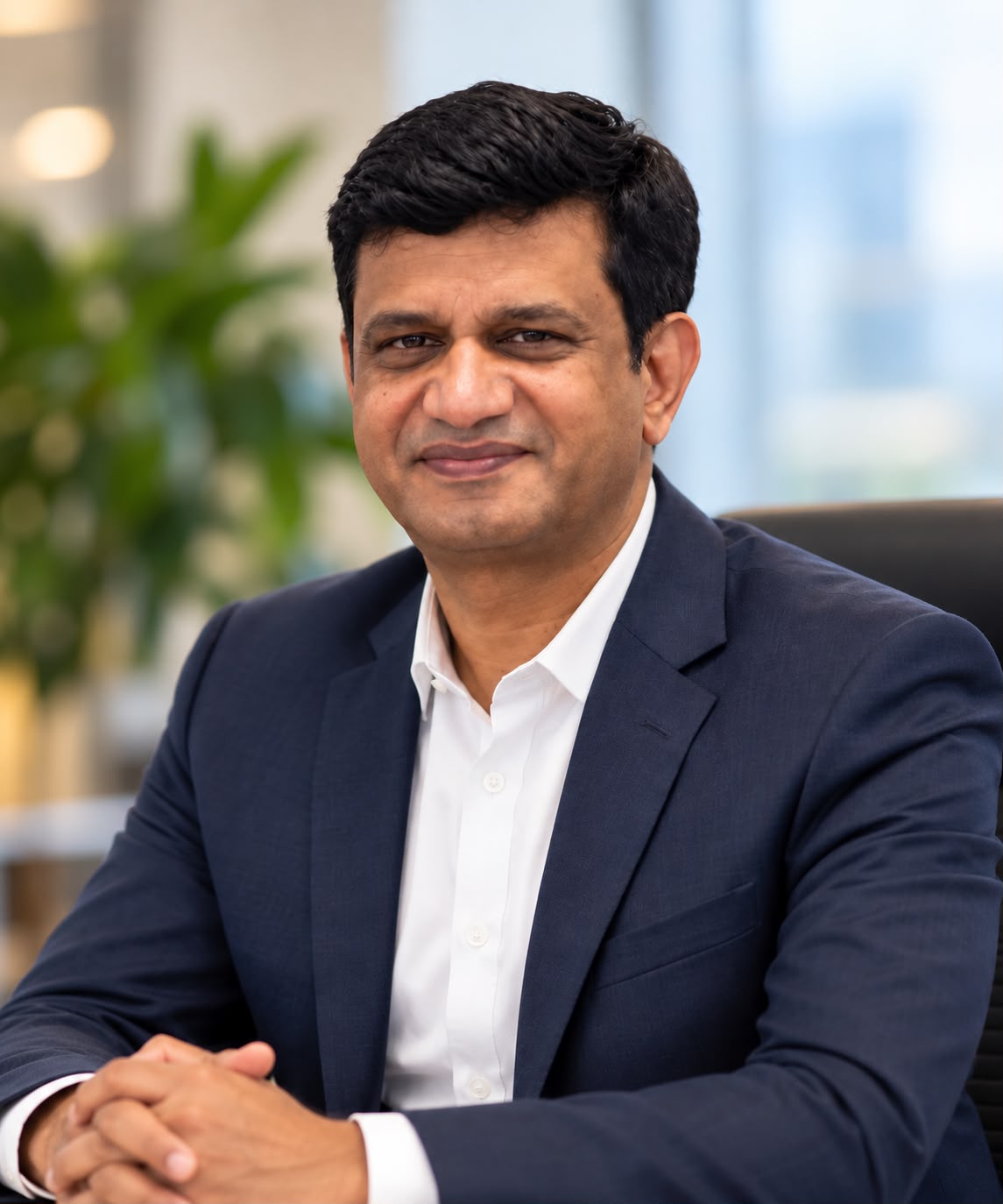
Book a 30-minute scoping call with Santosh Reddy and the US Leadership Team, or email us directly.
Related Ichelon Consulting US Houston pages
We cover every stage, from first search to repeat visit
- 0Foundations
- 1Demand gen
- 2Capture
- 3Lead quality
- 4Lead mgmt
- 5Scheduling
- 6Show-up
- 7Conversion
- 8Retention
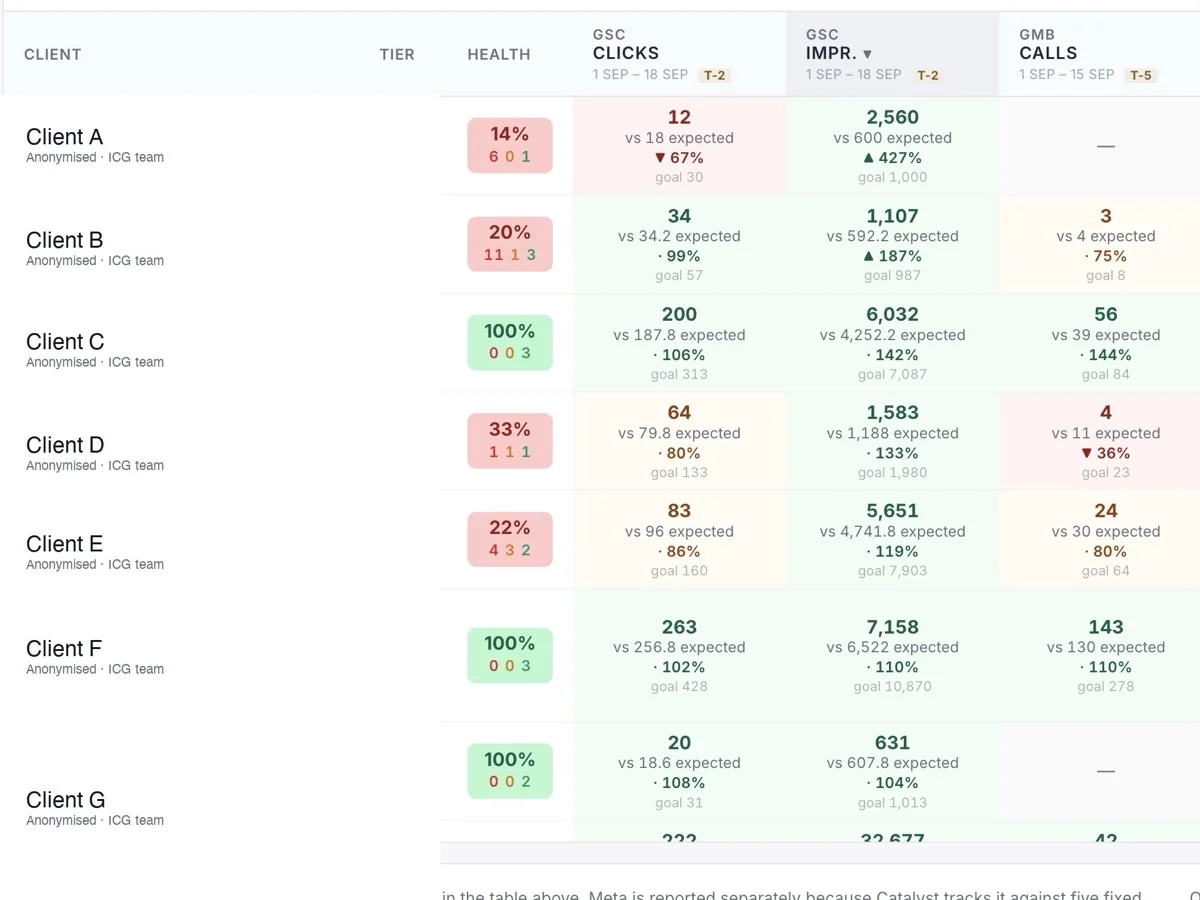
We work across all nine stages, from foundations to past patients, and fix the stage that leaks first. Our own software runs the work, and every stage is reported against a monthly target on Ichelon Agency OS.
See all nine stages and the tool behind each one →