Cosmetic dermatology marketing for Austin practices — built for the tech-worker aesthetic buyer, not the generic Texas playbook
Austin's cosmetic dermatology buyer is a different animal from the Highland Park or River Oaks buyer. Apple, Tesla, Meta, Google, Oracle, Indeed, IBM, AMD and hundreds of venture-backed startups have reshaped the aesthetic demand curve here — younger, more Zoom-camera-conscious, more informed on active ingredients, more suspicious of hard-sell language, and much more likely to research a treatment on Reddit before booking. Ichelon Consulting US is a Dallas, TX-headquartered cosmetic dermatology marketing agency that treats Austin as its own scoped market — not a smaller Dallas.
- Ichelon Consulting US is a Dallas, TX-headquartered cosmetic dermatology marketing agency serving Austin physician-led aesthetic practices — Westlake, Domain, Barton Hills, Tarrytown, Zilker, Rollingwood and the wider Austin-Round Rock metro.
- Every campaign scopes against HIPAA, Texas Medical Board Rule 165.1, Rule 165.5, Chapter 200 supervision, FDA off-label promotion, TCPA, CAN-SPAM, ADA and FTC Endorsement Guides.
- Retainers start from $499/month, custom-scoped to your goals, with Goals-Driven engagements and Performance-Linked Payout Models available. Angryturtle GBP OS runs in parallel for multi-location practices.
- Delivery emphasizes tech-buyer psychology: evidence-forward creative, active-ingredient literacy, Reddit-aware content strategy, Zoom-camera-conscious service positioning, and physician-led YouTube content that reads as informative rather than promotional.
- Dallas, Texas LLC
- 10-person US client team · Central Time (CST)
- 25+ US healthcare clients
- BAA signed with every client
- HIPAA compliance training across client and delivery teams
- Contracts and invoices in USD
-
 Primary Care · North Dallas, TXCase study →
-
 MedSpa · North Dallas, TX
-
 Skin Care · Beverly Hills, CA
-
 Dental · Christiansburg, VACase study →
-
 Pediatrics · Blacksburg, VACase study →
-
 Pediatric Dentistry · Blacksburg, VACase study →
-
 Dental · Roanoke, VACase study →
-
 Functional Medicine · Telehealth · USACase study →
“They were able to get all my ideas and work with me over a period of three to four months and create this amazing website. It's super customized, very modern, and it incorporates all the elements that I had wanted — the patient portal, nice pictures, a very interactive website, patient reviews. I would highly recommend their company to anyone who wants to make an excellent website.”
The Austin tech-worker aesthetic buyer — what actually converts
Austin's cosmetic dermatology buyer is disproportionately a knowledge-worker in her late twenties through late forties. She works at Apple's Domain campus, Tesla's Gigafactory, Meta's Austin office, Google's downtown tower, Oracle's Lakeshore complex, or one of the hundreds of venture-backed startups clustered around East Sixth, the Domain, and the Rainey Street corridor. She earns well, spends carefully, and treats aesthetic decisions the way she treats a technical purchase — she reads the spec sheet, she asks about active ingredients, she comparison-shops on evidence, and she gets defensive if the language sounds like a sales script.
Evidence-first, not aspiration-first
Highland Park marketing can lead with an aspirational photograph and a physician byline. That approach falls flat in Westlake and Tarrytown. The Austin tech buyer wants to know the molecular target of the neuromodulator, the specific device manufacturer of the laser, the depth of the microneedling protocol, the acid concentration in the peel, and the mechanism of action of Sculptra's poly-L-lactic acid. Creative that leads with evidence — a brief, honest, physician-voiced explanation — converts. Creative that leads with lifestyle photography does not.
Zoom-camera consciousness
Austin knowledge workers have spent five years on Zoom. That shifts the aesthetic priority set in ways that generalist marketers miss. Under-eye pigmentation, forehead expression lines, nasolabial fold shadow, and mid-face descent are all Zoom-camera-visible concerns that show up in search intent language specific to the tech-worker buyer — "how to look better on Zoom," "under-eye brightening treatment," "video call skin," "how to fix forehead lines." A practice that publishes even a modest amount of content in this language earns intent that generalist agencies never see.
Reddit-aware, TikTok-suspicious
The Austin tech buyer researches on Reddit — r/SkincareAddiction, r/30PlusSkinCare, r/AsianBeauty, r/SkincareScience — before booking. She trusts TikTok less than most demographic groups, particularly on aesthetic claims. Marketing has to work with the Reddit reality — content that answers the questions Austin buyers actually ask on those subreddits will surface in Google organic and will build the trust that leads to a booked consult. TikTok remains useful for surface-level awareness but does not convert the tech buyer directly.
The remote-work aesthetic wave
Since 2020, Austin has absorbed a very large remote-work aesthetic buyer cohort — professionals in tech, media, product management, design, and consulting who work from Barton Hills, Zilker and Tarrytown homes rather than downtown offices. This cohort has flexible daytime availability, prefers weekday mid-morning bookings, and will pay a modest premium for evening or Saturday appointments. Marketing has to reflect that scheduling reality — a booking flow that only offers Tuesday and Thursday slots misses a large share of this audience.
The New-Californian buyer
Austin has absorbed roughly 175,000 California relocations since 2020 by most estimates, plus meaningful inbound from New York, Seattle and Chicago. Those buyers arrive with an existing dermatology provider habit — often a Beverly Hills or SoHo aesthetic dermatologist — and search inside their first eight to twelve weeks for a comparable Austin practice. The search language they use is Californian: "best cosmetic dermatologist Austin," "board-certified injector Westlake," "medical microneedling Domain." A practice that scopes for this language earns share in the transplant window.
What cosmetic dermatology marketing covers in Austin
Cosmetic dermatology marketing is the acquisition motion for a physician-led aesthetic practice — a board-certified dermatologist owns clinical direction, procedures happen under Texas Medical Board Chapter 200 supervision, and the marketing has to earn trust with an Austin buyer who is unusually skeptical of med spa alternatives. Six revenue centers.
- Neuromodulators. Botox, Dysport, Xeomin, Jeuveau, Daxxify. Austin buyers ask questions about protein composition, diffusion patterns, and duration data — creative that meets that literacy converts.
- Dermal fillers. Hyaluronic acid, calcium hydroxylapatite, poly-L-lactic acid, PMMA. Austin trends toward conservative filler volumes and restoration-forward language over augmentation.
- Energy-based devices. BBL, IPL, Fraxel Dual, Halo, Thermage, Morpheus8, Ultherapy, Sofwave, CoolSculpting, EmSculpt, EMFACE. Downtime honesty matters — an Austin tech buyer will not tolerate a "no downtime" claim she can debunk with two minutes of Reddit research.
- Chemical peels. Superficial through medium-depth through deep, with Chapter 200 supervision scoped honestly. Barton Hills and Zilker buyers are particularly receptive to Jessner and TCA combinations for hyperpigmentation and post-acne texture.
- PDO and PLLA threads. Framed around bio-stimulation and structural support, not "facelift alternative" language.
- Medical microneedling. SkinPen, Morpheus8, Vivace, Genius, Sylfirm X, with PRP and growth-factor topical add-ons. Austin buyers research the depth-of-penetration data — a service page that publishes it wins the qualified consult.
Each revenue center carries a different topic map, a different paid-media playbook, and a different Rule 165.1 and Rule 165.5 audit posture. Bundling them into a single "aesthetic services" surface loses conversion — particularly with the Austin buyer who reads the practice website critically before booking.
HIPAA, Texas Medical Board, FDA, FTC, TCPA — the Austin operating envelope
Every Austin campaign scopes against the same regulatory frameworks as our Dallas and Houston engagements. The Austin buyer's technical literacy makes compliance more important, not less — she will notice an unsourced superiority claim, will question an unattributed statistic, and will unfollow a practice that overreaches on before/after imagery.
HIPAA on tracking and analytics
The 2022 OCR Bulletin, updated March 2024, treats condition and provider information tied to an identifier as PHI. Every Austin engagement starts with a PHI scrub across GA4, Google Ads enhanced conversions, Meta CAPI, TikTok Events API, session recording (Clarity, Hotjar), LiveChat scripts, and every third-party embed on the practice website.
Texas Medical Board Rule 165.1 — false, deceptive or misleading
Rule 165.1 caps outcome, superiority and guarantee-adjacent language. Austin buyers actively look for these violations — an unfounded "best in Austin" claim damages trust more than it converts. Every campaign is rewritten into Rule 165.1-safe alternatives.
Texas Medical Board Rule 165.5 — testimonials and before/after imagery
Rule 165.5 requires written patient consent, disclosure when results are not typical, current standard of care, no undisclosed compensation. Every before/after asset carries a Rule 165.5 audit trail — the trail is what protects the practice if a Board complaint or a consent question later arises.
Texas Medical Board Chapter 200 — supervision
Chapter 200 governs delegation and supervision of nonsurgical cosmetic procedures. Marketing that names a "medical director" without an actual supervising relationship, or that implies patient-specific supervision that did not occur, invites enforcement risk. Every service page audits against the practice's real supervision structure.
FDA on off-label promotion
Off-label practice is legal; off-label promotion is regulated. Masseter tox, tear-trough filler in non-cleared materials, Sculptra for décolletage, specific device off-label applications — all flagged for first-party clinical experience framing or removal.
TCPA, CAN-SPAM, ADA, FTC Endorsement Guides
TCPA on SMS and voice consent (2024 FCC revocation-of-consent updates apply). CAN-SPAM on email. ADA / WCAG 2.1 AA on accessibility — this matters in Austin, where litigation activity is elevated. FTC Endorsement Guides on any influencer or review-incentive content.
What the monthly Austin stack ships
Six delivery layers, weighted for the Austin tech-buyer reality. Evidence-forward creative, Reddit-aware content, Zoom-camera-conscious service positioning, and long-form YouTube physician-authority publishing weight higher than the Dallas or Houston default.
1. Cosmetic-only SEO for tech-worker intent
Six revenue-center clusters plus a "Zoom-face" cluster tied to under-eye, forehead and mid-face concerns; plus a "moved-from-California" transplant cluster; plus a Reddit-aware content layer that answers the questions Austin buyers actually ask on skincare subreddits.
2. Google Ads on cash-pay intent
Branded, non-branded, LSA where eligible. Geo-fenced on Westlake, Domain, Barton Hills, Tarrytown, Zilker and Rollingwood; secondary on Round Rock, Cedar Park, Lakeway and Bee Cave. HIPAA-scoped tracking, Rule 165.1-audited copy.
3. Meta Advantage+ with restrained creative
Advantage+ campaigns with HIPAA-scoped audience construction, Rule 165.5-audited before/after content, and creative pacing that reads honest rather than aggressive. Instagram organic tuned to the Austin aesthetic feed pattern.
4. GBP density per Austin location
Angryturtle-run GBP OS. Post cadence, review response, Q&A seeding, photo hygiene, service catalog depth. Cross-listing reputation on Healthgrades, RealSelf, Vitals, Yelp.
5. YODA physician-authority video
Long-form YouTube publishing that positions the dermatologist as the citation surface for AI Overviews and PAA panels — this weights heavier in Austin because the tech buyer's research pattern actually watches long-form video.
6. Attribution to booked visits
Monthly reporting ties channel spend to booked visits and revenue by service line. PMS or EHR integration where allowed; manual closed-loop reconstruction where not.
What we found when we studied 555 US med spas on Google
Patients praise the care almost without exception. The one area where complaints outnumber praise is booking and communication, and that is where most med spas can win.
City figures from 20 med spas; smaller samples swing more, so read them as typical rather than exact.
Full study · 555 US med spas across 20 metros · roughly ±4% nationally · review velocity and themes from a 115-spa subsample · verified against raw data.
Service-line marketing angles for Austin
Every service line needs its own narrative and its own creative approach. What converts a Westlake first-time filler client does not convert a Barton Hills laser resurfacing client, and neither converts an Apple product manager researching medical microneedling.
Neuromodulators for the Zoom-face buyer
Austin tox marketing leans into "how to look better on video" without medicalizing the concern. Glabellar, crow's feet, forehead — the three most Zoom-visible dynamic areas — get their own creative surfaces. Duration-of-effect claims (Daxxify) are FDA-language-audited. Introductory pricing does not convert this cohort — trust the physician's clinical judgment does.
Fillers for restoration, not augmentation
Austin filler marketing leads with facial harmony, mid-face support and lip refinement — never volume-first framing. Sculptra and Radiesse angle the GLP-1 aesthetic wave with skin-quality and collagen-stimulation language.
Lasers with honest downtime
Fraxel Dual and Halo for tone and pigment; picosecond laser for melasma; hybrid resurfacing for deeper concerns. Downtime honesty converts. A "no downtime" claim on any fractional laser loses trust with the Austin buyer inside a single visit to Reddit.
Peels for hyperpigmentation and post-acne
Medium-depth TCA and Jessner for melasma, post-inflammatory hyperpigmentation, and post-acne texture. Superficial peels for maintenance. Chapter 200 supervision claims scoped honestly.
Threads with FDA-clear language
Bio-stimulation and structural support, not "facelift alternative." Decisive lifting conversations route to Ultherapy or Sofwave where clinically appropriate.
Microneedling for the research-heavy buyer
Publishing depth-of-penetration data, device manufacturer specifics, and PRP versus growth-factor comparisons wins the Austin qualified consult. Morpheus8 arrives from Instagram; SkinPen arrives from dermatologist referral; Vivace arrives from Reddit — three different content and paid stacks.
Austin neighborhoods and metro submarkets we serve
Austin's cosmetic dermatology geography clusters around the Westlake / Rollingwood / Barton Hills spine on the west side, the Domain on the north side, Tarrytown just west of Mopac, and downtown Austin between the river and Sixth. Round Rock, Cedar Park and Lakeway are separate submarkets — a citywide overlay under-serves each.
What an Austin cosmetic dermatology marketing engagement costs
Retainers start from $499/month, custom-scoped to your goals, with Goals-Driven engagements and Performance-Linked Payout Models available.
Retainers are custom-scoped against provider count, location count, service catalog breadth, and desired share of the Austin aesthetic market. No packaged tiers — a Westlake solo cosmetic dermatologist has a different weighting from a two-location Westlake-and-Domain group.
Typical scope:
- Solo cosmetic dermatologist, Westlake or Barton Hills. Cosmetic-only SEO, GBP OS, one paid channel weighted to Meta on aesthetic intent, monthly reporting, quarterly strategy review.
- Two-to-three location Austin cosmetic dermatology practice. Full cosmetic SEO stack, GBP density per location, Google + Meta paid, reputation cross-monitoring, YODA physician-authority pilot, Zoom-face content layer.
- Multi-location Austin group or Austin-plus-Dallas cosmetic dermatology platform. Full stack plus per-location P&L attribution, per-injector content publishing, PMS or EHR integration, cross-city SEO respecting each market's distinct submarket weightings.
Media spend is pass-through and scoped separately — typically $3,500 to $25,000 per month for an Austin cosmetic dermatology practice. Angryturtle GBP OS runs in parallel from $12 per location per month.
Search Intelligence Trifecta for Austin cosmetic dermatology
Every Austin engagement runs on the Search Intelligence Trifecta — Angryturtle, SIE and YODA. Paid buys the booking today; SIE earns tomorrow's ranking; YODA carries an outsized share of the delivery stack in Austin because the tech buyer actually watches long-form video.
Angryturtle · GBP OS per Austin location
Post cadence, review response, Q&A seeding, photo hygiene, service catalog depth. Solo plan from $12 per month per location.
SIE · Search Intelligence Engine
Cosmetic-only topic map with Zoom-face, transplant and Reddit-aware sub-clusters. Content briefs optimized for AI Overview citation and PAA panels on Austin aesthetic queries.
YODA · YouTube AIO for Austin
Long-form provider-authority publishing weighted heavier for the Austin buyer's research pattern. Optimized for AI Overview and YouTube recommendation on Austin aesthetic and Zoom-face queries.
Austin cosmetic dermatology marketing — common questions
Are you based in Austin, or do you deliver Austin campaigns from Dallas?
Ichelon Consulting US is headquartered in Dallas — a three-hour drive south to Austin, inside the same Central Time zone. We fly to Austin for scoping calls and quarterly strategy reviews with practices that prefer in-person work. Day-to-day delivery runs from Dallas and India on a Central Time working rhythm — same account cadence, review structure and reporting stack as our DFW engagements.
Why is Austin different from Dallas or Houston for cosmetic dermatology marketing?
The buyer psychology. Austin's tech-worker demographic is disproportionately evidence-first, active-ingredient literate, Reddit-informed, and skeptical of sales language. Creative that leads with aspirational photography converts in Highland Park; it falls flat in Westlake. Creative that leads with a physician-voiced, honest explanation of mechanism of action converts in Austin. The same six revenue centers, delivered with a materially different creative posture.
How do you scope for the Apple, Tesla, Meta, Google worker cohort specifically?
Content that answers Zoom-face concerns without medicalizing them. Booking flows that offer weekday mid-morning and Saturday slots for the remote-work reality. Long-form YouTube physician-authority video weighted higher than we would for a Highland Park or River Oaks practice — because this buyer actually watches 12-minute treatment explainers. And a Reddit-aware SEO layer that shows up on the search queries this buyer routinely runs after her research phase.
Do Texas Medical Board rules apply the same way in Austin as in Dallas?
Yes. Rule 165.1 (false, deceptive or misleading advertising), Rule 165.5 (patient testimonials and before/after imagery), and Chapter 200 (delegation and supervision of nonsurgical cosmetic procedures) apply to every Texas-licensed physician. The Austin buyer's technical literacy makes these rules more consequential in practice, not less — she is more likely to notice a violation and react to it. We scope every campaign against all three before creative approval.
What is a typical CPQL for Austin cosmetic dermatology paid media?
Cost per qualified lead varies by service. Botox and filler intent in Westlake and Tarrytown typically deliver $50 to $105 per qualified lead in mature campaigns. Laser resurfacing and body contouring campaigns run $115 to $230. Zoom-face-adjacent campaigns (under-eye, forehead, mid-face) often outperform citywide averages by 15 to 30% because the intent language is under-competed and the buyer converts fast once she trusts the physician.
Can you handle a practice that also operates in Round Rock, Cedar Park or Lakeway?
Yes. Each of those submarkets carries a different buyer profile from central Austin. Round Rock and Cedar Park lean more into family-and-professional buyer intent; Lakeway leans more into affluent-suburban with a small-town booking pattern. We scope per submarket, not as a citywide overlay, and we structure per-location GBP density that captures each address independently.
Scope your Austin cosmetic dermatology marketing engagement
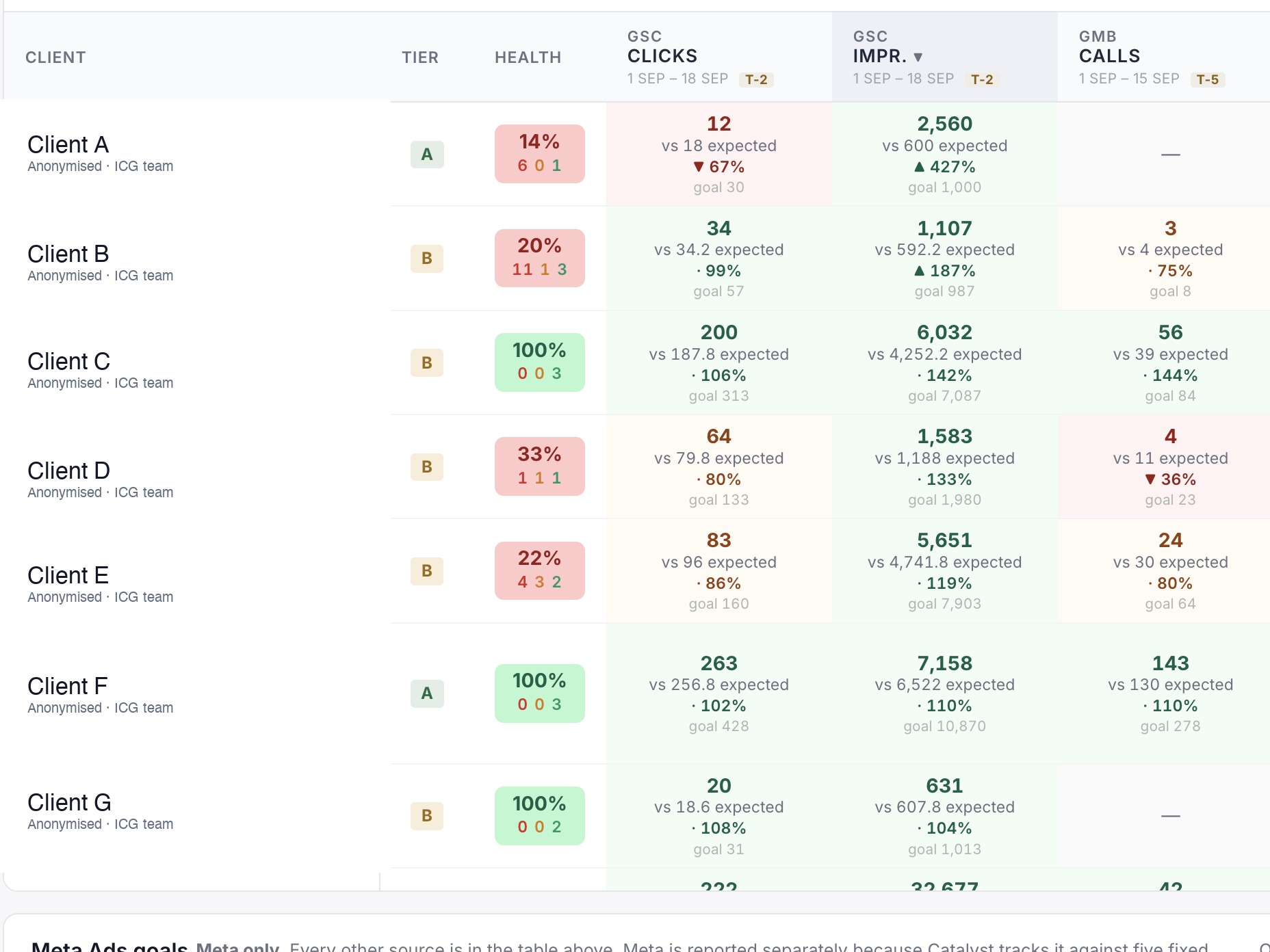
Book a 30-minute scoping call, email Santosh (Dallas HQ) directly, or WhatsApp us. CT hours, same day where we can — and we fly to Austin for in-person scoping when it helps.
Adjacent Austin and US marketing hubs
-
Primary Care · North Dallas, TXCase study →
-
MedSpa · North Dallas, TX
-
Skin Care · Beverly Hills, CA
-
Dental · Christiansburg, VACase study →
-
Pediatrics · Blacksburg, VACase study →
-
Pediatric Dentistry · Blacksburg, VACase study →
-
Dental · Roanoke, VACase study →
-
Functional Medicine · Telehealth · USACase study →
“They were able to get all my ideas and work with me over a period of three to four months and create this amazing website. It's super customized, very modern, and it incorporates all the elements that I had wanted — the patient portal, nice pictures, a very interactive website, patient reviews. I would highly recommend their company to anyone who wants to make an excellent website.”
We cover every stage, from first search to repeat visit
- 0Foundations
- 1Demand gen
- 2Capture
- 3Lead quality
- 4Lead mgmt
- 5Scheduling
- 6Show-up
- 7Conversion
- 8Retention
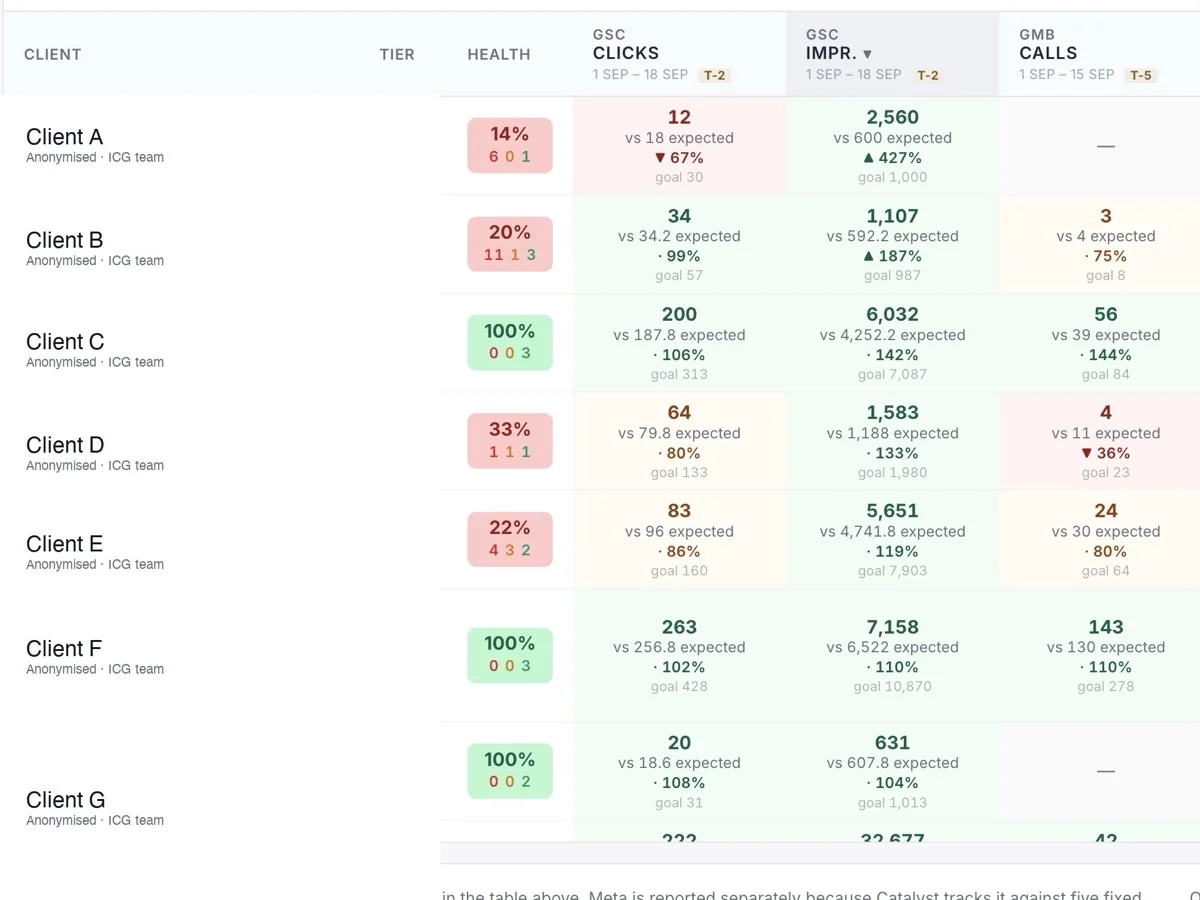
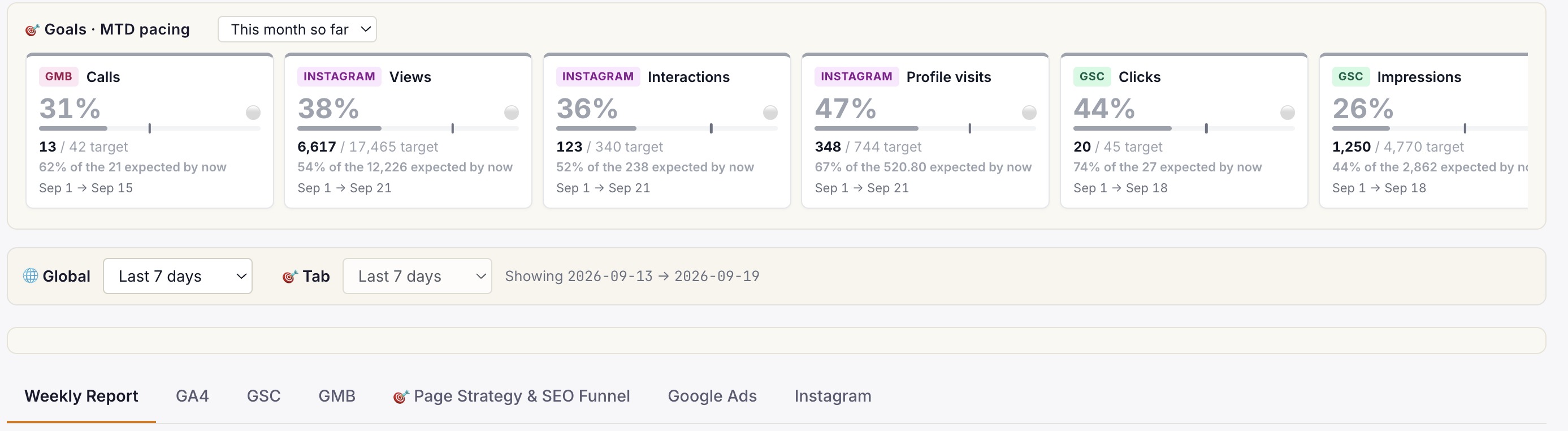
We work across all nine stages, from foundations to past patients, and fix the stage that leaks first. Our own software runs the work, and every stage is reported against a monthly target on Ichelon Agency OS.
See all nine stages and the tool behind each one →