Plastic Surgery Marketing
Agency in New York.
By Santosh Reddy · Partner, Ichelon Consulting US. Reviewed by Hanuman Sihag. Delivered from Dallas, Texas, for Manhattan, Brooklyn, Long Island, and Westchester plastic surgery practices.
Plastic surgery marketing in New York carries three constraints unique to the metro: the highest Meta cost-per-thousand-impressions in the US aesthetic market, the strictest state medical board advertising review outside California, and a review-platform environment where a Manhattan practice's directory presence carries as much decision weight as its Google rank. On top of that, the buyer profile splits sharply — Manhattan cash-pay concierge consults with $12K to $60K case values, and outer-borough financed or CareCredit-driven consults with $4K to $18K case values. Ichelon Consulting US runs a split creative library, split reporting, and split compliance workflow across the two lines.


- Dallas, Texas LLC
- US client team · Central Time (CST)
- 25+ US healthcare clients
- BAA signed with every client
- HIPAA compliance training across client and delivery teams
- Contracts and invoices in USD
-
 Primary Care · North Dallas, TXCase study →
-
 MedSpa · North Dallas, TX
-
 Skin Care · Beverly Hills, CA
-
 Dental · Christiansburg, VACase study →
-
 Pediatrics · Blacksburg, VACase study →
-
 Pediatric Dentistry · Blacksburg, VACase study →
-
 Dental · Roanoke, VACase study →
-
 Functional Medicine · Telehealth · USACase study →
“They were able to get all my ideas and work with me over a period of three to four months and create this amazing website. It's super customized, very modern, and it incorporates all the elements that I had wanted — the patient portal, nice pictures, a very interactive website, patient reviews. I would highly recommend their company to anyone who wants to make an excellent website.”
NYC plastic surgery competitive floor —
the country's highest cost-per-consult.
The Manhattan plastic surgery market has the highest per-consult acquisition cost in the country. Meta cost-per-thousand-impressions runs 2.5 to 4 times the same aesthetic creative's cost in a Sun Belt metro, and Google Ads cost-per-click on high-intent cosmetic terms sits regularly above $18 for a rhinoplasty or facelift phrase-match campaign. What justifies the number is the case value — a Manhattan primary rhinoplasty runs $18K to $42K, a facelift runs $28K to $75K, and a full-suite mommy makeover runs $35K to $90K. A single converted consult can pay for four to six months of marketing spend, which is a different economic model from Boston or Chicago cosmetic marketing.
The competitive floor is also unusually deep. Manhattan alone hosts over 500 board-certified plastic surgeons, and the local pack for "plastic surgeon near me" is contested by named academic-medicine adjacent practices, luxury flagship practices, and boutique aesthetic groups running professional media investment. The practice that ranks position 1 on Google for "rhinoplasty Manhattan" spends more per month on link-earning content and Google Business Profile discipline than most practices in Dallas spend on their entire marketing operation. The floor is not "run some ads and hope"; the floor is a compounding editorial calendar, a consistent review-generation SOP, and disciplined technical SEO.
Manhattan concierge vs outer-borough volume —
two operating models under one board certification.
The Manhattan concierge plastic surgery practice runs on a low-volume, high-value model — 12 to 22 primary cases a month across the surgeon's schedule, with a heavy consultation-to-book ratio (four to six consults per booking), long consideration cycles (60 to 180 days from first ad view to consult), and heavy reliance on referrals from existing patients and adjacent specialists (facial plastics from dermatology, breast from OB-GYN). The landing page and Meta creative both lean into surgeon credential density, technology (surgical technique naming, anesthesia credentials, facility accreditation), and pre-consult trust building over the long research window.
The outer-borough or bridge-and-tunnel plastic surgery practice runs on a mixed model — 30 to 60 primary cases a month across smaller-average-ticket procedures (breast augmentation, tummy tuck, liposuction), a heavier Meta reliance for demand generation, CareCredit or Alphaeon financing prominently displayed, and shorter consideration cycles (30 to 90 days). Landing pages lead with accessibility (evening consults, virtual first-consult, parking or subway proximity), transparent price ranges for the practice's most common procedures, and financing options positioned in the top fold.
A multi-location practice with a Manhattan flagship and a Long Island or Westchester satellite earns most when each location runs its own dedicated landing page, its own Google Business Profile, and its own Meta creative variant. The Manhattan flagship's creative and the Long Island satellite's creative should read as related-but-distinct brand experiences, not identical copies. Ichelon Consulting US's baseline model is one brand-level content hub with N branch pages, N Business Profiles under central review management, and N ad-account structures under one master ad account.
Instagram and Meta creative —
the policy-restricted category that still runs at scale.
Plastic surgery is one of the most heavily policy-restricted verticals on Meta, and the practices that scale here are the practices that treat the platform's Personal Attributes and Health & Wellness policies as design constraints, not obstacles to work around. The pattern that reliably publishes and reliably converts: educational, surgeon-led, third-person creative that describes procedures, technique choices, and provider credentials without addressing the viewer as though the platform knows something about the viewer's body.
A creative that reads "want a smaller nose?" gets rejected inside the first automated review pass. A creative that reads "rhinoplasty consultation with a board-certified plastic surgeon in Manhattan" runs and converts. The creative library that Ichelon Consulting US maintains for New York plastic surgery clients is organized around this pattern — 60 to 90 evergreen educational creatives per procedure category, pre-cleared against Personal Attributes language, refreshed quarterly, and rotated to prevent creative fatigue.
Instagram organic content works alongside paid Meta. The evergreen format that consistently earns save-and-share behavior is the surgeon-on-camera educational Reel — 60 to 90 seconds, surgeon in the operatory or consult room, explaining a technique choice ("open vs closed rhinoplasty — how I decide," "why I prefer subfascial vs subglandular for a certain patient profile"). The pattern is credentials-forward and educational; it stays inside the compliant zone because it names no specific patient, promises no specific outcome, and does not target the viewer's body.
Before-and-after content —
what actually publishes on Meta and Google.
Before-and-after imagery is a legitimate cornerstone of plastic surgery marketing and — under specific conditions — publishes on Meta. The compliant conditions are stringent: both subjects visible in the same framing (no crops that hide the "before"), no exaggeration through lighting, filter, or angle, accurate representation of the surgeon's work, a signed HIPAA-compliant patient consent for image use in marketing, and no comparative superlatives in the caption ("best rhinoplasty in NYC" fails; "primary rhinoplasty performed by Dr X, board-certified plastic surgeon" runs).
Meta's automated classifier still rejects a meaningful share of compliant before-and-after creative on the first pass, which means the practice needs a policy-appeal workflow ready. Ichelon Consulting US's New York clients ship the policy appeal inside 24 hours of a first rejection, and see roughly 55 to 70 per cent of compliant before-and-afters approved after the human-review appeal. Practices that skip the appeal step or lodge combative appeals lose access to the workflow over time.
On the website itself, before-and-after galleries are unrestricted by Meta policy and are one of the highest-converting on-page elements a plastic surgery practice can build. The pattern that converts: procedure-organized galleries, minimum 12 to 20 images per procedure, all with signed consent, all with a short procedure description and technique note under the image, and a "book a consult with Dr X" CTA anchored to the gallery. The website gallery does the trust-building the ad creative cannot.
ASPS and AAAASF trust signals —
the credentials the New York buyer actually decodes.
The New York cosmetic buyer, more than the buyer in almost any other US metro, decodes credentials. American Board of Plastic Surgery certification (ABPS), membership in the American Society of Plastic Surgeons (ASPS) and the Aesthetic Society (formerly ASAPS), facility accreditation by AAAASF (or by Joint Commission or AAAHC), and — for revision or complex reconstructive cases — fellowship credentials from named academic institutions all show up in the buyer's consideration set. A Manhattan plastic surgeon whose website does not clearly display ABPS certification, ASPS membership, and facility accreditation is invisible to the segment of the buyer market that filters on credentials first.
The compliant display pattern is factual and unadorned. "Board-certified in Plastic Surgery by the American Board of Plastic Surgery, member of the American Society of Plastic Surgeons, surgery performed at an AAAASF-accredited facility" is factual, verifiable, and reads as trust signal without triggering New York state medical board advertising review as a comparative or superlative claim. The New York State Education Department and the state medical board actively review physician advertising for superlative language, and "best," "top-rated," "leading," and "number one" trigger scrutiny.
Ichelon Consulting US's copy standard for New York plastic surgery clients is factual-and-verifiable across every surface — landing pages, ad copy, Meta creative, Google Business Profile description, YouTube video descriptions, and podcast bios. Every credential claim can be verified against a public registry, every technology claim can be verified against the facility's actual equipment, and every outcome claim is peer-reviewed literature with attribution, not the practice's own case series.
Local pack —
US directories, Google Business Profile, and Apple Maps.
The New York plastic surgery local pack is a compound discipline. Google Business Profile completeness, review velocity and rating, borough-level citation density, on-page schema for LocalBusiness and Physician, and photo freshness all matter — and, unusually for the specialty, US directory review platforms carry review weight almost equal to Google. A New York plastic surgery practice with 190 Google reviews at 4.7 stars and 40 directory reviews at 4.9 stars ranks in a different competitive tier than an equally-clinically-strong practice with 210 Google reviews and no directory presence.
Apple Maps Business Connect is the under-invested channel, and Manhattan's iPhone share above 70 per cent makes it a bigger local-pack rank surface than most cosmetic practices realize. Ichelon Consulting US claims and optimizes the Apple profile at engagement kickoff — primary category selection (Plastic Surgeon vs Cosmetic Surgeon vs Medical Spa, depending on the practice's actual case mix), photo set, service list, hours, and monthly refresh cadence.
Review generation runs on a post-op cadence. Post-op day 30 is the highest-yield window for a positive Google review request; post-op day 90 is the second highest. The practice's review-generation SOP sends a same-day post-visit SMS with the review link, a 30-day post-op SMS at the visit-two check-in, and a 90-day SMS at the visit-three check-in. Never solicit a review with any consideration or discount attached — Google's review policy and FTC endorsement rules both prohibit it, and Google's classifier suppresses profiles that show the pattern.
HIPAA-safe intake and pricing (US$) —
from solo surgeon to multi-location group.
Retainers start from $499/month, custom-scoped to your goals, with Goals-Driven engagements and Performance-Linked Payout Models available.
Plastic surgery intake carries a heavier HIPAA footprint than most cosmetic specialties because a first-consult intake typically collects photographs the patient uploads, medical history relevant to surgical planning, and — for revision consults — details of prior surgery. The intake infrastructure has to reflect that: HIPAA-compliant intake platform with a signed BAA, encrypted image upload, MFA on the receiving inbox, and a documented retention and access policy for the uploaded material.
Engagements are custom-scoped and usually fall into three shapes. Foundation: solo plastic surgeon or boutique two-provider practice, Google Business Profile optimization, weekly YouTube long-form (surgeon-led educational), Meta and Google Ads management ($8K to $22K ad spend), before-and-after content library management, review generation SOP, HIPAA-safe intake, and quarterly compliance audit. Growth: two-to-four-provider practice, dual-borough or Manhattan-plus-satellite footprint, expanded creative library with Meta Personal Attributes pre-review, policy-appeal workflow, and Ichelon Consulting US-managed directory response service. Group band (custom): multi-provider practice or group with five or more surgeons, brand-level content authority with programmatic surgeon-and-procedure pages, central-review-management dashboard, per-surgeon Google Ads sub-campaigns, and quarterly principal-level strategy reviews. Every engagement is scoped against HIPAA, TCPA, ADA (WCAG 2.2 AA), CAN-SPAM, FTC endorsement rules, and New York State Education Department and state medical board advertising rules.
Related Ichelon Consulting US pages
for plastic surgery and adjacent specialties.
About plastic surgery marketing
in New York City.
Under specific conditions, yes — both subjects visible in the same framing, no lighting or filter exaggeration, signed HIPAA-compliant patient consent, and no comparative or superlative caption. Meta's automated classifier still rejects a share of compliant before-and-afters on first pass, so a policy-appeal workflow with a 24-hour SLA is required. Ichelon Consulting US's New York clients see roughly 55 to 70 per cent of compliant before-and-afters approved after human-review appeal.
Third-person, educational, surgeon-led creative that describes procedures, technique choices, and provider credentials — never second-person creative that addresses the viewer's body or condition. Ichelon Consulting US maintains a New York-specific creative library organized on this pattern, pre-cleared against Personal Attributes language, refreshed quarterly, and rotated to prevent creative fatigue.
American Board of Plastic Surgery certification (ABPS), American Society of Plastic Surgeons or Aesthetic Society membership, and facility accreditation by AAAASF, Joint Commission, or AAAHC. New York buyers filter on credentials more actively than most US metros. The compliant display is factual — 'board-certified in Plastic Surgery by the American Board of Plastic Surgery, member of ASPS, surgery performed at an AAAASF-accredited facility' — with no superlative language that would trigger New York state medical board review.
For educational, surgeon-led content, TikTok has a legitimate audience — younger primary-consultation candidates researching rhinoplasty, breast augmentation, and body contouring. The compliance frame is the same as Meta: third-person, educational, no viewer-body targeting, factual credentials. TikTok's ad platform is more restrictive than Meta on cosmetic surgery ad approvals, so most of the TikTok return comes from organic content rather than paid. Ichelon Consulting US's default is Meta and Instagram as the paid layer, TikTok as an organic amplifier for surgeons who are comfortable on camera.
Every Ichelon Consulting US engagement signs a Business Associate Agreement, transports intake over TLS, receives on a HIPAA-compliant platform, and enforces MFA on the receiving inbox. Image-upload intake for revision consults uses encrypted upload with documented retention. Retainers start from $499/month, custom-scoped to your goals, with Goals-Driven engagements and Performance-Linked Payout Models available.
Ready to build a New York
plastic surgery growth engine?
Start with a complimentary 30-minute Plastic Surgery Growth Diagnostic from Ichelon Consulting US (Dallas, TX). For solo surgeons, boutique groups, and multi-provider practices across Manhattan, Brooklyn, Long Island, and Westchester.
We cover every stage, from first search to repeat visit
- 0Foundations
- 1Demand gen
- 2Capture
- 3Lead quality
- 4Lead mgmt
- 5Scheduling
- 6Show-up
- 7Conversion
- 8Retention
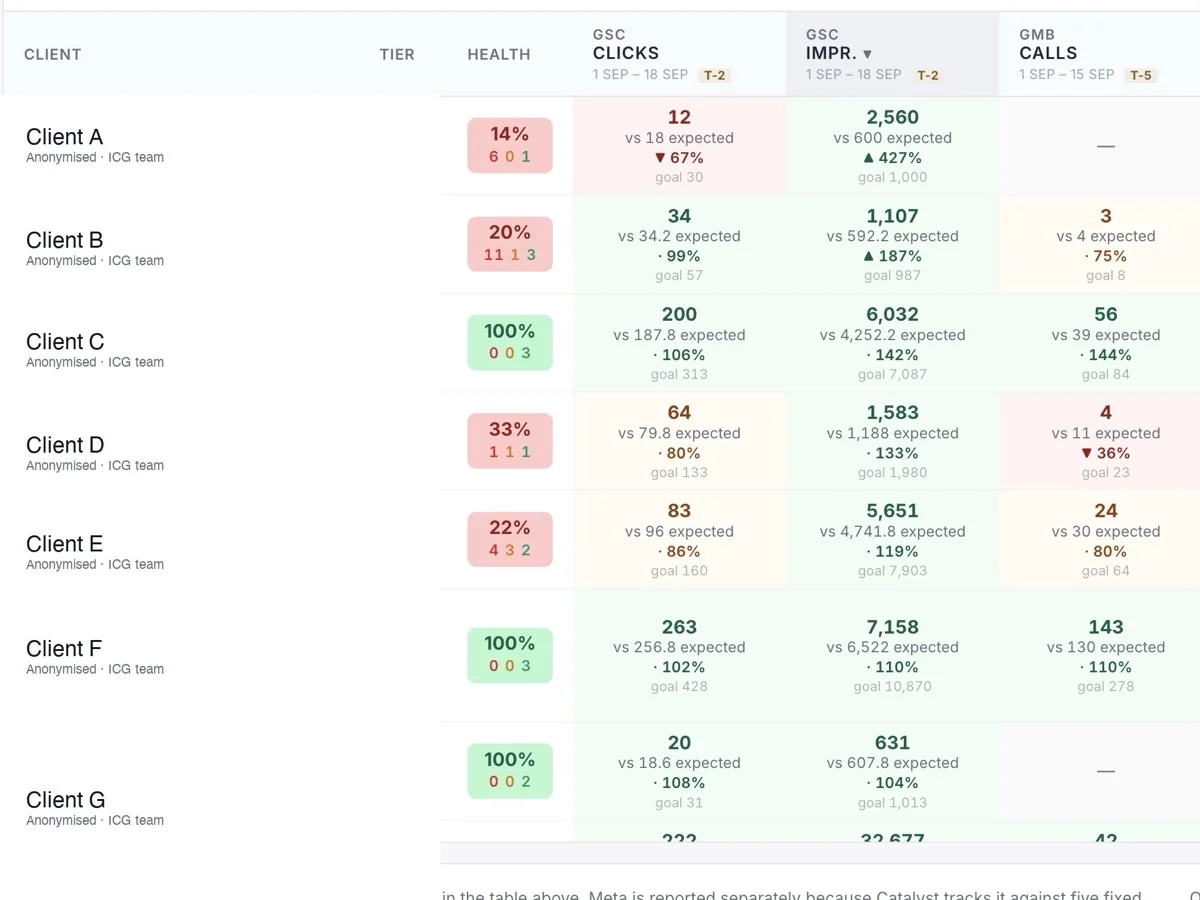
We work across all nine stages, from foundations to past patients, and fix the stage that leaks first. Our own software runs the work, and every stage is reported against a monthly target on Ichelon Agency OS.
See all nine stages and the tool behind each one →