


Schedule J 2026: 54 Conditions Doctors Legally Can't Advertise
Schedule J 2026: full list of all 54 conditions Indian doctors can't legally advertise cures for. Penalties, HCP-only exception, clinic compliance checklist inside.
No pitch. Written root-cause diagnosis. AI-powered, healthcare only.
Direct answer
Schedule J 2026: full list of all 54 conditions Indian doctors can't legally advertise cures for. Penalties, HCP-only exception, clinic compliance checklist inside.
TL;DR
Schedule J of the Drugs and Cosmetics Rules 1945 lists 54 diseases and conditions for which drug-claim advertising to the public is prohibited under the Drugs and Magic Remedies (Objectionable Advertisements) Act 1954. For healthcare marketers — both at the clinic level and at the pharmaceutical brand level — Schedule J defines the boundary between permitted and prohibited drug marketing. Understanding the list is foundational. Misunderstanding it creates regulatory risk that compounds across every piece of content the marketing programme publishes.
What Schedule J Is and Why It Matters
The Drugs and Magic Remedies (Objectionable Advertisements) Act 1954 prohibits advertising that claims to prevent, treat, or cure specific listed diseases and conditions. Schedule J of the Drugs and Cosmetics Rules 1945 provides the operational list of those 54 conditions. The Act applies to advertising directed at the public — meaning content that the general public can see and that contains claims about drugs treating, preventing, or curing the listed conditions.
The clinical service distinction is critical. Schedule J prohibits drug-claim advertising for the listed conditions to the public — it does not prohibit clinical service marketing for treating those conditions. A clinic can advertise that it treats diabetes; it cannot advertise a specific drug that cures diabetes. A hospital can market its cardiac surgery service; it cannot market a specific drug that prevents heart disease. The distinction between clinical-service marketing (permitted) and drug-claim marketing (prohibited for Schedule J conditions) is the operational principle that healthcare marketers must internalise.
The HCP-targeted exception is also critical. Schedule J restricts drug-claim advertising to the public. HCP-targeted promotion — promotional material directed at registered medical practitioners, with appropriate access controls — operates under different rules (the Indian Pharmacopoeia Commission guidelines and the UCPMP). A pharma brand can market its diabetes drug to HCPs with appropriate gating; it cannot market the same drug to the public.
The Schedule J Conditions — Full List with Marketing Implications
The 54 Schedule J conditions span infectious diseases, metabolic conditions, cancers, mental health conditions, sexual function disorders, and several others. The 2026 list is presented below with marketing implications for each category.
Infectious diseases (8 conditions): AIDS, cholera, diphtheria, leprosy, plague, syphilis, tuberculosis, typhoid fever. Drug-claim advertising for prevention or treatment of these conditions to the public is prohibited. Clinical-service marketing (e.g., a hospital's HIV care service, a TB clinic's diagnostic service) is permitted within general NMC framing.
Metabolic conditions (3 conditions): Diabetes, gout, obesity. Drug-claim advertising for prevention or treatment is prohibited. This affects a large share of pharmaceutical marketing in India — diabetes alone is one of the largest drug markets — and all marketing in this space must be HCP-targeted, not public-targeted.
Cancers (1 condition, broadly framed): Cancer (all forms). Drug-claim advertising for prevention or treatment is prohibited. Clinical-service marketing (e.g., an oncology hospital's cancer treatment service) is permitted. This affects medical oncology marketing throughout India.
Mental health and neurology conditions (7 conditions): Insanity, paralysis, epilepsy, infirmity in old age, fits, mental retardation, leucorrhoea. Drug-claim advertising for prevention or treatment is prohibited. The mental-health market is increasingly active in India and the prohibition creates specific content-strategy implications for the category.
Sexual function and reproductive conditions (6 conditions): Sexual impotence, premature ageing, lack of sexual potency, female sexual impotence, sterility, increase of sexual desire. Drug-claim advertising for prevention or treatment is prohibited. This affects andrology, fertility, and sexual-medicine marketing materially. Clinical-service marketing (e.g., an andrology clinic's service offering, an IVF clinic's treatment) is permitted.
Genitourinary and renal conditions (4 conditions): Bright's disease (kidney disease), gravel and stones in urinary organs, change in colour of hair, change of foetal sex by drugs. Drug-claim advertising is prohibited. Clinical-service marketing for kidney care, urology, and related services is permitted.
Skin conditions (2 conditions): Baldness, leukoderma. Drug-claim advertising for prevention or treatment is prohibited. This affects hair-loss drug marketing and dermatology marketing for vitiligo treatment. The clinical-service distinction is critical: a hair-restoration clinic can market the surgical service; it cannot market a drug that "cures baldness."
Cardiovascular conditions (3 conditions): High blood pressure, heart conditions, lower blood pressure. Drug-claim advertising is prohibited. Cardiology pharmaceutical marketing operates entirely in HCP-targeted territory with appropriate access controls.
Liver, gastrointestinal, and other (15 conditions): Diseases of liver, asthma, blood diseases (including thalassemia), spina bifida, fevers, dropsy, congenital deformities, dysentery, dyspepsia, deafness, blindness, congenital diseases, glaucoma, hydrocele, fistula. Drug-claim advertising is prohibited; clinical-service marketing is permitted within general NMC framing.
Other listed conditions (5 conditions): Diseases of pancreas, diseases of pleura, lupus, encephalitis, persistent or progressive diseases.
The HCP-Targeted Exception
The Schedule J restrictions apply to advertising directed at the public. HCP-targeted promotion operates under different rules. A pharmaceutical brand can market its Schedule J-condition drug to registered medical practitioners, provided:
The marketing material is access-controlled — only registered HCPs can view it. This typically means doctor-only websites with credential-verified login, doctor-only email programmes, doctor-only mobile-app content, and HCP-only events.
The marketing material complies with the Uniform Code for Pharmaceutical Marketing Practices (UCPMP) — including disclosure of clinical evidence, balanced presentation of efficacy and safety, and adherence to the Indian Pharmacopoeia Commission guidelines.
The promotional claims are substantiated by clinical evidence and presented in a balanced manner appropriate for HCP audience.
ICG's pharmaceutical marketing engagements for Schedule J conditions operate entirely in HCP-targeted territory with full access controls and UCPMP compliance.
Practical Compliance for Healthcare Marketers
The practical compliance pattern for healthcare marketers operating around Schedule J conditions:
Distinguish clinical-service marketing from drug-claim marketing. A clinic can market its diabetes care service ("we manage diabetes patients across all stages"). It cannot market a specific drug ("XYZ medication cures diabetes"). The same logical distinction applies across all Schedule J conditions.
Public-facing content stays at the clinical-service level. A hospital's website, paid search campaigns, social-media presence, and educational content programmes operate at the clinical-service level — describing how the hospital cares for patients with Schedule J conditions, not which drugs cure them.
HCP-targeted content is access-controlled. Pharmaceutical brand promotion of Schedule J-condition drugs operates entirely on access-controlled HCP-targeted channels. The content is gated, the audience is verified, and the marketing complies with UCPMP.
Patient education uses non-promotional framing. Educational content explaining a Schedule J condition (e.g., "what causes diabetes," "how is heart disease diagnosed") is permitted within the NMC educational carve-out — provided it does not promote a specific drug. ICG builds extensive patient-education content programmes within this framing.
Pre-publication compliance check is mandatory. Every piece of healthcare marketing content for Schedule J-condition areas passes a pre-publication compliance check. The check verifies that drug-claim framing has not crept into the content. The check is faster than dealing with an enforcement complaint.
Enforcement and Consequences
The Drugs and Magic Remedies Act prescribes penalties for violations including imprisonment (up to 1 year) and fines. Enforcement is concentrated in the Central Drugs Standard Control Organisation (CDSCO) and is responsive to complaints — from competitors, patient advocacy organisations, and the public.
The pharmaceutical industry has seen a series of high-profile enforcement actions over the past five years against drug manufacturers and aggregators that ran Schedule J-condition advertising to the public. The 2024-2026 enforcement activity has been particularly focused on diabetes and weight-loss drug advertising — both areas where the Schedule J prohibition is clear and the enforcement signal is unambiguous.
For clinic-level marketers, the practical risk is lower than for pharmaceutical brand marketers (because clinic marketing typically focuses on clinical services rather than specific drugs) but is not zero. Clinic websites or paid campaigns that drift into drug-claim language for Schedule J conditions create regulatory risk.
How ICG Manages Schedule J Compliance
ICG's Schedule J compliance protocol applies to every healthcare and pharmaceutical engagement that touches a listed condition. The protocol has three components:
Content audit. Every piece of public-facing content is audited against the Schedule J list and the drug-claim/clinical-service distinction. Content that drifts into drug-claim framing is revised.
Channel architecture. Schedule J-condition pharmaceutical marketing operates on access-controlled HCP-targeted channels — doctor-only websites, doctor-only email, doctor-only mobile applications. The architecture ensures that drug-claim content does not reach the public audience.
UCPMP integration. HCP-targeted promotional material for Schedule J conditions complies with UCPMP — clinical evidence disclosure, balanced presentation, and IPC guideline adherence.
The protocol is not optional. It is the foundation on which sustainable pharmaceutical and healthcare marketing operates around Schedule J conditions in 2026.
Common Schedule J Mistakes Clinics Still Make in 2026
Most Schedule J violations aren't deliberate — they're the residue of legacy website copy, over-eager agencies, and social posts that outrun the compliance review. In our audit of 40+ Indian clinic and hospital websites this year, the same handful of mistakes account for the majority of flagged pages.
- Diabetes "reversal" or "cure" language on Instagram Reels. The condition is Schedule J. The platform doesn't change the law. A Reel captioned "permanent diabetes reversal" is a violation whether it lives on a website or a personal handle.
- Before-and-after images for hair loss, obesity, or leucoderma without disease-name context. If the visual implies cure, the caption doesn't save it. Regulators read intent, not disclaimers.
- Patient testimonials citing conditions like cancer, asthma, or infertility. A testimonial is advertising. If the patient names a Schedule J condition and credits a treatment, the clinic is on the hook.
- Google Ads landing pages that pass Google's medical policy but fail Indian law. Global platforms enforce their own rules — not the Drugs & Cosmetics Act. Domestic compliance is the clinic's job.
- Doctor-written blogs that drift from "management" to "cure" halfway through. Long-form is where most violations hide. Our insights team now runs a Schedule J pass on every clinical blog before publish.
The 4-Point Schedule J Audit Every Clinic Should Run Quarterly
- Site-wide grep for the 54 condition names against verbs like "cure", "reversal", "permanent solution", "guaranteed".
- Social archive review of the last 90 days across Instagram, YouTube, and doctor personal handles — the same rules apply.
- Testimonial audit — video + text — for named Schedule J conditions.
- Ad account sweep across Meta and Google. Our Meta Catalyst IQ and Prism Spy stacks flag Schedule J language in ad copy before it ships.
If you'd like a compliance-first marketing engagement, the Client Elevation Programme bakes Schedule J review into every asset before it goes live. Chat with a Co-Founder to walk through your current risk exposure.
Book a free 30-minute Brand & Growth Diagnostic.
It's a working session, not a sales pitch — you leave with a written root-cause analysis you can act on, whether or not you engage ICG.
Questions readers ask
about this topic.
The three platforms
behind every ICG engagement.
Beacon
CAPI middleware that fixes Event Match Quality, translates CRM statuses to Meta-standard events, dedups across channels.
Agency OS
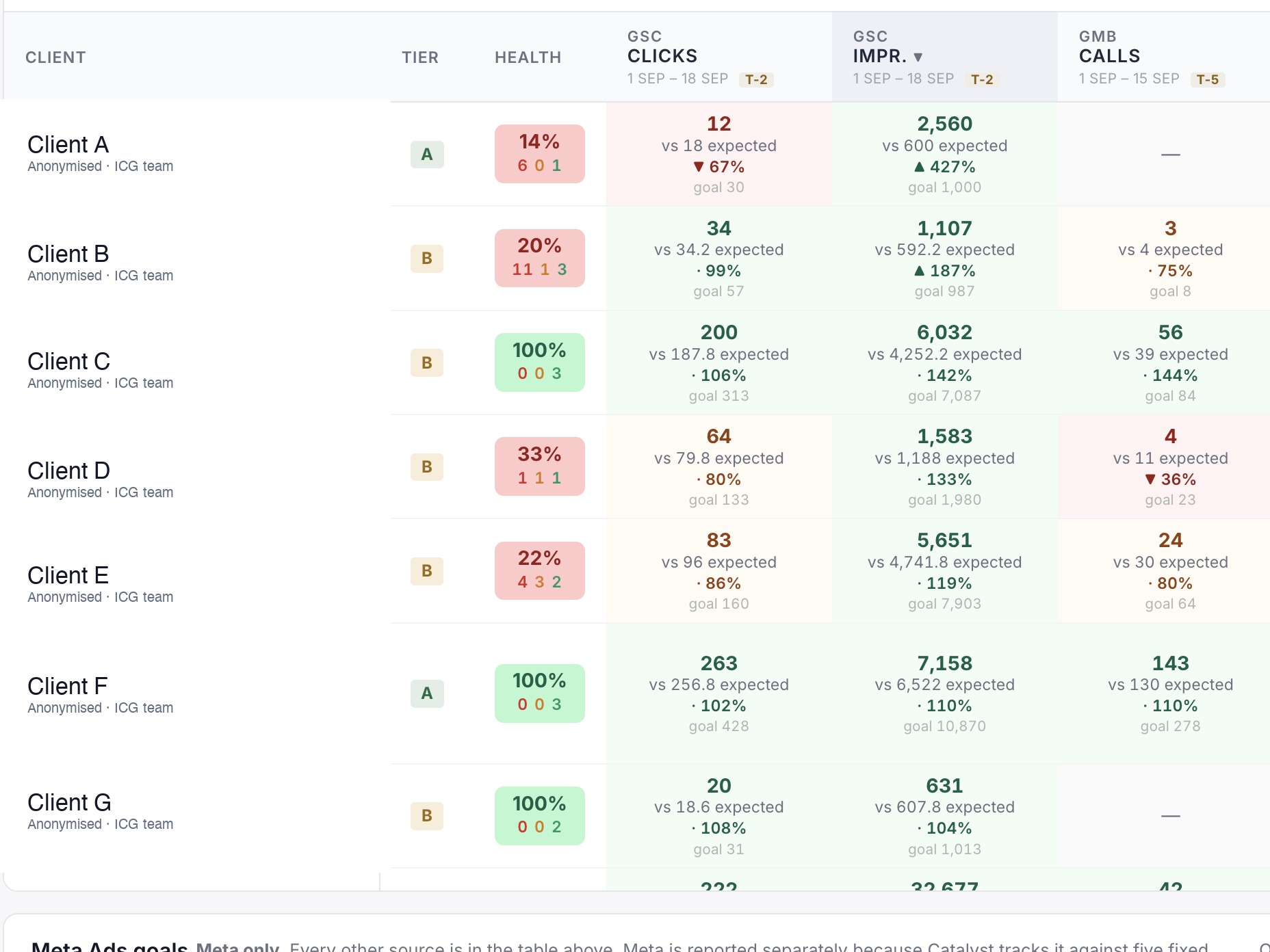
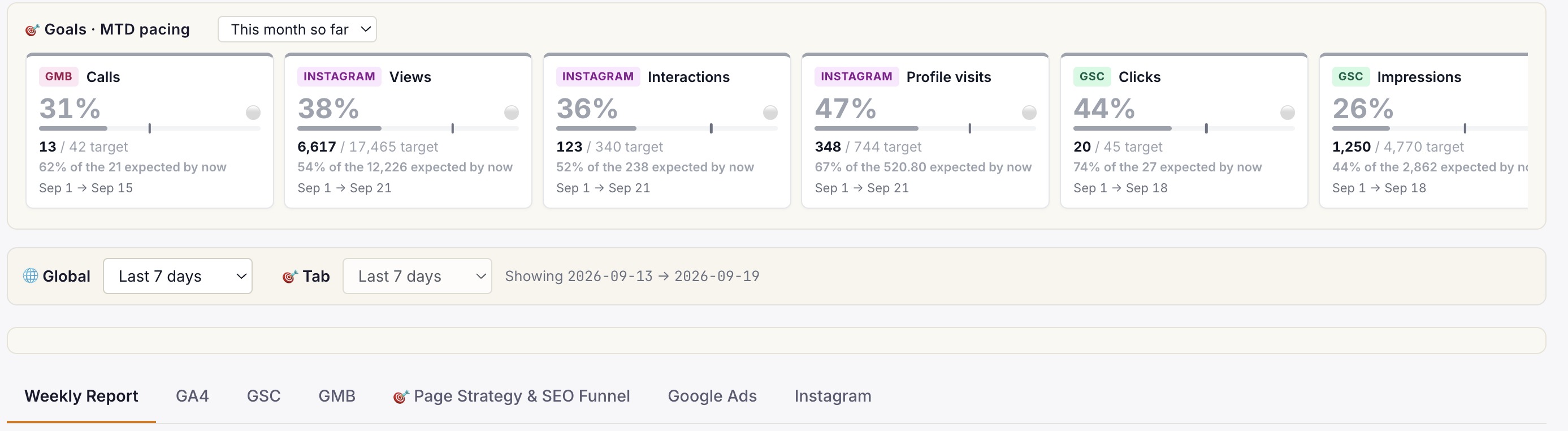
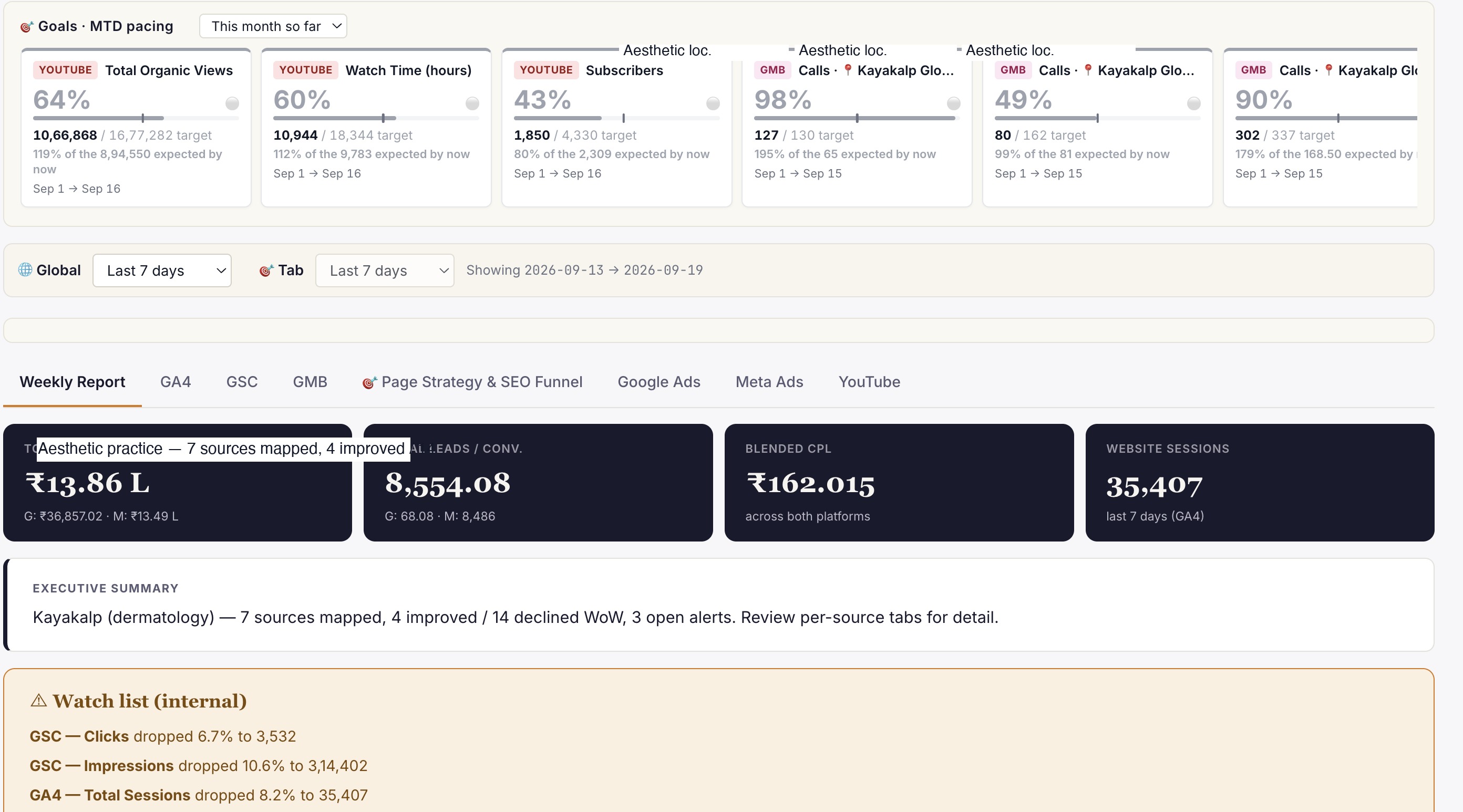
Live client dashboard. GSC, GA4, Google Ads, Meta Ads, IVR calls in one view. Login anytime, not monthly.
Phoenix
Clinic revenue intelligence over your PMS. Daily action queue: Prevent Loss, Maintain & Engage, Grow Revenue. Multi-centre rollout.
Or book a free 30-min audit to see all three in action on your account.
Healthcare brands
that already run on ICG.
A representative slice of the 150+ healthcare brands ICG has delivered for across India. Most engagements remain under NDA.


What ICG clients say · on video.
"Scale up of organic channels and business consulting. ICG has absolute domain authority in their field."
"Working with ICG transformed how we acquire IVF patients in Gurgaon. They understand the fertility journey from inquiry to consult..."
"What Ichelon accomplished — they got all my ideas and worked over 3-4 months to create an amazing, super-customised website."
Need help operationalising this?
Every ICG service is healthcare-only, NMC + DPDP-aware, and built around the patient-research patterns that drive Indian healthcare growth in 2026.
Every practice welcome — packages from ₹20,000/mo.
Goals-Driven engagements · Performance-Linked Payout Models available
More from
ICG.
Five trends shaping Indian healthcare marketing through 2027: AI-first patient research, Conversions API adoption, ABDM discovery, the AEO w...
Healthcare AIO is the discipline of getting your clinic or hospital cited inside Google AI Overviews, ChatGPT and Perplexity answers — not j...
Conversational-search advertising places brand messages inside AI chat answers — ChatGPT, Perplexity, Copilot — rather than beside a results...
Stop guessing.
Book a Diagnostic.
30 minutes. Free. With the AI-powered healthcare-only marketing agency 150+ brands already run on. No slides, no pitch, no hard close.


