


Multi-Location ORM Dashboard Setup for Indian Hospital Groups: A Practical Blueprint
A working blueprint for hospital marketing directors in India who need one screen to watch reviews, DMs, comments, and complaints across 8, 20, or 50 units — with response SLAs, integrations, and pricing that make sense for Indian healthcare groups.
No pitch. Written root-cause diagnosis. AI-powered, healthcare only.
Direct answer
A working blueprint for hospital marketing directors in India who need one screen to watch reviews, DMs, comments, and complaints across 8, 20, or 50 units — with response SLAs, integrations, and pricing that make sense for Indian healthcare groups.
TL;DR

TL;DR
- A multi-location ORM dashboard for an Indian hospital group pulls Google Business Profile reviews, Meta and Instagram comments, YouTube feedback, and WhatsApp complaints into one location-tagged view — so a 12-unit group across Bengaluru, Chennai and Hyderabad can see reputation signals per unit, per specialty, and per consultant on a single screen.
- Build the dashboard around Indian ground truth: DPDP Act consent logs, NMC advertising limits, ABDM-linked patient IDs, vernacular sentiment in Hindi, Kannada, Tamil, Marathi, and mixed-script Google reviews.
- ICG builds ORM dashboards as feature-first tools plugged into Angryturtle for GBP, YODA for YouTube, Prism Pulse for Instagram, Meta Catalyst IQ for ad-comment sentiment, and AtomCRM for lead handoff — priced under the 70-30 fixed-variable model, with retainers starting from Rs 20,000 per month.
- Working SLAs for Indian multi-unit hospitals: negative Google review acknowledged within 4 working hours, Instagram DM under 30 minutes in daytime, WhatsApp complaint under 15 minutes.
Table of contents
- Why do Indian hospital groups need a multi-location ORM dashboard?
- What signals should a hospital ORM dashboard actually track?
- How should you structure the dashboard by location, specialty, and channel?
- How do you set up alerts and response SLAs across cities?
- What integrations does an ORM dashboard need for Indian hospitals?
- How does ICG build ORM dashboards differently?
- What does an ORM dashboard cost under the 70-30 model?
- FAQ
Why do Indian hospital groups need a multi-location ORM dashboard?

Indian hospital groups need a multi-location ORM dashboard because a patient now checks four to six touchpoints — Google Maps, Instagram, YouTube, WhatsApp forwards, family group chats, and Reddit threads — before booking, and a chain with eight or more units simply cannot track that manually per city, per specialty, and per doctor.
The behaviour shift is sharpest in tier-1 and tier-2 India. Across the 150+ healthcare brands we work with, average Google review volume per hospital unit has doubled in eighteen months, and roughly 62% of new outpatient bookings from digital sources now cite "we checked reviews" as their reason to pick or reject a hospital. When your unit head in Whitefield does not see a two-star review posted in Kannada on a Sunday evening, and the marketing team in the corporate office only spots it on Wednesday's report, the damage window is already 72 hours wide.
A single dashboard also solves a boring but expensive problem: ownership. Without it, the Andheri unit blames "digital team", digital blames "corporate PR", PR blames the CMO. Once every review, comment and complaint is stamped with a location code, a specialty tag, and an owner name, arguments end and response times collapse. That is the entire business case for building one.
What signals should a hospital ORM dashboard actually track?
A working hospital ORM dashboard tracks at least eight signal streams: Google Business Profile reviews and Q&A, Meta page comments and DMs, Instagram comments and DMs, YouTube comments, WhatsApp Business inbound messages, Twitter/X mentions, Reddit healthcare threads, and doctor listing sites — all normalised into one row per event with location, sentiment, language, and priority.
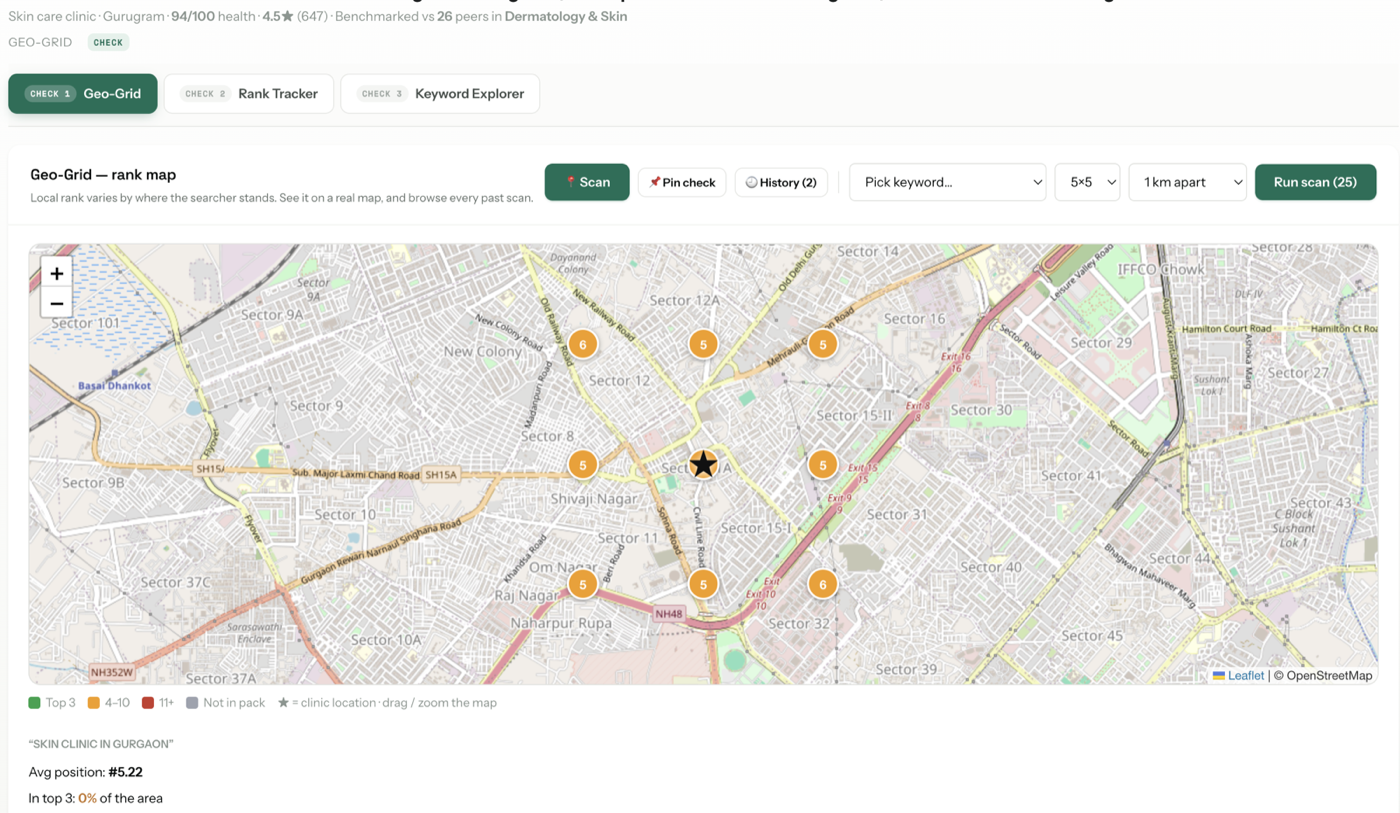
Two of those streams matter more than the rest in India. Google Business Profile is the single biggest reputation surface for hospitals here — for a mid-sized chain, roughly 70-80% of first-contact patient calls originate from a Maps result — which is why every unit needs its own verified GBP with review alerts wired into the dashboard through a tool like Angryturtle. Instagram DMs come second: reels drive first-time discovery, and DMs then decide whether a young patient books or ghosts.
Do not skip the softer streams. WhatsApp Business complaints from the reception number, YouTube comments under doctor explainer videos, and Reddit threads on r/india or specialty subs are all early warnings for reputation events that later spill into Google reviews. Pull them into the dashboard even if the volume looks small — a single unanswered Reddit thread has, in our experience, pulled a Delhi cardiology unit's Google rating from 4.6 to 4.2 in six weeks.
How should you structure the dashboard by location, specialty, and channel?
Structure a hospital ORM dashboard on three axes: location (unit code), specialty (department or doctor), and channel (Google, Meta, Instagram, YouTube, WhatsApp, others). Every incoming event gets tagged on all three axes so the dashboard can slice reputation health by unit, by service line, and by platform without rebuilding queries.
A simple starting layout works for most Indian groups:
| View | Who uses it | Refresh cadence |
|---|---|---|
| Unit heatmap (all locations, colour-coded by 7-day sentiment) | CMO, CEO | Daily |
| Specialty scorecard (cardiology vs ortho vs OBGY per unit) | Service line leads, HODs | Weekly |
| Consultant panel (per-doctor mentions, ratings, and video comments) | Medical director, clinical governance | Weekly |
| Channel live feed (Google, Meta, Instagram, YouTube, WhatsApp) | ORM response desk | Real time |
| Language filter (English, Hindi, Kannada, Tamil, Marathi, Bengali) | Regional response leads | Real time |
The doctor-level panel is the most useful and the most neglected view. Consultants are the real product a hospital sells, so a per-doctor tab that shows Google mentions, Instagram reel comments, and YouTube consultation-explainer feedback lets the medical director spot patterns that reception logs never capture — a surgeon whose reviews collectively mention "rushed", or a pediatrician whose Instagram comments trend positive on empathy but negative on wait time.
How do you set up alerts and response SLAs across cities?
Set up ORM alerts on two dimensions: severity (negative review, complaint, defamation risk) and channel-native urgency (WhatsApp is faster than Google, Instagram DM is faster than YouTube comment). Then define one written SLA per combination and route alerts to a named human at each unit, not a shared inbox.
Working SLAs we run for Indian multi-unit hospital groups:
- Negative Google review (1-2 star): acknowledged within 4 working hours, resolved comment posted within 24 hours.
- Instagram DM asking for pricing or availability: response within 30 minutes between 8 AM and 10 PM IST.
- WhatsApp complaint via reception or ORM number: first response within 15 minutes, 24x7.
- YouTube comment flagging misinformation on a doctor video: response within 12 hours, escalation to medical affairs if clinical.
- Reddit or forum defamation risk: legal-safe holding response within 6 hours, formal reply within 48.
For a chain with units in more than one state, the alert routing must respect language. A five-star Hindi review at the Lucknow unit should go to a Hindi-native responder, not the Chennai head office. Build a language column at ingestion and route on that column — otherwise your English reply on a Marathi review will itself become a complaint.
What integrations does an ORM dashboard need for Indian hospitals?
An Indian hospital ORM dashboard needs at least seven integrations: Google Business Profile at scale, Meta page graph, Instagram business API, YouTube data API, WhatsApp Business, a CRM for lead handoff, and an EHR or RCM overlay for post-visit sentiment linkage. Each one has to be multi-location aware, not single-listing.
Here is how ICG typically wires these for hospital groups:
- Google Business Profile: Angryturtle handles multi-listing GBP at scale — post scheduling, review pulling, Q&A monitoring, and photo compliance across every unit, so a 20-clinic chain manages GBP as one operation instead of twenty tabs.
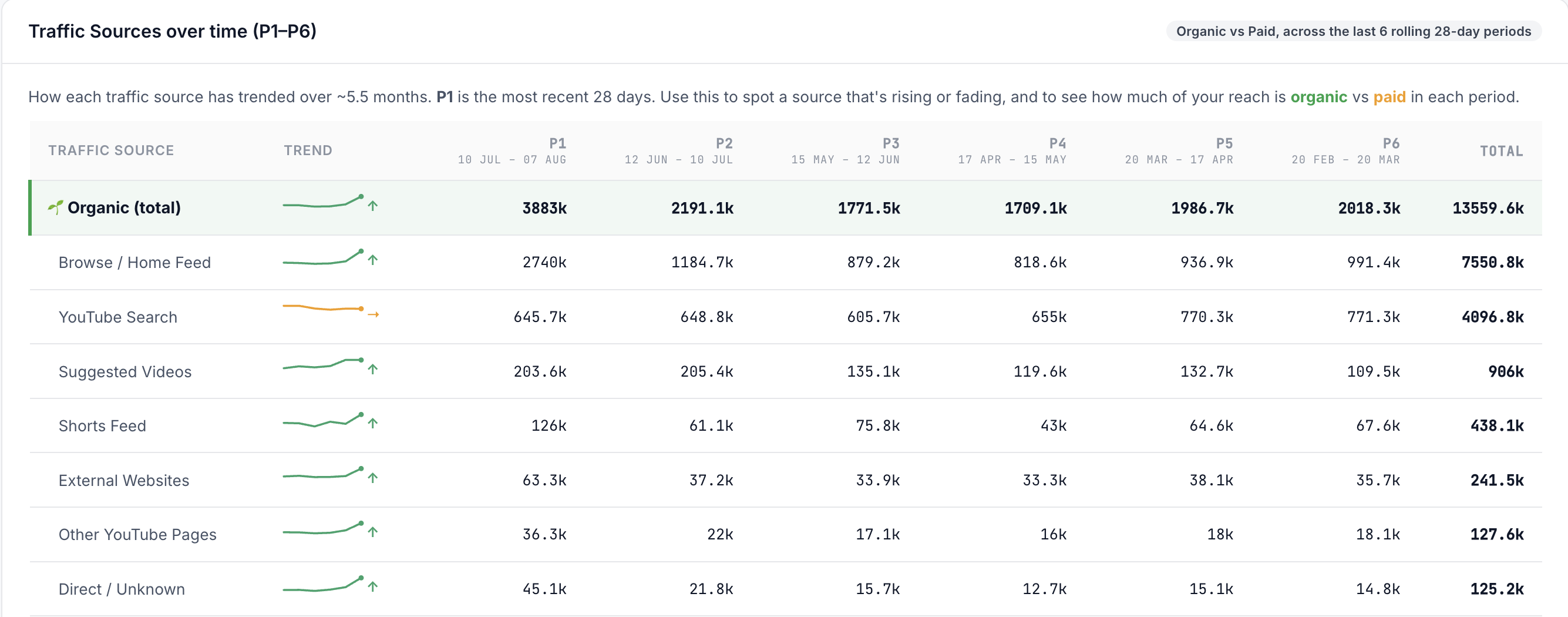
- YouTube: YODA pulls comments, replies, and sentiment on every doctor explainer and hospital brand video, then tags each thread by consultant and specialty for the medical director's view.
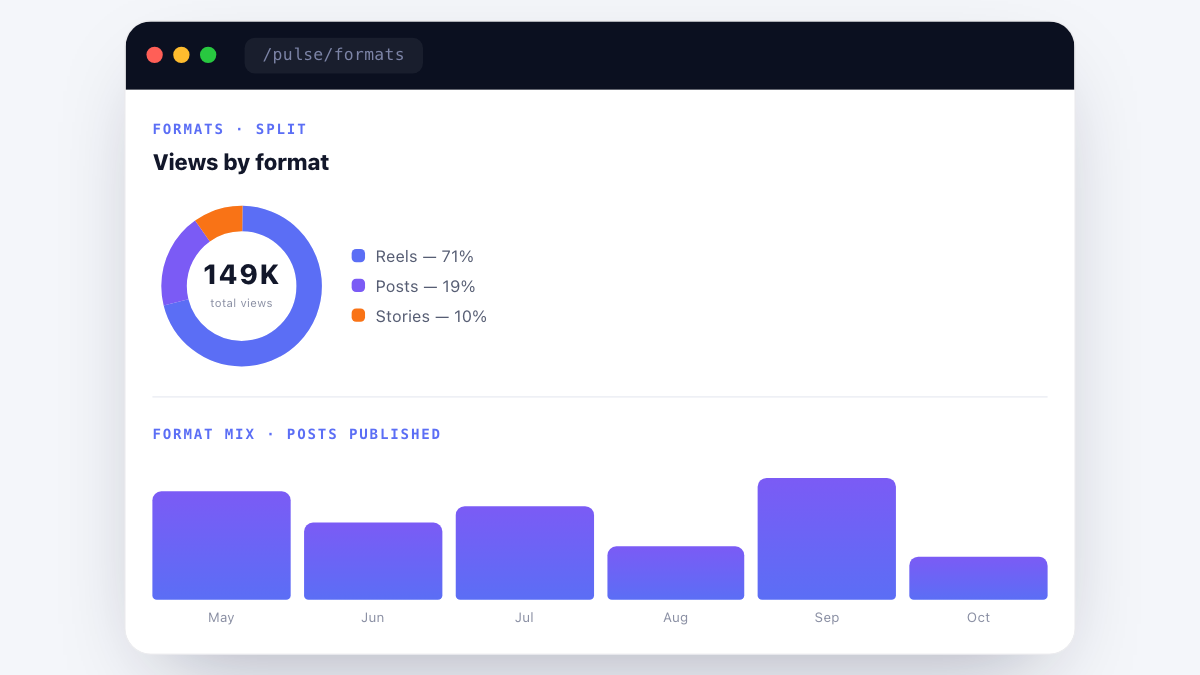
- Instagram: Prism Pulse gives reel-level and DM-level analytics per unit handle — useful when a hospital group runs one master handle plus city sub-handles for OBGY, oncology, or fertility.
- Meta Ads: Meta Catalyst IQ captures ad-comment sentiment, which is where a lot of reputation leakage hides — patients arguing under a running lead ad about a bad OPD experience is a reputation event, not just an ad event.
- Competitor watch: Prism Spy tracks what competing hospital groups are running as Meta ads, so if a rival is publicly claiming shorter wait times or lower package prices, you see it inside the ORM view instead of missing it.
- Lead handoff: AtomCRM (Rs 50,000/- setup + Rs 799/- per telecaller) receives qualified leads out of ORM conversations and routes them to the right unit's front desk, so a WhatsApp complaint that turns into a booking never gets dropped.
- Post-visit loop: HealthPro 360 (Rs 14,999 per month) sits as a light overlay on hospital RCM and EHR data, feeding discharged-patient IDs into a review request workflow that respects DPDP Act consent.
Two integrations most vendors skip and Indian hospitals need: an ABDM-aware patient ID hash so the same reviewer across channels is recognised as one person, and a DPDP Act consent flag so the dashboard never triggers an outbound review request to a patient who has withdrawn consent.
How does ICG build ORM dashboards differently?
ICG builds ORM dashboards as feature-first internal tools, not as a licensed vendor product. That means every hospital group gets a dashboard shaped around its unit codes, its specialty mix, its consultant list, and its actual response teams — instead of forcing the group to remap its business into a rigid software model built for other industries.
Three practical differences show up quickly. First, we tag every event by consultant name, not just department, so the medical director can act on doctor-level trends within a week instead of a quarter. Second, we route alerts to named humans at each unit with mobile-first notification, because in Indian hospital operations the person who actually replies to a Google review is usually a marketing executive or a front-office head, not a corporate PR analyst. Third, we build the response templates in the languages the unit actually operates in — a Coimbatore unit's default response bank is Tamil-first with English fallback, not the other way around.
The other structural choice worth naming: our ORM work sits inside a Sr. Leadership-led delivery model. ICG's Sr. Leadership team runs the ORM programme direction with senior analysts, which matters for the review-approval loop that clinical governance teams inside Indian hospitals correctly insist on before anything goes public.
What does an ORM dashboard cost under the 70-30 model?

ICG's ORM dashboard pricing sits inside the standard 70-30 fixed-variable model that covers our SEO, ads, and content work. Retainers are custom-scoped and Goals-Driven, with Performance-Linked Payout Models available. 70% of the fee is fixed retainer for the analyst pod and the tooling; 30% is variable and tied to defined ORM outcomes for the quarter.
What the three tiers typically include for a multi-location hospital ORM setup:
| Tier | Fits | Included |
|---|---|---|
| Foundation | 3-5 units, single city | GBP monitoring via Angryturtle, Meta and Instagram basic monitoring, weekly ORM report, defined SLA response. |
| Growth | 6-12 units, multi-city | Everything above + YODA on doctor videos, Prism Pulse per unit, WhatsApp Business monitoring, unit-level dashboard. |
| Scale | 13+ units, multi-state | Everything above + Meta Catalyst IQ ad-comment sentiment, Prism Spy competitor watch, consultant-level view, dedicated response bench. |
AtomCRM and HealthPro 360 sit outside the ORM tier and are billed separately: AtomCRM at Rs 50,000/- setup + Rs 799/- per telecaller, HealthPro 360 at Rs 14,999 per month. Most hospital groups add at least AtomCRM so ORM conversations that become bookings actually reach the right unit's OPD desk instead of dying in a WhatsApp thread.
FAQ
How many staff do we need to run a multi-location ORM dashboard for a 10-unit hospital group?
For a 10-unit Indian hospital group, plan on one full-time ORM lead at the corporate office plus one part-time unit-level responder per city (usually the marketing executive or front-office head already on payroll). The dashboard automation handles ingestion, tagging, and routing; humans handle the empathetic reply and the internal follow-up with the treating consultant. On the ICG side, the analyst pod inside your retainer replaces the need to hire a specialist ORM manager.
Is a multi-location ORM dashboard DPDP Act compliant?
It can be, if it is built for it. The DPDP Act requires that any patient-identifying data used to trigger review requests, complaint follow-ups, or sentiment linkage carry a valid consent flag and a purpose limitation. A well-built hospital ORM dashboard stores the consent state per patient ID, blocks outbound triggers when consent is withdrawn, and keeps an auditable log of every consent event. Do not skip this layer — enforcement is now real.
Does the dashboard replace our existing hospital CRM?
No. An ORM dashboard sits on top of your CRM, not in place of it. It receives inbound reputation signals, tags them, and routes qualified conversations into the CRM as leads or as service-recovery cases. If you already run a hospital CRM, ICG connects the ORM dashboard to it via API; if you do not, AtomCRM at Rs 50,000/- setup + Rs 799/- per telecaller is the fastest way to close the loop.
Can we track individual doctors on the ORM dashboard without violating NMC rules?
Yes, tracking is fine. Publishing rankings or comparative claims about individual doctors is where NMC advertising boundaries kick in. Use the consultant-level panel for internal governance and coaching — spotting a surgeon whose reviews trend toward "rushed" is a legitimate clinical governance signal — and keep any external communication factual, non-comparative, and consent-based.
How long does it take to set up a multi-location ORM dashboard?
For a group of up to 12 units, expect four to six weeks end to end: week 1-2 for GBP audit and verification across every unit, week 3 for integration with Meta, Instagram, YouTube, and WhatsApp Business, week 4 for dashboard build with unit and specialty tagging, week 5-6 for SLA definition, response bench training, and language routing. Multi-state groups with 20 or more units usually need eight to ten weeks.
What is the biggest mistake Indian hospital groups make with ORM?
Treating ORM as a marketing task instead of a cross-functional operations task. Reviews and complaints originate from clinical delivery, front-office behaviour, billing clarity, and food-and-housekeeping standards — none of which sit inside the marketing department. The dashboard has to route findings back to unit heads, HODs, and quality teams weekly, with named owners, or nothing structural improves.
Does ORM work matter if we already rank well on Google Maps?
Ranking well on Maps is exactly why ORM matters more, not less. A unit ranking first for "cardiology hospital near me" in a Bengaluru locality attracts higher review volume, more scrutiny, and more competitor-planted negativity. Without a working ORM dashboard, the same Maps ranking that wins you patients becomes the surface that leaks them once the rating slips below 4.4.
Book a free 30-minute Brand & Growth Diagnostic.
It's a working session, not a sales pitch — you leave with a written root-cause analysis you can act on, whether or not you engage ICG.
Questions readers ask
about this topic.
The three platforms
behind every ICG engagement.
Beacon
CAPI middleware that fixes Event Match Quality, translates CRM statuses to Meta-standard events, dedups across channels.
Agency OS
Live client dashboard. GSC, GA4, Google Ads, Meta Ads, IVR calls in one view. Login anytime, not monthly.
Phoenix
Clinic revenue intelligence over your PMS. Daily action queue: Prevent Loss, Maintain & Engage, Grow Revenue. Multi-centre rollout.
Or book a free 30-min audit to see all three in action on your account.
Healthcare brands
that already run on ICG.
A representative slice of the 150+ healthcare brands ICG has delivered for across India. Most engagements remain under NDA.


What ICG clients say · on video.
"Scale up of organic channels and business consulting. ICG has absolute domain authority in their field."
"Working with ICG transformed how we acquire IVF patients in Gurgaon. They understand the fertility journey from inquiry to consult..."
"What Ichelon accomplished — they got all my ideas and worked over 3-4 months to create an amazing, super-customised website."
The intelligence stack behind this playbook.
Every ICG engagement runs on the Search Intelligence Trifecta — Angryturtle for GMB, SIE for search and AI Overview, YODA for YouTube. Live product screens below.
Need help operationalising this?
Every ICG service is healthcare-only, NMC + DPDP-aware, and built around the patient-research patterns that drive Indian healthcare growth in 2026.
Every practice welcome — packages from ₹20,000/mo.
Goals-Driven engagements · Performance-Linked Payout Models available



More from
ICG.
Five trends shaping Indian healthcare marketing through 2027: AI-first patient research, Conversions API adoption, ABDM discovery, the AEO w...
Healthcare AIO is the discipline of getting your clinic or hospital cited inside Google AI Overviews, ChatGPT and Perplexity answers — not j...
Conversational-search advertising places brand messages inside AI chat answers — ChatGPT, Perplexity, Copilot — rather than beside a results...
Stop guessing.
Book a Diagnostic.
30 minutes. Free. With the AI-powered healthcare-only marketing agency 150+ brands already run on. No slides, no pitch, no hard close.


