


The 5 Metrics Your Healthcare Telecalling Team Is Not Tracking (And What They Cost You)
Summary call reports catch catastrophic problems but miss structural problems causing 80% of lead conversion loss. ICG's MIS Tool surfaces caller-level stage-movement effort ratios, attrition patterns, and time-of-day conversion divergence.
No pitch. Written root-cause diagnosis. AI-powered, healthcare only.
Direct answer
Summary call reports catch catastrophic problems but miss structural problems causing 80% of lead conversion loss. ICG's MIS Tool surfaces caller-level stage-movement effort ratios, attrition patterns, and time-of-day conversion divergence.
TL;DR
Most healthcare clinics monitor their telecalling team by listening to a few random calls every week and reading a weekly summary report. This catches catastrophic problems. It misses the structural problems that cause 80% of lead-conversion loss.
Structural telecalling problems are caller-level, stage-level, and pattern-level. They are visible in funnel data; they are invisible in summary reports. ICG's MIS Tool surfaces them automatically.
Want ICG to analyse your telecaller performance?
The Metrics Your Summary Report Hides
1. Per-caller stage-movement effort ratio
Caller A makes 47 calls in a day and moves 12 leads from Generated → Qualified. Caller B makes 58 calls and moves 8 leads from Generated → Qualified. Summary data shows Caller B making more calls — easy to mistake for higher productivity. Stage-movement data shows Caller A driving 50% more qualified leads per call effort. Caller B is volumising calls without converting.
What this reveals: Caller B needs ACE Matrix training on qualification questioning. Caller A needs more leads routed to them.
2. New vs old lead performance differential
Most telecallers convert significantly better on fresh leads than on follow-up leads. The differential is the signal. A 2:1 ratio (fresh:follow-up conversion rate) is normal. A 5:1 ratio means the telecaller has weak follow-up technique. A 10:1 ratio means they essentially do not work follow-ups — they go through the motions until the call closes.
What this reveals: Targeted follow-up coaching, structured WhatsApp nurture handoff, or routing follow-ups to a specialist.
3. Time-of-day connection vs conversion divergence
Many telecallers have a "best time of day" — typically 11am-1pm and 4pm-6pm. But best connection time is not always best conversion time. A telecaller might connect 60% of calls between 11am-1pm but convert at 8%; connect 35% between 7pm-9pm but convert at 22%. The 7pm-9pm window is dramatically more valuable per call effort.
What this reveals: Shift scheduling. Lead distribution by time. Whether the high-converting evening window is being staffed adequately.
4. Stage-by-stage attrition pattern
Funnel: Generated → Qualified → Interested → Appointment Schedule → Appointment Confirmation → Visit → Conversion. Each transition has an attrition rate. Healthy patterns drop 30-50% at each stage. Unhealthy patterns drop 70-80% at one specific stage — usually Appointment Schedule → Visit (the confirmation-call protocol is weak) or Visit → Conversion (the in-person consultation conversion is weak).
What this reveals: Where the system actually breaks. Most clinics assume the problem is "lead quality" when the data shows the problem is at the Visit-confirmation stage.
5. Objection pattern frequency
Top six healthcare patient objections: price, time, second-opinion, location, fear, prior bad experience. The frequency distribution across your callers reveals coaching priorities. If 40% of objections are "price" but ACE-trained callers convert 30% of those vs 8% for untrained callers, training has clear ROI math.
How ICG's MIS Tool Surfaces All Five
The MIS Tool integrates CRM data + call records + WhatsApp logs + appointment system data. It runs daily and produces five views per telecaller:
- Stage-movement effort ratio (per caller, per day, per week trend)
- New vs old lead conversion differential
- Time-of-day connection × conversion matrix
- Funnel attrition map with stage-by-stage variance from benchmark
- Objection pattern with conversion rate per objection type
What Healthy Telecalling Performance Looks Like
| Stage transition | Healthy attrition | Warning attrition | Crisis attrition |
|---|---|---|---|
| Generated → Qualified | 30–40% drop | 50%+ drop | 70%+ drop |
| Qualified → Interested | 25–35% drop | 50%+ drop | 60%+ drop |
| Interested → Appointment Scheduled | 20–30% drop | 40%+ drop | 55%+ drop |
| Appointment Scheduled → Visit | 15–25% drop | 35%+ drop | 50%+ drop |
| Visit → Conversion | 30–45% drop | 55%+ drop | 70%+ drop |
The Improvement Path
Once a structural problem is visible, the resolution sequence is predictable:
- Week 1: identify the stage with abnormal attrition; identify which callers contribute most to it
- Week 2: ACE Matrix training calibrated to the specific failure mode
- Week 3: paired calls — top performer + struggling performer on the same calls
- Week 4: measure delta; adjust
- Ongoing: weekly stage-movement review; monthly recalibration
In ICG's portfolio, structured telecaller analytics + ACE training lifts overall lead-to-conversion rates 40–80% within the first 60 days. The ad spend stays the same; the qualifying patient throughput nearly doubles.
Want to see how this applies to your account? Book a free 30-min audit or WhatsApp the founders.
Book a free 30-minute Brand & Growth Diagnostic.
It's a working session, not a sales pitch — you leave with a written root-cause analysis you can act on, whether or not you engage ICG.
Questions readers ask
about this topic.
The three platforms
behind every ICG engagement.
Beacon
CAPI middleware that fixes Event Match Quality, translates CRM statuses to Meta-standard events, dedups across channels.
Agency OS
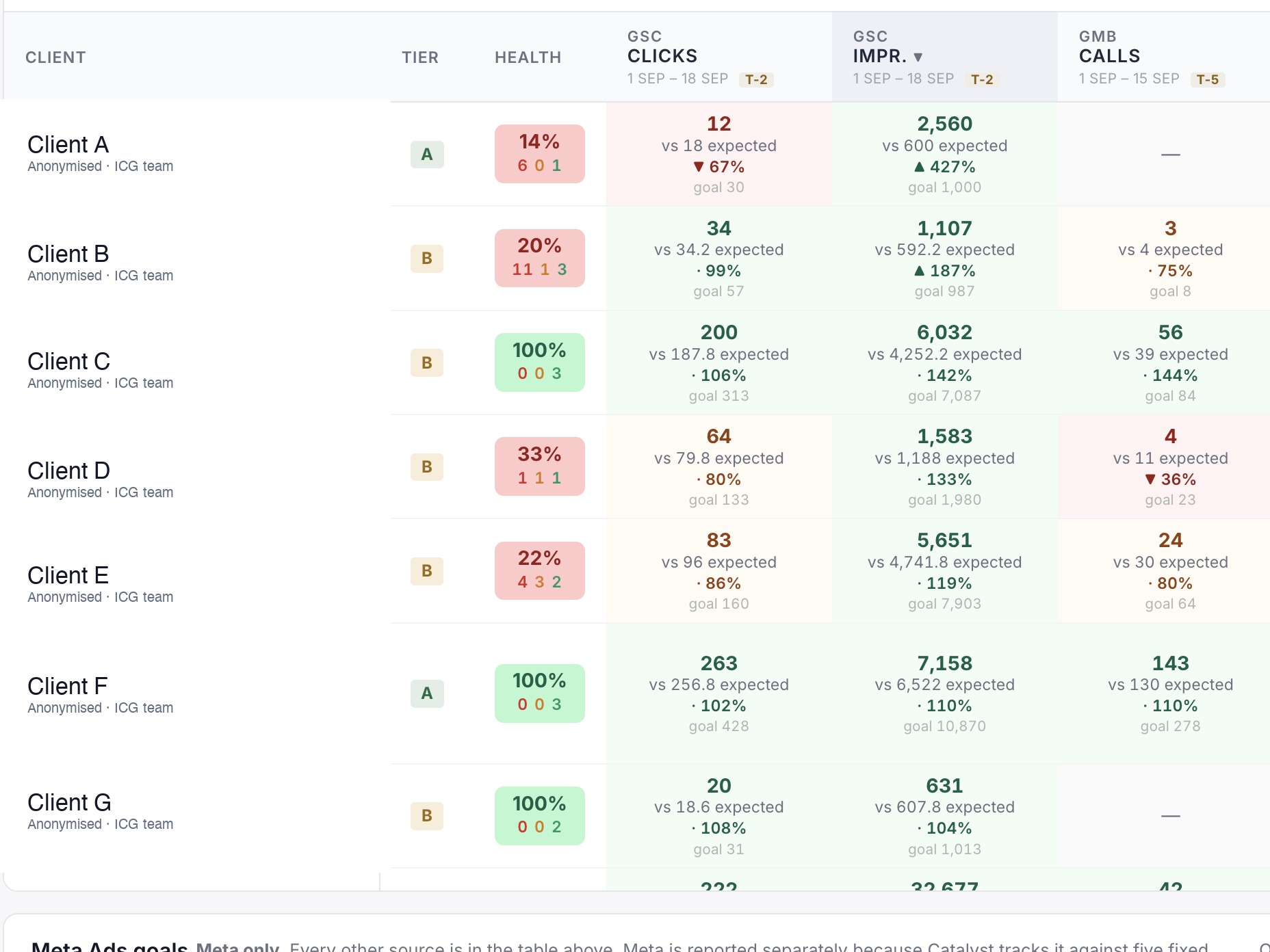
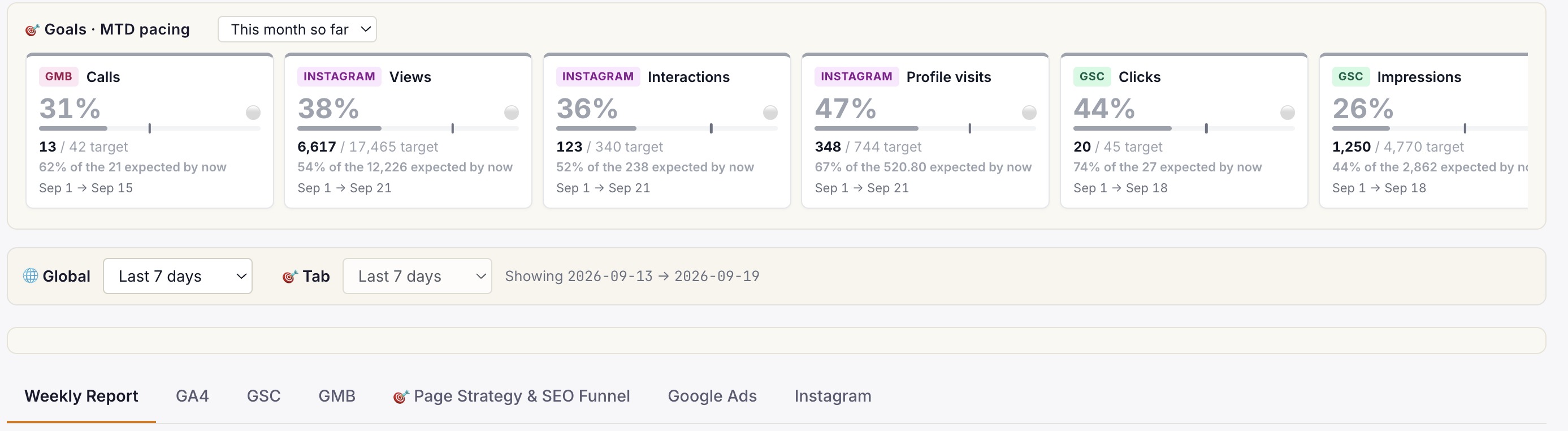
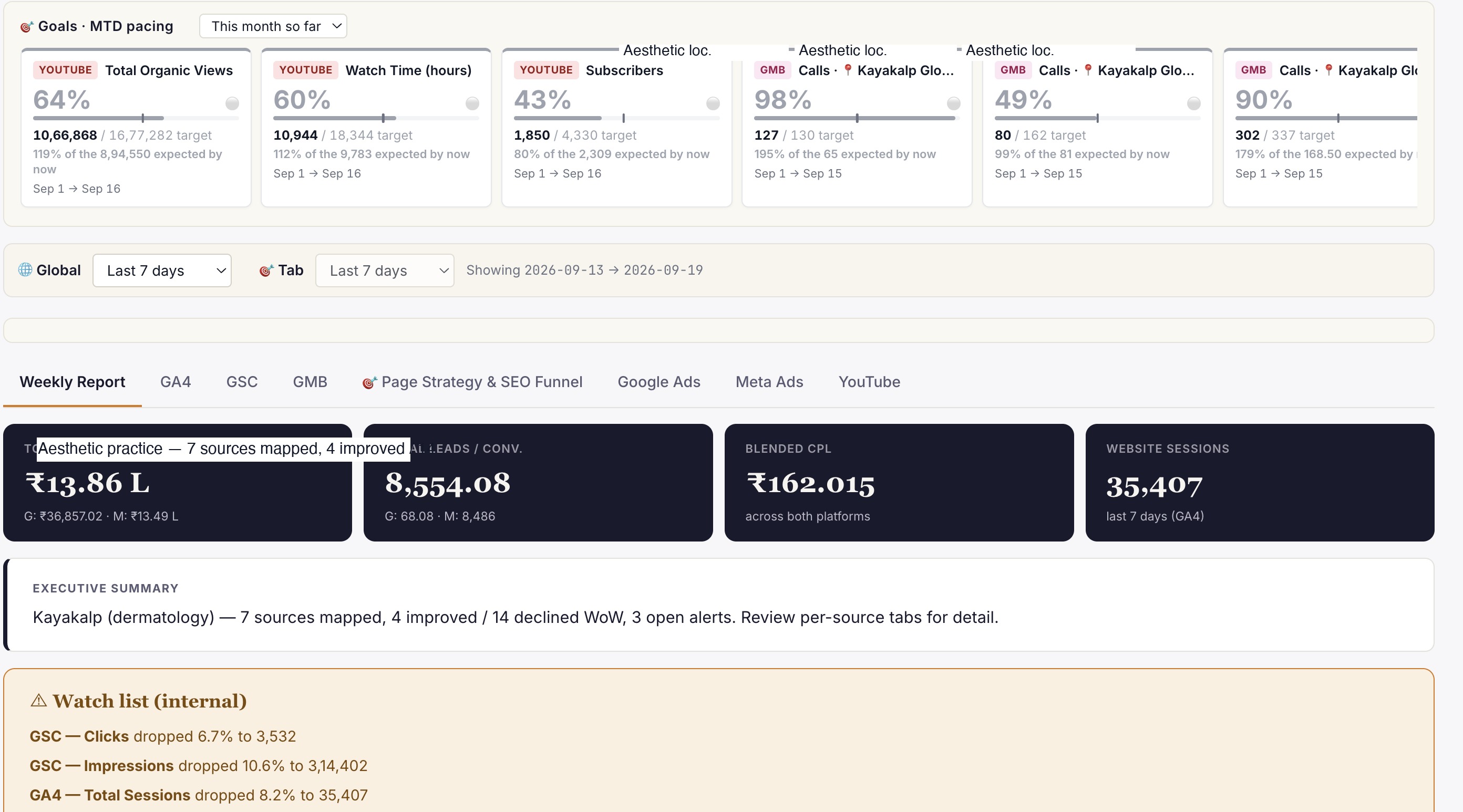
Live client dashboard. GSC, GA4, Google Ads, Meta Ads, IVR calls in one view. Login anytime, not monthly.
Phoenix
Clinic revenue intelligence over your PMS. Daily action queue: Prevent Loss, Maintain & Engage, Grow Revenue. Multi-centre rollout.
Or book a free 30-min audit to see all three in action on your account.
Healthcare brands
that already run on ICG.
A representative slice of the 150+ healthcare brands ICG has delivered for across India. Most engagements remain under NDA.


What ICG clients say · on video.
"Scale up of organic channels and business consulting. ICG has absolute domain authority in their field."
"Working with ICG transformed how we acquire IVF patients in Gurgaon. They understand the fertility journey from inquiry to consult..."
"What Ichelon accomplished — they got all my ideas and worked over 3-4 months to create an amazing, super-customised website."
Need help operationalising this?
Every ICG service is healthcare-only, NMC + DPDP-aware, and built around the patient-research patterns that drive Indian healthcare growth in 2026.
Every practice welcome — packages from ₹20,000/mo.
Goals-Driven engagements · Performance-Linked Payout Models available
More from
ICG.
Hindi and regional-language SEO means publishing proper pages in the languages your patients search in, on their own URLs and linked with hr...
A new pharma brand in India should start digital work before launch, built around who it may legally address. This six-month plan covers pro...
Hospitals and clinics in India can still advertise after the NMC's 6 October 2026 guidelines, but only with factual, verifiable information....
Stop guessing.
Book a Diagnostic.
30 minutes. Free. With the AI-powered healthcare-only marketing agency 150+ brands already run on. No slides, no pitch, no hard close.


