


Cardiology PPC for India Hospital Groups 2026: The Full Playbook
A working 2026 playbook for cardiology PPC at Indian hospital groups — real CPQL benchmarks for angioplasty, CABG and TAVR, the Google + Meta + YouTube stack that actually converts, NMC and DPDP guardrails, and ICG's 70-30 fixed-variable pricing.
No pitch. Written root-cause diagnosis. AI-powered, healthcare only.
Direct answer
A working 2026 playbook for cardiology PPC at Indian hospital groups — real CPQL benchmarks for angioplasty, CABG and TAVR, the Google + Meta + YouTube stack that actually converts, NMC and DPDP guardrails, and ICG's 70-30 fixed-variable pricing.
TL;DR
TL;DR
- Cardiology PPC in India in 2026 delivers CPQL between Rs 1,400 and Rs 11,800 depending on procedure line — angioplasty enquiries land at Rs 1,400-3,200, CABG second opinions at Rs 2,800-5,100, TAVR consults at Rs 6,200-11,800.
- Google Search plus YouTube pre-roll plus Meta lookalikes built on genuine appointment data is the working stack; Performance Max run alone burns cardiology budget.
- The winning setup separates chest-pain intent (emergency-adjacent) from second-opinion intent (elective, higher lifetime value) into two entirely different account structures.
- ICG runs cardiology PPC under a 70-30 fixed-variable model — Foundation Rs 49,999, Growth Rs 74,999, Scale Rs 99,999 — with 30% tied to a booked-consult target on a 12-month sliding scale.
Table of contents
- Why this matters for Indian hospital marketing directors
- What is cardiology PPC and why is it different from general hospital PPC?
- How much should an Indian hospital group spend on cardiology PPC in 2026?
- Which Google Ads campaign types actually work for cardiology in India?
- How should Indian hospitals structure Meta Ads for cardiology?
- What landing page structure converts cardiology PPC traffic?
- How do NMC and DPDP Act rules shape cardiology PPC creatives?
- What are the common mistakes Indian cardiology PPC accounts make?
- How does ICG approach cardiology PPC differently?
- The 70-30 pricing model
- FAQ
Why this matters for Indian hospital marketing directors
India will cross 30 million cardiovascular disease cases in 2026 and the burden keeps skewing younger — a 42-year-old with unstable angina is no longer a rare case in the OPD. Every mid-size and large hospital group in India has either built or is building a dedicated cardiac sciences vertical. TAVR, structural heart, robotic CABG, complex electrophysiology — these are the growth lines. And in each of them, the buying decision is compressed: the patient family shortlists three to four hospitals in 48 hours, calls all of them, and books based on trust cues, price transparency, and how fast someone picked up the phone.
That compression is exactly where paid media earns its budget. Organic search wins the education phase. WhatsApp handles the nurture. But the specific 48-hour "we-need-to-decide-now" window is a paid-media problem. Miss it and the family walks into a competing hospital's OPD by Tuesday morning.
What is cardiology PPC and why is it different from general hospital PPC?
Cardiology PPC is the paid-search, paid-social and video-ad activity a hospital or cardiac hospital chain runs to generate qualified consult requests for cardiology procedures — angioplasty, CABG, TAVR, EP studies, pacemaker implants, structural heart and OPD second opinions. It is different from general hospital PPC in three material ways.
First, the intent is dual. A "chest pain hospital near me" query is emergency-adjacent — the family will pick the closest tertiary centre with a cath lab open now. A "best angioplasty hospital in Chennai second opinion" query is elective — the family is 4 to 14 days into deciding and comparing.
Second, the ticket size is high. An angioplasty package in India in 2026 runs Rs 1.8 lakh to Rs 4.5 lakh at private hospitals; a CABG runs Rs 3 lakh to Rs 7 lakh; a TAVR crosses Rs 18 lakh. That means the cost-per-qualified-lead a hospital can afford is far higher than for dermatology or a general OPD line.
Third, the trust threshold is severe. The family is deciding whether to hand over a parent's heart. The creative bar is higher. The landing-page proof requirement is higher. The response-time expectation is measured in minutes, not hours.
How much should an Indian hospital group spend on cardiology PPC in 2026?
Cardiology PPC budgets in India in 2026 land between Rs 3.5 lakh and Rs 22 lakh per month depending on city tier, procedure focus, and whether the hospital is defending a category-leader position or attacking one. The working reference from the ICG book looks like this:
- Tier-1 metros (Delhi NCR, Mumbai, Bengaluru, Chennai, Hyderabad, Kolkata) — Rs 8-22 lakh per month for a full cardiac sciences vertical, split roughly 55% Google Search, 20% YouTube, 20% Meta, 5% programmatic display for remarketing.
- Tier-2 cities (Pune, Ahmedabad, Jaipur, Lucknow, Chandigarh, Kochi, Indore, Nagpur) — Rs 3.5-8 lakh per month for a single-hospital cardiac vertical.
- Multi-city hospital groups — budget by city cluster, never by group total. Cardiology CPQL varies 2.4x between Bengaluru and Indore, so a group-level average number will mislead every decision that comes after it.
The realistic CPQL benchmarks we track across the ICG book in 2026 are: angioplasty enquiry Rs 1,400-3,200, CABG second opinion Rs 2,800-5,100, TAVR consult Rs 6,200-11,800 (very small volume, very high value), general cardiology OPD Rs 380-720. Cost-per-raw-lead will look better than CPQL by 30-45%. Do not report raw CPL to the hospital board — report CPQL.
Which Google Ads campaign types actually work for cardiology lead generation in India?
Google Search remains the anchor. Performance Max, run in isolation, burns cardiology budget because it collapses distinct intents into one algorithm. The working mix in 2026:
Search — exact-match and phrase-match on procedure-level intent ("angioplasty cost in Delhi", "best cardiac hospital Bengaluru second opinion", "TAVR hospital Mumbai"). Broad-match stays disabled unless you have 90 days of clean conversion data feeding Smart Bidding.
YouTube — pre-roll on cardiologist-education content, Hindi and regional voice-overs, hospital-tour bumpers. YouTube view-through pairs into Search conversion 8 to 14 days later; never judge YouTube in isolation.
Demand Gen — Discover feed and Gmail placements for second-opinion families researching across multiple sessions. Works well for CABG and TAVR where the decision cycle is 10 to 21 days.
Performance Max — usable only if you feed it a value-based conversion signal and exclude brand terms and general OPD leads. Otherwise it will optimise for whichever conversion is cheapest, which will always be a general OPD form-fill, not a cardiology consult.
Local Services placements and hospital Business Profile ads pair into this too — this is where a Business Profile operating system like Angryturtle handles the review-velocity and Q&A response cadence that makes the Business Profile ad actually earn the click.
How should Indian hospitals structure Meta Ads for cardiology?
Meta Ads for cardiology should split into three campaign types: awareness for the cardiac programme itself, lead-form lookalikes built on genuine appointment data, and remarketing across Reels, Feed and Stories. Location targeting must be city-tier-specific because a Rs 4.5 lakh angioplasty offer that works in Gurugram will look implausible in Nagpur.
The three cuts that make Meta profitable for cardiology in India:
- Doctor-led creative. The interventional cardiologist speaking to camera in Hindi and English, 45 to 60 seconds, no music, no stock footage. This out-performs polished hospital-brand creatives by 2.1x to 3.4x on cost-per-lead.
- Language-first. Hindi for NCR, UP, MP, Bihar, Rajasthan. Tamil for Chennai and Coimbatore. Telugu for Hyderabad. Bengali for Kolkata. Marathi for Pune-Mumbai regional belts. Serving English-only creative to a Kolkata Bengali-speaking family is a repeatable Meta mistake.
- Lookalike quality gate. Build 1% lookalikes on booked-consult data — not lead-form submits, not landing-page visits. This is where a competitor Meta Ads intelligence tool like Prism Spy earns its keep — you can see which cardiology creatives the top five hospital groups in your city are actually running, in what language, and how long each creative has been active. Creatives live for 40+ days are almost certainly profitable; short-lived creatives are tests.
For hospitals with cardiologists active on Instagram, a tool like Prism Pulse tracks which reels and posts convert into DMs and hence appointment enquiries. That data feeds back into the Meta Ads targeting stack.
What landing page structure converts cardiology PPC traffic in India?
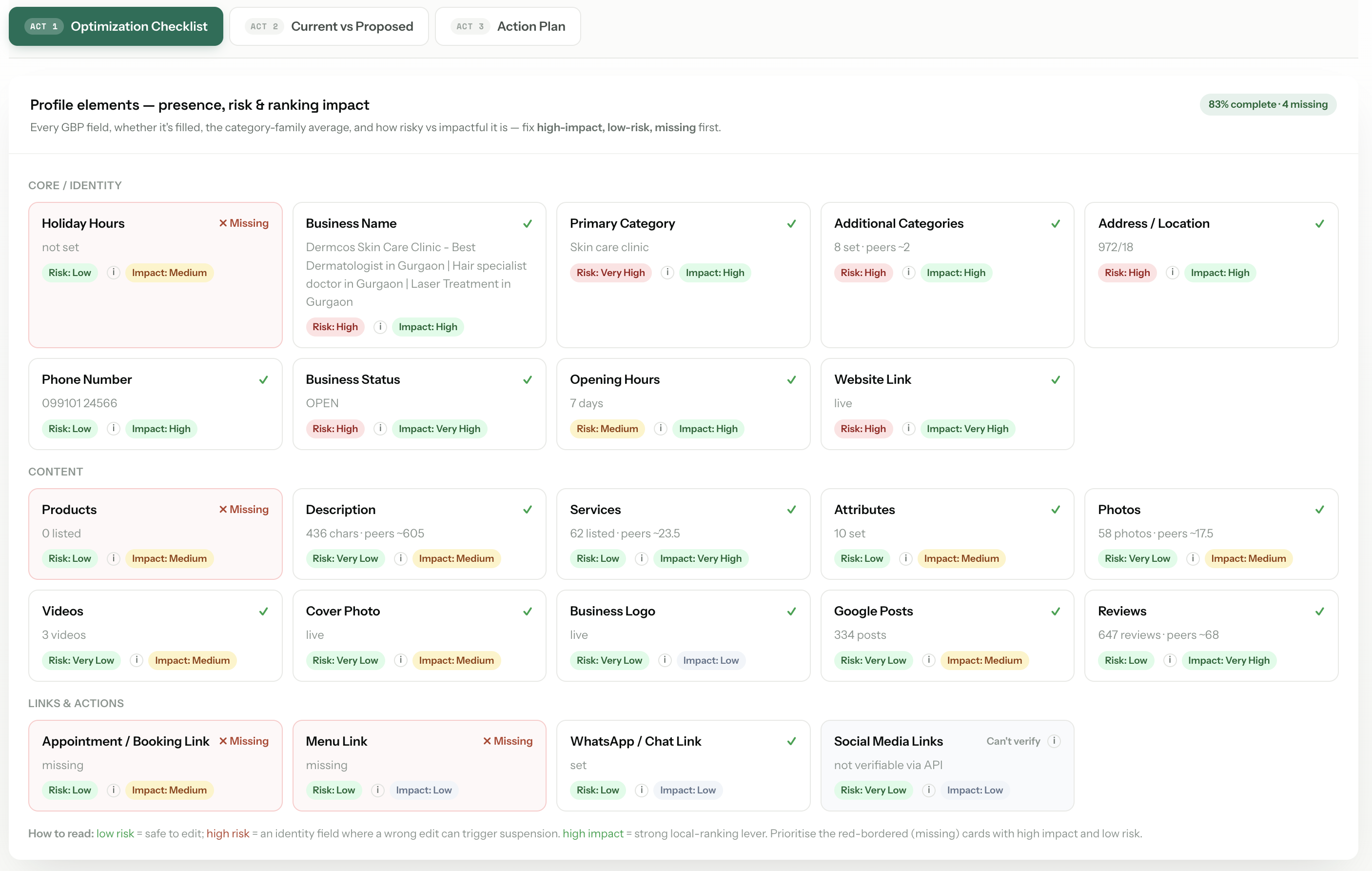
A cardiology PPC landing page in India should answer four questions in the first scroll: which procedure, which hospital and doctor, indicative package price, and how do I book a consult in under 60 seconds. Everything else — accreditation badges, technology names, patient stories — is second-scroll material.
The elements that repeatedly convert:
- Procedure-specific headline (not "Best Cardiac Care" — instead "Angioplasty at [Hospital], Bengaluru — Package from Rs 1,95,000")
- Named cardiologist card with photo, NMC registration number, qualifications, years of experience and volume ("2,400+ angioplasties performed")
- Package inclusion list — what the price covers, what it does not
- Insurance and cashless partners list
- WhatsApp-first CTA with a 15-minute callback promise
- Video testimonial (patient or family, in the regional language, unscripted)
- FAQ block covering price, insurance, admission process, second-opinion policy
Do not put the enquiry form below the fold. Do not use generic hospital hero imagery. Do not link to the homepage. A cardiology PPC landing page is a single-purpose page — one procedure, one hospital, one CTA.
How do NMC and DPDP Act rules shape cardiology PPC creatives in 2026?
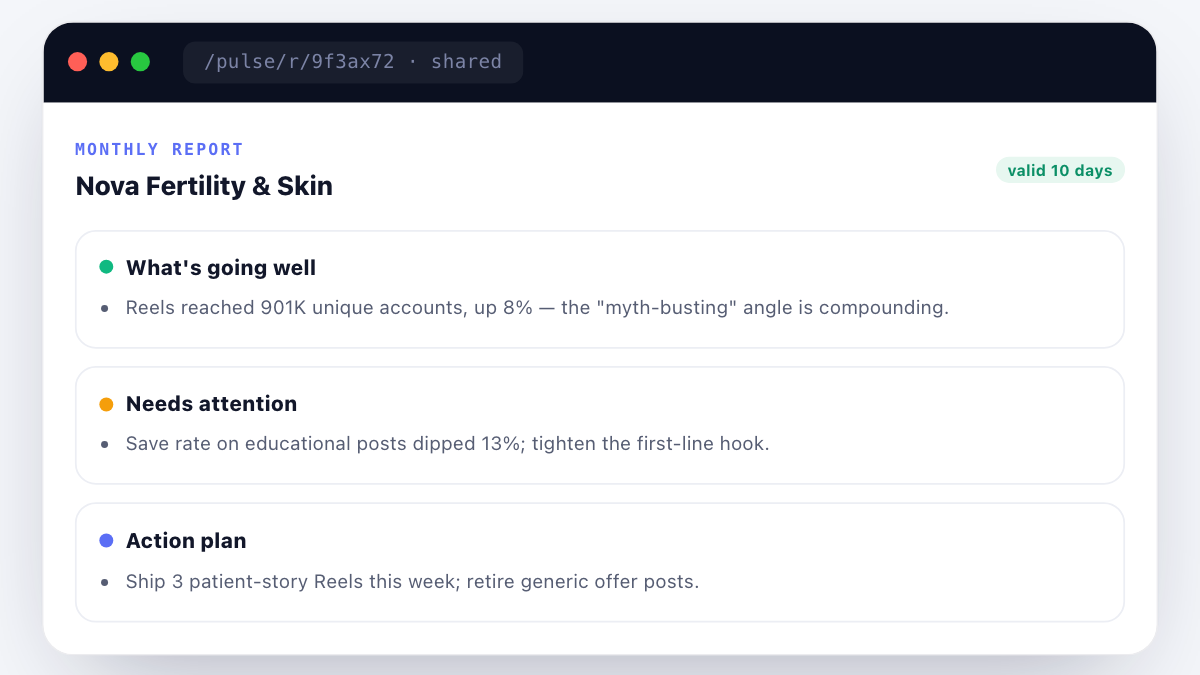

The NMC advertising code and the DPDP Act 2023 shape three specific things in cardiology PPC: doctor-name usage in ad creatives, explicit-consent capture in lead forms, and how patient data flows from the ad platform into the hospital CRM.
Under the NMC code, ads that use a doctor's name and photo must be factual — qualifications must match NMC records, claims like "best cardiologist" cannot be made without evidence, and the hospital's licensed clinical establishment status must be verifiable. Ads that promise "guaranteed cure" or "100% success rate" for procedures like angioplasty or CABG are non-compliant and will attract complaints faster in 2026 than they did in 2024.
Under the DPDP Act 2023, the lead form must carry a clear, specific, informed consent statement before submission. Consent must name the hospital, name what the data will be used for (appointment booking, insurance verification, follow-up), and give the family a way to withdraw. Auto-ticked consent boxes are non-compliant.
Data flow — the lead should move from Google or Meta into a healthcare-purpose CRM. A system like Nexus CRM at Rs 14,999 per month is built exactly for this: cardiology-vertical fields, ABDM-ready patient IDs, DPDP-compliant consent logs, WhatsApp Business API integration. Passing patient PII into a generic sales CRM without hospital-purpose consent scaffolding is a live DPDP exposure.
What are the common mistakes Indian cardiology PPC accounts make?
Four repeating mistakes we see when we audit cardiology PPC accounts across the ICG book:
- Chest-pain and second-opinion campaigns running in the same ad group. Chest pain is emergency intent — the family will pick the nearest cath lab. Second opinion is elective. The bidding logic and creative for each is completely different. Merging them hides the CPQL truth for both.
- YouTube evaluated on last-click. YouTube's contribution to cardiology PPC is view-through, 8 to 14 days out. If the analytics dashboard reports YouTube on last-click, YouTube will look "unprofitable" and get cut — which then collapses Search performance three to four weeks later. A YouTube AI-native engine like YODA solves this by tracking view-through into enquiry across the full funnel.
- Ignoring the hospital Business Profile. The Business Profile listing for a cardiac sciences department typically gets 4x to 9x the profile views of the paid Search ad. Reviews, Q&A and posts on that profile move CTR and quality score. Managing the profile as a "brand thing" while running PPC separately is a common Rs 1-3 lakh per month leak.
- No competitor Meta intel loop. Running Meta creative in a vacuum, without knowing what the top five cardiology hospitals in the city are actually spending on and rotating, means testing blind. A competitor Meta Ads intelligence layer solves that.
How does ICG approach cardiology PPC differently?
Ichelon Consulting Group runs cardiology PPC as a stack, not as a single-channel Google Ads engagement. The stack has five layers: Search plus YouTube (Google), Meta Ads (with competitor intelligence), a Business Profile operating system for hospital and doctor profiles, a healthcare-purpose CRM for compliant lead capture, and a hospital operations overlay that gives cash-flow and RCM visibility once the patient actually books.
Concretely, the stack maps to ICG's own products:
- Angryturtle — the Business Profile operating system that keeps every cardiology-department profile, doctor profile and cath-lab-location profile review-fresh, Q&A-current and post-active. Profile performance directly moves Search ad CTR.
- YODA — the AI-native YouTube engine that scripts, produces, ranks and attributes cardiology education videos into consult enquiries. YouTube is the trust layer no other channel can substitute.
- Meta Catalyst IQ — the Meta Ads engine that runs the cardiology creative cycle, tests language-first variations and manages the lookalike quality gates.
- Prism Spy — the competitor Meta Ads intelligence tool that shows what the top five cardiology hospitals in your city are running, in what language, for how long each creative has been live.
- Prism Pulse — Instagram analytics that reads which reels and posts from the hospital's cardiologists convert into DMs and enquiries.
- Nexus CRM (Rs 14,999 per month) — the DPDP-compliant, ABDM-ready CRM that captures the PPC lead, logs consent and routes to the cardiology call desk with SLA tracking.
- HealthPro 360 (Rs 14,999 per month) — the RCM and EHR overlay that closes the loop from PPC enquiry to appointment to billed procedure, so the hospital board sees actual revenue attribution, not just CPQL.
This is what "AI-first healthcare marketing" means in practice. The ad platforms are one layer, the compliant lead-capture layer is a second, and the revenue-attribution layer is a third. A pure agency-side dashboard that stops at CPQL is not enough for a Rs 400-crore hospital group.
The 70-30 pricing model for cardiology PPC engagements
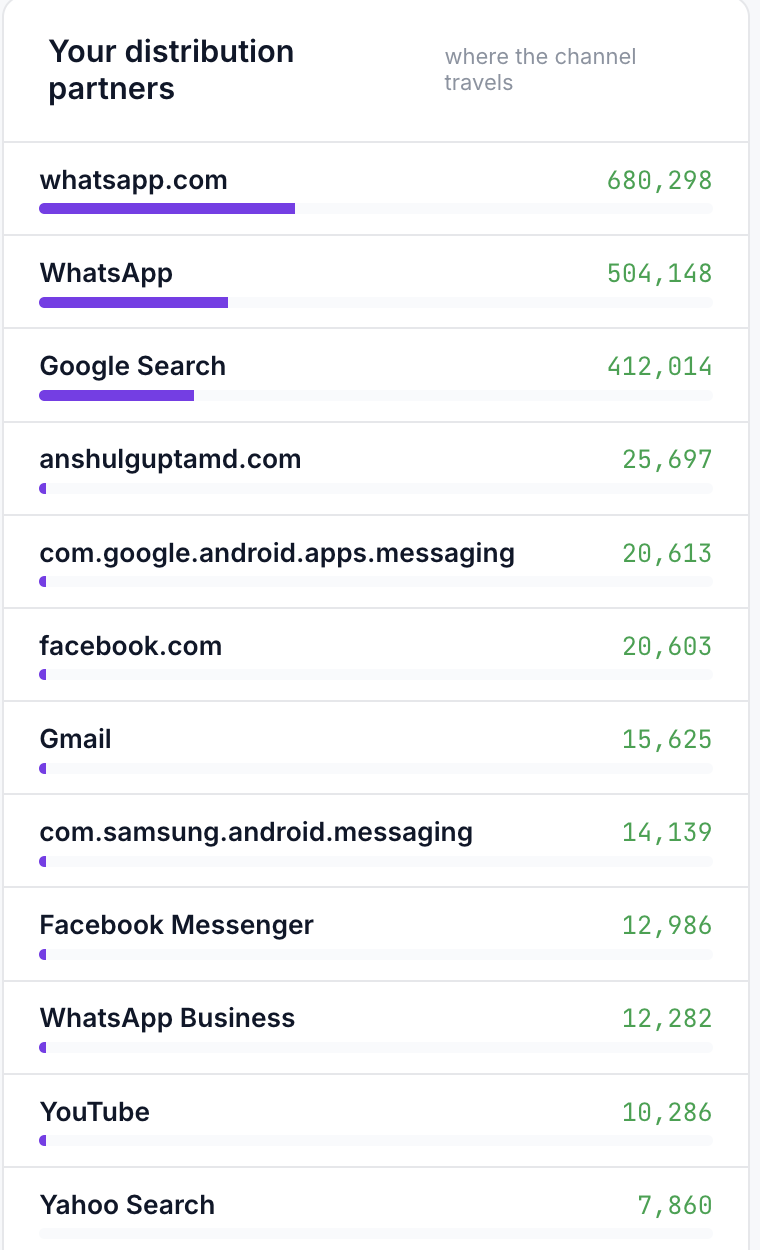
ICG runs cardiology PPC engagements under a 70-30 fixed-variable structure. The fixed retainer covers strategy, campaign build, creative and reporting. The variable 30% is tied to a 12-month booked-consult target on a sliding-scale slab.
- Foundation — Rs 49,999 per month. Single hospital, single city, one procedure focus (typically angioplasty or general cardiology OPD). Suitable for tier-2 city hospitals or a single-cath-lab standalone centre.
- Growth — Rs 74,999 per month. Full cardiac sciences vertical, single hospital or two to three sister centres in one metro. All procedure lines including CABG and electrophysiology.
- Scale — Rs 99,999 per month. Multi-city hospital group, full cardiac sciences vertical, includes structural heart and TAVR programme launches.
Above these fixed retainers, Google Ads and Meta Ads media budgets sit separately (Rs 5 lakh+ minimum for Meta, Rs 5 lakh+ minimum for Google in tier-1 metros). The same 70-30 model extends to Google Ads and Meta Ads at those budget thresholds and to YouTube SEO and AIO at the Rs 50,000+ threshold.
FAQ
 Meta Catalyst IQ Audience Size analysis showing the fatigue and saturation curves for each audience segment in a Meta Ads account" width="1200" height="675" loading="lazy" decoding="async" style="width:100%;height:auto;display:block;">
Short, direct answers for hospital marketing directors, CFOs and cardiac science programme heads evaluating a 2026 PPC engagement.
Book a free Google Ads account audit.
Raman Soni's team pulls your account, reviews campaign structure, keyword intent tiering, landing pages, and CPQL attribution. 45 minutes, actionable.
Questions readers ask
about this topic.
The three platforms
behind every ICG engagement.
Beacon
CAPI middleware that fixes Event Match Quality, translates CRM statuses to Meta-standard events, dedups across channels.
Agency OS
Live client dashboard. GSC, GA4, Google Ads, Meta Ads, IVR calls in one view. Login anytime, not monthly.
Phoenix
Clinic revenue intelligence over your PMS. Daily action queue: Prevent Loss, Maintain & Engage, Grow Revenue. 46-centre rollout.
Or book a free 30-min audit to see all three in action on your account.
Healthcare brands
that already run on ICG.
A representative slice of the 150+ healthcare brands ICG has delivered for across India. Most engagements remain under NDA.


What ICG clients say · on video.
"Mental health marketing requires a different sensitivity. ICG built compliance-aware campaigns that respect both patients and our..."
"Bariatric surgery patients need a long consideration cycle. ICG built a content + paid system that respects that timeline."
"Working with ICG felt like working with an in-house growth team that happens to specialise in healthcare."
Need help operationalising this?
Every ICG service is healthcare-only, NMC + DPDP-aware, and built around the patient-research patterns that drive Indian healthcare growth in 2026.
More from
ICG.
Healthcare AIO is the discipline of getting your clinic or hospital cited inside Google AI Overviews, ChatGPT and Perplexity answers — not j...
Conversational-search advertising places brand messages inside AI chat answers — ChatGPT, Perplexity, Copilot — rather than beside a results...
NABH digital compliance means every claim, image and testimonial your hospital publishes online matches what an accreditation surveyor can v...
Stop guessing.
Book a Diagnostic.
30 minutes. Free. With the AI-powered healthcare-only marketing agency 150+ brands already run on. No slides, no pitch, no hard close.


