


Naturopathy clinic marketing agency India
Naturopathy sits in the AYUSH family, right next to Ayurveda and Homeopathy in the public's mind, but it is an emerging search and advertising category with its own practitioner-registration questions, its own protocol-based claim patterns, and a still-evolving Central Council for Naturopathy code. ICG builds AYUSH-clean growth marketing for naturopathy centres — search visibility, Google Business Profile, YouTube, and reputation — with the vertical's specific compliance overlay built in from day one, not added as an afterthought.
TL;DR
- Naturopathy sits inside the AYUSH family, closest in practice to Yoga and Homeopathy, but practitioner registration runs through a Central Council for Naturopathy code that is still rolling out state by state rather than settled nationally.
- The Drugs and Magic Remedies Act, 1954 applies to naturopathy advertising exactly as it applies to every other system of medicine — named-disease cure claims are prohibited regardless of how natural or drug-free the therapy is.
- Naturopathy's claim surface is overwhelmingly protocol-based (hydrotherapy, diet therapy, fasting, mud therapy) rather than packaged-product-based, which shifts compliance focus toward outcome language and practitioner-credential accuracy over drug-licence matching.
- As an emerging category in most Indian cities, naturopathy clinics face lower search competition than established Ayurveda or dental markets, but also lower existing search volume — both are built into ICG's 90-day plan.
- ICG's retainers start from Rs 20,000/month, custom-scoped per engagement, built on the Search Intelligence Trifecta of Angryturtle (Google Business Profile), the Search Intelligence Engine, and YODA (YouTube).
The vertical market shape in India, 2026
Naturopathy occupies an unusual position in India's healthcare marketing landscape. It is formally part of the AYUSH family alongside Ayurveda, Yoga, Unani, Siddha and Homeopathy, and it shares regulatory DNA with all five, but its public search and advertising footprint has historically been much smaller than Ayurveda's or Homeopathy's. Search interest for "naturopathy clinic near me," "naturopathy doctor," and city-specific naturopathy queries has been growing steadily as urban wellness spending expands, but the category still sits well below the search volumes Ayurveda commands in most Indian metros — which means a naturopathy clinic that establishes strong local search presence now is competing against far fewer serious digital competitors than an Ayurveda brand entering the same city today.
The regulatory picture is also genuinely different from Ayurveda's. Ayurveda has a long-established drug-licensing apparatus, with the Drugs and Cosmetics Act's ayurvedic-drug provisions governing packaged formulations and their advertised indications. Naturopathy, by contrast, is overwhelmingly a service and protocol discipline — hydrotherapy, diet and fasting therapy, mud and clay applications, sun and air therapy — with far fewer packaged products to license and advertise. The compliance question for a naturopathy clinic is less often "does this ad match the product's drug licence" and more often "does this protocol-outcome claim cross into a disease-cure statement, and is the practitioner's credential claim accurate under whatever registration status currently applies in this state."
That second question is live and unsettled in a way most marketing agencies serving the AYUSH space simply don't track. The Central Council for Naturopathy, intended as the national body standardising naturopathy practitioner registration and education, exists as a framework that is still being implemented and adopted at different speeds across different states. This is not a criticism of the framework — it's a description of where the category genuinely is in 2026 — but it means a naturopathy clinic's website copy claiming "registered naturopathy doctor" needs that claim checked against the practitioner's actual current registration status in the state where the clinic operates, not assumed to be uniformly true because a national council exists on paper.
Put together, this makes naturopathy a genuinely emerging category from a marketing standpoint: real and growing patient demand, comparatively thin digital competition in most cities, and a compliance overlay that rewards a marketing partner who actually tracks the Central Council for Naturopathy code's rollout rather than one who treats every AYUSH-family therapy as interchangeable with Ayurveda.
What ICG delivers for this vertical
ICG's naturopathy engagement starts with the same discipline that runs across every AYUSH-family vertical it serves: a claim audit before a growth plan, not after. Before any search, ads, or content work begins, ICG catalogues every existing claim on the clinic's website, Google Business Profile, and social channels against the DMRA disease schedule, against protocol-outcome language that could read as a cure guarantee, and against practitioner-credential statements that need verification against current state-level naturopathy registration status. This audit typically takes days, not weeks, and it establishes the compliant baseline that every subsequent growth activity builds on.
From that baseline, ICG builds local search visibility around the category's actual demand shape — city and locality-specific naturopathy search terms, condition-adjacent wellness queries phrased carefully around the DMRA boundary, and Google Business Profile optimisation tuned for how patients actually search for naturopathy centres, which skews more toward "natural treatment for [wellness goal]" phrasing than direct disease-name searches. Because naturopathy is protocol-heavy rather than product-heavy, a meaningful share of the content work focuses on explaining what a protocol actually involves — what hydrotherapy or a supervised fasting programme looks like in practice — which serves both search intent and compliance simultaneously, since factual protocol description carries far less regulatory exposure than outcome-promise language.
Reputation and review management sits alongside this, because a naturopathy clinic's Google reviews are simultaneously its strongest local-search ranking signal and a compliance surface in their own right — a patient review that describes "curing my diabetes" carries the same disease-schedule exposure as advertiser copy would, and ICG's reputation workflows include guidance on how a clinic responds to and, where the platform allows, requests review content that stays on the wellness side of that line without ever asking a patient to lie about their experience.
The full scope typically includes: local and category search optimisation, Google Business Profile management across every location, a YouTube presence covering practitioner credibility and protocol explainer content, paid search and paid social where the clinic's budget supports it, and an ongoing claim-monitoring cycle so that new content shipped by the clinic's own team six months into the engagement gets the same compliance check the launch-day audit applied.
The Trifecta-powered stack for naturopathy
ICG runs every healthcare vertical, naturopathy included, on the same three-pillar Search Intelligence Trifecta: Angryturtle for Google Business Profile and local visibility, the Search Intelligence Engine (SIE) for organic and AI-search intelligence, and YODA for YouTube. For a category as local-search-dependent and compliance-sensitive as naturopathy, all three pillars carry specific weight.
Angryturtle handles the Google Business Profile layer that, for most naturopathy clinics, is the single highest-leverage digital asset they own — more patients discover a naturopathy centre through a "near me" map search than through a branded website visit, particularly in the category's current growth phase where branded search volume is still thin. Angryturtle manages profile completeness, post cadence, and review response across every clinic location, with claim-safe language built into post templates so a branch manager posting a weekly update isn't the weak link where compliance drift creeps back in.
The Search Intelligence Engine is the layer that makes ongoing compliance monitoring and organic search growth practical at the same time, rather than two separate workstreams. SIE tracks how the clinic's pages and published content perform across traditional and AI-powered search surfaces, flags new or drifted claim language against the audited baseline, and surfaces content gaps in the naturopathy category — protocol explainers, condition-adjacent wellness content, practitioner-credibility pages — that competing clinics in the same city have not yet published, which matters more in an emerging category where the first clinic to properly cover a search topic tends to hold that position for a long time.
YODA applies the same logic to YouTube, which is an underused channel for naturopathy specifically. Video content explaining what a hydrotherapy session or a supervised fasting protocol actually involves builds the kind of trust a wellness-category patient needs before booking a first consultation, and it does so through demonstration and description rather than outcome promises — exactly the content format that serves both search visibility and compliance simultaneously.
Compliance overlay specific to naturopathy
Every AYUSH-family vertical ICG works in carries the same base statute — the Drugs and Magic Remedies (Objectionable Advertisements) Act, 1954, which bans advertised cure, prevention, or diagnosis claims for a scheduled list of diseases regardless of the system of medicine involved. That schedule and its prohibition apply to naturopathy exactly as they apply to Ayurveda, Homeopathy, or allopathy — a naturopathy clinic advertising "natural cure for diabetes" is not protected from the DMRA by the fact that the therapy involves no pharmaceutical drug.
On top of that base layer, naturopathy carries two overlays that differ meaningfully from Ayurveda's compliance picture. The first is the Central Council for Naturopathy code — the practitioner-registration and education-standardisation framework that is still in a rollout phase across states, which means a "registered naturopathy doctor" credential claim needs verification against the practitioner's actual current status in the relevant state rather than an assumption of uniform national registration. ICG treats this as a live tracking item, checked and re-checked as the framework's implementation status changes state by state, rather than a claim made once and left unexamined.
The second overlay is protocol-outcome language specific to naturopathy's therapy set. Hydrotherapy, supervised fasting, diet therapy, mud and clay applications, and sun and air therapy are all legitimate, describable protocols — but describing what a protocol involves is a different act from promising what it will cure, and the naturopathy category sees a particular pattern of fasting-protocol and detox-protocol marketing drifting into disease-outcome and percentage-based claims ("40% toxin reduction," "reverses metabolic disease") that carry no more substantiation than the panchakarma outcome-guarantee pattern ICG flags in its Ayurveda compliance work. The fix follows the same principle across both verticals: describe the protocol factually, drop the outcome guarantee and the disease name, and let the described specificity do the persuasive work instead of an unsubstantiated promise.
Because naturopathy is adjacent to Homeopathy in public perception and often physically co-located with Homeopathy or Ayurveda practice in multi-therapy AYUSH centres, ICG's audit also checks for claim bleed between therapy lines — copy written for the centre's Ayurveda offering that gets reused, sometimes carelessly, for the naturopathy service page without being re-checked against naturopathy's own practitioner-credential and protocol-claim standards. This cross-therapy claim bleed is one of the more common findings in multi-therapy AYUSH centre audits, precisely because it's invisible to a founder who thinks of all their therapy lines as "the same wellness brand."
The 90-day engagement plan
ICG runs every naturopathy clinic engagement on the same 90-day structure, split into three phases that each build on the last rather than running in parallel from day one.
Compliant foundation
Full claim audit against the DMRA schedule and Central Council for Naturopathy code awareness, Google Business Profile setup or cleanup across every location, and a rewritten website claim baseline that the rest of the engagement builds on.
Visibility build
Local and category search content published against the identified gap map, Angryturtle-managed GBP post cadence and review-response workflow live, and paid search or paid social scoped and launched where budget supports it.
Conversion + reputation
YODA-driven YouTube content covering protocol explainers and practitioner credibility, structured review-generation workflow at the point of patient satisfaction, and the first performance review against the baseline set on day one.
By day 90, a naturopathy clinic engaging ICG should have a fully audited and compliant claim baseline across web, GBP, and social; a published content set covering the category gaps SIE identified at the outset; an active review-generation and response workflow; and a documented performance snapshot the retainer's ongoing cycle builds from. What happens after day 90 is governed by the same recurring-monitoring principle ICG applies across every compliance-sensitive vertical — new content the clinic's own team publishes gets checked against the same standard the original audit set, not left to drift until the next scheduled review.
Case scenarios (hypothetical, illustrative)
The following are hypothetical, anonymised scenarios reflecting patterns ICG has seen across the naturopathy and broader AYUSH-family vertical — not named client case studies. Verified client results are shared directly with prospective clients during the diagnostic conversation.
A single-location naturopathy clinic in a tier-2 city had a Google Business Profile with fewer than 20 reviews and no consistent post cadence, competing against zero other properly optimised naturopathy listings in the same city radius. After a 90-day engagement establishing a claim-safe profile, weekly Angryturtle-managed posts, and a structured review-request workflow triggered at patient checkout, the clinic's profile moved from page-two map-pack visibility to a consistent top-three local-pack position for its core "naturopathy clinic" search term, with review count roughly tripling over the period.
A multi-therapy AYUSH wellness centre offering Ayurveda, Yoga and naturopathy under one brand had website copy for its naturopathy service page directly repurposed from its Ayurveda page, including a practitioner-credential claim that didn't match the naturopathy practitioner's actual registration status. ICG's audit caught the cross-therapy claim bleed, rewrote the naturopathy page against its own compliance standard, and published a protocol-explainer content set specific to the naturopathy line — closing a search-visibility gap the centre hadn't previously addressed because its marketing had treated all three therapy lines as one undifferentiated brand.
A naturopathy centre running a paid social campaign for a supervised fasting programme had ad copy promising a specific percentage toxin reduction and implying reversal of a named metabolic condition — language that would have failed both platform ad-policy review and DMRA scrutiny. ICG's pre-launch compliance check flagged both issues before spend went live, rewrote the campaign around a factual protocol description and duration, and the reworked campaign ran without a single platform rejection across its full flight — the compliance check functioning as a cost-avoidance step, not just a legal safeguard.
Pricing
Retainers from Rs 20,000/month · Custom-scoped per engagement.
Book a free diagnostic to scope your naturopathy clinic engagement →
What a naturopathy engagement actually costs
ICG does not run a fixed tier structure for naturopathy clinic marketing, because the actual scope depends heavily on how many locations the clinic operates, whether it currently has any organised digital presence to build on, and whether paid media sits inside the engagement alongside organic search and reputation work. What stays constant is the starting point: retainers from Rs 20,000/month, custom-scoped per engagement, with the specifics — location count, review cadence, content volume, paid-media inclusion — set during the initial diagnostic conversation.
A single-location clinic with no existing paid media and a modest content need generally scopes toward the lower end of that range; a multi-location naturopathy chain or a multi-therapy AYUSH centre running paid campaigns across several cities scopes upward from there, based on the number of GBP listings under management, the content and compliance-monitoring cadence required, and the ad-spend management layer if paid media is included. Retainers from Rs 20,000/month, custom-scoped per engagement remains the standing floor regardless of where a specific clinic lands on that range.
Because naturopathy's claim surface is comparatively lighter on drug-licence reconciliation than Ayurveda's, initial audit timelines tend to run faster for a standalone naturopathy clinic than for a product-heavy Ayurveda manufacturer — which generally means the path from first conversation to a live, compliant foundation is shorter for this vertical than for some of ICG's other AYUSH-family engagements.
Who this is for, and who it isn't
This engagement is built for standalone naturopathy clinics, multi-location naturopathy chains, and multi-therapy AYUSH wellness centres that include a naturopathy service line alongside Yoga, Ayurveda, Unani or Homeopathy. It fits clinics with no existing digital marketing partner as well as clinics that have run generic wellness-marketing support in the past but never had a naturopathy-specific compliance review of their claims and practitioner-credential language.
It is not built for individual patient-facing medical advice, and it does not extend to clinical training, practitioner certification, or facility accreditation work — ICG's scope is marketing, search visibility, and advertising-claim compliance specifically. It is also not the right fit for a brand looking for guaranteed patient-outcome marketing language, since that is precisely the category of claim this engagement is built to keep clinics away from, for their own regulatory protection as much as for accuracy.

Growth for an emerging category, built compliant from day one
ICG's naturopathy engagements start with a claim audit and end with a documented monitoring cycle — talk to us about your clinic and its current digital footprint.
We cover every stage, from first search to repeat visit
- 0Foundations
- 1Demand gen
- 2Capture
- 3Lead quality
- 4Lead mgmt
- 5Scheduling
- 6Show-up
- 7Conversion
- 8Retention
We work across all nine stages, from foundations to past patients, and fix the stage that leaks first. Our own software runs the work, and every stage is reported against a monthly target on Ichelon Agency OS.
See all nine stages and the tool behind each one →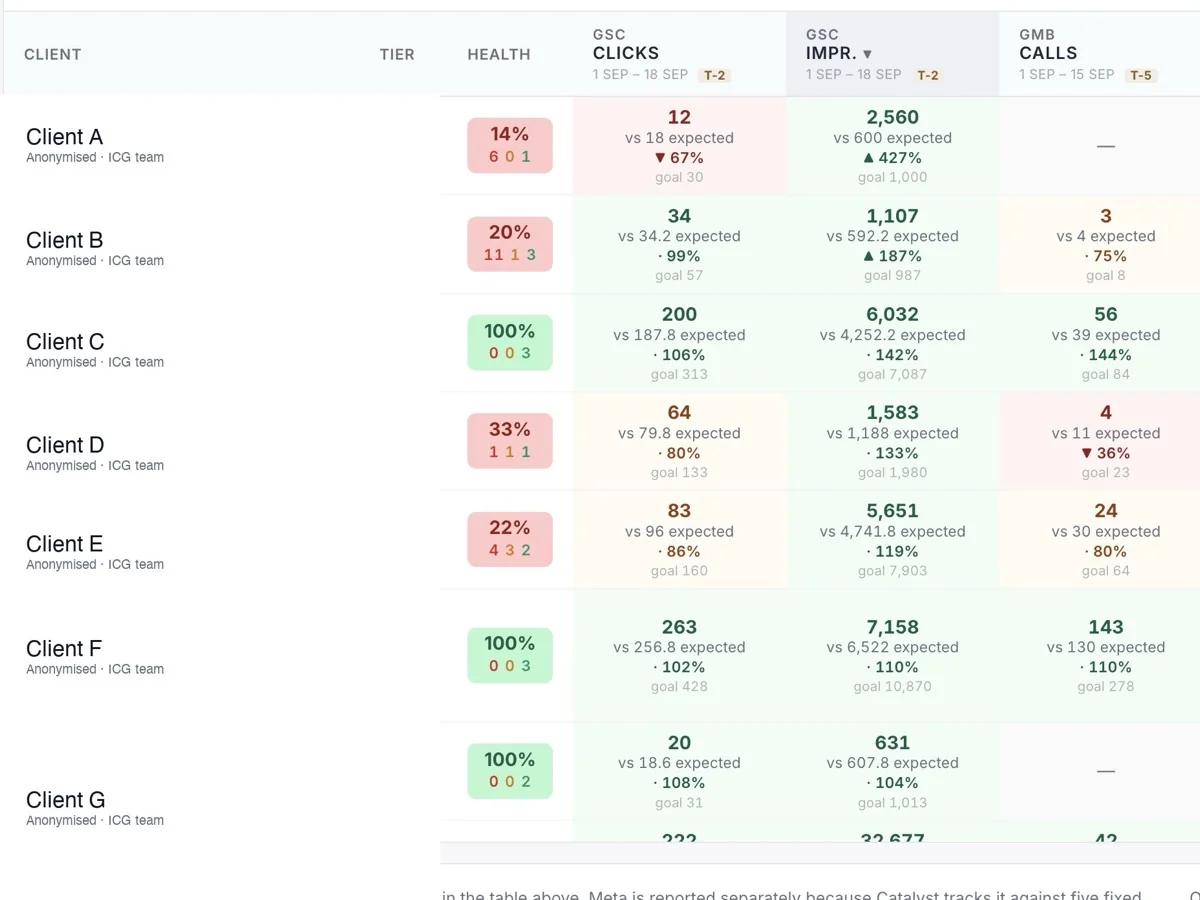
Frequently asked questions
Is naturopathy a recognised category under AYUSH in India?
Naturopathy sits in the AYUSH family alongside Ayurveda, Yoga, Unani, Siddha and Homeopathy, and it is often practised and marketed closest to Yoga and Homeopathy in how clinics position themselves. Practitioner registration and course recognition for naturopathy have historically been less centralised and more state-variable than Ayurveda, and the Central Council for Naturopathy code that governs practitioner-level standards is still an evolving, partially-implemented framework rather than a single settled national statute — which is exactly why a marketing partner needs to track it actively rather than assume a fixed rulebook.
What is the Central Council for Naturopathy code and how does it affect marketing?
The Central Council for Naturopathy is the body intended to standardise naturopathy practitioner registration and education nationally, with a code of practice that is still rolling out across states at different speeds. For marketing purposes, the practical effect is that practitioner-credential claims (who is qualified to call themselves a naturopathy doctor, and under what registration) need to be checked against current state-level status rather than treated as settled everywhere at once — ICG tracks this rollout as part of its compliance overlay rather than publishing a credential claim once and leaving it unchecked.
Does the Drugs and Magic Remedies Act apply to naturopathy advertising?
Yes. The Drugs and Magic Remedies (Objectionable Advertisements) Act, 1954 bans advertised cure, prevention or diagnosis claims for a scheduled list of diseases and conditions regardless of the system of medicine involved, so a naturopathy clinic advertising a named-disease cure carries exactly the same exposure as an Ayurveda or allopathic advertiser making the same claim. Naturopathy's therapy-based, non-drug positioning does not exempt it from this base statute.
How is naturopathy marketing different from Ayurveda marketing?
Ayurveda has a longer-established drug-licensing and product-formulation layer (many Ayurveda brands sell packaged formulations with drug licences to reconcile against ad claims), while naturopathy is overwhelmingly service and protocol-based — hydrotherapy, diet therapy, mud therapy, fasting protocols — with far fewer packaged-product licence questions and a comparatively newer, less centralised practitioner-registration framework. The practical marketing difference is that naturopathy claim discipline focuses more on protocol-outcome language and practitioner-credential accuracy than on drug-licence-to-claim matching.
Can a naturopathy clinic run Google Ads and Meta Ads in India?
Yes, subject to each platform's own healthcare-and-wellness ad policy plus the underlying legal restrictions on disease-cure claims. Google and Meta both apply additional review layers to health-adjacent advertising, and a naturopathy clinic's ad copy needs to clear the platform's health-claims policy in addition to the DMRA schedule and any relevant state AYUSH-family guidance — ICG scopes ad copy against both layers before spend goes live, not just one.
What does ICG deliver differently for naturopathy versus a generic wellness clinic?
A generic wellness-clinic marketing approach treats naturopathy as interchangeable with spa, fitness, or general wellness content, which under-serves the category's genuine therapeutic positioning and also misses category-specific compliance questions around practitioner credentials and protocol-outcome language. ICG's naturopathy vertical work starts from the Central Council for Naturopathy code awareness and AYUSH-family claim discipline first, then builds search, ads, and reputation work on top of that foundation rather than bolting compliance on afterward.
Is this only for standalone naturopathy clinics, or does it work for multi-therapy AYUSH centres?
Both. A standalone naturopathy clinic and a multi-therapy AYUSH wellness centre that includes naturopathy alongside Yoga, Ayurveda or Unani both need the same category-specific claim discipline applied to the naturopathy-specific portion of their offering, even when the rest of the centre's marketing follows a different vertical framework. ICG scopes each therapy line within a multi-therapy centre against its own applicable rules rather than applying one blended standard across all of them.
How long does a naturopathy clinic engagement take to show results?
ICG's engagements run on a 90-day structured plan — the first 30 days build the compliant foundation (Google Business Profile, website claim audit, local search structure), the next 30 days layer in paid and organic visibility work, and the final 30 days focus on conversion and review-generation systems. Naturopathy is an emerging search category in most Indian cities, which often means less competition for local search terms than an established Ayurveda or dental market, but it also means less existing search volume to capture immediately — both dynamics are built into the 90-day plan's expectations.
Does ICG name specific clinics as case studies?
No. ICG references hypothetical, anonymised scenarios that reflect patterns seen across the naturopathy and broader AYUSH-family vertical rather than naming specific client clinics publicly, to protect client confidentiality. Verified client results are shared directly with prospective clients during the diagnostic conversation, not published as named case studies on this page.
What does ICG charge for naturopathy clinic marketing?
Retainers from Rs 20,000/month, custom-scoped per engagement, based on the clinic's location count, current digital presence, and whether paid media is part of the scope alongside organic search and reputation work.
